
In the fast-paced world of finance, few metrics capture public attention quite like the daily movement of the Dow Jones Industrial Average (DJIA). News headlines frequently trumpet whether the Dow is “up” or “down” by a certain number of points, often leading to a mix of excitement and anxiety among investors and the general public alike. But what does it truly mean when the Dow is “down today,” and how should we interpret these daily fluctuations? This article delves into the intricacies of the Dow, explores the forces that shape its daily performance, and provides an insightful framework for understanding what a single day’s movement signifies for your financial well-being. Far from being just a simple number, the Dow’s performance reflects a complex interplay of economic forces, corporate health, and investor sentiment, offering a snapshot – albeit often a misleading one if viewed in isolation – of the broader market’s pulse.

Understanding the Dow Jones Industrial Average (DJIA): More Than Just a Number
To truly appreciate the significance of the Dow’s daily movements, it’s essential to understand what this iconic index represents and how its “points” are calculated. Often referred to simply as “the Dow,” the DJIA is one of the oldest and most widely recognized stock market indices in the world, having been created by Charles Dow in 1896. While it’s commonly used as a barometer for the overall health of the U.S. stock market and, by extension, the economy, its structure reveals a nuanced perspective that investors must consider.
What is the Dow and Why Does it Matter?
The Dow Jones Industrial Average comprises 30 large, publicly traded companies based in the United States. These are not just any companies; they are typically “blue-chip” firms, meaning they are well-established, financially sound, and leaders in their respective industries. Examples include Apple, Microsoft, Coca-Cola, Johnson & Johnson, and JPMorgan Chase. The intention behind selecting these companies is to provide a representative sample of major industrial sectors within the U.S. economy.
The Dow’s significance lies in its historical role as an indicator. For over a century, it has provided a continuous record of market performance, allowing investors and economists to track trends, identify patterns, and gauge economic sentiment. When the Dow moves, it suggests a broader shift in how investors perceive the value and future prospects of some of America’s most influential corporations. For many, its daily rise or fall serves as a quick, albeit simplistic, answer to the question: “How’s the market doing?”
The “Points” Metric: A Quick Explanation
When you hear “the Dow is down 300 points today,” what does that actually mean? Unlike market capitalization-weighted indices such as the S&P 500, the DJIA is a price-weighted index. This means that stocks with higher share prices have a greater influence on the index’s value than stocks with lower share prices, regardless of their actual market value (total shares outstanding multiplied by share price).
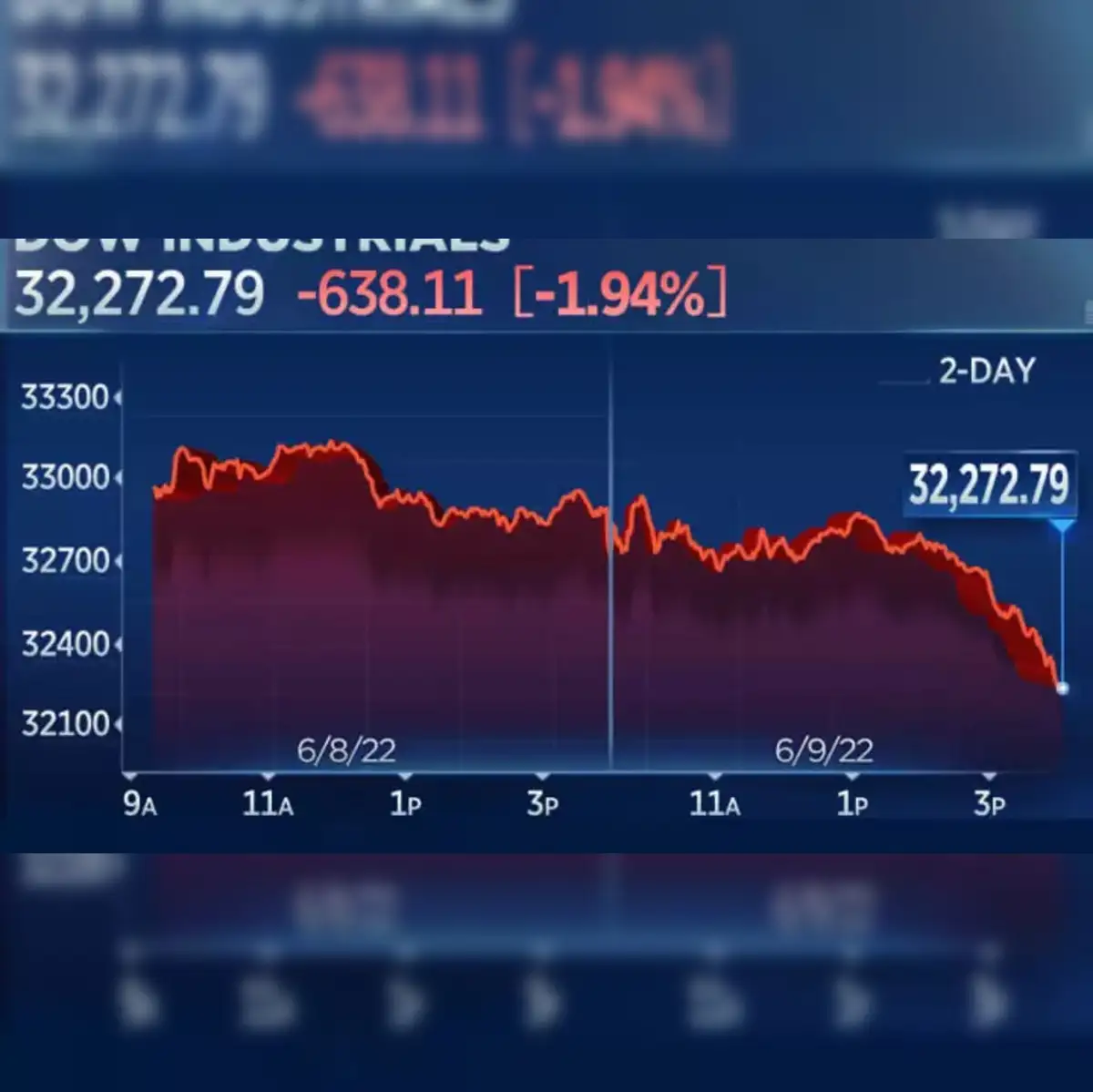
The “points” refer to the absolute change in the index’s value. For instance, if the Dow opens at 35,000 points and closes at 34,700 points, it is “down 300 points.” It’s crucial to understand that these points do not directly translate to a percentage change in the same way for all indices, nor do they reflect the actual dollar value lost or gained by an individual investor unless they own an exchange-traded fund (ETF) that specifically tracks the Dow’s price movement. While a 300-point drop might sound dramatic, its percentage impact varies significantly depending on the index’s base value. A 300-point drop when the Dow is at 10,000 is a 3% decline, whereas a 300-point drop when the Dow is at 35,000 is less than a 1% decline. Understanding this distinction is vital for accurate interpretation.
Historical Context: The Dow’s Legacy
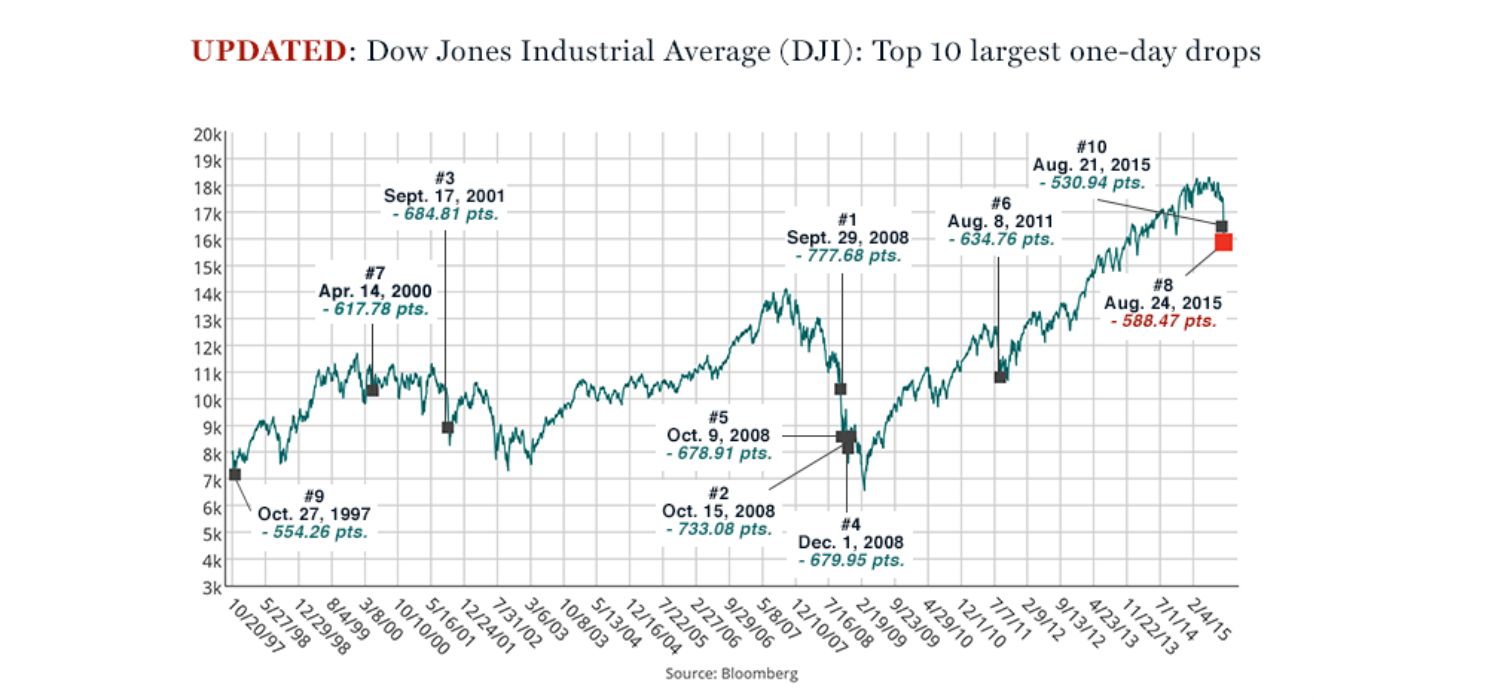
The Dow has witnessed every major economic boom and bust over the last 125 years, from the Roaring Twenties and the Great Depression to the dot-com bubble burst and the 2008 financial crisis. Its long history provides an invaluable context for understanding market cycles. Historically, despite numerous downturns, the Dow has always trended upwards over the long term, reflecting the enduring growth and resilience of the U.S. economy and its leading companies. This long-term perspective is a cornerstone of sound investment strategy, reminding investors that daily fluctuations, while attention-grabbing, are merely tiny ripples in a much larger tide.
Decoding Daily Fluctuations: What Drives the Dow’s Movement?
The daily ebb and flow of the Dow Jones Industrial Average are not arbitrary. Instead, they are the culmination of myriad factors, both domestic and global, that influence investor sentiment and corporate valuations. Understanding these drivers is key to moving beyond the headline number and gaining a more profound insight into market dynamics.
Economic Indicators and Reports
Macroeconomic data provides the bedrock for market expectations. Reports on Gross Domestic Product (GDP), inflation (Consumer Price Index, Producer Price Index), employment figures (non-farm payrolls, unemployment rate), retail sales, manufacturing data (PMI, ISM), and housing starts all paint a picture of the economy’s health. Strong economic data often signals robust corporate earnings and consumer spending, typically boosting stock prices. Conversely, signs of an economic slowdown or rising inflation can spook investors, leading to market pullbacks. For instance, an unexpected surge in inflation might lead investors to anticipate interest rate hikes from the Federal Reserve, which can increase borrowing costs for companies and cool consumer demand, thereby negatively impacting stock valuations.
Corporate Earnings and Guidance
At the microeconomic level, the performance of the 30 companies within the Dow is paramount. Quarterly earnings reports, which detail a company’s profits, revenues, and future guidance, are critical market movers. When a Dow component announces earnings that beat analyst expectations, or provides an optimistic outlook for the coming quarters, its stock price typically rises, contributing positively to the overall index. Conversely, missed earnings, reduced guidance, or negative business developments can cause a stock to fall, dragging the Dow down with it. Given the significant weight of some of these mega-cap companies, a major shift in one or two components can noticeably impact the entire index.
Geopolitical Events and Global Impact
The globalized nature of modern finance means that events far beyond U.S. borders can profoundly influence the Dow. Geopolitical tensions, trade disputes, shifts in commodity prices (especially oil), natural disasters, and global health crises (like pandemics) all introduce uncertainty into the market. Such events can disrupt supply chains, alter consumer demand, affect international trade agreements, and even impact corporate profitability. The immediacy of global news and the interconnectedness of economies mean that investors constantly weigh these external factors when making decisions, leading to rapid market reactions.
Market Sentiment and Investor Psychology
Beyond tangible economic and corporate data, the collective psychology of investors plays a significant role in daily market movements. Sentiment can be driven by a range of factors, including fear, greed, herd mentality, and confidence. Positive news, even if minor, can create a “risk-on” environment where investors are eager to buy, driving prices up. Conversely, negative news, even if not fundamentally damaging, can trigger a “risk-off” environment, leading to selling frenzies. Technical analysis, which studies past market data, also influences sentiment as traders look for patterns to predict future movements. Sometimes, the Dow’s movement isn’t purely rational but a reflection of emotional responses to perceived opportunities or threats.
Beyond the Headline: Interpreting a Down Day for the Dow
When the Dow is “down today,” it’s natural for investors to feel a pang of concern. However, a nuanced interpretation is crucial to avoid impulsive decisions and maintain a sound investment strategy. A single down day, or even a series of them, rarely tells the whole story.
Is a Down Day Always Bad News?
Not necessarily. While a significant drop can signal underlying economic concerns, minor corrections are a healthy and normal part of market cycles. Markets rarely move in a straight line; periods of consolidation and slight pullbacks help prevent overheating and allow for future growth. Sometimes, a down day is simply a reaction to profit-taking after a period of strong gains, or a re-evaluation based on a single piece of news that may not have long-term implications. For long-term investors, a down day can even present an opportunity to buy quality assets at a lower price. It’s also important to consider the reason for the drop – is it a systemic issue, or a reaction to a transient event?
Short-Term Volatility vs. Long-Term Trends
One of the biggest pitfalls for individual investors is focusing too heavily on short-term volatility. The Dow’s daily fluctuations are just that – daily. They are noise in the grand scheme of long-term investment horizons. While a chart showing the Dow’s performance over a single day might look like a roller coaster, zooming out to a five-year, ten-year, or even twenty-year view often reveals a consistent upward trajectory, punctuated by occasional, relatively brief downturns. Successful investing is about understanding and riding these long-term trends, rather than being swayed by every intraday dip or surge. Patience and a long-term perspective are key psychological tools against market noise.
The Broader Market Picture: S&P 500 and Nasdaq
The Dow is an important index, but it represents only 30 companies. To get a more comprehensive view of the market’s health, it’s advisable to look at other major indices. The S&P 500, which tracks 500 large U.S. companies, is generally considered a better gauge of the overall U.S. stock market due to its broader representation and market capitalization weighting. The Nasdaq Composite, heavily weighted towards technology and growth stocks, provides insight into a different segment of the economy. Comparing the Dow’s movement to these other indices can provide crucial context. If all major indices are down significantly, it points to a broader market weakness. If only the Dow is down, it might suggest issues specific to its component companies or sectors.
Navigating Market Volatility: Strategies for Investors
Market volatility, whether the Dow is up or down, is an inherent characteristic of investing. Rather than panicking or making rash decisions, smart investors employ strategic approaches to mitigate risk and achieve their long-term financial goals.
Diversification: The Cornerstone of Risk Management
One of the most fundamental principles of investing is diversification. This means spreading your investments across different asset classes (stocks, bonds, real estate, commodities), industries, geographies, and company sizes. If your portfolio is heavily invested in just a few Dow components, a bad day for those companies will have a magnified effect. By diversifying, you reduce the impact of any single asset or sector underperforming. For example, if technology stocks in the Dow are down, but your portfolio also includes healthcare, consumer staples, and international equities, the overall impact on your wealth will be cushioned.
Long-Term Perspective: Time in the Market
As emphasized earlier, history has shown that markets tend to recover from downturns and trend upwards over the long haul. Trying to “time the market” – selling when you think it will go down and buying when you think it will go up – is notoriously difficult, even for professional investors. A more effective strategy for most individuals is “time in the market.” This involves investing consistently over many years, regardless of daily fluctuations, and allowing the power of compounding to work its magic. For example, dollar-cost averaging, where you invest a fixed amount regularly, helps you buy more shares when prices are low and fewer when prices are high, smoothing out your average purchase price over time.
Avoiding Emotional Decisions
Fear and greed are powerful emotions that can derail even the most carefully constructed financial plans. A significant down day for the Dow can trigger panic, leading investors to sell their holdings at a loss, thus locking in those losses. Conversely, a rapidly rising market can lead to excessive optimism and “FOMO” (fear of missing out), prompting investors to take on undue risk. It’s crucial to stick to a predetermined investment plan based on your risk tolerance and financial goals, and to resist the urge to react impulsively to daily market news. Rebalancing your portfolio periodically, rather than constantly reacting, is a more disciplined approach.
Utilizing Financial Tools and Professional Advice
For many investors, navigating the complexities of the market can be challenging. Financial tools, such as investment platforms with robust research capabilities, analytical software, and educational resources, can empower individuals to make more informed decisions. However, for personalized guidance, especially during periods of heightened volatility, consulting with a qualified financial advisor can be invaluable. A professional can help you assess your risk profile, set realistic goals, create a diversified portfolio, and provide emotional discipline to help you stay the course, regardless of how many points the Dow is down on any given day. They can help you understand the broader implications of market movements for your unique financial situation.
In conclusion, while the headline “how many points is the Dow is down today” serves as a quick daily snapshot, a truly informed investor looks beyond the immediate number. By understanding the Dow’s composition, the drivers of market movements, and adopting a disciplined, long-term approach to investing, you can transform perceived market volatility into opportunities and maintain confidence in your financial journey, regardless of the daily market winds.
aViewFromTheCave is a participant in the Amazon Services LLC Associates Program, an affiliate advertising program designed to provide a means for sites to earn advertising fees by advertising and linking to Amazon.com. Amazon, the Amazon logo, AmazonSupply, and the AmazonSupply logo are trademarks of Amazon.com, Inc. or its affiliates. As an Amazon Associate we earn affiliate commissions from qualifying purchases.