
For millions of investors and traders worldwide, the question “When will the stock market open today?” is more than a mere inquiry; it’s the gateway to opportunity, a signal for strategic planning, and the foundational beat of their financial day. The stock market, a complex ecosystem of buyers and sellers, operates within specific, often rigid, timeframes, influenced by global time zones, local holidays, and the intricate rules of individual exchanges. Understanding these schedules is not just a matter of convenience; it’s a critical component of successful investing, impacting everything from trade execution to risk management.
While the phrase “stock market” often conjures an image of a single, monolithic entity, it is, in reality, a vast network of distinct exchanges operating independently yet interconnectedly across the globe. Each exchange, from the iconic New York Stock Exchange (NYSE) and NASDAQ to the bustling markets of London, Tokyo, and Shanghai, maintains its own unique set of operating hours. This creates a perpetual cycle of trading, where one market’s closing bell signals another’s opening, ensuring that somewhere in the world, assets are always being bought and sold.
This article delves into the intricacies of stock market operating hours, providing a comprehensive guide to when these financial engines roar to life, when they pause, and how savvy investors can navigate these schedules to their advantage.
The Rhythmic Pulse of Global Markets: Standard Operating Hours
The rhythm of the stock market is dictated by its operating hours, a set of specific times when trading activity is officially permitted. These standard hours are the backbone of market operations, ensuring order, liquidity, and fair pricing.
Decoding Standard Trading Sessions
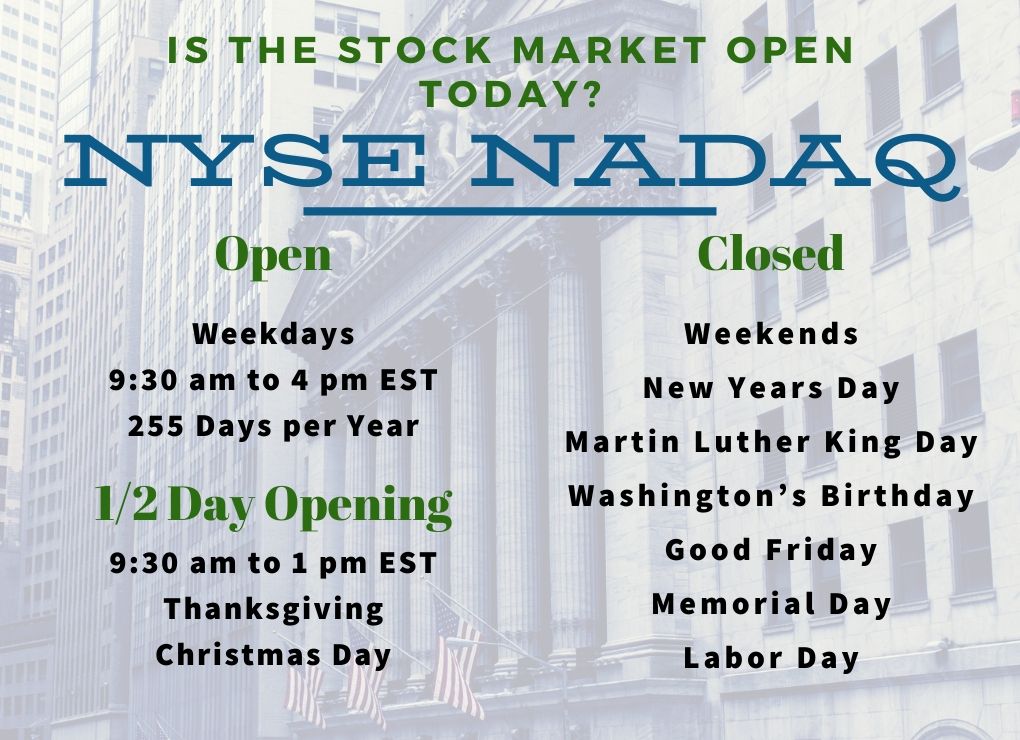
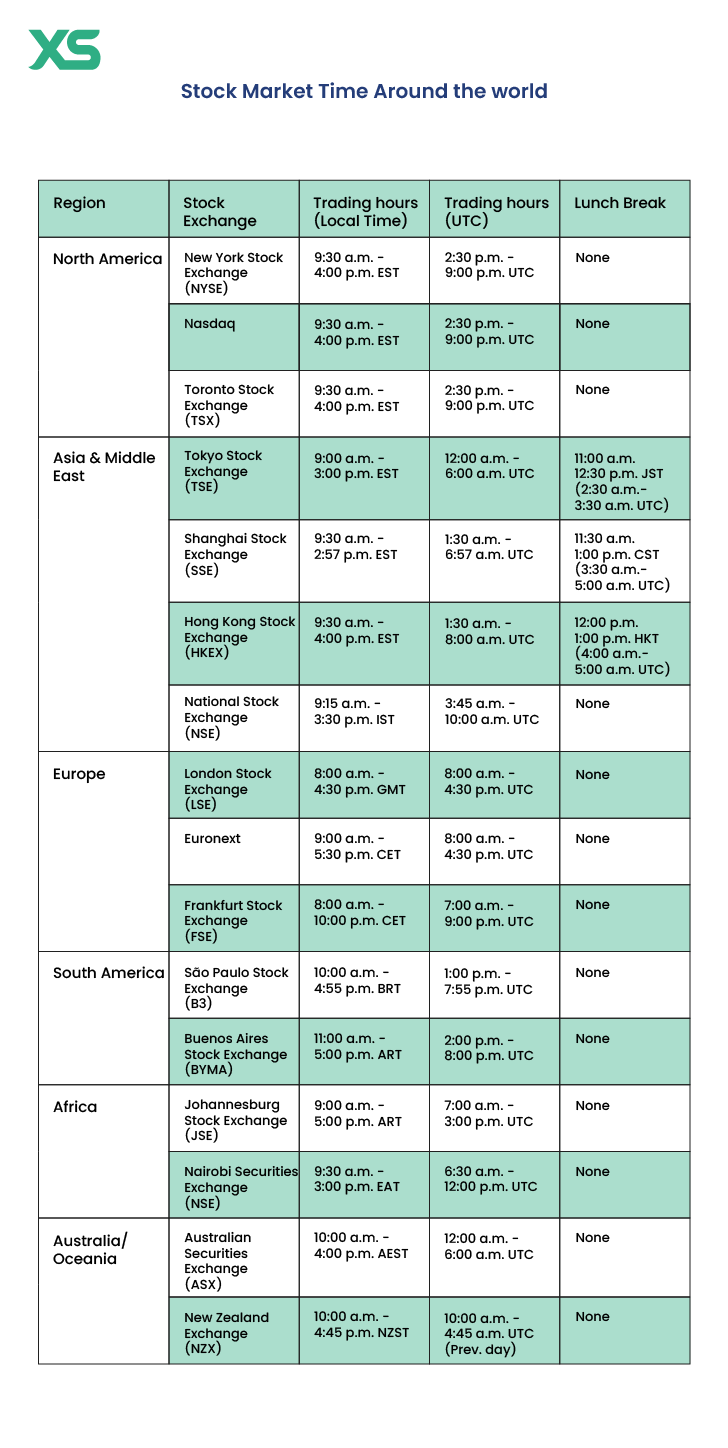
For most major stock exchanges, standard trading hours typically fall within the traditional workday. In the United States, for example, the New York Stock Exchange (NYSE) and NASDAQ operate from 9:30 AM Eastern Time (ET) to 4:00 PM ET on weekdays. This seven-and-a-half-hour window is when the vast majority of transactions occur, characterized by high liquidity and price discovery. Similarly, the London Stock Exchange (LSE) trades from 8:00 AM to 4:30 PM Greenwich Mean Time (GMT), and the Tokyo Stock Exchange (TSE) has a split session, running from 9:00 AM to 11:30 AM and 12:30 PM to 3:00 PM Japan Standard Time (JST).
These designated periods are crucial because they concentrate trading activity, providing sufficient liquidity for buyers and sellers to find counterparties efficiently. The opening and closing bells often mark periods of increased volatility as pending orders are processed and positions are adjusted.
The Significance of Time Zones
The global nature of finance means that time zones play a pivotal role in the continuous operation of markets. While an individual market has fixed local hours, the sequential opening and closing of exchanges across different time zones create an almost 24-hour trading environment. For instance, as markets in Asia conclude their trading day, European markets are often in full swing, and by the time Europe closes, North American markets are entering their busiest phase. This geographical spread ensures that global economic events and company news can be reacted to by investors in real-time, regardless of where they are located. For a global investor, understanding these time zone differences is paramount to monitoring their portfolio and executing timely trades in various markets.
Weekday Exclusivity: Why Weekends are Off-Limits
A universal rule across virtually all major stock exchanges is their closure on Saturdays and Sundays. This weekend break serves multiple purposes. Firstly, it allows market participants – from brokers and analysts to fund managers and regulatory bodies – to rest, recharge, and prepare for the week ahead. Secondly, it provides a buffer for the market to digest and react to news and events that occur outside of trading hours without the immediate pressure of a live trading environment. This structured pause helps maintain market integrity and reduces the potential for panic selling or irrational exuberance driven by limited information. While some cryptocurrency markets operate 24/7, traditional equities markets adhere strictly to a Monday-to-Friday schedule.
A Closer Look at Major Exchanges: Your Trading Timetable
To truly answer “When will the stock market open today?” for any given situation, one must identify the specific market of interest. Each major global exchange has its unique timetable, forming a mosaic of continuous global trading.
North American Powerhouses: NYSE and NASDAQ
The United States boasts two of the world’s largest and most influential stock exchanges: the New York Stock Exchange (NYSE) and the NASDAQ Stock Market. Both operate from 9:30 AM to 4:00 PM ET, Monday through Friday. The NYSE, known for its iconic trading floor and traditionally home to blue-chip companies, and NASDAQ, a fully electronic exchange favored by tech giants, are the epicenters of North American financial activity. Their opening and closing hours often set the tone for global market sentiment.
European Giants: London, Frankfurt, and Euronext
Across the Atlantic, European exchanges play a crucial role. The London Stock Exchange (LSE) operates from 8:00 AM to 4:30 PM GMT (or BST during daylight saving time). As one of the oldest and most international exchanges, its hours bridge the gap between Asian and American trading sessions. The Frankfurt Stock Exchange (Xetra), a key player in the Eurozone, trades from 9:00 AM to 5:30 PM CET. Euronext, which operates exchanges in Amsterdam, Brussels, Lisbon, Oslo, Dublin, and Paris, generally follows similar hours, typically from 9:00 AM to 5:30 PM CET. These markets are vital for trading European companies and managing portfolios with a European exposure.
Asian Market Dynamics: Tokyo, Shanghai, and Hong Kong
Asia kicks off the global trading day. The Tokyo Stock Exchange (TSE), the third-largest in the world, operates from 9:00 AM to 11:30 AM and 12:30 PM to 3:00 PM JST, Monday to Friday. Its opening often provides the first reaction to overnight news. The Shanghai Stock Exchange (SSE) and Shenzhen Stock Exchange (SZSE) in mainland China operate from 9:30 AM to 11:30 AM and 1:00 PM to 3:00 PM China Standard Time (CST). The Hong Kong Stock Exchange (HKEX), a gateway to China and broader Asia, trades from 9:30 AM to 12:00 PM and 1:00 PM to 4:00 PM HKT. These markets are critical for investors seeking exposure to the rapidly growing economies of Asia.
Other Key Markets: Sydney, Mumbai, São Paulo
Beyond these major players, numerous other exchanges contribute to the global financial tapestry. The Australian Securities Exchange (ASX) in Sydney, for instance, operates from 10:00 AM to 4:00 PM AEDT/AEST. The National Stock Exchange of India (NSE) in Mumbai trades from 9:15 AM to 3:30 PM IST. And in South America, the B3 exchange in São Paulo, Brazil, operates from 10:00 AM to 5:00 PM BRT. Each of these exchanges adheres to its local time zone and holiday schedule, adding layers of complexity for international investors.
Beyond Standard Hours: Pre-Market, After-Hours, and Overnight Sessions
While standard trading hours define the core market activity, significant price movements and trading volumes can occur outside these windows. Understanding pre-market and after-hours trading is crucial for investors seeking to react to news instantly or for those with specific strategic needs.
The Early Bird: Understanding Pre-Market Trading
Pre-market trading refers to the period before the official market open. In the US, for NYSE and NASDAQ, this typically starts as early as 4:00 AM ET and runs until 9:30 AM ET. During this time, investors can place buy and sell orders, often in response to corporate earnings reports, economic data releases, or breaking news that occurs overnight or in the early morning. While it offers an opportunity to get ahead of the market, pre-market trading is generally characterized by lower liquidity, wider bid-ask spreads, and increased volatility, making it riskier for less experienced traders. Prices established in pre-market can significantly influence the opening price once the market officially opens.
Post-Market Action: After-Hours Trading Explained
After-hours trading occurs after the official closing bell. For US markets, this period typically runs from 4:00 PM ET to 8:00 PM ET. Similar to pre-market, after-hours trading allows investors to react to late-breaking news, analyst upgrades or downgrades, or global market movements that occur after the standard session. Like pre-market, it also comes with reduced liquidity and higher volatility. Institutional investors and sophisticated traders often utilize these extended hours, but retail investors should approach them with caution due to the magnified risks.
The Continuous Global Cycle: Overnight Trading via International Markets
For highly active traders and institutional funds, the concept of “overnight trading” on US-listed securities often involves trading in corresponding international markets. For instance, a US company might have its shares listed on an exchange in Europe or Asia via American Depositary Receipts (ADRs) or Global Depositary Receipts (GDRs). This allows investors to trade these securities during local market hours in those regions, effectively providing a form of 24/5 access to assets tied to US companies. While not direct overnight trading on US exchanges, it offers a mechanism for continuous exposure and reaction to global events.
Electronic Communication Networks (ECNs): Facilitating Extended Hours
The technology enabling pre-market and after-hours trading largely revolves around Electronic Communication Networks (ECNs). These automated systems match buy and sell orders electronically, bypassing traditional exchange specialists or market makers. ECNs allow trading to continue seamlessly outside of standard hours, connecting participants directly. Without ECNs, the concept of extended-hours trading as we know it would not be feasible. They provide the infrastructure for liquidity and price discovery during these less liquid periods.
When the Markets Rest: Holidays and Special Closures
Just like any other major institution, stock markets observe holidays and can experience special closures, bringing trading to a halt. These breaks are critical for various reasons, from national observance to market stability.
Federal and Exchange-Specific Holidays
Stock markets typically close for a number of federal or national holidays. In the US, for instance, the NYSE and NASDAQ are closed for New Year’s Day, Martin Luther King, Jr. Day, Presidents’ Day, Good Friday, Memorial Day, Juneteenth National Independence Day, Independence Day, Labor Day, Thanksgiving Day, and Christmas Day. Some years, if a holiday falls on a weekend, the market might close on the preceding Friday or following Monday. Other countries have their own specific lists of holidays. For example, the London Stock Exchange observes UK bank holidays, and Asian markets close for festivals like Lunar New Year. Investors must consult the specific exchange calendar to verify trading days, especially when planning trades around holiday periods.
Half-Day Sessions and Early Closures
Less frequent but equally important are half-day sessions or early closures. These typically occur on the day before or after certain major holidays (e.g., the day after Thanksgiving in the US, or Christmas Eve if it falls on a weekday). During these sessions, markets might close at 1:00 PM ET instead of 4:00 PM ET. These shortened trading days can lead to condensed trading activity and increased volatility in a shorter timeframe, as traders rush to close positions before the early bell.
Unforeseen Circumstances: Market Interruptions and Suspensions
While rare, markets can also experience unscheduled interruptions or suspensions. These might be triggered by major technological malfunctions, natural disasters (e.g., severe weather impacting infrastructure), or significant geopolitical events that could destabilize markets (e.g., the 9/11 attacks, which led to a multi-day closure of US markets). Such closures are implemented to maintain market integrity, ensure fair and orderly trading, and prevent panic. In less extreme cases, trading in individual stocks or sectors can be temporarily halted due to excessive volatility or breaking news pending an announcement.
The Logic Behind Market Closures
Market closures, whether scheduled or unforeseen, serve crucial functions. They prevent exhaustion among market participants, allow time for critical data processing and system maintenance, and, most importantly, provide a buffer against irrational market reactions during periods of high uncertainty. These breaks are a necessary component of a healthy, functioning financial system, allowing for reflection and recalibration, ultimately contributing to long-term stability and investor confidence.
Strategic Trading: Navigating Market Openings and Closures
Understanding market hours is not merely about knowing when you can trade; it’s about optimizing your strategy, managing risk, and leveraging information efficiently. Smart investors integrate this knowledge into their daily routine.
Volatility at the Open and Close
The beginning and end of the trading day are often characterized by heightened volatility. At the market open, all the news, economic reports, and investor sentiment accumulated from the pre-market or overnight session are digested simultaneously, leading to significant price swings. Similarly, the market close sees a flurry of activity as day traders square off positions, institutional investors rebalance portfolios, and orders are executed before the final bell. These periods present both opportunities for quick profits and increased risks due to rapid price changes and potentially wider spreads. Day traders often thrive in these volatile windows, while long-term investors might prefer to place orders during the quieter mid-day session.
Impact on Day Traders vs. Long-Term Investors
Market hours affect different types of investors in distinct ways. For day traders, whose strategies rely on short-term price fluctuations, precise knowledge of opening and closing times, as well as pre-market and after-hours sessions, is paramount. They often focus on the most volatile periods to capitalize on quick moves. Swing traders might use extended hours to enter or exit positions based on overnight news, holding for a few days to weeks. Long-term investors, on the other hand, are less concerned with hourly fluctuations. While they still need to be aware of market hours to place orders, their focus is on the fundamental value of assets over months or years, making intra-day volatility less relevant to their core strategy. For them, knowing when the market is open is more about convenience for order placement rather than timing entry/exit for daily gains.
Preparing for the Trading Day
For any serious investor, preparation is key. This involves checking economic calendars for upcoming data releases, reviewing corporate earnings reports scheduled for release, and monitoring global news headlines before the market opens. Many investors will also look at pre-market activity on indices and key stocks to gauge the likely direction of the market. Setting alerts for news or price targets can also help ensure you don’t miss critical movements even outside your active monitoring periods.
Leveraging Technology for Market Timing
Modern trading platforms offer a suite of technological tools to help investors navigate market hours. Features like limit orders and stop-loss orders can be placed outside of standard hours, to be executed automatically when the market opens or when a certain price is reached. Many platforms also provide real-time data feeds for pre-market and after-hours trading, enabling investors to stay informed. Automated trading systems and algorithms are also designed to execute trades precisely at market open or close, leveraging the volatility of these periods.

Risk Management in Fluctuating Schedules
Given the increased volatility and reduced liquidity in extended trading hours, robust risk management is essential. Investors participating in pre-market or after-hours trading should use smaller position sizes, employ tighter stop-losses, and be prepared for potential “gap ups” or “gap downs” when the regular market opens. Understanding the implications of market closures on held positions is also vital; for instance, a major news event over a long weekend could significantly impact a stock’s value when the market reopens, leading to unexpected losses or gains. Diversification and not over-committing capital to any single volatile asset are fundamental principles that become even more important during these fluctuating schedules.
In conclusion, the question “When will the stock market open today?” is a multifaceted one, answered by understanding a complex interplay of global time zones, specific exchange schedules, holiday calendars, and the dynamics of extended-hours trading. For investors, this knowledge is not just a logistical detail but a strategic imperative that underpins effective decision-making, risk control, and the pursuit of financial growth. Staying informed about market hours is the first step in ensuring you are always positioned to capitalize on opportunities and navigate the challenges of the financial world.
aViewFromTheCave is a participant in the Amazon Services LLC Associates Program, an affiliate advertising program designed to provide a means for sites to earn advertising fees by advertising and linking to Amazon.com. Amazon, the Amazon logo, AmazonSupply, and the AmazonSupply logo are trademarks of Amazon.com, Inc. or its affiliates. As an Amazon Associate we earn affiliate commissions from qualifying purchases.