
The financial markets never truly sleep, but for the average investor, the trading day traditionally begins with the opening bell at 9:30 AM Eastern Standard Time (EST) and concludes with the closing bell at 4:00 PM EST. However, for those with a keen eye on market movements and a desire to react swiftly to breaking news, a significant period of activity unfolds before the official market open: premarket trading. Understanding when and how premarket trading occurs is crucial for anyone looking to gain an edge, manage risk, or simply comprehend the full scope of market dynamics. This extended trading session offers both unique opportunities and distinct challenges, demanding a sophisticated understanding of its mechanisms and implications.
Understanding the Landscape of Premarket Trading
Premarket trading is a fascinating, often fast-paced, segment of the financial day that operates outside the standard 6.5-hour trading window. It’s where early birds catch the worm, or at least try to position themselves advantageously for the day ahead.
What is Premarket Trading?
Premarket trading refers to the period during which investors can buy and sell securities on electronic communication networks (ECNs) before the regular trading hours of the major stock exchanges, such as the New York Stock Exchange (NYSE) and Nasdaq. Unlike the main trading session, which involves direct interactions on the exchange floor or through designated market makers, premarket trading primarily occurs through these ECNs, which match buyers and sellers electronically. This system allows market participants to react to overnight news, earnings reports released before the market open, or global economic events, facilitating price discovery even before the general public begins trading. It’s a critical period for institutional investors and active traders who need to adjust their positions quickly in response to significant catalysts.
The Standard Market Hours vs. Extended Hours
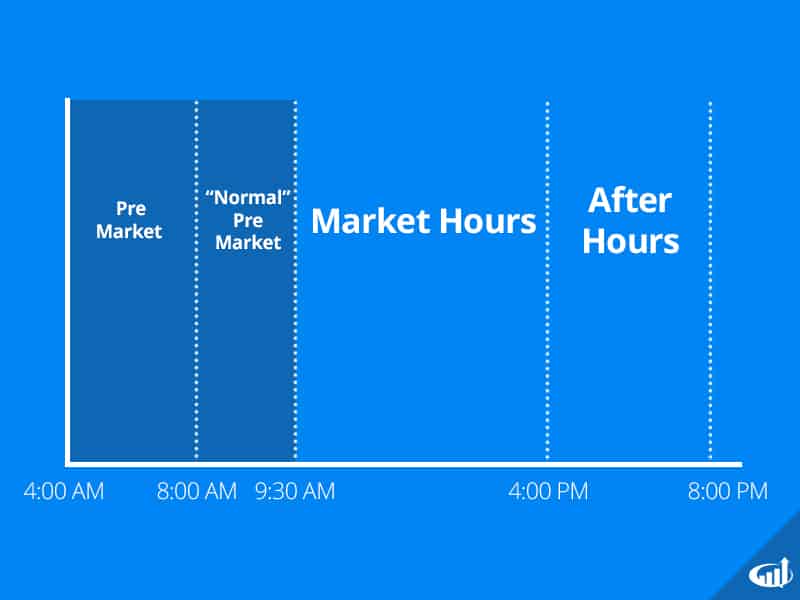
To appreciate premarket trading, it’s essential to understand its distinction from standard market hours. The conventional trading day runs from 9:30 AM to 4:00 PM EST. During these hours, liquidity is at its peak, transaction costs (spreads) are generally tighter, and most retail investors place their trades. The market benefits from high participation from both individual and institutional investors, leading to more stable and predictable price movements, albeit with daily volatility.
Extended hours, on the other hand, include both premarket and after-hours trading (which typically runs from 4:00 PM to 8:00 PM EST). These periods are characterized by lower trading volumes, wider bid-ask spreads, and often higher volatility. While offering flexibility, they also introduce increased risk due to these market conditions. The standard market hours are designed for broad participation and price efficiency, whereas extended hours cater more to specialized needs, enabling quicker reactions to developing events that occur outside of regular trading times.
Key Participants in Premarket
Who is actually trading during these early hours? The primary participants in premarket trading are often institutional investors, such as hedge funds, mutual funds, and large asset managers. These entities have the resources, technology, and analytical capabilities to monitor global markets and react instantaneously to new information. They might be unwinding positions based on overnight news, initiating new trades ahead of anticipated demand, or executing large block orders that would otherwise move the market too drastically during regular hours.
Beyond institutions, professional day traders and highly informed retail investors also participate. These individuals typically have access to advanced trading platforms, real-time news feeds, and sophisticated analytical tools. They often specialize in trading volatile stocks, particularly those with significant news catalysts. For the casual investor, however, premarket trading can be a challenging environment due to its unique characteristics and inherent risks.
The Timing of Premarket Trading: Specifics and Nuances
While the concept of “premarket” is straightforward, its precise timing and accessibility can vary significantly, depending on the brokerage and the specific exchange.
General Premarket Hours
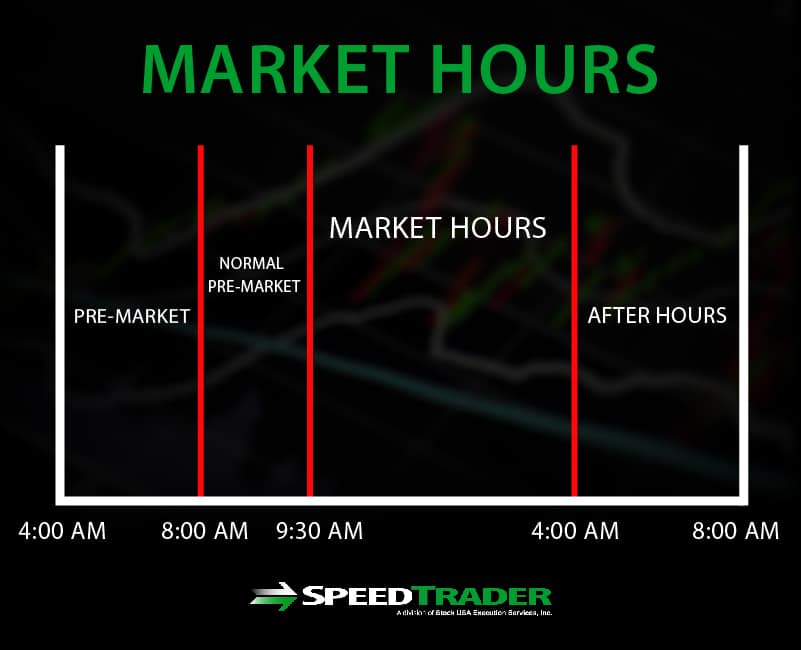
For most major U.S. stock exchanges, premarket trading generally begins as early as 4:00 AM EST and extends until the market open at 9:30 AM EST. This 5.5-hour window provides ample time for market participants to analyze news, digest earnings reports, and place trades. However, it’s crucial to understand that while a stock might technically be tradable from 4:00 AM, the activity levels typically pick up considerably closer to the market open, usually around 7:00 AM or 8:00 AM EST, as more institutional participants and professional traders come online. The liquidity often increases incrementally as the opening bell approaches.
Broker-Specific Access and Limitations
Access to premarket trading is not universal and often depends on the specific brokerage firm an investor uses. Many discount brokerages offer premarket trading, but the starting times can differ. Some brokers may only open their platforms for premarket orders as late as 7:00 AM EST, while others provide the full 4:00 AM to 9:30 AM window. Furthermore, certain brokers might have limitations on the types of orders that can be placed (e.g., only limit orders, no market orders) or on the securities that can be traded during extended hours. It’s imperative for any investor considering premarket activity to check their brokerage’s specific rules, available hours, and any associated fees or restrictions. This due diligence ensures that one understands the precise timing and operational constraints they will face.
Why the Early Start? Drivers of Premarket Activity
The impetus behind premarket trading activity is primarily driven by information. Key catalysts that ignite early trading include:
-
Earnings Reports: Many companies choose to release their quarterly earnings reports before the market opens to allow investors time to digest the information before trading begins. A positive or negative surprise can lead to immediate and significant price movements in premarket.
-
News Announcements: Major corporate news, such as mergers and acquisitions, new product launches, regulatory approvals, or executive changes, can dramatically impact a stock’s valuation. Reacting to such news early can be critical for risk management or capitalizing on an anticipated price surge.
-
Global Market Reactions: Events in Asian or European markets can influence U.S. stocks. Premarket trading allows U.S. investors to adjust their portfolios in response to these global shifts, reflecting sentiment or specific industry trends that have already played out overseas.
-
Economic Data Releases: Important economic indicators, like inflation reports, unemployment figures, or manufacturing data, are often released before the market open. These can set the tone for the entire trading day and prompt early positioning by informed investors.
Advantages and Disadvantages of Trading Before the Open
Premarket trading, while offering tantalizing possibilities, is a double-edged sword. Investors must carefully weigh its benefits against its inherent drawbacks.
Seizing Early Opportunities and Reacting to News
The most compelling advantage of premarket trading is the ability to react immediately to significant news. If a company announces groundbreaking news or a better-than-expected earnings report, early traders can buy shares before the broader market opens, potentially capturing a substantial portion of the initial price surge. Conversely, if negative news breaks, they can sell to mitigate losses before the stock potentially plummets at the opening bell. This first-mover advantage can be highly profitable for those who are well-informed and act decisively, allowing them to capitalize on volatility that the casual investor might miss entirely.
Potential for Price Discovery and Liquidity Issues
Premarket trading contributes to price discovery, allowing the market to begin processing new information before regular hours. This can sometimes lead to a “smoother” open, as some of the initial shock or enthusiasm has already been absorbed. However, this environment also suffers from significant liquidity issues. With fewer participants, the volume of shares traded is much lower compared to regular hours. This thin trading volume can lead to wider bid-ask spreads, meaning there’s a larger difference between the highest price a buyer is willing to pay and the lowest price a seller is willing to accept. Wider spreads increase transaction costs and can make it difficult to execute trades at desired prices, especially for larger orders.
Increased Volatility and Risk Factors
The illiquidity of premarket trading often results in heightened volatility. Small orders can have a disproportionately large impact on a stock’s price, leading to erratic and unpredictable movements. This can be a boon for experienced traders seeking rapid gains but poses substantial risks for novices. The absence of many institutional investors and market makers during early hours means there’s less depth in the order book, making it easier for prices to be manipulated or to swing wildly on limited trading activity. Furthermore, stop-loss orders might not be as effective in such volatile conditions due to “slippage,” where the order is executed at a significantly worse price than intended because of a rapid price gap. The lack of comprehensive market data and analysis readily available can also contribute to misinformed decisions.
Strategies and Considerations for Premarket Trading
Successfully navigating the premarket requires a disciplined approach, robust tools, and a clear understanding of risk management.
Essential Tools and Information Sources
To thrive in premarket trading, real-time information is paramount. Investors need access to:
-
Real-time News Feeds: Subscriptions to services like Bloomberg, Reuters, or specialized financial news outlets that deliver breaking news and earnings reports as soon as they are released.
-
Advanced Trading Platforms: Brokerage platforms that offer comprehensive premarket data, including real-time quotes, level 2 market data (showing bid/ask depth), and advanced charting capabilities.
-
Economic Calendars: To stay informed about upcoming economic data releases that could impact market sentiment.
-
Analyst Reports: While not real-time, reviewing analyst upgrades or downgrades released before the open can provide valuable context.
These tools enable traders to quickly identify catalysts, analyze potential price targets, and make informed decisions in a time-sensitive environment.
Risk Management Techniques for Extended Hours
Given the heightened risks, stringent risk management is non-negotiable for premarket traders:
-
Limit Orders: Always use limit orders instead of market orders. A market order in an illiquid premarket can be executed at a far worse price than expected. A limit order guarantees execution at or better than a specified price.
-
Position Sizing: Trade with smaller position sizes than you might during regular hours. This reduces your exposure to adverse price swings.
-
Stop-Loss Orders (with caution): While useful, be aware of slippage risks due to gaps in price. Consider using conditional orders or mental stops that you monitor actively.
-
Understand Market Depth (Level 2 Data): Monitor bid and ask prices and the volume at each level. This provides insight into where support and resistance might form and how easily a stock might move.
-
Avoid Over-Leveraging: Leverage amplifies both gains and losses. In a volatile, illiquid environment, excessive leverage can lead to rapid capital depletion.
When to Avoid Premarket Trading
Premarket trading is not for everyone, nor is it suitable for all situations. It should generally be avoided by:
-
Beginners: Novice investors without a deep understanding of market mechanics, risk management, and fast-paced decision-making should steer clear.
-
Those without Real-time Data: Trading on delayed information in premarket is akin to flying blind.
-
Trading Illiquid Stocks: Unless there is a very strong, well-researched reason and extremely tight risk control, illiquid stocks become even more dangerous during premarket due to their susceptibility to large price swings on minimal volume.
-
Reacting to News Without a Clear Strategy: Simply jumping into a stock because of “good news” without a defined entry, exit, and risk management plan is a recipe for disaster. Emotional trading is particularly perilous in extended hours.
-
Those Prioritizing Sleep: Seriously, if you value your rest, the early hours of premarket might not be for you.
The Evolving Role of Premarket in Modern Investing
Premarket trading, once primarily the domain of institutional giants, has become increasingly accessible and integrated into the broader investment landscape.
Democratization of Access
In decades past, extended-hours trading was a privilege largely reserved for institutional players with direct access to ECNs and substantial capital. However, with advancements in technology and the rise of online discount brokerages, many retail investors now have the ability to participate in premarket trading. This democratization has leveled the playing field to some extent, allowing more individuals to react to news and potentially benefit from early opportunities. Yet, this increased access also necessitates greater education and caution, as the inherent risks of extended-hours trading remain.
Impact on Market Open Volatility
One theory suggests that premarket trading, by allowing information to be processed and trades to occur before the regular session, helps to absorb some of the initial volatility that might otherwise occur at the market open. By the time 9:30 AM EST rolls around, much of the immediate reaction to overnight news or earnings might already be priced in, leading to a “smoother” opening for the broader market. Conversely, premarket can sometimes amplify opening volatility if thin trading volumes lead to significant price dislocations that then attract strong, reactive trading at the open as liquidity rushes in to correct perceived mispricings. The impact is nuanced and depends on the specific catalyst and stock in question.

Future Trends in Extended-Hours Trading
The trend towards extended-hours trading is likely to continue and potentially expand. The concept of 24/7 trading, mirroring the always-on nature of global financial markets and digital assets like cryptocurrencies, is a recurring discussion point. As technology advances and global market integration deepens, it’s conceivable that traditional stock exchanges could further extend their trading hours, or even transition to near continuous operation. This would further blur the lines between premarket, regular market, and after-hours, creating a truly global, real-time trading environment. For investors, this means a continuous need to stay informed, adapt strategies, and remain vigilant to both opportunities and risks around the clock.
In conclusion, premarket trading, typically running from 4:00 AM to 9:30 AM EST, is a vital but challenging component of the financial markets. It offers seasoned investors the chance to react swiftly to critical information, engage in early price discovery, and potentially capitalize on volatility. However, its low liquidity, wider spreads, and increased risk demand a meticulous approach, robust tools, and a deep understanding of its nuances. For the discerning investor, knowing “when is premarket trading” is not just about timeframes; it’s about understanding a unique ecosystem that demands respect, preparation, and a commitment to continuous learning.
aViewFromTheCave is a participant in the Amazon Services LLC Associates Program, an affiliate advertising program designed to provide a means for sites to earn advertising fees by advertising and linking to Amazon.com. Amazon, the Amazon logo, AmazonSupply, and the AmazonSupply logo are trademarks of Amazon.com, Inc. or its affiliates. As an Amazon Associate we earn affiliate commissions from qualifying purchases.