
In the fast-paced world of financial markets, every minute can count, and for savvy investors and traders, the action often begins long before the traditional opening bell. Pre-market trading, a period preceding the standard market hours, offers a unique window of opportunity and challenge. Understanding its intricacies, particularly when it opens and why it matters, is crucial for anyone looking to gain an edge or simply stay informed about market movements. This article delves deep into the world of pre-market trading, equipping you with the knowledge to navigate these early hours effectively.
Understanding Pre-Market Trading
Before diving into specific timings, it’s essential to grasp the fundamental concept of pre-market trading itself. It’s not just an arbitrary extension of the trading day; it’s a distinct phase with its own dynamics and implications.
What is Pre-Market Trading?
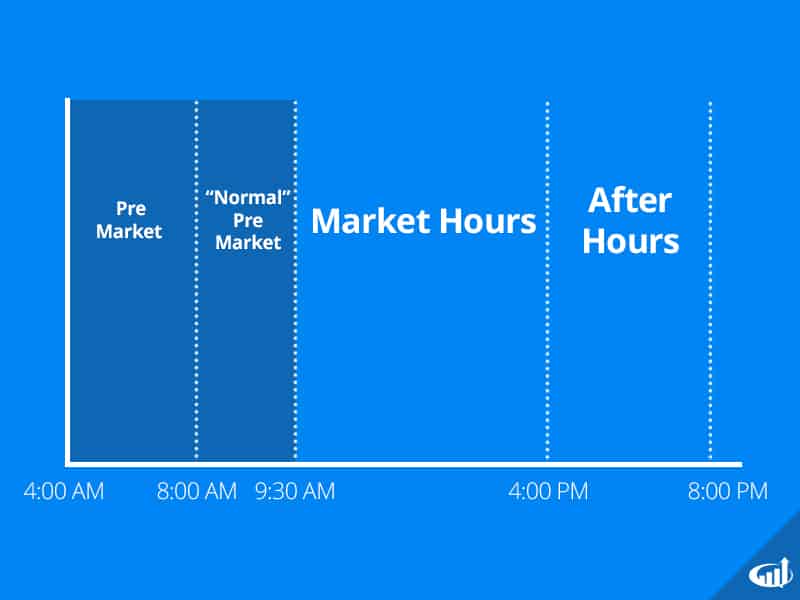
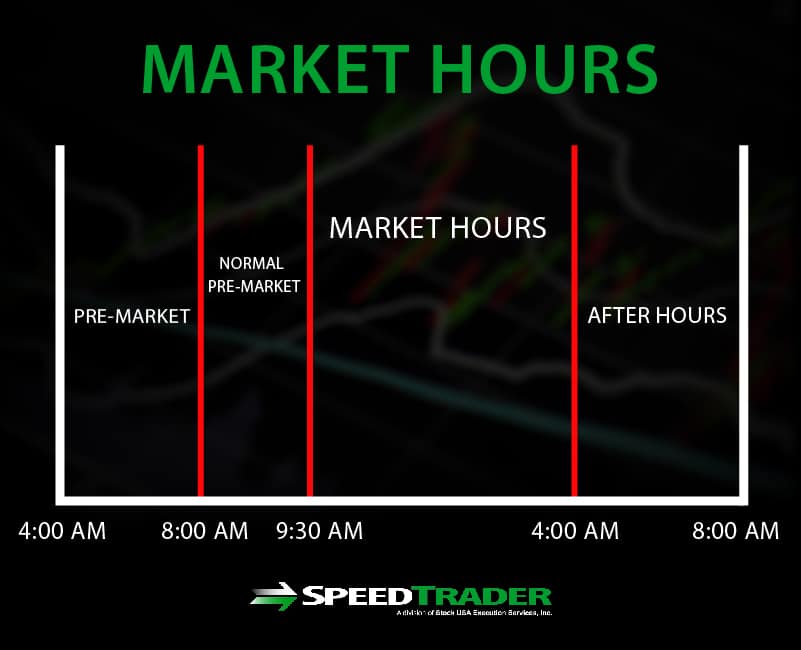
Pre-market trading refers to the period during which trading activity occurs on a stock exchange before the regular market session officially begins. While the New York Stock Exchange (NYSE) and NASDAQ typically operate from 9:30 AM to 4:00 PM Eastern Time (ET), pre-market trading usually commences much earlier. During these hours, investors can place buy and sell orders for securities, often reacting to overnight news, earnings reports released before the market opens, or global market shifts that occurred while U.S. markets were closed. This early activity can significantly influence a stock’s opening price and set the tone for the entire trading day.
The Mechanics of Early Trading
Unlike the regular trading session where a continuous auction model matches buyers and sellers, pre-market trading often operates with lower liquidity and different order types. Most pre-market trading takes place on electronic communication networks (ECNs) rather than through traditional exchange floors. These ECNs automatically match buy and sell orders. Investors typically use limit orders during pre-market hours, specifying the maximum price they are willing to pay or the minimum price they are willing to accept. Market orders, which prioritize execution speed over price, are generally discouraged or restricted during pre-market due to potentially wider bid-ask spreads and increased volatility. Brokers facilitate this access, though not all brokers offer the same pre-market hours or the same access to all ECNs.
Key Participants in Pre-Market Hours
Who engages in pre-market trading? It’s often a mix of institutional investors, hedge funds, and sophisticated individual traders. Institutional players often use this time to adjust portfolios based on overnight news, execute large block trades, or position themselves strategically ahead of the main market open. Retail investors, equipped with modern online brokerage platforms and real-time data, also participate, often looking to capitalize on immediate reactions to news or to exit positions before significant price swings occur during regular hours. However, due to the inherent characteristics of pre-market trading, it typically attracts those with a higher risk tolerance and a clear understanding of market dynamics.
Specific Pre-Market Opening Times
The crucial question: “When does the pre-market open?” The answer, while generally consistent for major U.S. exchanges, can have nuances depending on your brokerage and the specific securities you’re interested in.
Standard U.S. Stock Exchanges (NYSE, NASDAQ)
For the vast majority of U.S. equities traded on major exchanges like the NYSE and NASDAQ, pre-market trading typically begins at 4:00 AM Eastern Time (ET). This early start allows for a substantial five-and-a-half-hour window before the regular market session begins at 9:30 AM ET. This period extends right up until the regular market open. While trading can begin at 4:00 AM, the most significant volume and liquidity often don’t pick up until closer to 7:00 AM or 8:00 AM ET, as more participants, especially institutional ones, become active.
Understanding Brokerage Specifics
It’s vital to note that while the exchanges allow trading to begin at 4:00 AM ET, your ability to participate at that exact time is dictated by your brokerage firm. Many popular online brokers offer pre-market trading, but their specific hours of operation for extended-hours trading may vary. Some brokers might only allow pre-market access starting at 7:00 AM ET, while others provide the full 4:00 AM ET to 9:30 AM ET window. It’s imperative for investors to check their individual brokerage account details, terms, and conditions to confirm their specific pre-market trading hours. Additionally, some brokers may have restrictions on the types of securities or order types available during these extended hours.
Global Market Variations (Context for US Focus)
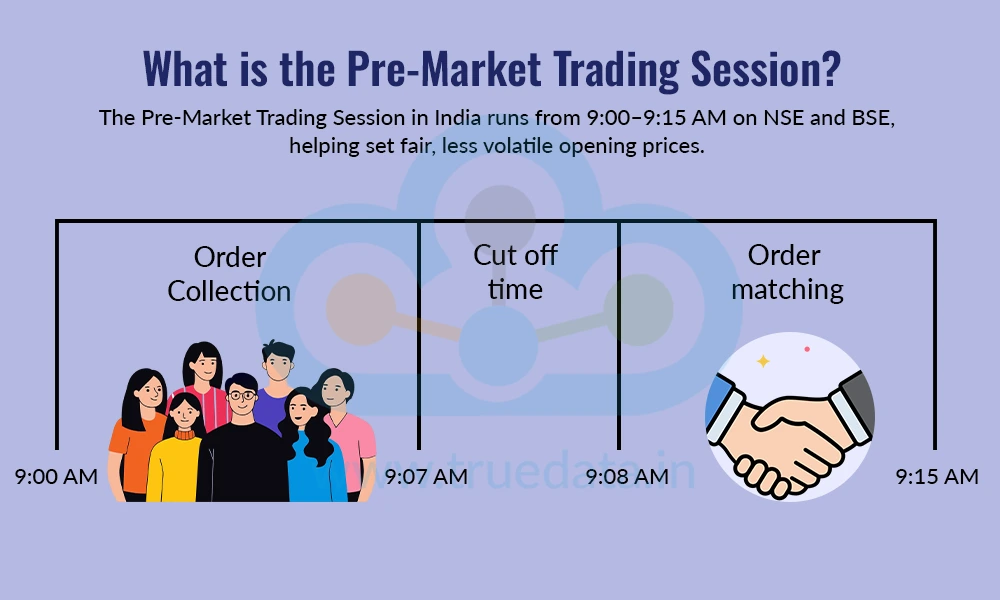
While our focus is primarily on U.S. pre-market hours, it’s worth briefly mentioning that global markets operate on different schedules. For investors with interests in international stocks or exchange-traded funds (ETFs) that track foreign indices, understanding the local market opening times and their respective pre-market or after-hours sessions is crucial. The trading activity in Asian or European markets overnight can directly influence U.S. pre-market sentiment and the opening prices of American companies with significant international exposure. This interconnectedness underscores the importance of a global perspective, even when focusing on local pre-market timings.
Why Pre-Market Trading Matters
Pre-market hours are far from just an early bird special; they are a critical period that can offer significant insights and opportunities, shaping the narrative for the rest of the trading day.
Reacting to News and Earnings Reports
One of the primary drivers of pre-market activity is the release of significant news and earnings reports. Many publicly traded companies choose to release their quarterly earnings results either before the market opens (typically between 7:00 AM and 9:00 AM ET) or after the market closes. Other material news, such as mergers and acquisitions, drug trial results, economic data, or analyst upgrades/downgrades, can also drop during these extended hours. Pre-market trading allows investors to react immediately to this information, leading to rapid price movements that might not be seen during regular hours. For those who can analyze and act quickly, this presents an opportunity to capitalize on initial reactions or mitigate potential losses before the broader market reacts.
Price Discovery and Volatility
The pre-market session plays a vital role in price discovery. It’s a period where the market begins to establish a consensus price for a security based on new information before the full breadth of participants enters the fray. This process, however, is often accompanied by increased volatility. Due to lower trading volumes and fewer participants compared to regular hours, individual large orders can have a disproportionately large impact on a stock’s price. This can lead to exaggerated price swings, both up and down, making it a high-stakes environment where prices can gap significantly at the regular market open if pre-market activity builds strong momentum in one direction.
Liquidity Considerations
Liquidity is a critical factor distinguishing pre-market trading from regular hours. Generally, pre-market liquidity is much lower. Fewer buyers and sellers mean that it can be harder to execute large orders without impacting the price. The bid-ask spread—the difference between the highest price a buyer is willing to pay and the lowest price a seller is willing to accept—tends to be wider during pre-market hours. A wide spread indicates less liquidity and means that investors might have to pay more to buy or receive less to sell, effectively increasing their transaction costs. This lower liquidity also contributes to the increased volatility mentioned earlier, as smaller trades can move prices more dramatically.
Strategies and Risks of Early Trading
Engaging in pre-market trading requires a clear strategy and a robust understanding of its unique risks and rewards. It’s not for the faint of heart, but for those prepared, it can be a lucrative arena.
Advantages for Savvy Traders
For seasoned traders, pre-market hours offer several distinct advantages. The ability to react instantaneously to breaking news or earnings reports can translate into significant profits if one correctly anticipates market sentiment. It allows for proactive positioning, either by initiating new trades to capture early momentum or by adjusting existing positions to protect capital. Furthermore, the lower competition from the broader retail crowd means that institutional players and quick-thinking individuals might have a clearer shot at favorable prices before the masses flood in. For investors with a solid grasp of technical analysis and a keen eye for catalysts, pre-market can be a powerful tool.
Disadvantages and Increased Risks
Despite the advantages, pre-market trading comes with substantial disadvantages and heightened risks. The primary concern is lower liquidity and increased volatility. This can lead to slippage (executing a trade at a worse price than intended) and difficulty in entering or exiting positions at desired price points. The wider bid-ask spreads also eat into potential profits. Furthermore, since fewer participants are involved, a stock’s pre-market movement might not accurately reflect its performance during regular hours; a strong pre-market rally could fizzle out, or a dip could reverse dramatically. There’s also the risk of “fake outs,” where early price movements are manipulative or based on incomplete information, only to reverse when more data or participants become active.
Essential Tools and Information Sources
To navigate the pre-market effectively, access to real-time data and reliable information is paramount. Traders rely on high-quality news feeds that deliver earnings announcements and breaking headlines as they happen. Advanced charting software with extended-hours data is crucial for technical analysis. Level 2 market data, which shows the bid and ask prices from various market makers and ECNs, becomes invaluable for understanding liquidity and potential price action. Financial tools like real-time scanners can help identify stocks with unusual pre-market volume or price swings, pointing to potential opportunities or risks. Subscribing to professional news wires or using platforms that aggregate financial data instantly can provide a significant edge.
Best Practices for Engaging in Pre-Market Trading
For those considering venturing into pre-market trading, a disciplined approach and adherence to best practices are essential to mitigate risks and maximize potential returns.
Due Diligence and Research
Thorough research is non-negotiable. Before placing any trade in pre-market, understand why a stock is moving. Is there a specific news catalyst? An earnings beat or miss? An analyst upgrade? Relying solely on price movement without understanding the underlying reason is akin to gambling. Deep dives into company fundamentals, industry trends, and macroeconomic factors should precede any significant trading decision. This is especially true given the potential for exaggerated movements on limited information during these hours. Always question the source and veracity of news influencing early market sentiment.
Setting Realistic Expectations
Pre-market trading is not a guaranteed path to quick riches. Its unique characteristics mean that outcomes can be unpredictable. Set realistic profit targets and, more importantly, strict stop-loss orders. Understand that not every pre-market movement will carry through to the regular session. Sometimes, a stock might surge on seemingly good news, only to sell off once the broader market has time to digest the information more thoroughly. Avoid chasing rapid price spikes without a clear strategy and exit plan. Patience and discipline are key to preventing impulsive decisions driven by fear of missing out (FOMO).
Risk Management and Order Types
Effective risk management is paramount in the high-volatility environment of pre-market trading. As mentioned, limit orders are generally preferred over market orders to ensure trades are executed at or near your desired price, preventing significant slippage due to wide spreads. Define your maximum acceptable loss per trade and stick to it rigidly. Consider using stop-limit orders, which combine elements of stop and limit orders, to manage risk more precisely. Never risk more capital than you can comfortably afford to lose, especially in a trading environment as dynamic and unpredictable as the pre-market. Diversification, while harder to achieve in short-term trading, should also be considered in your overall investment strategy to balance high-risk, high-reward plays with more stable investments.
In conclusion, knowing when the pre-market opens—typically 4:00 AM ET for U.S. exchanges, though brokerage hours may vary—is merely the first step. True proficiency lies in understanding the ecosystem of lower liquidity, higher volatility, and rapid news reactions that define these early hours. For the informed, well-prepared, and disciplined investor, pre-market trading offers a compelling avenue for engaging with the financial markets, positioning for opportunities, and managing risk before the regular trading day even begins. For others, it’s a valuable indicator of market sentiment that informs their strategy once the main session is underway.
aViewFromTheCave is a participant in the Amazon Services LLC Associates Program, an affiliate advertising program designed to provide a means for sites to earn advertising fees by advertising and linking to Amazon.com. Amazon, the Amazon logo, AmazonSupply, and the AmazonSupply logo are trademarks of Amazon.com, Inc. or its affiliates. As an Amazon Associate we earn affiliate commissions from qualifying purchases.