
The traditional stock market operates within well-defined hours, typically from 9:30 AM to 4:00 PM Eastern Time. However, the world of investing doesn’t always adhere to such neat schedules. For savvy investors seeking to capitalize on breaking news or early market movements, pre-market trading offers an intriguing, albeit complex, alternative. This guide will delve into the intricacies of buying stocks before the opening bell, outlining the mechanics, opportunities, risks, and strategies involved in navigating this less-traveled market terrain. Understanding pre-market trading is crucial for anyone looking to extend their investment reach beyond conventional hours and potentially gain an edge in a fast-paced financial landscape.
Understanding Pre-Market Trading
Before attempting to buy stocks pre-market, it’s essential to grasp what this trading period entails and how it differs from standard market hours. Pre-market trading typically commences several hours before the official market open, often starting as early as 4:00 AM ET and running until 9:30 AM ET. During this window, investors can place orders to buy or sell securities, with trades executed through electronic communication networks (ECNs) rather than the traditional exchange floor.
Defining Pre-Market Hours
The specific hours for pre-market trading can vary slightly depending on your brokerage firm and the particular exchange. Generally, NYSE and Nasdaq stocks are available for trading from 4:00 AM ET to 9:30 AM ET. These extended hours allow investors to react to news released outside of regular trading, such as earnings reports, mergers and acquisitions announcements, or significant economic data, before the broader market has a chance to fully process it. It’s a period characterized by anticipatory movements and initial price discovery as market participants digest fresh information.
How Pre-Market Trading Differs from Regular Hours
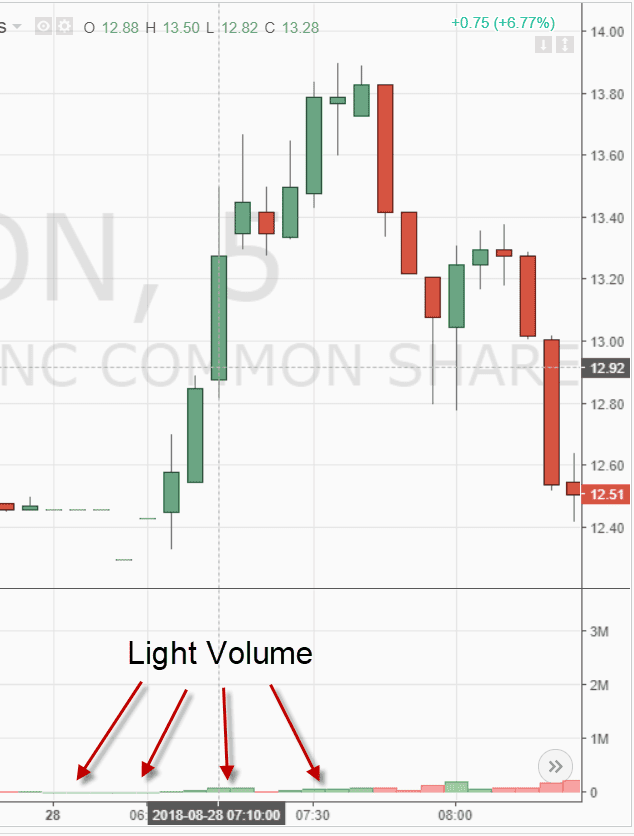
The most significant distinction between pre-market and regular-hour trading lies in liquidity and participation. During regular hours, millions of investors and institutions participate, leading to deep liquidity and tight bid-ask spreads for most stocks. Pre-market, however, sees far fewer participants, primarily institutional traders, hedge funds, and a smaller segment of retail investors. This lower participation translates directly into thinner trading volumes and wider bid-ask spreads, making it more challenging to execute trades at desired prices without impacting the stock’s valuation. Furthermore, the regulatory environment for extended hours trading can sometimes differ, with fewer protective mechanisms compared to regular trading sessions.
Key Participants in Pre-Market
While the perception might be that pre-market is a free-for-all, it’s actually dominated by specific types of participants. Large institutional investors often use this window to adjust their portfolios or take positions based on overnight news, particularly global economic developments. Proprietary trading firms and market makers also play a significant role, providing liquidity and attempting to profit from price inefficiencies. Retail investors, while present, represent a smaller fraction of the volume, often finding themselves competing against highly sophisticated algorithms and professional traders with access to superior information and execution capabilities.
Liquidity and Volatility Dynamics
The dynamics of liquidity and volatility in pre-market are crucial for any investor to understand. With fewer buyers and sellers, even relatively small orders can have a disproportionate impact on a stock’s price, leading to exaggerated price swings. This low liquidity means that a stock might appear to make a significant move, but that move could be based on a handful of trades, making it potentially misleading. Conversely, this increased volatility can present opportunities for rapid gains (or losses), as stocks can gap up or down dramatically in response to news, before the market fully opens and liquidity improves.
Why Trade Pre-Market? Unlocking Early Opportunities
Despite its inherent challenges, pre-market trading offers compelling advantages for certain investors. The ability to act on information before the masses can be a powerful tool for potential profit, offering a glimpse into a stock’s likely trajectory for the day.
Reacting to News and Earnings Reports
One of the primary drivers of pre-market activity is the release of significant news. Companies frequently announce quarterly earnings, product launches, or major corporate actions outside of regular trading hours to minimize disruption. Pre-market trading allows investors to react to these announcements immediately, rather than waiting for the market to open. For example, if a company reports stellar earnings before the bell, its stock might begin to climb in pre-market, giving early investors an opportunity to buy in before the expected surge during regular hours. Conversely, negative news can lead to significant sell-offs, allowing traders to exit positions quickly.
Capitalizing on Early Price Swings
The reduced liquidity and increased volatility of pre-market trading, while risky, can create opportunities for rapid price swings. A stock might experience a sharp upward or downward movement based on initial reactions to news, only to see that movement moderate or reverse once regular trading begins and more participants enter the market. Agile traders with a strong understanding of market dynamics and quick execution can potentially capitalize on these early, often exaggerated, movements. This “first-mover advantage” can be particularly attractive for day traders or those employing short-term strategies.
Convenience for International Traders
For investors located in different time zones, pre-market trading can offer a practical solution. For instance, an investor in Asia might find it easier to trade U.S. stocks during their evening or night, which corresponds to the U.S. pre-market hours. This extends their window of opportunity and allows them to participate more actively in the U.S. market without having to operate solely during traditional U.S. market hours, which might be inconveniently timed for them.
Potential for Price Discovery
Pre-market trading plays a vital role in price discovery. The orders placed and executed during these hours help establish an initial price range for a stock before the market officially opens. This “pre-open price” often serves as an indicator of how the stock is likely to perform once regular trading commences. For observant investors, analyzing pre-market price action and volume can provide valuable insights into market sentiment and potential support/resistance levels for the upcoming trading day.
The Mechanics of Pre-Market Trading
Executing a pre-market trade is not fundamentally different from placing an order during regular hours, but there are crucial prerequisites and considerations investors must be aware of to participate effectively.
Brokerage Requirements and Account Setup
Not all brokerage accounts automatically allow pre-market trading. Most online brokers offer extended-hours trading, but you might need to enable it specifically within your account settings. This often involves reviewing and signing an “extended hours trading agreement” or similar disclosure document. This agreement typically highlights the increased risks associated with trading outside regular market hours, such as lower liquidity and higher volatility. Ensure your broker supports the specific extended hours you wish to trade, as some might offer more limited windows than others.
Extended Hours Trading Agreements
These agreements are mandatory because they ensure you understand the unique risks. They typically warn about factors like:
-
Price Volatility: Prices can change rapidly and unpredictably.
-
Lower Liquidity: Difficulty in executing orders at desired prices.
-
Wider Spreads: The difference between the buy and sell price can be larger.
-
Price Gaps: The closing price of the previous day might be significantly different from the opening pre-market price.
-
Limited News Dissemination: Not all news might be available to the general public during extended hours.
Reading and understanding these disclosures is paramount before engaging in any extended-hours trading.
Understanding Order Types (Limit Orders are Crucial)
When trading pre-market, using limit orders is not just recommended, it’s often mandatory and always a best practice. A limit order specifies the maximum price you’re willing to pay to buy a stock or the minimum price you’re willing to accept to sell it. This is in stark contrast to market orders, which instruct your broker to buy or sell at the best available price immediately.
During low-liquidity pre-market sessions, a market order can be extremely dangerous. A market order to buy could be filled at a much higher price than anticipated if there are few sellers, or a market order to sell could execute at a much lower price. Limit orders protect you from these adverse price executions by ensuring your trade only goes through at your specified price or better. Many brokers will even restrict market orders during extended hours due to these inherent risks.
Accessing Pre-Market Data and Quotes
Reliable, real-time data is critical for pre-market trading. Many financial news websites and brokerage platforms offer pre-market quotes and charts. However, be aware that some free sources may have delayed data. Subscribing to professional-grade data feeds or using your broker’s advanced trading platform can provide real-time Level 2 data, which shows the depth of the order book (i.e., the number of shares bid and asked at various prices). This information is invaluable for gauging liquidity and potential price movements.
The Role of Electronic Communication Networks (ECNs)
Pre-market trades are primarily executed through Electronic Communication Networks (ECNs). Unlike regular market hours where orders might be routed through exchanges like the NYSE or Nasdaq, ECNs are automated systems that match buy and sell orders directly between participants. They operate 24 hours a day, facilitating trading outside standard exchange hours. When you place a pre-market order with your broker, it’s typically routed to one or more ECNs to find a match. Understanding that your trades are happening on these networks, rather than a centralized exchange, helps explain the different liquidity and pricing dynamics.
Risks and Considerations of Pre-Market Trading
While the allure of early opportunities is strong, pre-market trading is undeniably riskier than trading during regular market hours. Acknowledging and mitigating these risks is paramount for protecting your capital.
Lower Liquidity and Wider Spreads
As discussed, fewer participants mean lower liquidity. This translates into wider bid-ask spreads, meaning there’s a larger difference between the highest price a buyer is willing to pay and the lowest price a seller is willing to accept. If you try to buy, you’ll pay more; if you try to sell, you’ll receive less. This wider spread effectively increases your trading costs and makes it harder to enter or exit positions at favorable prices. A large order in a low-liquidity stock can also significantly move the price against you.
Increased Volatility
Stocks can experience extreme price swings on minimal volume during pre-market hours. A piece of news, even if minor, can cause a stock to jump or plummet by several percentage points within minutes. This heightened volatility can lead to quick profits but also rapid, substantial losses if the market moves unexpectedly against your position. The volatility also makes stop-loss orders less reliable, as large gaps can occur, causing your stop to execute at a far worse price than intended.
Price Discrepancies and Gaps
It’s common for a stock’s pre-market price to be significantly different from its previous day’s closing price. This is known as a “gap.” A stock that closes at $50 on Monday might open pre-market on Tuesday at $53 due to positive news. However, this pre-market price might not hold once regular trading begins and more liquidity enters the market. The stock could “fill the gap” by moving back towards its previous day’s close, or it could continue its momentum. These gaps can be challenging to predict and can lead to immediate paper gains or losses upon market open.
Limited Information Access
During extended hours, not all news or financial information may be readily available or widely disseminated. While major earnings reports are usually public, smaller news items or analyst upgrades/downgrades might not reach all market participants equally. This informational asymmetry can put individual retail investors at a disadvantage compared to institutional traders who have access to more comprehensive news feeds and analytical tools. Making trading decisions based on incomplete information significantly increases risk.
Competition from Institutional Investors
The pre-market landscape is often dominated by institutional players who have vast resources, sophisticated algorithms, and direct access to ECNs. They can execute trades faster and process information more efficiently than most retail investors. Competing against these formidable players requires a clear strategy, disciplined execution, and a realistic understanding of the playing field. Retail investors should be cautious about chasing prices set by institutional activity without thorough research.
Strategies and Best Practices for Pre-Market Trading
To navigate the complexities of pre-market trading successfully, a well-defined strategy and adherence to best practices are indispensable. This isn’t a market for the faint of heart or the unprepared.
Thorough Research and Due Diligence
Never trade a stock pre-market without understanding why it’s moving. Is there a concrete news catalyst? Has the company issued an earnings pre-announcement? Is there a sector-wide event? Rely solely on verifiable news sources and company filings. Avoid rumors or unsubstantiated social media chatter. Research the company’s fundamentals, its recent performance, and any scheduled events that might impact its stock price. A deeper understanding of the company helps contextualize pre-market price action.
Focusing on High-Impact News Events
The most viable opportunities in pre-market trading typically arise from significant, well-defined news events. Focus on stocks that have announced major earnings, FDA approvals, significant mergers, or substantial analyst upgrades/downgrades. These events create predictable catalysts for movement. Avoid speculative plays on low-volume stocks without clear news, as they are highly susceptible to manipulation or random, illiquid price swings. The clearer the catalyst, the more predictable (though not guaranteed) the reaction.
Employing Limit Orders Exclusively
As reiterated earlier, always use limit orders. This cannot be stressed enough. Specify the exact price at which you are willing to buy or sell. This protects you from unforeseen price executions due to low liquidity and wide spreads. Be patient; if your limit order isn’t filled, it’s often better to wait for the regular market open or reconsider your entry point rather than switching to a market order.
Starting Small and Managing Risk
If you’re new to pre-market trading, begin with a small portion of your capital that you are comfortable losing. This is not the time to make large, speculative bets. Define your maximum acceptable loss per trade and stick to it. Consider using mental stop-losses (though physical stop-loss orders can be susceptible to gaps) or setting price alerts to monitor your positions closely. Risk management is the cornerstone of profitable trading in any market, but especially in the volatile pre-market.
Monitoring Volume and Price Action Closely
Volume is a crucial indicator of conviction in pre-market moves. A significant price jump on very low volume might be unsustainable once more liquidity enters the market. Conversely, strong volume accompanying a price move suggests broader participation and potentially more sustainable momentum. Watch Level 2 data if available to gauge order book depth. Also, pay attention to how the stock reacts as the regular market open approaches, as activity often picks up in the final 30-60 minutes before 9:30 AM ET.

Having an Exit Strategy
Just as important as your entry strategy is your exit plan. Before you place a pre-market trade, know at what price you will take profits and at what price you will cut your losses. Don’t let emotions dictate your decisions. If a stock gaps up significantly, you might consider taking profits quickly, as these gains can erode rapidly once the market opens and profit-takers step in. Conversely, if a trade goes against you, be prepared to exit promptly to prevent small losses from escalating into major ones.
Pre-market trading, while offering unique opportunities for early birds, is an advanced strategy fraught with elevated risks. It demands meticulous research, disciplined execution, and a deep understanding of market mechanics. For investors willing to put in the effort and manage the inherent volatility, it can be a powerful tool for extending their trading day and potentially enhancing their returns. However, for most, a cautious approach, starting small, and prioritizing risk management above all else, will be the wisest path forward.
aViewFromTheCave is a participant in the Amazon Services LLC Associates Program, an affiliate advertising program designed to provide a means for sites to earn advertising fees by advertising and linking to Amazon.com. Amazon, the Amazon logo, AmazonSupply, and the AmazonSupply logo are trademarks of Amazon.com, Inc. or its affiliates. As an Amazon Associate we earn affiliate commissions from qualifying purchases.