
Investing in the S&P 500 has become a cornerstone strategy for countless individuals seeking long-term wealth accumulation. Representing 500 of the largest U.S. publicly traded companies, it’s not merely an index; it’s a barometer for the American economy and a gateway to diversified growth. For new and seasoned investors alike, understanding how to effectively tap into this powerhouse index is crucial for building a robust financial future. This comprehensive guide will demystify the S&P 500, illuminate its benefits, outline practical investment methods, and equip you with the insights needed to integrate it into your personal finance strategy with confidence and clarity.
1. Demystifying the S&P 500: A Pillar of the U.S. Stock Market
Before diving into the “how-to,” it’s essential to grasp what the S&P 500 truly represents. Far more than just a list of companies, it’s a meticulously constructed index that offers a snapshot of the health and performance of the U.S. stock market. Its significance in the financial world cannot be overstated, serving as a benchmark for economists, investors, and analysts worldwide.
What is the S&P 500?
The S&P 500, short for the Standard & Poor’s 500, is a stock market index that tracks the performance of 500 of the largest publicly traded companies in the United States. Unlike the Dow Jones Industrial Average, which is price-weighted and includes only 30 companies, the S&P 500 is market-capitalization-weighted. This means that companies with larger market values have a greater impact on the index’s performance. It’s managed by S&P Dow Jones Indices and is chosen by a committee based on criteria like market size, liquidity, and sector representation, rather than purely being the “largest” 500. This selection process ensures it remains a robust and representative measure of the broader U.S. equity market.
The Companies Behind the Index
The S&P 500 is not static; its composition changes periodically as companies grow, merge, or decline. Its strength lies in its diverse representation across various sectors of the U.S. economy, including technology, healthcare, financials, consumer discretionary, industrials, and more. Iconic names like Apple, Microsoft, Amazon, Google (Alphabet), Tesla, and Johnson & Johnson are among its top constituents. This broad sectoral and company exposure means that when you invest in the S&P 500, you’re not betting on a single company or even a single industry, but rather on the collective performance of America’s leading enterprises. This inherent diversification significantly mitigates the risk associated with individual stock picking.
Historical Performance and Significance
Historically, the S&P 500 has demonstrated remarkable resilience and growth, making it one of the most reliable long-term investment vehicles. Over extended periods, it has delivered average annual returns in the range of 10-12%, factoring in dividends. While past performance is never a guarantee of future results, this consistent historical growth underscores its power to compound wealth over decades. It’s often used as the primary benchmark against which professional money managers compare their own returns, and its movements are closely watched as an indicator of investor sentiment and economic health. Its long-term upward trend reflects the innovation, productivity, and resilience of American businesses.
2. Why the S&P 500 Stands Out as an Investment Vehicle
Given its foundational role in the U.S. economy, it’s no surprise that the S&P 500 offers compelling advantages for investors. Its unique characteristics make it an attractive option for both beginners and seasoned pros looking to build a stable and growing portfolio.
Diversification by Design
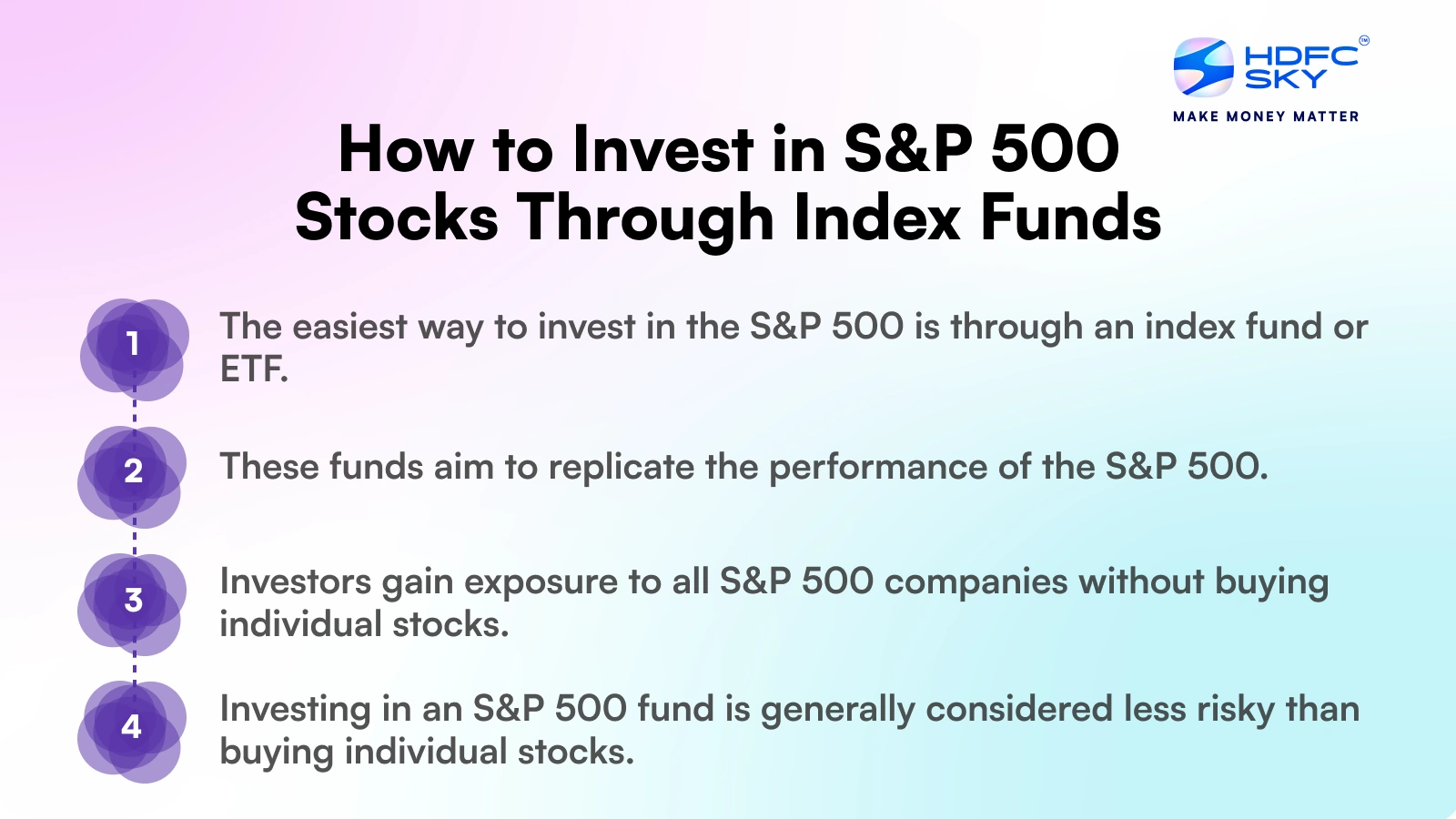
One of the most significant benefits of investing in the S&P 500 is instant diversification. By holding an S&P 500 index fund or ETF, you gain exposure to 500 different companies across numerous sectors. This inherent diversification significantly reduces the risk associated with investing in individual stocks. If one company or even an entire sector faces headwinds, the impact on your overall portfolio is cushioned by the performance of the other 499 companies. This “don’t put all your eggs in one basket” principle is built directly into the S&P 500, offering a level of safety that is difficult and costly to achieve through individual stock selection.
Consistent Long-Term Growth
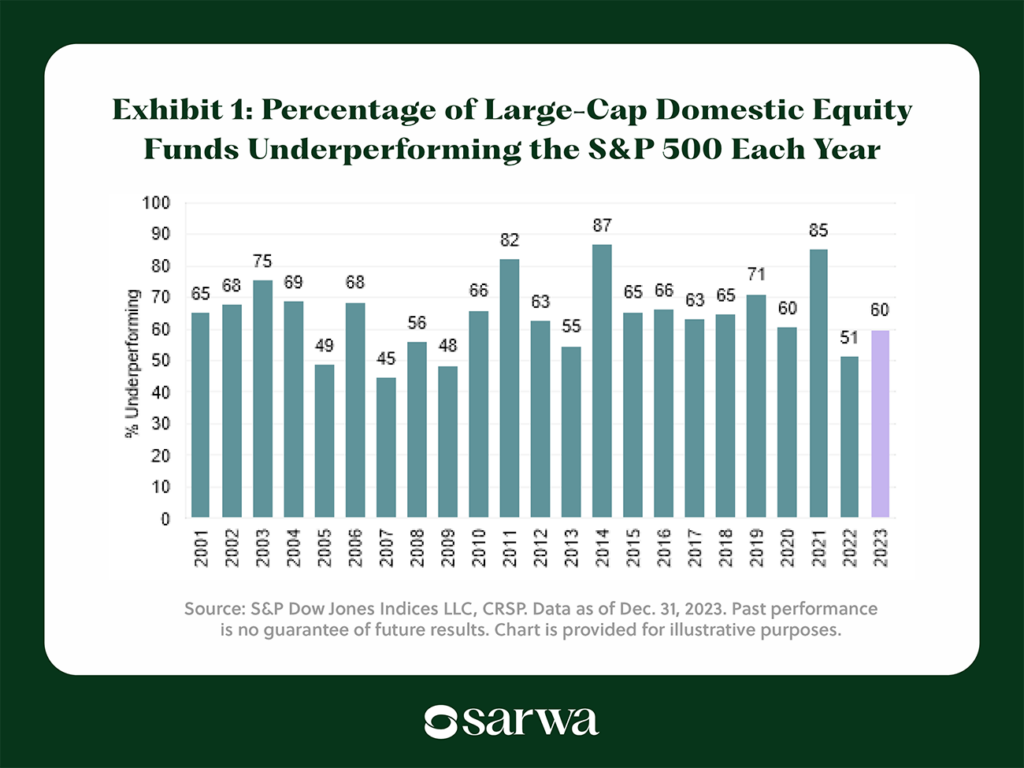
The S&P 500 has a proven track record of delivering substantial returns over the long term. Despite short-term fluctuations and market corrections, the index has consistently trended upwards over decades. This long-term growth is driven by the innovation, profitability, and expansion of the underlying American companies. Investing in the S&P 500 allows you to participate in this economic progress, benefiting from the power of compound interest where your earnings begin to earn returns themselves. For investors with a multi-year or multi-decade horizon, the S&P 500 offers a compelling path to significant wealth accumulation, often outperforming actively managed funds after fees.
Simplicity and Low Cost
Investing in the S&P 500 is remarkably simple and cost-effective. Unlike actively managed funds that employ teams of analysts and traders (and charge higher fees for it), S&P 500 index funds and ETFs are designed to merely track the index. This passive management strategy translates into significantly lower expense ratios, meaning more of your money stays invested and continues to grow. For investors seeking an efficient, hands-off approach to market participation, the S&P 500 offers a straightforward solution without the complexities and higher costs often associated with stock picking or actively managed investments. You don’t need to be a financial expert to understand or implement this strategy.
Economic Representation
Investing in the S&P 500 is, in essence, investing in the collective economic engine of the United States. The companies within the index are major employers, innovators, and drivers of economic growth, both domestically and internationally. As the U.S. economy grows and businesses expand, the S&P 500 tends to reflect that upward trajectory. This means that by investing in the S&P 500, you are aligning your financial future with the long-term success and dynamism of the American economy, offering a broad exposure that individual stock investments cannot typically match.
3. Practical Pathways to Investing in the S&P 500
Now that we understand the “what” and “why,” let’s delve into the practical “how” of investing in the S&P 500. While you can’t directly buy the S&P 500 index itself, several accessible and efficient financial products allow you to gain exposure to its performance.
Exchange-Traded Funds (ETFs)
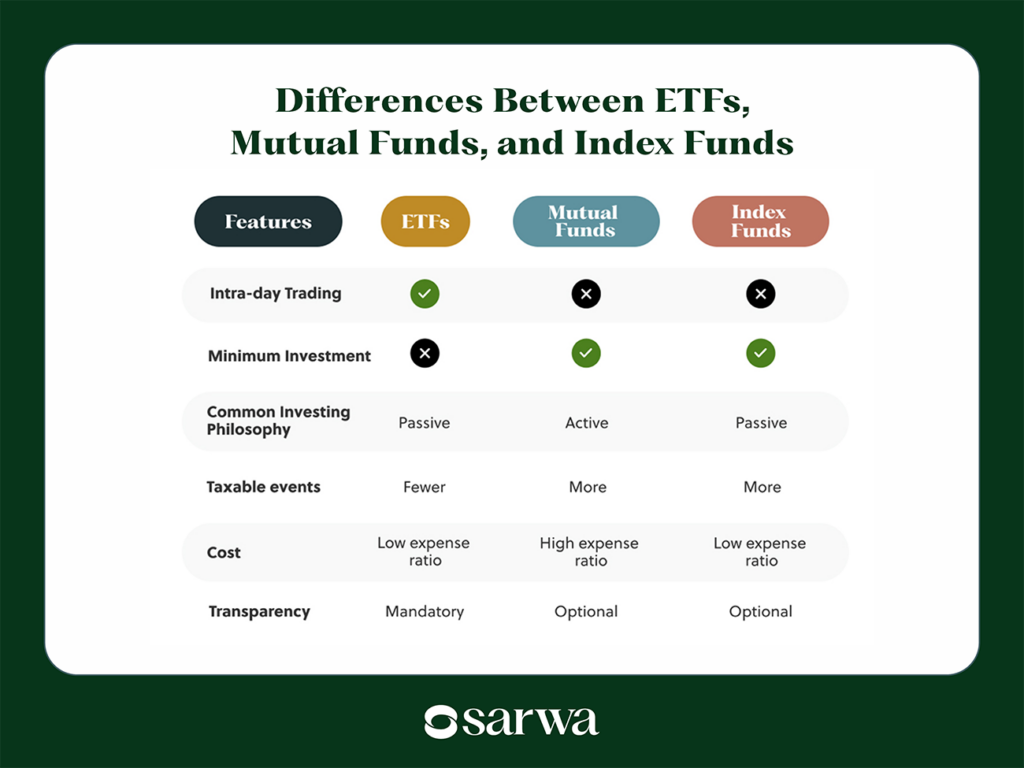
ETFs are perhaps the most popular and flexible way for individual investors to gain exposure to the S&P 500. An S&P 500 ETF is a type of fund that holds a basket of stocks designed to mirror the performance of the S&P 500 index. They trade like individual stocks on major exchanges throughout the day, offering liquidity and the ability to buy or sell at real-time market prices. Popular S&P 500 ETFs include SPY (SPDR S&P 500 ETF Trust), VOO (Vanguard S&P 500 ETF), and IVV (iShares Core S&P 500 ETF). They are known for their low expense ratios, which are annual fees charged as a percentage of your investment. Many brokerages now offer commission-free trading for ETFs, further reducing costs.
Mutual Funds (Index Funds)
S&P 500 index mutual funds offer another excellent avenue for investment. Similar to ETFs, these funds pool money from many investors to buy the underlying stocks of the S&P 500 index. The main difference is that mutual funds are typically bought and sold once per day, after the market closes, at their Net Asset Value (NAV). They are often a good choice for investors who prefer to set up automatic investments on a regular schedule without worrying about intraday price fluctuations. Vanguard, Fidelity, and Charles Schwab are well-known providers of low-cost S&P 500 index mutual funds, such as VFIAX (Vanguard 500 Index Fund Admiral Shares) or FXAIX (Fidelity 500 Index Fund). They generally require higher minimum initial investments compared to ETFs, though some have eliminated these minimums.
Robo-Advisors
For those who prefer a more automated and hands-off approach, robo-advisors offer a streamlined solution. Platforms like Betterment, Wealthfront, and Fidelity Go use algorithms to build and manage diversified portfolios based on your financial goals and risk tolerance. Many robo-advisor portfolios include S&P 500 ETFs or index funds as core components, alongside other asset classes like international stocks and bonds. They automatically rebalance your portfolio, reinvest dividends, and offer tax-loss harvesting, all for a relatively low management fee (typically 0.25% to 0.50% of assets under management). This can be an excellent option for beginners or those who want professional-grade portfolio management without the high costs of traditional financial advisors.
Individual Stocks (A Note of Caution)
While technically you could buy all 500 individual stocks that comprise the S&P 500, this approach is highly impractical for most investors due to the substantial capital required and the administrative complexity of managing such a diverse portfolio. More importantly, attempting to replicate the index by buying a few dozen of its largest components will not give you the same broad diversification or exact performance as an S&P 500 index fund or ETF. For almost all investors, using an index fund or ETF is the most efficient, cost-effective, and accurate way to invest in the S&P 500.
4. Essential Considerations Before You Invest
Investing in the S&P 500 is a powerful strategy, but it’s crucial to approach it with a clear understanding of its nuances and the broader financial landscape. Thoughtful consideration of these factors will help you maximize your potential returns and mitigate risks.
Understanding Risk vs. Reward
While the S&P 500 has a strong track record of long-term growth, it is not without risk. Stock market investments are subject to volatility, meaning their value can go up and down significantly in the short term. Economic downturns, geopolitical events, and company-specific news can all impact the index’s performance. It’s vital to recognize that your investment value can decrease, and there’s no guarantee of returns. The reward of potential high long-term returns comes with the inherent risk of market fluctuations. For this reason, S&P 500 investments are best suited for capital you won’t need for at least 5-10 years, allowing time to ride out market downturns and benefit from eventual recoveries.
The Importance of Expense Ratios
Expense ratios are the annual fees charged by funds (ETFs and mutual funds) as a percentage of your investment. Even seemingly small differences in expense ratios can have a significant impact on your long-term returns due to the power of compounding. For example, a fund with a 0.50% expense ratio will cost you five times more than a fund with a 0.10% expense ratio. Over decades, this difference can amount to tens of thousands of dollars in lost returns. Always prioritize S&P 500 funds with the lowest possible expense ratios to ensure more of your money stays invested and works for you. Vanguard, Fidelity, and iShares are known for their ultra-low-cost index funds and ETFs.
Dollar-Cost Averaging
Dollar-cost averaging (DCA) is a powerful investment strategy, especially for volatile assets like stocks. It involves investing a fixed amount of money at regular intervals (e.g., $100 every month), regardless of market fluctuations. This approach allows you to buy more shares when prices are low and fewer shares when prices are high, effectively averaging out your purchase price over time. DCA removes the emotional guesswork of trying to “time the market,” which is notoriously difficult to do consistently. By automating your investments into an S&P 500 fund, you can systematically build your position and mitigate the impact of short-term market volatility.
Tax Implications
The type of account you use to invest in the S&P 500 can significantly impact your tax liability. Investing within tax-advantaged accounts like a 401(k), Individual Retirement Account (IRA), or Roth IRA offers substantial tax benefits. Contributions to traditional 401(k)s and IRAs are often tax-deductible, and your investments grow tax-deferred until retirement. Roth IRAs allow for tax-free withdrawals in retirement, provided certain conditions are met. For investments made in taxable brokerage accounts, capital gains taxes apply when you sell your shares for a profit, and ordinary income tax applies to dividends. Understanding these differences and prioritizing tax-advantaged accounts for your long-term S&P 500 investments can significantly enhance your net returns over time.
Diversification Beyond the S&P 500
While the S&P 500 offers excellent internal diversification, it represents only one segment of the global financial market—large-cap U.S. stocks. For truly comprehensive diversification, consider complementing your S&P 500 holdings with other asset classes. This might include international stocks (developed and emerging markets) to capture global growth, bonds for stability and income, and potentially real estate or other alternative investments. A well-diversified portfolio that balances S&P 500 exposure with other assets can further reduce overall risk and potentially enhance returns by tapping into different market cycles and opportunities.
5. Crafting Your S&P 500 Investment Strategy for Long-Term Success
Investing in the S&P 500 is not a one-time event but a continuous journey that requires a thoughtful approach. By establishing clear goals and adhering to a disciplined strategy, you can harness the power of this index to achieve your financial aspirations.
Define Your Financial Goals
Before making any investment, clearly define what you are saving for. Are you investing for retirement, a down payment on a house, a child’s education, or simply long-term wealth building? Your financial goals will dictate your investment horizon (how long you plan to invest) and your risk tolerance. For long-term goals (10+ years), the S&P 500 is an excellent choice due to its historical growth. Shorter-term goals might require more conservative investments. Having clearly defined goals provides direction and helps you stay committed during market downturns.
Choose the Right Investment Vehicle
Based on your preferences and financial situation, select the most suitable way to invest in the S&P 500. For flexibility and intraday trading, ETFs like VOO or SPY are ideal. If you prefer automated, periodic investments and a slightly more hands-off approach, an S&P 500 index mutual fund (e.g., VFIAX) or a robo-advisor might be better. Consider factors like minimum investment requirements, expense ratios, and the ease of setting up recurring contributions. Many brokerages offer tools and resources to help you compare these options.
Automate Your Contributions
One of the most effective ways to build wealth with the S&P 500 is through consistent, automated contributions. Set up automatic transfers from your checking account to your investment account on a regular basis (e.g., weekly, bi-weekly, or monthly). This strategy aligns perfectly with dollar-cost averaging, ensuring you’re consistently investing regardless of market conditions and removing the temptation to time the market. Automation fosters discipline and helps you maintain your investment schedule even when life gets busy.
Regular Portfolio Review and Rebalancing
While S&P 500 investing is largely passive, it’s wise to review your overall portfolio annually. This check-up isn’t about timing the market, but rather ensuring your investments still align with your financial goals, risk tolerance, and asset allocation targets. If your S&P 500 allocation has grown significantly beyond your target percentage, you might consider rebalancing by selling a portion and investing in underperforming asset classes, or vice-versa. Rebalancing helps maintain your desired risk profile and keeps your portfolio diversified according to your original plan.
The Power of Patience and Discipline
Perhaps the most crucial aspect of successful S&P 500 investing is patience and discipline. The stock market will inevitably experience ups and downs. During downturns, it can be tempting to panic and sell, locking in losses. However, history shows that those who remain disciplined, continue investing, and stay patient through market volatility are the ones who ultimately reap the rewards of long-term compounding. Avoid making emotional decisions, stick to your long-term strategy, and trust in the historical resilience and growth of the S&P 500.
By understanding what the S&P 500 is, why it’s a valuable investment, how to access it, and the important considerations involved, you are well-equipped to embark on a journey of wealth building. This pillar of the U.S. stock market offers a robust, diversified, and cost-effective path toward achieving your financial objectives.
aViewFromTheCave is a participant in the Amazon Services LLC Associates Program, an affiliate advertising program designed to provide a means for sites to earn advertising fees by advertising and linking to Amazon.com. Amazon, the Amazon logo, AmazonSupply, and the AmazonSupply logo are trademarks of Amazon.com, Inc. or its affiliates. As an Amazon Associate we earn affiliate commissions from qualifying purchases.