
The digital landscape is in a constant state of flux, driven by an insatiable demand for faster, more reliable, and richer online experiences. For years, the debate has raged between the expansive reach of the web and the immersive power of native mobile applications. Users cherished the discoverability and low friction of websites, while developers lauded the performance and deep device integration of native apps. Progressive Web Applications (PWAs) emerged as a groundbreaking solution designed to bridge this chasm, offering a compelling blend of the best attributes from both worlds.
PWAs represent a new generation of web applications that leverage modern browser capabilities to deliver an app-like experience directly within a web browser. They are not merely responsive websites; rather, they are a set of development patterns and technologies that enable websites to be “installed” on a user’s device, function offline, send push notifications, and access hardware features traditionally reserved for native applications. In essence, PWAs provide a fast, reliable, and engaging user experience that feels indistinguishable from a native app, all while maintaining the fundamental accessibility and updatability of the web. This paradigm shift is not just about convenience; it’s about redefining how we interact with digital services, making them more resilient, performative, and user-centric.
The Evolution of Web Experiences: Understanding PWAs
The journey to PWAs began with the recognition of inherent limitations in both traditional websites and native applications. Websites, while universally accessible, often suffered from poor performance on unstable networks and lacked the immersive features users expected from their mobile devices. Native apps, on the other hand, offered superior performance and functionality but came with significant hurdles: download barriers, app store approval processes, and the need to develop and maintain separate codebases for different platforms (iOS, Android, desktop).
Bridging the Gap: Web vs. Native Apps
Before PWAs, businesses and developers faced a difficult choice: invest in a website for broad reach but potentially compromise on user experience, or build expensive native apps for specific platforms that might alienate users unwilling to download them. This created a fragmented user experience, often forcing users to toggle between a lightweight web version and a feature-rich native app, leading to inconsistencies and frustration. PWAs offer a third path, aiming to combine the best aspects of both. They seek to bring the speed, responsiveness, and rich features of native apps to the open, discoverable, and linkable web. This fusion allows for a seamless transition between a casual web browsing experience and a deeply integrated application experience, all without leaving the browser.
The Core Philosophy Behind Progressive Design
The term “progressive” in PWA is critical. It refers to the principle of “progressive enhancement,” a strategy for web design that emphasizes universal accessibility and graceful degradation. In the context of PWAs, this means that the application should function for every user, regardless of their browser choice, device capabilities, or network conditions. If a browser supports advanced PWA features like service workers for offline caching, the user gets an enhanced experience. If not, they still receive a functional, albeit simpler, version of the website. This ensures that the application is always accessible and usable, progressively adding features and capabilities as the underlying technology allows. It’s about building for resilience first and then layering on advanced functionalities for an optimized experience.
Defining Characteristics: What Makes an App “Progressive”?
For an application to be considered a PWA, it must adhere to a set of core principles that collectively deliver its unique value proposition. These characteristics are not merely features; they are foundational elements that enable the app-like experience and user benefits.
Reliable: Offline Capabilities with Service Workers
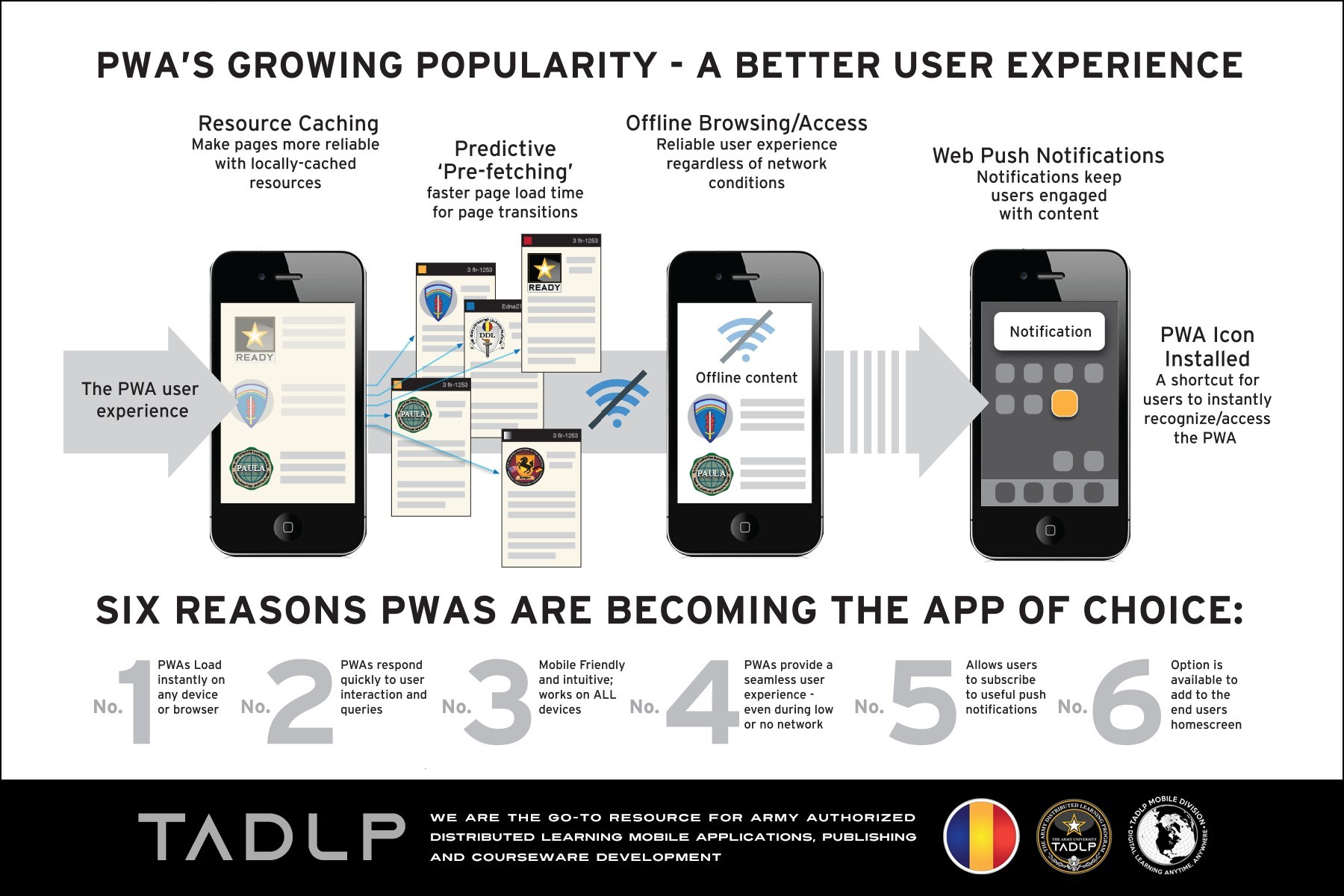
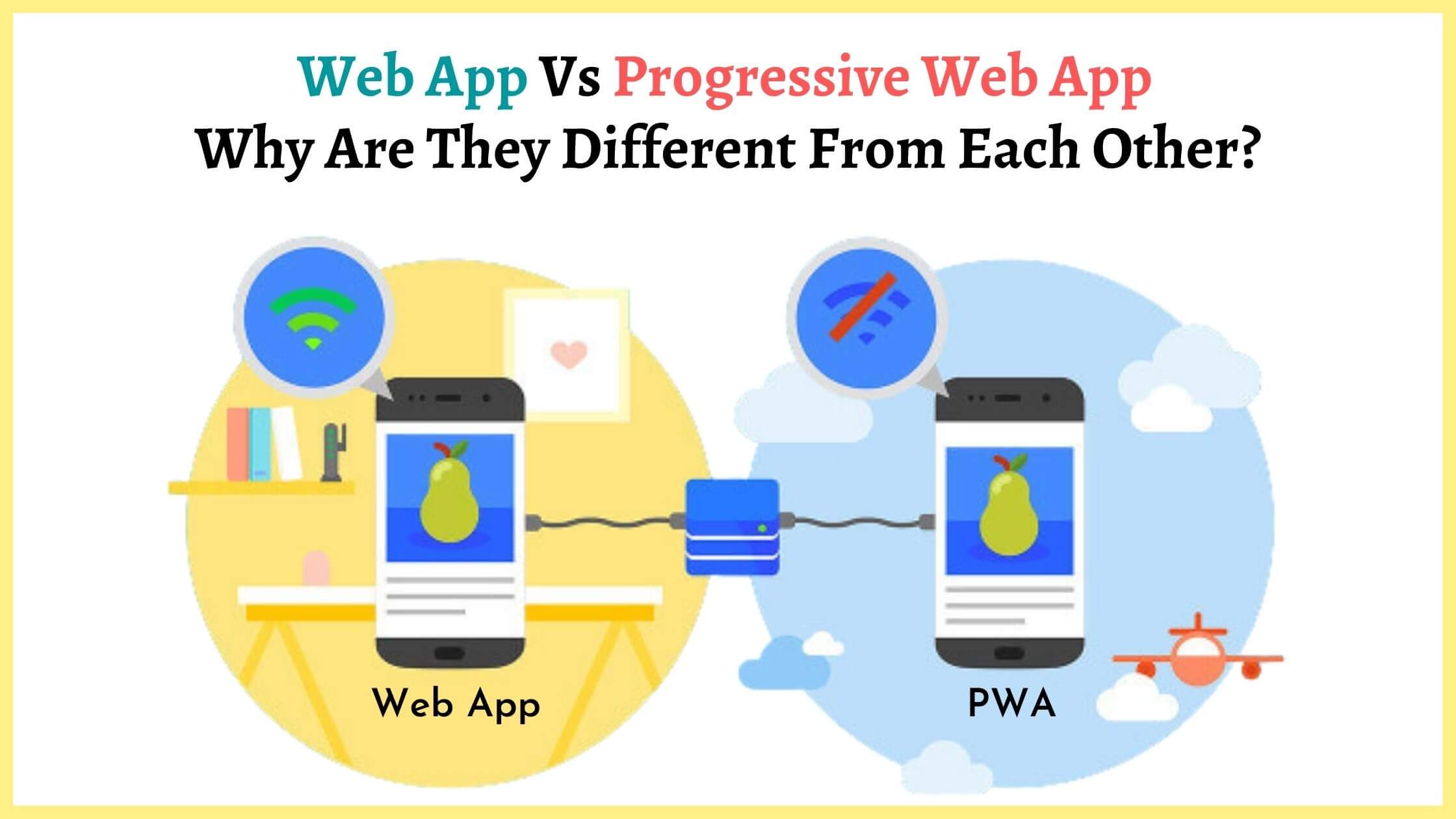
One of the most transformative features of PWAs is their ability to work offline or on unreliable networks. This is primarily achieved through Service Workers, a powerful JavaScript API that acts as a programmable network proxy. Service workers sit between your browser and the network, intercepting network requests and allowing developers to programmatically cache assets and data. This means that even if a user loses their internet connection, the PWA can still load previously cached content, provide basic functionality, or display custom offline pages, preventing the dreaded “dinosaur game” scenario and ensuring a continuous user experience.
Fast: Instant Loading and Smooth Interactions
Speed is paramount in the digital age. Users expect instantaneous responses, and slow loading times are a major deterrent. PWAs are designed for speed, utilizing techniques like caching with service workers to load content instantly. Once assets are cached, subsequent visits are lightning-fast. Furthermore, PWAs prioritize performance through efficient code, optimized asset delivery, and responsive design, leading to smooth animations, quick transitions, and a generally fluid user interface that rivals native applications.
Engaging: App-Like Experience and Push Notifications
PWAs strive to provide an immersive and engaging user experience that mirrors native apps. This includes the ability to send push notifications, a powerful tool for re-engaging users, delivering timely updates, and personalizing interactions. Unlike traditional web notifications, PWA push notifications can be delivered even when the browser tab is closed, making them highly effective for driving user retention and direct communication. The overall look and feel, from splash screens to full-screen display, contribute to this app-like engagement.
Installable: Home Screen Access and Standalone Windows
A key differentiator for PWAs is their “installability.” Users can add a PWA directly to their device’s home screen, just like a native app, without going through an app store. Once installed, the PWA can launch from an icon, often running in a standalone window without the browser’s address bar or navigation elements, providing a truly dedicated app experience. This reduces friction for users, as there’s no download process from an app store, and gives businesses a direct channel to their users.
Progressive Enhancement: Reaching Every User
As mentioned, the “progressive” aspect ensures that the PWA works for everyone, regardless of their browser or device. Basic functionality is available on all browsers, and enhanced features (like offline mode or push notifications) are added if the user’s browser supports them. This approach guarantees broad accessibility while simultaneously offering a superior experience for users with modern browsers and devices.
The Business Imperative: Why Companies Are Adopting PWAs
The technical advantages of PWAs translate directly into significant business benefits, driving their adoption across various industries, from e-commerce to social media. Companies are increasingly recognizing PWAs not just as a technology trend but as a strategic asset for growth and user engagement.
Enhanced User Engagement and Retention
By offering fast loading times, offline capabilities, and push notifications, PWAs dramatically improve the user experience. This leads to higher user engagement, longer session durations, and reduced bounce rates. The ability to send targeted notifications keeps users informed and encourages repeat visits, fostering loyalty and driving retention far more effectively than a standard website. Many case studies show a direct correlation between PWA adoption and increased user interaction metrics.
Simplified Development and Maintenance
Developing and maintaining separate native applications for iOS and Android, alongside a responsive website, is resource-intensive and costly. PWAs offer a single codebase that can be deployed across multiple platforms and device types. This unification significantly reduces development time, effort, and costs associated with building and maintaining distinct applications. Updates can be pushed directly to the web, bypassing app store approval processes and ensuring all users always have the latest version.
Broader Reach and Improved SEO
Unlike native apps confined to app stores, PWAs are discoverable via search engines, just like any other website. This inherent web accessibility means better Search Engine Optimization (SEO) potential, allowing businesses to reach a wider audience organically. The installability feature offers an additional layer of reach, as users can quickly add the PWA to their home screen, bypassing the typical app store discovery funnel. This blend of web discoverability and app installability creates a powerful marketing channel.
Cost-Effectiveness and Faster Time-to-Market
The consolidated development effort of PWAs translates into substantial cost savings. Businesses no longer need to allocate budget for multiple development teams or endure lengthy app store submission cycles. This efficiency also results in a faster time-to-market for new features and products. Rapid iteration and deployment become possible, allowing companies to respond quickly to market demands and gain a competitive edge.
Under the Hood: The Technologies Powering PWAs
Understanding the core technologies that underpin PWAs is crucial to appreciating their power and versatility. These components work in harmony to deliver the enhanced user experience.
Service Workers: The Heart of Offline Functionality
Service Workers are central to the PWA experience. They are JavaScript files that run in the background, separate from the main browser thread. This background operation allows them to intercept network requests, cache resources, manage push notifications, and even synchronize data in the background. Service workers act as a programmable proxy, giving developers fine-grained control over network requests and enabling the PWA’s reliable offline and performance characteristics.
Web App Manifest: Describing the App’s Identity
The Web App Manifest is a simple JSON file that provides information about the application, such as its name, icon (for the home screen), start URL, display mode (e.g., standalone, fullscreen), and theme colors. This manifest file is what enables the PWA to be “installed” on the home screen, to display a splash screen upon launch, and to run in an app-like window without the browser UI. It essentially tells the operating system how the PWA should behave and appear as an application.
HTTPS: Ensuring Security and Trust
Security is non-negotiable for PWAs. All PWAs must be served over HTTPS (Hypertext Transfer Protocol Secure). This ensures that all communication between the user’s browser and the server is encrypted, protecting data integrity and privacy. The secure context is also a prerequisite for many advanced web features, including service workers and push notifications, reinforcing trust and safeguarding user information.
Application Shell Architecture: Prioritizing Content
Many PWAs employ an “Application Shell” architecture. This involves separating the application’s core UI (the “shell”) from its dynamic content. The shell, which includes elements like headers, footers, navigation, and persistent UI components, is cached by the service worker. This allows the shell to load almost instantly on subsequent visits, providing immediate feedback to the user while the dynamic content is fetched in the background. This architecture significantly contributes to the PWA’s perceived speed and responsiveness.
The Future Landscape: PWAs in a Multi-Platform World
The trajectory of Progressive Web Applications suggests an increasingly prominent role in the digital ecosystem. As browser capabilities continue to evolve and user expectations for seamless experiences intensify, PWAs are poised to become a standard for web development.
Expanding Browser and OS Support
While initial PWA adoption was heavily driven by Chrome and Android, support has broadened significantly. Safari on iOS and iPadOS now offers robust PWA capabilities, including home screen installation and full-screen modes. Microsoft Edge and other Chromium-based browsers also provide comprehensive PWA support, including desktop installation. This growing cross-browser and cross-platform compatibility ensures that PWAs can deliver a consistent, high-quality experience to an ever-wider audience, truly embodying their “progressive” nature.
A Complement, Not a Replacement
It’s important to view PWAs not as a wholesale replacement for native applications, but rather as a powerful complement. For applications requiring deep hardware integration (e.g., advanced gaming, augmented reality, complex photo/video editing) or highly specialized offline database management, native apps may still be the preferred choice. However, for a vast majority of use cases—especially in e-commerce, content delivery, social networking, and utility apps—PWAs offer a compelling alternative that can deliver 90% of the native app experience with significantly less friction and cost. They serve as an excellent first point of contact and can convert casual web users into engaged app users without the download barrier.
The Blurring Lines Between Web and Native
As PWAs gain more capabilities, the distinction between what constitutes a “web app” and a “native app” will continue to blur. With features like file system access, Web Share API, Web Bluetooth, and more becoming available to the web, the gap in functionality is shrinking. This convergence signifies a future where users may not even distinguish between the two, simply interacting with “applications” that live both on the web and on their devices, accessible and performant wherever they are. This unified vision of application delivery holds immense promise for both users seeking convenience and developers striving for efficiency.
In conclusion, Progressive Web Applications represent a pivotal advancement in web technology. By harnessing modern browser features, they empower developers to create web experiences that are reliable, fast, and engaging, rivaling the performance and utility of native applications. For businesses, PWAs offer a strategic advantage in terms of development efficiency, cost savings, broader reach, and enhanced user engagement. As the digital world continues to prioritize seamless, high-performance interactions, PWAs are set to play an increasingly central role in shaping the future of how we build and consume digital services.
aViewFromTheCave is a participant in the Amazon Services LLC Associates Program, an affiliate advertising program designed to provide a means for sites to earn advertising fees by advertising and linking to Amazon.com. Amazon, the Amazon logo, AmazonSupply, and the AmazonSupply logo are trademarks of Amazon.com, Inc. or its affiliates. As an Amazon Associate we earn affiliate commissions from qualifying purchases.