
In an era defined by rapid change, heightened social consciousness, and an increasingly interconnected global marketplace, the concept of “progress” has moved beyond philosophical discourse to become a strategic imperative for brands. No longer a mere buzzword or a fleeting trend, being progressive is now a foundational element of enduring brand strategy, personal branding, and corporate identity. But what does it truly mean to be progressive in the nuanced landscape of modern branding, and why is this understanding critical for survival and success?
To be progressive as a brand is to embody a forward-thinking mindset, actively embracing evolution, innovation, and positive societal impact as core tenets of one’s identity. It signifies a commitment to moving beyond the status quo, challenging conventions, and proactively shaping a better future – not just for the bottom line, but for all stakeholders. This isn’t about jumping on every trendy bandwagon; rather, it’s about deep-seated values, adaptive strategies, and a genuine commitment to growth and responsibility.
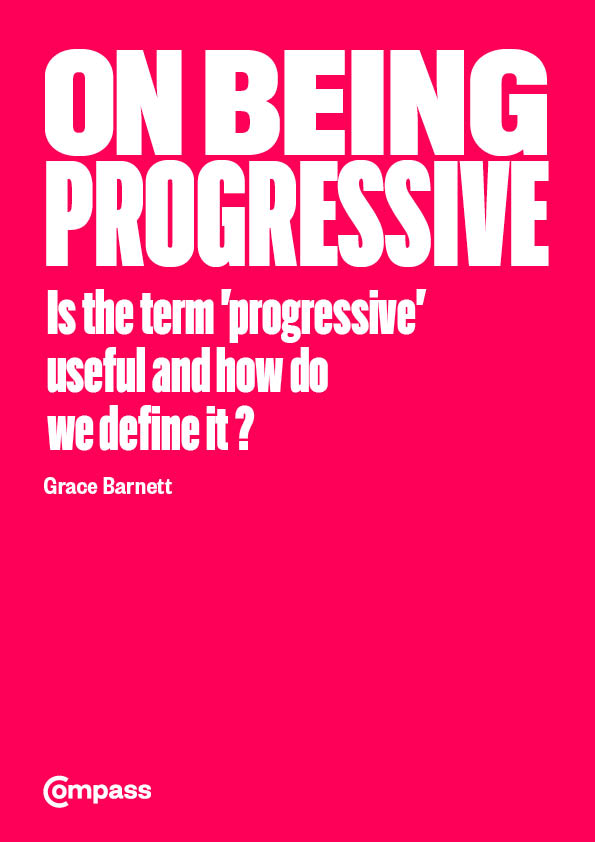
For businesses, a progressive brand strategy means anticipating shifts in consumer values, championing diversity and inclusion, adopting sustainable practices, and engaging in authentic dialogue. For individuals cultivating a personal brand, it translates into continuous learning, advocating for meaningful change, and adapting one’s professional narrative to reflect evolving skills and societal needs. In essence, progressivism is the strategic backbone for relevance, resilience, and genuine influence in the 21st century.
The Evolving Landscape of Brand Progressivism
The journey of brand progressivism is not linear; it’s a dynamic evolution that reflects the intricate interplay between societal shifts, technological advancements, and consumer expectations. What was considered progressive a decade ago might now be table stakes, highlighting the need for continuous introspection and adaptation.
From Static Logos to Dynamic Identities
Historically, brand identity was often perceived as a fixed entity – a logo, a tagline, a consistent color palette – designed for longevity and unwavering recognition. While consistency remains important, the essence of a modern progressive brand lies in its dynamic nature. It’s an identity that isn’t afraid to evolve, to adapt its visual language, its messaging, and even its core offerings to resonate with contemporary audiences and challenges. This doesn’t imply a complete overhaul every few years but rather a strategic responsiveness that allows the brand to remain current, authentic, and culturally relevant.
Consider brands that have successfully refreshed their identities not just cosmetically, but by embedding new values or expanding their purpose. This dynamic approach signals agility and a willingness to engage with the present, rather than clinging to a past that may no longer serve its audience. It’s about maintaining a recognizable core while allowing the outer layers to adapt and reflect growth, much like a living organism.
Beyond CSR: Authentic Purpose and Impact
Corporate Social Responsibility (CSR) programs were once the hallmark of progressive businesses, signaling a company’s commitment to giving back. While valuable, modern progressivism demands more than segregated initiatives; it requires purpose to be woven into the very fabric of the brand’s existence. This means that environmental stewardship, social equity, and ethical governance are not optional add-ons but fundamental aspects of operations, product development, marketing, and corporate culture.
Authentic purpose goes beyond mere philanthropy; it’s about a brand understanding its role in society and actively contributing to solutions for global challenges. Consumers, particularly younger generations, are increasingly discerning, capable of detecting “purpose-washing” or superficial gestures. A truly progressive brand integrates its values so deeply that its impact becomes an inseparable part of its market offering and public identity, generating genuine trust and loyalty.
Core Pillars of a Progressive Brand
Building a progressive brand requires more than good intentions; it demands a structured approach grounded in specific, actionable pillars. These pillars form the strategic framework for any entity—corporate or personal—aiming to cultivate a forward-thinking and impactful identity.
Empathy and Inclusivity at the Forefront
At the heart of progressivism lies a profound sense of empathy – the ability to understand and share the feelings of others. For brands, this translates into designing products, services, and marketing campaigns with a deep understanding of diverse human experiences. Inclusivity is the natural extension of empathy, ensuring that all voices are heard, represented, and valued. This means actively challenging biases, promoting diversity within leadership and workforce, and creating accessible experiences for everyone.
A progressive brand doesn’t just talk about diversity; it embodies it. It reflects the rich tapestry of its audience in its advertising, its internal culture, and its partnerships. This commitment builds stronger connections, fosters loyalty, and broadens market appeal by making everyone feel seen, respected, and understood.
Adaptability and Future-Readiness
The world is in a constant state of flux. Technological breakthroughs, geopolitical shifts, and evolving consumer behaviors mean that stagnation is a death knell for any brand. A progressive brand is inherently adaptable, viewing change not as a threat but as an opportunity for innovation and growth. This requires a culture of continuous learning, strategic foresight, and a willingness to pivot when necessary.
Future-readiness involves investing in research and development, monitoring emerging trends, and fostering an agile organizational structure that can respond swiftly and effectively. It means questioning established norms, embracing experimentation, and being prepared to lead the charge into uncharted territories, rather than merely reacting to external pressures.
Transparency and Ethical Foundations
In an age of information overload and often-skeptical consumers, transparency has become a non-negotiable aspect of brand trust. Progressive brands operate with openness, providing clear and honest communication about their practices, supply chains, ingredients, data policies, and even their challenges. This level of candor builds credibility and fosters a sense of authenticity that resonates deeply with conscious consumers.
Beyond transparency, a progressive brand is built on unshakeable ethical foundations. This encompasses fair labor practices, responsible sourcing, data privacy, and a commitment to honest marketing. Ethics are not a departmental concern but a guiding principle that permeates every decision and interaction, reinforcing the brand’s integrity and long-term viability.
Cultivating a Progressive Personal Brand

While the principles of progressivism apply broadly to corporate entities, they are equally vital for individuals navigating the modern professional landscape. A progressive personal brand is a dynamic, evolving reflection of one’s professional identity, values, and contributions.
Continuous Learning and Skill Evolution
The concept of a static career path is increasingly obsolete. A progressive personal brand is characterized by a relentless pursuit of knowledge and skill development. This means embracing lifelong learning, seeking out new certifications, mastering emerging technologies, and staying abreast of industry trends. It’s about understanding that professional relevance is a journey, not a destination. By continuously evolving one’s skill set, an individual remains competitive, adaptable, and valuable in an ever-changing job market. This also demonstrates initiative and a commitment to excellence, key traits for any leader or innovator.
Amplifying Your Authentic Voice
In a crowded digital space, authenticity is a powerful differentiator. A progressive personal brand is built on a foundation of genuine self-expression. It’s about understanding your unique strengths, passions, and values, and then articulating them clearly and consistently across all professional platforms. This authenticity breeds trust and allows others to connect with you on a deeper level. Amplifying your authentic voice also means taking a stand on issues you genuinely care about, contributing meaningfully to discussions, and sharing insights that reflect your true expertise and perspective, rather than just echoing popular opinions. It’s about being a thought leader, not just a follower.
Networking with Purpose
Networking for a progressive personal brand moves beyond transactional exchanges of business cards. It’s about building genuine relationships, fostering collaboration, and creating a supportive ecosystem. This means seeking out mentors and mentees, engaging with diverse professionals, and actively participating in communities that align with your values and professional goals. Progressive networking is about contributing value to your connections, offering support, and seeking opportunities for mutual growth. It’s about building a reputation not just as a skilled professional, but as a thoughtful collaborator and community builder, enhancing your reach and influence.
Measuring the Impact of Progressive Branding
The investment in progressive branding is not merely an ideological pursuit; it yields tangible and significant benefits that can be measured across various business metrics. Embracing a progressive ethos transforms how a brand is perceived, its market position, and its long-term viability.
Brand Equity and Consumer Loyalty
A progressive brand consistently demonstrates its commitment to values that resonate with modern consumers. This builds a powerful emotional connection, leading to increased brand equity – the commercial value derived from consumer perception. Consumers are increasingly willing to pay a premium for brands they trust, respect, and feel aligned with ethically. This translates into stronger consumer loyalty, reduced churn, and a dedicated customer base that acts as advocates for the brand. In a competitive market, this loyalty is an invaluable asset, safeguarding against economic downturns and aggressive competition.
Attracting Top Talent
In today’s competitive job market, an organization’s brand extends far beyond its products and services; it encompasses its identity as an employer. Progressive brands, with their focus on diversity, ethical practices, work-life balance, and meaningful purpose, become magnets for top talent. Skilled professionals, particularly younger generations, are no longer solely driven by salary; they seek environments where their values are respected, where they can contribute to something larger than themselves, and where they feel a sense of belonging and growth. A strong, progressive employer brand reduces recruitment costs, increases employee retention, and cultivates a highly motivated and productive workforce.
Market Leadership and Innovation
Progressive brands are, by their very nature, innovators. Their adaptability and future-readiness drive them to explore new technologies, embrace sustainable practices, and anticipate market shifts. This proactive approach often positions them as market leaders, setting trends rather than following them. By consistently challenging the status quo and integrating forward-thinking strategies into their core operations, these brands not only stay relevant but often define the new benchmarks for their industries. This leadership fosters a reputation for ingenuity, attracting partnerships, investment, and continued growth opportunities.
Challenges and Misconceptions
While the benefits of progressive branding are clear, the path is not without its hurdles. Navigating the complexities requires careful consideration and a genuine commitment to the core principles.
Avoiding “Woke-Washing”
One of the significant challenges is the risk of “woke-washing,” where brands superficially adopt progressive language or symbols without genuine commitment to the underlying values. Consumers are increasingly adept at spotting inauthenticity. A brand that claims to be inclusive or environmentally conscious but fails to demonstrate this through its internal practices, supply chain, or product lifecycle will face a severe backlash, damaging trust and reputation. Genuine progressivism requires deep integration, not just surface-level marketing.
The Long Game of Transformation
Becoming a truly progressive brand is not an overnight transformation; it’s a continuous journey that requires patience, persistent effort, and a willingness to evolve. It involves deep organizational change, shifting mindsets, and sometimes making difficult decisions that prioritize long-term impact over short-term gains. Brands must be prepared for the marathon, understanding that true progress takes time to embed, mature, and yield its fullest rewards.

Conclusion
To be progressive for your brand, whether corporate or personal, is to embrace a dynamic, empathetic, and responsible approach to identity and influence. It’s about moving beyond static perceptions to cultivate a living, breathing entity that constantly adapts, innovates, and contributes positively to the world. From integrating authentic purpose and fostering inclusivity to committing to transparency and continuous learning, the tenets of progressivism are no longer optional extras but foundational pillars for building resilient, relevant, and respected brands.
In an increasingly conscious and connected world, the question is no longer if your brand should be progressive, but how deeply and genuinely it embodies this ethos. By committing to this path, brands can forge stronger connections, attract the best talent, achieve market leadership, and ultimately build a legacy that transcends mere commercial success. The future belongs to the progressive.
aViewFromTheCave is a participant in the Amazon Services LLC Associates Program, an affiliate advertising program designed to provide a means for sites to earn advertising fees by advertising and linking to Amazon.com. Amazon, the Amazon logo, AmazonSupply, and the AmazonSupply logo are trademarks of Amazon.com, Inc. or its affiliates. As an Amazon Associate we earn affiliate commissions from qualifying purchases.