
Navigating the labyrinthine world of car insurance can feel like an unending quest, particularly when the goal is to pinpoint the absolute lowest rates. The truth, often frustrating for consumers, is that there isn’t a single insurer or a magic formula that guarantees the cheapest premiums for everyone. Car insurance rates are highly personalized, a complex mosaic woven from dozens of individual factors that vary from one person to the next, and even from one policy period to another. This article delves deep into the mechanisms that dictate car insurance costs, offering insights and actionable strategies to help you uncover the most affordable coverage tailored to your unique circumstances, ensuring you manage your personal finances effectively without compromising on essential protection.
Understanding the Driving Factors Behind Car Insurance Costs
Before embarking on the hunt for the lowest rates, it’s crucial to understand the variables that insurance companies scrutinize when calculating your premium. These factors help insurers assess the level of risk you pose, directly influencing the price you pay. Mastering this understanding is the first step towards taking control of your insurance expenses.
Your Personal Profile: A Snapshot of Risk
Insurers begin by analyzing demographic and financial information about you.
-
Age and Gender: Younger, less experienced drivers, particularly males, typically face higher premiums due to statistical data linking them to a greater likelihood of accidents. Rates tend to stabilize and often decrease for drivers in their 30s through 60s, before potentially rising again in advanced age.
-
Marital Status: Married individuals often receive lower rates, as data suggests they are generally safer drivers and file fewer claims.
-
Credit Score (in most states): Your credit-based insurance score is a significant determinant. Insurers correlate higher credit scores with a lower propensity to file claims. Improving your credit score can, therefore, be a powerful financial tool for reducing insurance costs.
-
Occupation and Education Level: Some insurers offer discounts based on certain professions (e.g., teachers, engineers, first responders) or higher education levels, assuming these groups demonstrate more responsible behavior.
Your Driving Record: A History of Responsibility
Your history behind the wheel is arguably the most impactful factor. Insurers look at your driving record as a direct indicator of future risk.
-
Accidents and Claims History: A history of at-fault accidents or frequent claims will almost certainly lead to higher premiums. The recency and severity of these incidents play a critical role.
-
Traffic Violations: Speeding tickets, DUIs, reckless driving charges, or other moving violations significantly increase your risk profile and, consequently, your rates. A clean driving record for several years is invaluable for securing lower prices.
-
Driving Experience: Newer drivers, regardless of age, usually pay more until they establish a history of safe driving.
Your Vehicle Type: The Asset Under Protection
The car you drive directly affects how much an insurer might have to pay out in a claim.
-
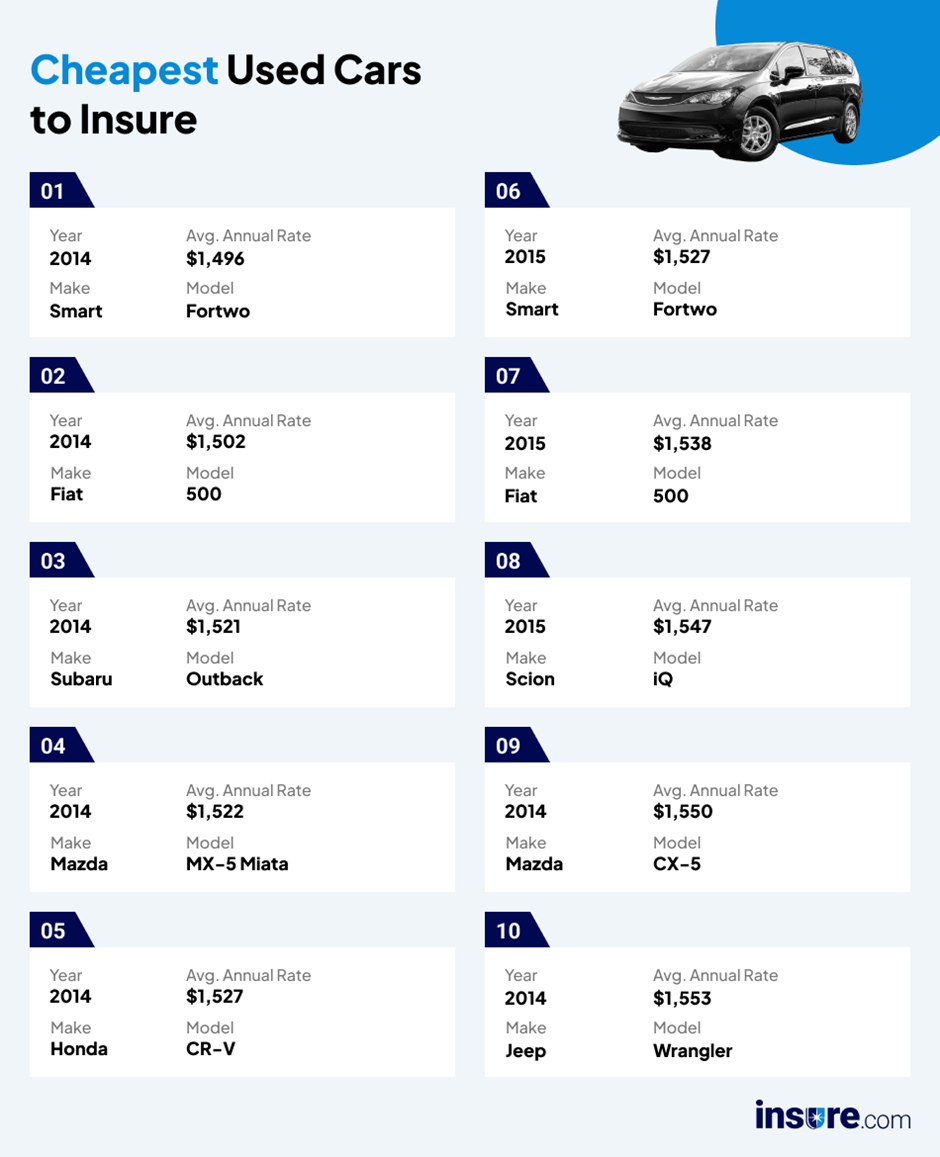
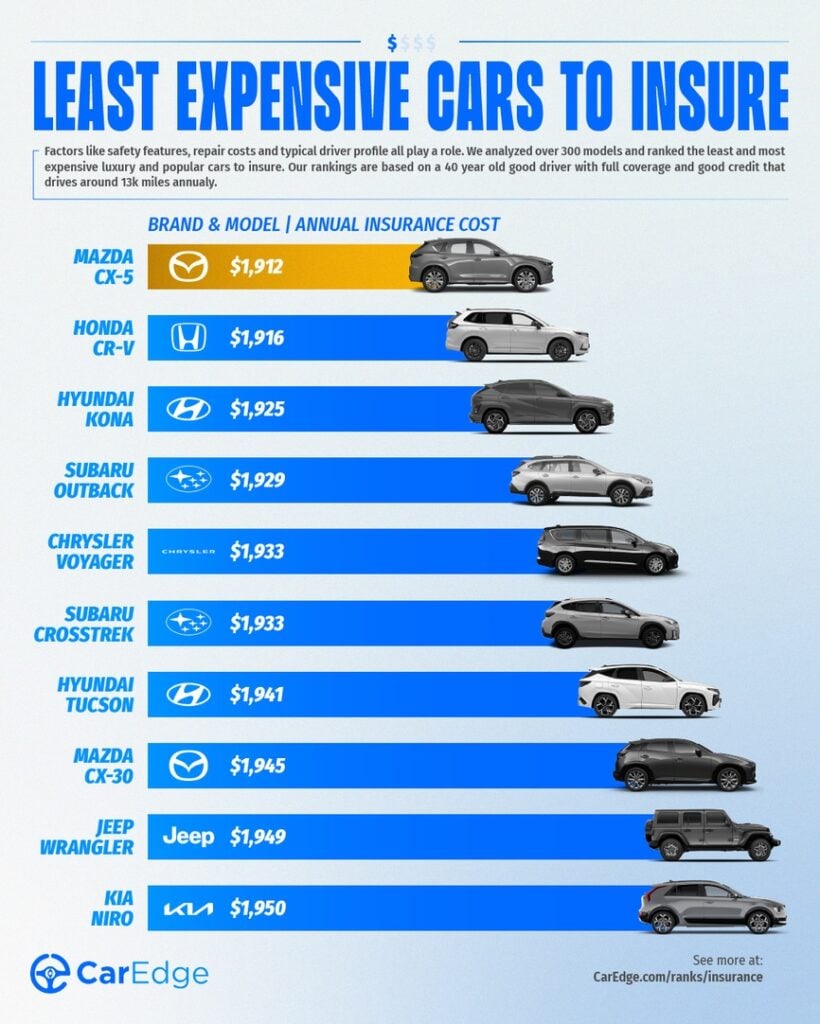
Make, Model, and Year: Luxury cars, sports cars, and high-performance vehicles typically have higher premiums due to their higher repair costs, greater likelihood of theft, and increased risk of speeding. Conversely, older, more standard models with good safety ratings often cost less to insure.
-
Safety Features: Modern safety technologies like automatic emergency braking, lane-keeping assist, and anti-lock brakes can qualify you for discounts, as they reduce the likelihood and severity of accidents.
-
Anti-Theft Devices: Alarms, immobilizers, and GPS tracking systems can also lead to discounts, as they deter theft and aid in recovery.
Location, Location, Location: Where Your Car Rests and Drives
Your geographical location profoundly impacts your rates due to varying risks.
-
Urban vs. Rural: Drivers in densely populated urban areas often pay more due to higher traffic congestion, increased accident rates, and greater risk of theft or vandalism compared to those in rural areas.
-
Zip Code-Specific Risks: Even within the same city, different zip codes can have vastly different rates based on local crime rates, accident statistics, and even the frequency of natural disasters.
-
Commute Distance: The more miles you drive annually, especially during peak traffic hours, the higher your chances of being in an accident, leading to higher premiums.
Top Strategies for Unearthing Lower Premiums
Finding the lowest car insurance rates isn’t about luck; it’s about strategic action and informed decision-making. By actively implementing these strategies, you can significantly reduce your financial outflow towards car insurance.
Shop Around Aggressively: The Power of Comparison
This is arguably the most effective strategy. Rates for the exact same coverage can vary by hundreds, even thousands, of dollars between different insurers.
-
Utilize Online Comparison Sites: Websites like Policygenius, The Zebra, or Bankrate allow you to input your information once and receive multiple quotes simultaneously, saving considerable time.
-
Contact Independent Agents: Independent insurance agents work with several different insurance companies. They can often do the shopping for you, finding the best rates and coverage options across various providers.
-
Get Quotes from Direct Carriers: Don’t forget to check major direct insurers (like GEICO, Progressive, State Farm, Allstate, etc.) directly, as their online quoting systems can offer competitive prices. Aim to get at least 3-5 quotes every 6-12 months or whenever your policy is up for renewal.
Bundle Policies: Maximize Multi-Policy Discounts
Most insurance companies offer significant discounts if you purchase multiple policies from them.
-
Homeowners/Renters and Auto: Bundling your car insurance with your home or renters insurance is a classic way to save, often netting discounts of 10-20% on your total premium.
-
Life Insurance and Auto: Some insurers also offer discounts if you purchase a life insurance policy through them. Always inquire about all available bundling options.
Maximize Discounts: Unlock Hidden Savings
Insurance companies offer a plethora of discounts; it’s your job to find and claim them.
-
Good Student Discount: High school or college students who maintain a certain GPA (e.g., B average or 3.0) can often qualify.
-
Low Mileage Discount: If you don’t drive much, some insurers offer discounts. This is particularly relevant for those who work from home or use public transportation.
-
Defensive Driving Course Discount: Completing an approved defensive driving course can sometimes reduce your rates, especially for older drivers or those with minor violations.
-
Telematics/Usage-Based Insurance: Programs like Snapshot (Progressive) or Drivewise (Allstate) monitor your driving habits (speed, braking, mileage, time of day) via an app or device. Safe drivers can earn significant discounts.
-
Anti-Theft Device Discount: As mentioned, features like alarms or GPS trackers can reduce premiums.
-
Payment Discounts: Paying your premium in full, opting for automatic payments, or receiving electronic documents can often lead to small but cumulative savings.
Adjust Coverage Wisely: Balancing Protection and Cost
While cutting coverage too much can be risky, making informed decisions about your policy limits and deductibles can reduce your premiums.
-
Increase Your Deductibles: A higher deductible (the amount you pay out-of-pocket before your insurance kicks in) will lower your premium. Ensure you have enough in savings to comfortably cover the deductible if you need to file a claim.
-
Re-evaluate Comprehensive and Collision Coverage: For older, less valuable cars, the cost of comprehensive and collision coverage might outweigh the potential payout if the car is totaled. Consider dropping these coverages if your car’s market value is low.
-
Understand State Minimums: Every state has minimum liability requirements. While meeting these is essential, consider whether you need higher limits for greater financial protection against large claims. An umbrella policy can offer additional liability coverage over and above your auto policy.
The Role of Specific Insurers and Market Dynamics
The insurance market is dynamic, with various players offering different value propositions. Understanding these differences can help you target the right providers for potentially lower rates.
Direct Carriers vs. Independent Agents: Two Paths to Coverage
-
Direct Carriers (e.g., GEICO, Progressive, Liberty Mutual): These companies sell policies directly to consumers, often online or over the phone. They might offer competitive rates due to lower overhead from not maintaining a large network of local agents. They are excellent for self-starters who prefer to manage their policies digitally.
-
Independent Agents: These agents represent multiple insurance companies. They can shop around for you, providing personalized advice and helping you compare quotes from various providers. They are especially useful for complex insurance needs or if you prefer a human touch in your insurance decisions.
Large National Carriers vs. Smaller Regional Providers
-
Large National Carriers: Companies like State Farm, Allstate, Farmers, and USAA (for military families) have vast resources, extensive networks, and often provide a wide range of products and discounts. Their size can sometimes lead to very competitive rates or specialized offerings.
-
Smaller Regional Providers: Don’t overlook smaller, local, or regional insurance companies. They might have a deeper understanding of local risks and sometimes offer highly competitive rates to carve out their niche in specific markets. They can sometimes provide more personalized service.
Utilizing Online Tools and Financial Advisors for Rate Comparison
Beyond individual quotes, leveraging technology and expertise can streamline your search.
-
Advanced Comparison Platforms: Beyond basic quote tools, some platforms offer deeper analysis, comparing not just premiums but also coverage options, financial strength ratings of insurers, and customer service reviews.
-
Financial Advisors: A comprehensive financial planner might include insurance review as part of their services. They can help you integrate your insurance strategy into your broader financial plan, ensuring you’re optimally covered at the best possible price.
Long-Term Financial Planning for Sustainable Savings
Securing the lowest car insurance rates isn’t a one-time event; it’s an ongoing process deeply intertwined with your overall financial health and responsible behavior. By adopting certain long-term habits, you can sustain and even further reduce your insurance costs over time.
Improve Your Credit Score: A Major Influencer
As noted earlier, your credit-based insurance score plays a significant role in determining your premiums in most states.
-
Pay Bills on Time: The most impactful action for improving credit.
-
Reduce Debt: Lowering credit card balances can improve your credit utilization ratio.
-
Monitor Your Credit Report: Regularly check for errors that could negatively impact your score.
A strong credit score not only helps with insurance but also with loans, mortgages, and other financial products.
Maintain a Clean Driving Record: Your Best Defense
This is perhaps the simplest and most effective long-term strategy.
-
Drive Safely: Avoid speeding, distracted driving, and driving under the influence.
-
Practice Defensive Driving: Anticipate potential hazards and react proactively.
-
Avoid Minor Incidents: Even small fender-benders, if claimed, can impact your rates. Consider paying for minor damages out-of-pocket if the cost is less than your deductible and doesn’t warrant involving insurance. A clean record over several years can unlock “good driver” discounts that are highly valuable.
Consider Vehicle Choice for Future Savings
When purchasing a new or used car, think about its impact on your insurance premiums.
-
Research Insurance Costs Before Buying: Many online tools or even your insurance agent can give you an estimate of insurance costs for different vehicle models before you commit to a purchase.
-
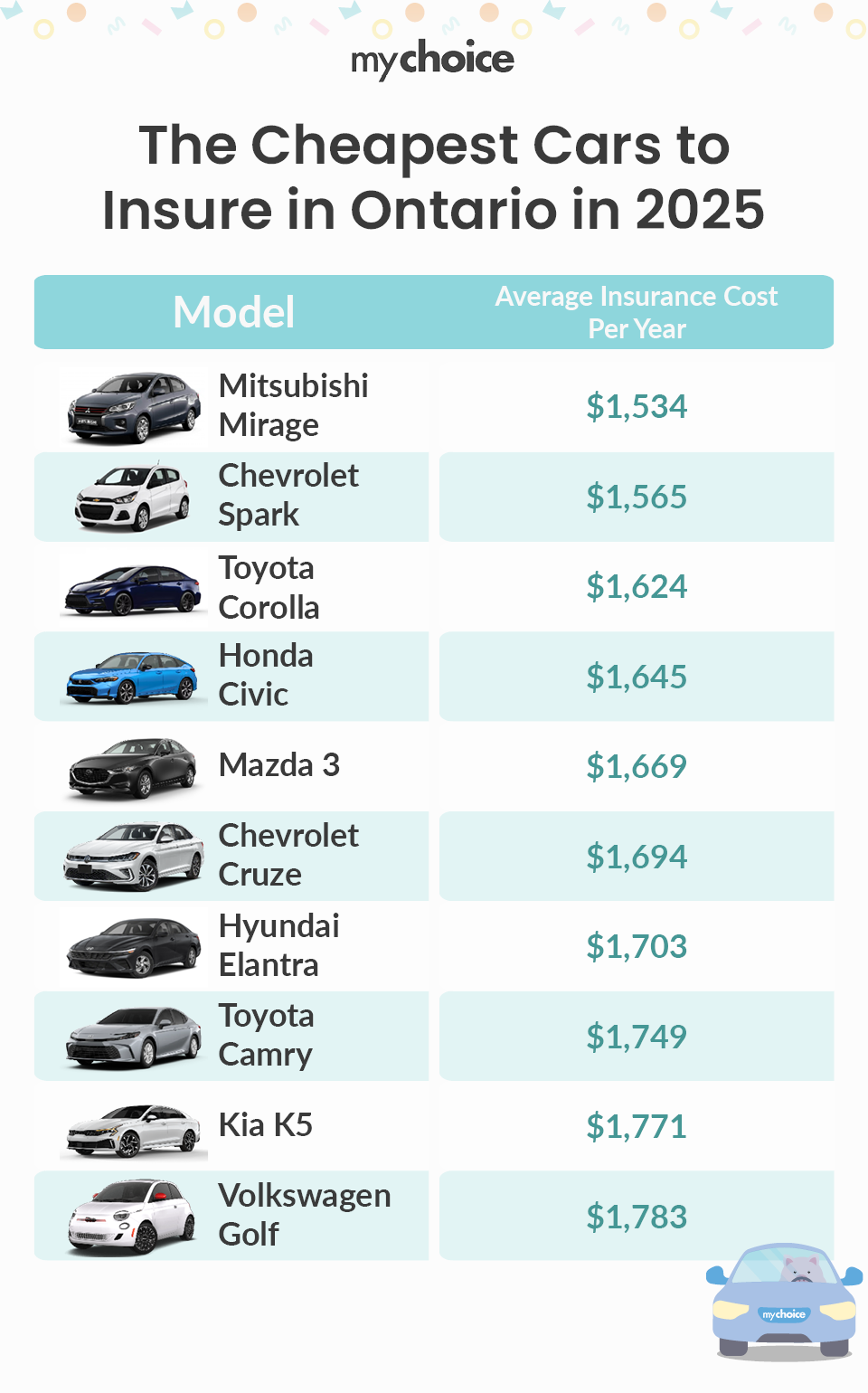
Prioritize Safety and Reliability: Vehicles with high safety ratings and lower theft rates generally have lower insurance costs. Avoid high-performance or luxury vehicles if saving on insurance is a top priority.
Regular Policy Review: Annually or When Life Changes
Your life isn’t static, and neither should your insurance policy be.
-
Annual Review: Set a reminder to review your policy and get new quotes at least once a year, or whenever your policy is up for renewal. Market rates change, new discounts emerge, and your personal circumstances evolve.
-
Life Events: Major life changes warrant an immediate policy review. These include getting married, moving to a new address, adding a new driver to your policy, changing jobs (especially if it impacts your commute), buying a new car, or your children going off to college. Each of these events can either increase or decrease your rates, and updating your insurer promptly is crucial.
In conclusion, the quest to find “who has the lowest car insurance rates” leads to a nuanced answer: you do, by actively managing your risk profile and diligently shopping the market. There isn’t a universal cheapest provider, but rather a combination of personal attributes, driving habits, policy choices, and proactive financial management that converges to yield the most favorable premiums for you. By understanding the factors at play, strategically exploring your options, and maintaining responsible financial and driving habits, you can empower yourself to consistently secure the best possible value for your car insurance, safeguarding both your vehicle and your personal finances.
aViewFromTheCave is a participant in the Amazon Services LLC Associates Program, an affiliate advertising program designed to provide a means for sites to earn advertising fees by advertising and linking to Amazon.com. Amazon, the Amazon logo, AmazonSupply, and the AmazonSupply logo are trademarks of Amazon.com, Inc. or its affiliates. As an Amazon Associate we earn affiliate commissions from qualifying purchases.