
In the realm of personal finance, auto insurance often represents one of the most significant recurring expenses for the average household. While it is a legal requirement in almost every jurisdiction, the disparity in pricing between providers can be staggering. Determining what auto insurance is the cheapest is not a matter of identifying a single company that offers the lowest rates for everyone; rather, it is about understanding how different insurers calculate risk and which one aligns best with your specific financial profile.
Achieving the lowest possible premium requires a strategic approach that combines market research, an understanding of underwriting variables, and the proactive management of your financial habits. For those looking to optimize their monthly budget, finding the cheapest auto insurance is the result of a deliberate effort to present the lowest possible risk to the carrier.
The Landscape of Affordable Auto Insurance Providers
The insurance market is divided into several tiers of providers, ranging from massive national corporations to smaller, regional mutual companies. To find the cheapest rates, one must look at both the industry giants and the niche players.
Top National Carriers Known for Competitive Pricing
Historically, certain companies have positioned themselves as the price leaders in the insurance industry. GEICO and Progressive are frequently cited as the most affordable options for a broad segment of the population. These companies utilize high-volume business models and advanced technology to keep overhead low, often passing those savings on to the consumer. State Farm, while a legacy provider, remains highly competitive, particularly for those who prefer a dedicated agent model without a significant price premium.
For those who have served in the military or have immediate family members who have, USAA consistently ranks as the cheapest provider in the United States. Their limited membership pool allows them to maintain lower loss ratios, resulting in premiums that are often significantly lower than the national average.
Regional and Mutual Insurance Companies
While national brands dominate the airwaves, regional carriers often provide the cheapest auto insurance for residents in specific states. Companies like Erie Insurance, Auto-Owners Insurance, and Amica Mutual often outperform national brands in both price and customer satisfaction. Because these companies operate in limited geographic areas, they have a more nuanced understanding of local risks and can price their policies more accurately. Mutual companies, which are owned by the policyholders rather than shareholders, are also incentivized to keep rates stable and may even issue dividends back to policyholders during profitable years.
Decoding the Variables That Influence Your Premium
To secure the cheapest auto insurance, you must first understand the “black box” of insurance underwriting. Insurers use hundreds of data points to determine the likelihood that you will file a claim. By optimizing these variables, you can effectively lower your financial liability in the eyes of the insurer.
The Role of Credit-Based Insurance Scores
In many regions, your credit score is one of the most powerful predictors of your insurance premium. Actuarial data suggests a high correlation between financial responsibility and driving safety. Individuals with higher credit scores are statistically less likely to file claims, leading insurers to offer them the lowest rates. If you are seeking the cheapest insurance, improving your credit score—by reducing debt-to-income ratios and ensuring on-time payments—can often result in a more significant premium reduction than switching companies altogether.
Driving Records and Risk Mitigation
The most obvious factor in insurance pricing is your driving history. A single speeding ticket or an at-fault accident can cause premiums to spike by 20% to 50% for several years. Conversely, maintaining a “clean” record for three to five years makes you a prime candidate for “safe driver” tiers, which offer the most aggressive pricing. For those with a less-than-perfect record, some insurers specialize in “non-standard” insurance, providing the cheapest possible rates for high-risk drivers while they work to rehabilitate their records.
Vehicle Make, Model, and Safety Features
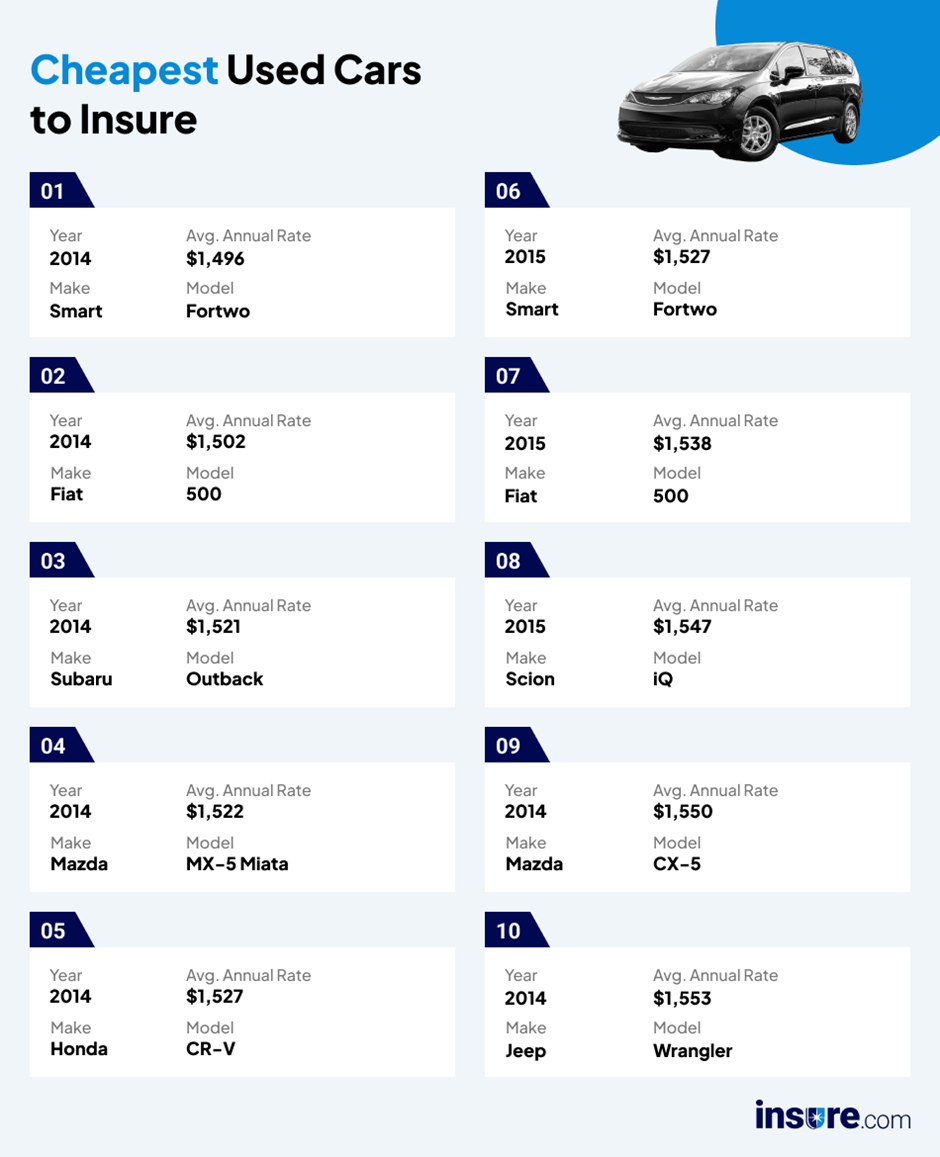
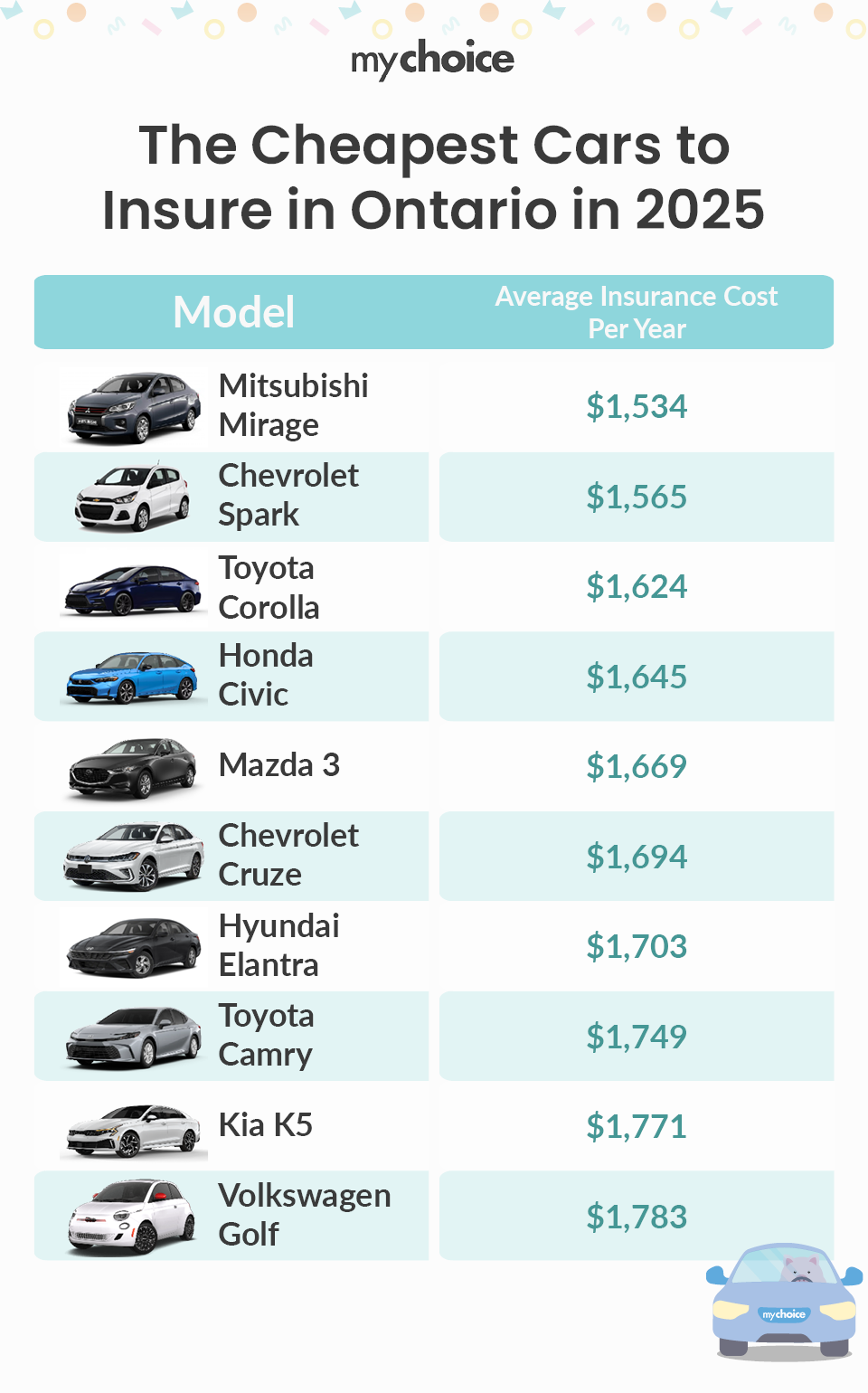
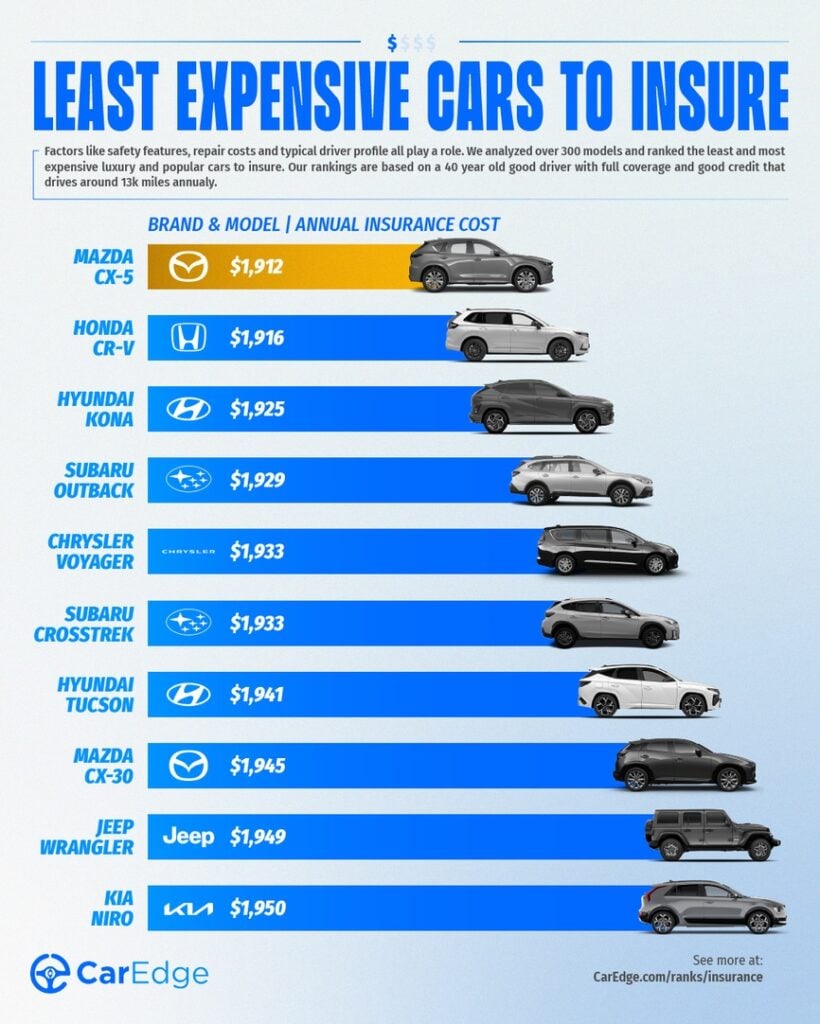
The asset you are insuring is as important as your personal history. The “cheapest” car to insure is typically a mid-sized sedan or a compact SUV with high safety ratings and low repair costs. Luxury vehicles, high-performance sports cars, and electric vehicles often carry higher premiums due to the cost of specialized parts and labor. Before purchasing a vehicle, it is financially prudent to obtain an insurance quote, as the difference in annual premiums between two similar models can be hundreds of dollars.
Tactical Approaches to Lowering Your Monthly Payments
Once you have identified a competitive carrier, there are several financial levers you can pull to further drive down the cost of your policy. These tactics require a balance between monthly savings and out-of-pocket risk.
Optimizing Deductibles and Coverage Limits
The most immediate way to lower an insurance premium is to increase the deductible. The deductible is the amount you pay out-of-pocket before the insurance coverage kicks in. By moving from a $500 deductible to a $1,000 or $2,000 deductible, you are assuming more of the initial risk, which allows the insurer to lower your monthly premium significantly. This is a sound financial strategy provided you have an emergency fund capable of covering the higher deductible in the event of an accident.
Similarly, reviewing your coverage limits is essential. While it is never recommended to carry less than the state-mandated minimums—and often wise to carry much more to protect your assets—you should ensure you are not paying for “overlapping” coverage. For example, if you have an older vehicle with a low market value, the cost of carrying collision and comprehensive coverage may exceed the potential payout if the car were totaled. Dropping these coverages on older vehicles is a common way to achieve the cheapest possible rate.
Leveraging Discounts and Bundling Strategies
Insurers offer a plethora of discounts that go unclaimed by many policyholders. The most impactful is the multi-policy or “bundling” discount. By placing your homeowners or renters insurance with the same carrier as your auto insurance, you can often save 10% to 25% across all policies.
Other common discounts include:
-
Affiliation Discounts: Reductions for alumni of certain universities, members of professional organizations, or employees of large corporations.
-
Good Student Discounts: For young drivers who maintain a B average or higher.
-
Safety Features: Discounts for vehicles equipped with anti-theft devices, lane-departure warnings, and automatic braking systems.
-
Payment Methods: Many companies offer lower rates for those who pay their six-month or annual premium in full rather than via monthly installments.
The Rise of Usage-Based Insurance (UBI)
One of the most significant shifts in the quest for cheap auto insurance is the advent of telematics. Usage-based insurance programs, such as Progressive’s Snapshot or State Farm’s Drive Safe & Save, track your actual driving habits via a smartphone app or a plug-in device. If you drive low mileage, avoid hard braking, and do not drive late at night, you can secure discounts that often exceed 30%. This shifts the pricing model from generalized demographics to individualized behavior, rewarding the safest drivers with the lowest market rates.
The Trade-offs of Budget Insurance: Ensuring Adequate Protection
While the goal is to find what auto insurance is the cheapest, the lowest price is not always the best value. In the world of finance, under-insuring yourself can lead to catastrophic losses that far outweigh the monthly savings of a cut-rate policy.
Evaluating Financial Stability and Claims Service
A cheap policy is only effective if the company has the liquidity to pay out when a claim occurs. Before committing to a low-cost carrier, it is vital to check their financial strength rating through agencies like A.M. Best or S&P Global. A company with a high rating (A or better) is more likely to handle claims efficiently. Furthermore, research the carrier’s reputation for claims processing. Some “budget” insurers may offer low premiums but make the claims process difficult, leading to longer repair times and higher indirect costs for the policyholder.
The Danger of Minimum Liability Limits
Most states require a very low level of liability insurance. While choosing state-minimum limits will provide you with the cheapest monthly premium, it leaves you financially vulnerable. If you are at fault in an accident where medical bills or property damage exceed your low limits, the injured party can sue you personally, putting your savings, home, and future wages at risk. For a relatively small increase in premium, you can often double or triple your liability limits, providing a much higher level of financial security.
The Importance of Annual Reviews
The insurance market is dynamic. Rates fluctuate based on company losses, inflation in repair costs, and changes in regional risk. What was the cheapest auto insurance for you last year may not be the cheapest today. To maintain the most cost-effective coverage, it is recommended to “shop” your insurance every 12 months. Comparison tools and independent agents can help you scan the market quickly to ensure your current carrier remains competitive.
In conclusion, finding the cheapest auto insurance is a multi-faceted financial endeavor. It requires a blend of maintaining a high credit score, choosing the right vehicle, leveraging modern telematics, and meticulously reviewing policy details. By treating insurance as a managed financial product rather than a “set-and-forget” expense, you can ensure that you are receiving the maximum protection for the minimum possible investment.
aViewFromTheCave is a participant in the Amazon Services LLC Associates Program, an affiliate advertising program designed to provide a means for sites to earn advertising fees by advertising and linking to Amazon.com. Amazon, the Amazon logo, AmazonSupply, and the AmazonSupply logo are trademarks of Amazon.com, Inc. or its affiliates. As an Amazon Associate we earn affiliate commissions from qualifying purchases.