
Car insurance is a non-negotiable expense for most drivers, a legal requirement in nearly every state, and a crucial safety net against the potentially devastating financial consequences of accidents, theft, or damage. However, for many, it represents a significant and often opaque line item in their monthly budget. The quest to secure a better deal on car insurance is a universal one, driven by a desire to optimize personal finances without compromising essential protection. Understanding the myriad factors that influence your premiums, coupled with a strategic approach to purchasing and managing your policy, can unlock substantial savings over time. This comprehensive guide will demystify the process, offering actionable insights and proven strategies to help you navigate the complex world of car insurance and consistently achieve more favorable rates.
Understanding the Fundamentals of Car Insurance Pricing
Before embarking on a mission to lower your rates, it’s imperative to grasp the core principles that dictate how insurance companies calculate your premiums. Insurers operate on a model of risk assessment, analyzing a vast array of data points to predict the likelihood and potential cost of future claims. The more risk they perceive, the higher your premium will be.
Key Factors Insurers Consider
At the heart of every insurance quote lies a sophisticated algorithm that weighs numerous individual and environmental factors. These typically include your age, gender, marital status, and profession, as statistical analysis often correlates these demographics with varying levels of risk. For instance, younger, less experienced drivers typically face higher rates due to a greater statistical propensity for accidents. Similarly, certain professions might be deemed lower risk if they involve less commuting or a perceived higher level of responsibility. While some of these factors are immutable, understanding their influence helps contextualize your current rates and future opportunities for savings.
The Role of Your Driving Record and Claims History
Perhaps the most direct indicator of future risk is your past behavior behind the wheel. A spotless driving record, free of accidents, traffic violations, and speeding tickets, is your strongest asset in the pursuit of lower premiums. Conversely, even a minor infraction can trigger a rate increase that can persist for several years. Similarly, your claims history plays a critical role. Frequent claims, even if not your fault, can signal to an insurer that you are a higher risk to insure. It’s a delicate balance: insurance is there to be used when needed, but a pattern of claims, particularly those indicating reckless driving, will inevitably lead to higher costs.
Vehicle Characteristics and Their Impact
The car you drive is another significant variable. Insurers consider not just the make and model, but also its safety ratings, theft rates, repair costs, and engine size. A vehicle with advanced safety features might qualify for discounts, while one prone to theft or expensive repairs will naturally command higher premiums. Sports cars, with their higher likelihood of speeding and greater potential for expensive damage, are often more costly to insure than a family sedan. Before purchasing a new vehicle, it’s wise to consider its insurance implications as part of the total cost of ownership.
Geographical Location and Demographics
Where you live can have a surprisingly profound impact on your car insurance rates. Urban areas with higher traffic density, greater rates of theft and vandalism, and a higher incidence of accidents typically see higher premiums than rural areas. Insurers also analyze zip code-specific data regarding crime rates, local weather patterns (e.g., hail storms, floods), and even the frequency of uninsured motorists in a given area. Furthermore, the average cost of repairs and medical care in your region can influence how much an insurer must pay out for claims, directly affecting your rates.
Strategic Approaches to Lower Your Premiums
Armed with an understanding of how rates are determined, you can now proactively implement strategies to reduce your car insurance costs. These approaches range from diligent comparison shopping to optimizing your policy structure and leveraging discounts.
Shopping Around and Comparing Quotes
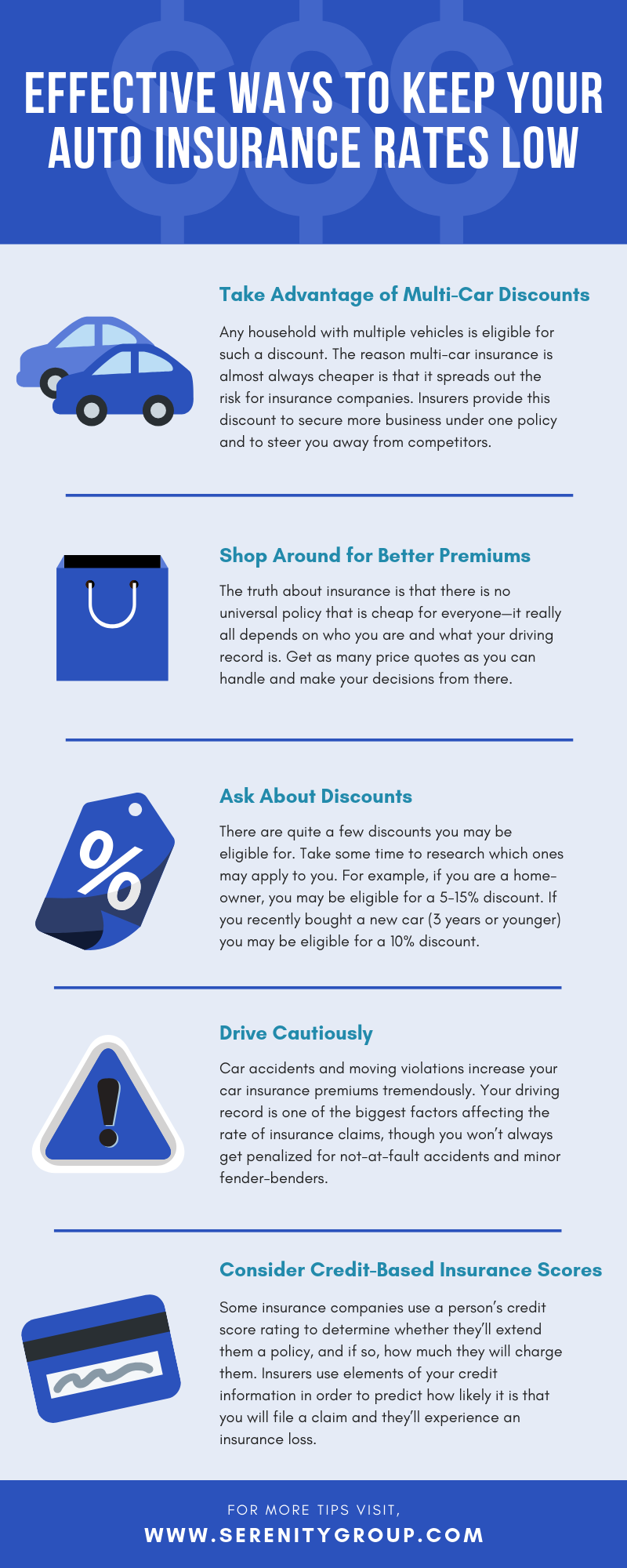
This is perhaps the single most effective strategy for securing better rates. Insurance companies use proprietary algorithms, and their risk assessments can vary wildly. What one insurer considers high risk, another might view as moderate. Don’t simply renew with your current provider out of habit; dedicate time annually, or whenever your policy is up for renewal, to obtain quotes from multiple companies. Online comparison tools and independent insurance agents can simplify this process, allowing you to quickly compare rates and coverage options side-by-side. The savings from switching can often be hundreds, if not thousands, of dollars per year.
Maximizing Discounts and Bundling Policies
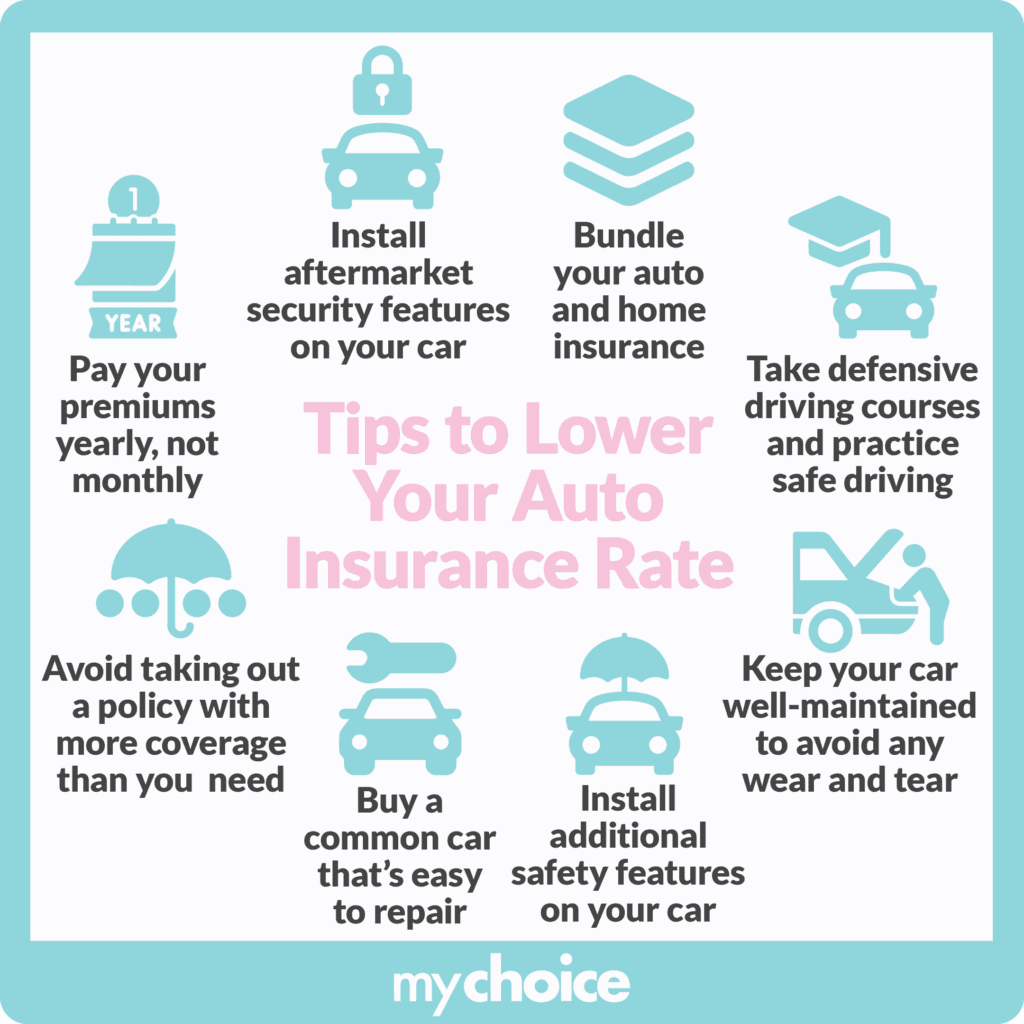
Insurance companies offer a plethora of discounts, many of which go unclaimed simply because policyholders aren’t aware of them or don’t ask. Common discounts include multi-car discounts, good student discounts, discounts for certain professions (e.g., teachers, military personnel), low mileage discounts, and early bird discounts for renewing before your policy expires. The most significant discount often comes from “bundling” policies, where you purchase both your car and home (or renters) insurance from the same provider. This can lead to substantial savings on both policies, making it a win-win financial strategy. Always inquire about every available discount you might qualify for.
Adjusting Your Coverage Levels and Deductibles

While it’s crucial not to underinsure yourself, there may be opportunities to optimize your coverage to save money. For older vehicles, for example, the cost of comprehensive and collision coverage might outweigh the vehicle’s actual cash value. In such cases, dropping these coverages could be a smart financial move. Similarly, increasing your deductible – the amount you pay out-of-pocket before your insurance kicks in – can significantly lower your premium. However, this strategy requires careful consideration; ensure you have sufficient emergency savings to cover a higher deductible should an accident occur. It’s about finding the sweet spot between adequate protection and affordable premiums.
Improving Your Credit Score
In many states, insurance companies use a credit-based insurance score as a factor in determining premiums. Studies have shown a correlation between a higher credit score and a lower likelihood of filing claims, making it a valuable metric for insurers. While not directly related to your driving ability, a strong credit history can signal financial responsibility. Therefore, improving and maintaining a good credit score through timely bill payments and responsible debt management can indirectly contribute to lower car insurance rates over time. Regularly checking your credit report for errors and disputing inaccuracies is also a wise financial habit.
Leveraging Technology and Smart Driving Habits
The digital age has brought new tools and approaches to car insurance, allowing drivers to actively participate in demonstrating their low-risk profile. Combining these technological advancements with disciplined driving habits can lead to significant premium reductions.
Telematics Programs and Usage-Based Insurance
Many insurers now offer telematics programs, also known as usage-based insurance (UBI). These programs involve installing a small device in your car or using a smartphone app that monitors your driving habits, such as speed, braking, acceleration, mileage, and even the time of day you drive. If you consistently demonstrate safe driving behavior, you can qualify for substantial discounts. This is an excellent option for safe, low-mileage drivers who feel their current rates don’t reflect their actual risk profile. While some may feel hesitant about data collection, the potential for significant savings can be a powerful motivator.
Defensive Driving Courses and Accident Prevention
Beyond telematics, actively improving your driving skills can directly translate into lower rates. Many insurers offer discounts for completing approved defensive driving courses. These courses not only refresh your driving knowledge and enhance your ability to avoid accidents but also signal to your insurer that you are a proactive and responsible driver. Furthermore, the inherent benefit of these courses is a reduced likelihood of being involved in an accident or receiving a ticket, which, as previously noted, is the most direct path to maintaining low premiums.
Maintaining a Clean Driving Record
While simple in concept, its importance cannot be overstated. A clean driving record is the bedrock of affordable car insurance. Every accident, speeding ticket, or moving violation carries financial consequences in the form of increased premiums. Focus on obeying traffic laws, avoiding distractions, and driving defensively. For minor infractions, consider if it’s worth attending traffic school to keep the violation off your record, if permissible in your state. A long history of safe driving will consistently earn you the most favorable rates.
Regular Review and Long-Term Savings
Car insurance isn’t a “set it and forget it” expense. Life changes, market conditions, and personal habits evolve, all of which can impact your rates. Proactive management is key to sustained savings.
Annual Policy Reviews and Adjustments
Treat your car insurance policy like any other financial investment that requires periodic review. At least once a year, preferably before renewal, take the time to review your coverage. Are your current coverages still appropriate for your vehicle’s value? Have your driving habits changed (e.g., less commuting)? Have you added new safety features to your car? Are there new discounts available from your provider or competitors? This annual audit is an opportune moment to compare quotes again and ensure you’re still getting the best value.
The Impact of Life Changes on Your Rates
Significant life events can dramatically alter your insurance profile. Getting married often leads to lower rates, as married individuals are statistically considered lower risk. Moving to a new neighborhood, changing jobs (especially if it alters your commute), adding a new driver to your policy (e.g., a teenager), or even celebrating a milestone birthday can all impact your premiums. It’s crucial to inform your insurer of these changes promptly, as they can sometimes lead to lower rates or, conversely, ensure you remain adequately covered and avoid issues during a claim.
Exploring Alternative Insurance Providers and Models
Beyond traditional insurers, the market is evolving with new models. Some companies specialize in specific niches, such as drivers with excellent records, or offer peer-to-peer insurance. Exploring these newer entrants or niche providers might uncover unique savings opportunities not available from established giants. While vetting their financial stability and customer service is essential, an open mind to alternative models can broaden your options for better rates.
In conclusion, securing better car insurance rates is not a matter of luck but rather a result of informed decision-making and proactive financial management. By understanding how insurers price risk, strategically shopping around, leveraging discounts, embracing technology, and maintaining exemplary driving habits, you can significantly reduce your premiums without sacrificing critical protection. Regular review of your policy and adaptation to life’s changes will ensure that you continue to optimize this essential financial outlay, freeing up valuable resources for other personal finance goals.
aViewFromTheCave is a participant in the Amazon Services LLC Associates Program, an affiliate advertising program designed to provide a means for sites to earn advertising fees by advertising and linking to Amazon.com. Amazon, the Amazon logo, AmazonSupply, and the AmazonSupply logo are trademarks of Amazon.com, Inc. or its affiliates. As an Amazon Associate we earn affiliate commissions from qualifying purchases.