
Progressive Insurance is a household name, synonymous with competitive rates, innovative marketing, and a significant presence in the auto and home insurance markets. For many, its branding and ubiquitous advertisements create a sense of familiarity. However, the question of “who owns Progressive Insurance Company?” delves deeper than just its public face, leading us into the intricate world of corporate finance, investment, and shareholder democracy.
In an era where corporate transparency is increasingly valued, understanding the ownership structure of a major enterprise like Progressive is crucial for investors, financial analysts, and even curious consumers. The answer, in the simplest terms, is that Progressive is a publicly traded company, meaning it is owned by its shareholders. But this seemingly straightforward answer opens a door to exploring the complex web of institutional investments, individual portfolios, and the governance mechanisms that define modern corporate ownership. Far from being owned by a single individual or family, Progressive’s financial destiny is shaped by a diverse collective of investors whose stakes represent direct ownership in the company’s assets, profits, and future potential.

The Publicly Traded Reality: Shareholder Ownership
At its core, The Progressive Corporation (NYSE: PGR) is a publicly owned entity, a status that fundamentally defines its ownership structure. This means that instead of being controlled by a private individual, family, or a small group of partners, the company’s ownership is distributed among millions of shares of stock, which are bought and sold on public exchanges.
Understanding Public Ownership
When a company goes public, it offers shares of its ownership to the general public and institutional investors. These shares, known as common stock, represent a claim on the company’s earnings and assets. As a shareholder of Progressive, you literally own a fractional piece of the company. This ownership comes with certain rights, most notably the right to vote on key corporate matters, such as the election of the board of directors and major policy changes, typically proportionate to the number of shares held.
The fragmented nature of public ownership means there isn’t a single “owner” of Progressive in the traditional sense. Instead, its ownership is dispersed across a vast number of individuals and organizations worldwide. This distribution allows for significant capital mobilization, enabling the company to fund its operations, growth initiatives, and technological advancements by issuing new shares or attracting new investors. The market value of these shares fluctuates daily, reflecting investor sentiment, company performance, and broader economic conditions, all under the watchful eye of the financial markets.
Institutional Investors: The Major Stakeholders
While individual investors certainly hold shares, the vast majority of Progressive’s stock, like many other large public corporations, is held by institutional investors. These are large organizations that invest on behalf of their clients or members. They include:
-
Mutual Funds: Investment vehicles that pool money from multiple investors to purchase a diversified portfolio of stocks, bonds, and other securities. Funds managed by giants like Vanguard, BlackRock, Fidelity, and State Street often hold substantial positions in companies like Progressive.
-
Pension Funds: Retirement funds for employees of companies or government entities, which invest large sums to ensure future payouts to retirees.
-
Hedge Funds: Private investment funds that employ aggressive strategies to generate high returns, often taking significant positions in public companies.
-
Exchange-Traded Funds (ETFs): Similar to mutual funds, but traded on stock exchanges like individual stocks, often tracking specific indices or sectors.
These institutional investors typically hold multi-million or even billion-dollar stakes in Progressive. Their investment decisions are driven by financial analysis, market outlook, and their fiduciary responsibility to their own investors. While they rarely exert direct operational control, their collective voting power and influence can significantly impact corporate governance and strategic direction, especially concerning financial performance, dividend policies, and executive compensation. Understanding these major stakeholders is crucial for comprehending the financial dynamics and stability of a publicly traded insurer.
Individual Investors and Employees
Beyond the large institutional players, a substantial portion of Progressive’s shares are also owned by individual retail investors. These are everyday people who buy shares through brokerage accounts, either directly or through various investment platforms. Their motivations can range from long-term wealth building and retirement planning to short-term trading based on market fluctuations.
Furthermore, many publicly traded companies, including Progressive, offer stock purchase plans or grant stock options to their employees. This means that employees, from senior executives to entry-level staff, can become shareholders of the company they work for. Such programs align employee interests with company performance, incentivizing them to contribute to the company’s financial success, as their personal wealth becomes tied to the stock’s value. While individual and employee holdings are typically smaller fractions compared to institutional blocks, their collective presence reinforces the distributed nature of Progressive’s ownership.
The Historical Context: From Private Enterprise to Public Powerhouse
To fully appreciate Progressive’s current ownership structure, it’s insightful to briefly examine its journey from a privately held venture to the publicly traded giant it is today. This transition is a common narrative in corporate finance, often driven by strategic financial imperatives.
The Genesis of Progressive
The Progressive Corporation was founded in 1937 by Jack and Joseph Lewis in Cleveland, Ohio. Initially, it operated as a private insurance company, primarily serving high-risk drivers whom other insurers often rejected. In its early decades, ownership and control were concentrated within the founding family and a small circle of executives and private investors. During this period, all profits and control decisions rested with these private owners, who directly funded its expansion and took on all inherent financial risks. This private model allowed for direct, often quicker, decision-making without the pressures of public market scrutiny.
The Transition to Public Markets
The pivotal moment in Progressive’s ownership history arrived in 1971 when the company decided to go public. This strategic move involved offering its shares to the public for the first time through an Initial Public Offering (IPO). The motivations for such a transition are almost universally financial:
-
Capital Raising: An IPO provides a massive influx of capital, which companies can use to fund aggressive expansion plans, invest in technology, acquire competitors, or pay down debt. For Progressive, this capital was vital for scaling its operations, expanding into new markets, and building its brand.
-
Liquidity for Existing Owners: Going public provides an exit strategy and liquidity for early investors and founders, allowing them to monetize their investments. While the Lewis family retained significant stakes initially, the public offering allowed them to diversify their wealth and establish a market value for their holdings.
-
Enhanced Public Profile and Credibility: Being publicly traded often elevates a company’s standing, increasing its brand recognition and perceived credibility among customers, partners, and the broader financial community.
-
Attracting and Retaining Talent: Public companies can offer stock options and grants, which are powerful incentives for attracting top talent, aligning employee interests with shareholder value.
The decision to go public transformed Progressive from a privately controlled entity into a company whose financial performance and strategic direction would henceforth be scrutinized by public markets and accountable to a wide array of shareholders. This marked a profound shift in its financial architecture and governance.
Governance and Control: More Than Just Ownership Percentages
While “ownership” might imply direct command, in a publicly traded company like Progressive, control is a nuanced interplay between diffused ownership, elected oversight, and executive management. It’s a system designed to protect shareholder interests and ensure long-term financial viability.
The Board of Directors: Fiduciary Duty and Oversight
At the heart of corporate governance is the Board of Directors. Elected by shareholders, the board serves as the primary governing body responsible for overseeing the company’s management and ensuring that the company operates in the best interests of its shareholders. Their fiduciary duties extend to:
-
Strategic Direction: Setting broad corporate strategy and long-term financial goals.
-
Executive Appointment and Oversight: Hiring, evaluating, and compensating the CEO and other senior executives, and monitoring their performance.
-
Risk Management: Overseeing the company’s financial risk management policies and ensuring compliance with legal and regulatory requirements.
-
Financial Reporting: Approving financial statements and ensuring transparent and accurate reporting to shareholders and regulatory bodies.
-
Dividend Policy: Deciding on dividend payouts and share repurchase programs, which directly impact shareholder returns.
Board members are typically a mix of internal executives and independent directors, chosen for their expertise in finance, insurance, law, and other relevant fields. Their collective wisdom and independent judgment are critical in guiding Progressive’s financial health and strategic evolution.
Executive Leadership and Management
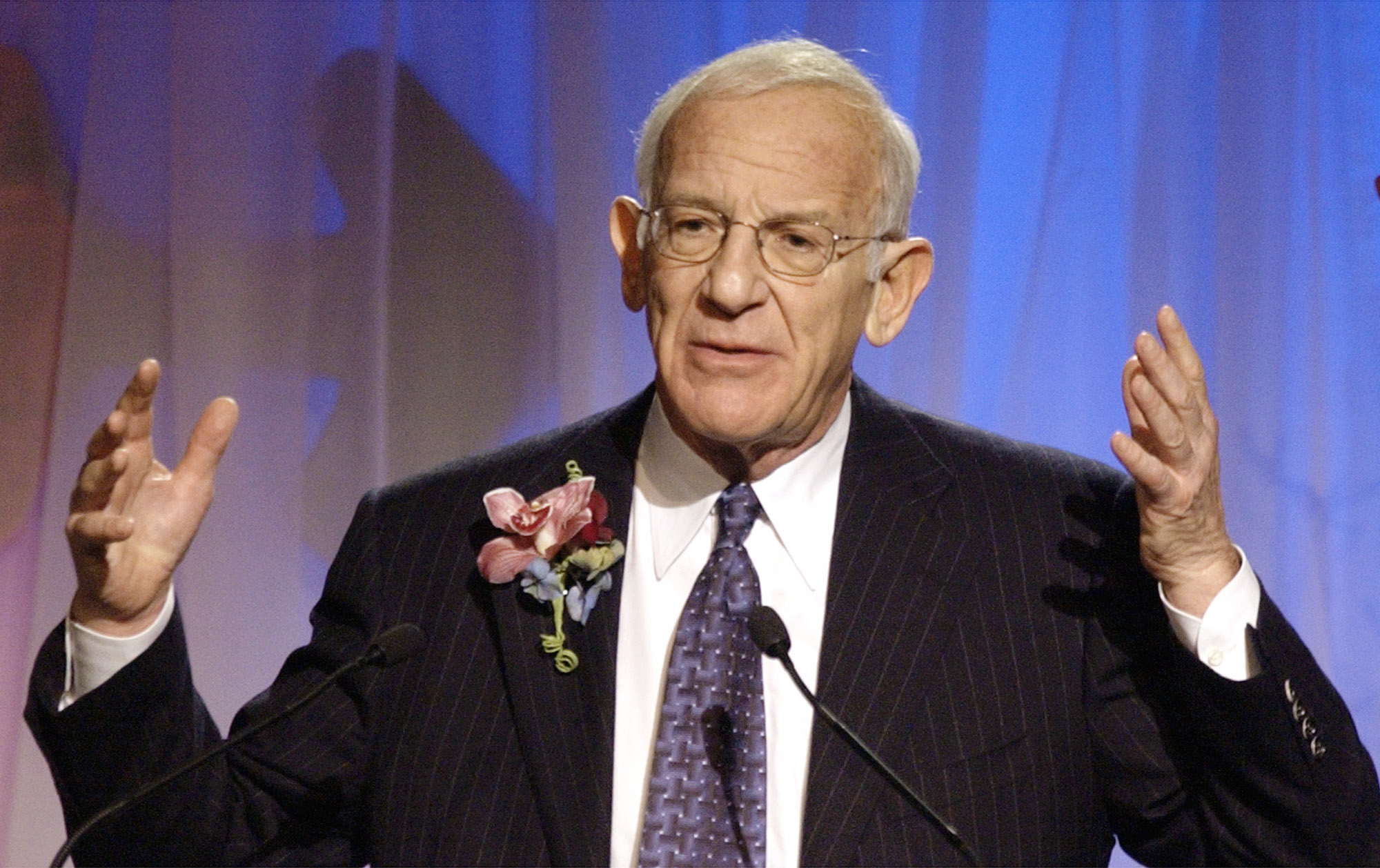
While the board provides oversight, the day-to-day operations and execution of strategy fall to the executive leadership team, headed by the Chief Executive Officer (CEO). The CEO and other C-suite executives (CFO, COO, CIO, etc.) are responsible for implementing the board’s strategic vision, managing financial resources, driving sales, overseeing underwriting, and leading the company’s workforce.
These executives are not “owners” in the same sense as shareholders, though many hold significant stock options or shares as part of their compensation, aligning their financial incentives with shareholder value. Their role is to translate strategic objectives into tangible results, managing the vast financial resources and operational complexities of a national insurance provider. Their decisions, from product development and pricing to capital allocation and technology investments, have direct financial consequences for the company and its shareholders.
Shareholder Influence and Activism
Despite the dispersed nature of ownership, shareholders, particularly large institutional ones, are not passive observers. They exercise their influence through several channels:
-
Voting Rights: Shareholders vote on key corporate resolutions, including the election of directors, executive compensation plans (“say-on-pay”), and significant corporate actions like mergers or acquisitions.
-
Shareholder Proposals: Individual or institutional shareholders can submit proposals for consideration at annual meetings, advocating for changes in corporate governance, environmental policies, or financial practices.
-
Proxy Battles: In more contentious situations, activist investors might launch proxy battles, seeking to replace current directors with their own nominees to steer the company in a new direction, often driven by a desire to unlock shareholder value.
-
Engagement and Dialogue: Many large institutional investors engage in direct dialogue with management and the board to express concerns or suggest improvements regarding financial performance, risk management, or corporate social responsibility.
This dynamic interaction between shareholders, the board, and management ensures accountability and helps shape Progressive’s long-term financial trajectory, demonstrating that ownership, even if fragmented, carries significant power.
Financial Implications of Public Ownership
Being publicly traded has profound and pervasive financial implications for Progressive, affecting everything from its balance sheet to its ability to innovate and expand. This structure is a double-edged sword, offering immense opportunities while imposing stringent demands.
Access to Capital for Growth
One of the most significant financial advantages of public ownership is unparalleled access to capital. By issuing new shares, Progressive can raise substantial funds from investors to finance its strategic initiatives without incurring debt. This capital can be deployed for:
-
Market Expansion: Entering new geographical markets or launching new product lines (e.g., expanding into pet insurance or renters insurance).
-
Technological Innovation: Investing heavily in data analytics, AI, telematics (e.g., Snapshot program), and digital platforms to improve customer experience, underwriting accuracy, and operational efficiency. These investments are crucial for maintaining a competitive edge in the rapidly evolving insurance landscape.
-
Acquisitions: Funding the acquisition of smaller insurance companies or related businesses to expand market share or capabilities.
-
Capital Buffers: Maintaining strong capital reserves to meet regulatory requirements and absorb potential losses from large-scale claims, especially critical in the insurance sector.
This continuous access to public capital allows Progressive to remain agile and competitive, driving its long-term financial growth and resilience.
Transparency and Regulatory Scrutiny
Public ownership comes with a mandatory commitment to financial transparency and adherence to strict regulatory frameworks. Companies like Progressive are required to file detailed financial reports with regulatory bodies such as the Securities and Exchange Commission (SEC) in the United States. These filings include:
-
Annual Reports (10-K): Comprehensive overview of the company’s financial performance, operations, and risks.
-
Quarterly Reports (10-Q): Updates on financial performance every three months.
-
Proxy Statements (DEF 14A): Information related to shareholder meetings, including executive compensation and board nominees.
These disclosures provide investors, analysts, and the public with a wealth of information to assess Progressive’s financial health, management effectiveness, and future prospects. While demanding, this transparency fosters investor confidence and helps maintain fair and orderly financial markets. Moreover, the insurance industry itself is heavily regulated at both federal and state levels, imposing additional financial and operational compliance burdens on Progressive.
Investor Value Creation: Dividends and Stock Performance
For shareholders, the financial benefit of owning Progressive stock comes primarily through two avenues: dividends and stock price appreciation.
-
Dividends: Progressive has a history of paying regular dividends to its shareholders, distributing a portion of its profits directly to them. This provides a steady income stream for investors and is often seen as a sign of financial stability and management confidence. The company’s dividend policy, however, can fluctuate based on profitability, capital needs, and market conditions.
-
Stock Price Appreciation: The long-term growth in the value of Progressive’s stock is driven by a combination of strong financial performance, strategic execution, market perception, and overall economic conditions. As the company grows its revenues, increases its profits, and effectively manages its balance sheet, its stock typically becomes more attractive to investors, leading to an increase in its market price. Capital gains from selling shares at a higher price than the purchase price represent a significant return for investors.
Both dividends and capital appreciation are key components of total shareholder return, making Progressive’s stock an attractive investment for those seeking exposure to the financial services and insurance sectors.
Why Does Ownership Matter?
Understanding who owns Progressive Insurance Company transcends mere curiosity; it provides crucial insights into the company’s operations, stability, and broader market impact. The nature of its ownership has significant ramifications for various stakeholders.
For Investors
For current and prospective investors, knowing Progressive is publicly owned is fundamental. It means their investment decision relies on analyzing the company’s financial statements, management strategies, competitive landscape, and regulatory environment. They assess the strength of its balance sheet, its profitability metrics (like return on equity and underwriting margins), its dividend history, and its growth prospects. Furthermore, understanding the major institutional holders can offer insights into market sentiment and potential long-term stability or vulnerability to large-scale investor movements. It also informs how they can exercise their rights as owners through voting and engagement.
For Customers
While customers may not directly interact with shareholders, the ownership structure indirectly impacts their experience. A publicly traded company like Progressive is driven by the imperative to generate shareholder value. This often translates into a focus on efficiency, innovation, and competitive pricing to attract and retain policyholders, as growth in customer base and profitability directly influences stock performance. Financial stability, bolstered by access to public capital, ensures the company has the resources to pay claims promptly, invest in better technology for customer service, and maintain a robust financial standing, which is paramount for an insurer. Conversely, shareholder pressure for short-term gains could, theoretically, influence operational decisions, though strong governance aims to balance this with long-term strategy.
For the Broader Economy
Large public companies like Progressive play a vital role in the economy. They are significant employers, taxpayers, and consumers of goods and services. Their performance, particularly in the financial sector, can be an indicator of broader economic health. The capital markets, through which Progressive raises funds, are essential for allocating capital efficiently, fostering economic growth, and enabling wealth creation for millions of individuals and institutions through investment. The transparency requirements of public ownership also contribute to market integrity and investor confidence, which are cornerstones of a healthy financial system.

Conclusion
The question “who owns Progressive Insurance Company?” reveals a story not of a single proprietor, but of a vast and dynamic collective: its shareholders. As a publicly traded entity, Progressive’s ownership is dispersed among millions of individual and institutional investors worldwide, each holding a fractional stake in the company’s success. This structure allows the company access to immense capital for growth and innovation, while simultaneously subjecting it to rigorous financial scrutiny, transparent reporting, and the constant pressure to create shareholder value.
From its origins as a private venture to its current status as a public insurance powerhouse, Progressive’s journey underscores the transformative power of capital markets. Understanding this ownership structure is not merely an academic exercise; it’s essential for anyone engaging with the company – be it as an investor seeking returns, a customer entrusting their financial security, or an analyst dissecting its market position. The financial health and strategic direction of Progressive are intrinsically linked to the collective decisions and interests of its diverse ownership base, making it a quintessential example of modern corporate finance in action.
aViewFromTheCave is a participant in the Amazon Services LLC Associates Program, an affiliate advertising program designed to provide a means for sites to earn advertising fees by advertising and linking to Amazon.com. Amazon, the Amazon logo, AmazonSupply, and the AmazonSupply logo are trademarks of Amazon.com, Inc. or its affiliates. As an Amazon Associate we earn affiliate commissions from qualifying purchases.