
In the intricate world of personal and business finance, tools that offer stability, flexibility, and peace of mind are invaluable. Among the many offerings from financial institutions, the concept of a “reserve account” often emerges as a critical component for sound financial management. Specifically, a PNC Reserve Account is designed to act as a financial safety net, providing a ready source of funds to prevent overdrafts, manage unexpected expenses, and offer short-term liquidity. For PNC customers, understanding this product is key to leveraging it effectively as part of a robust financial strategy.
At its core, a reserve account, often structured as a line of credit, provides access to funds beyond what’s available in a primary checking account. It bridges the gap between your available balance and your spending needs, ensuring that transactions clear and financial disruptions are minimized. Rather than being a traditional savings account where funds are accumulated, it’s a revolving credit facility that kicks in when your linked checking account balance is insufficient. For individuals and businesses alike, this can be a pivotal instrument in maintaining financial equilibrium and avoiding costly penalties.
Understanding the Core Purpose of a Reserve Account
The fundamental goal of any reserve account is to provide a buffer against financial volatility. It’s a proactive measure designed to prevent common banking headaches and offer a layer of security that traditional checking or savings accounts might not fully provide on their own.
The Concept of Financial Reserves
Every individual and business benefits from having financial reserves. These are funds set aside for emergencies, unexpected expenses, or periods of lower income. While a traditional savings account serves this purpose well for long-term goals, a reserve account (specifically a line of credit type) is geared more towards immediate, short-term liquidity needs. Think of it as an accessible emergency fund specifically tied to your transactional account.
-
Why individuals and businesses need reserves: Life is unpredictable. For individuals, this could mean an unexpected medical bill, car repair, or a sudden job loss. For businesses, it might involve a dip in sales, a delayed payment from a client, or an unforeseen equipment repair. Without reserves, these situations can lead to bounced checks, overdraft fees, or even the inability to meet critical obligations.
-
Distinction from regular checking/savings: A checking account is for daily transactions. A savings account is for accumulating funds over time, often earning interest. A reserve account, particularly one like PNC’s, often functions as a credit line linked to your checking account. It’s not about saving money in it, but about having access to credit when your checking balance runs low. It’s drawn upon as needed and repaid, rather than being a balance you continually build.
How PNC Reserve Accounts Function
While specific features can vary, a PNC Reserve Account typically operates as an overdraft protection line of credit. When your linked PNC checking account would otherwise go into overdraft, the Reserve Account automatically transfers funds (up to your approved credit limit) to cover the transaction.
-
Automatic Overdraft Protection: This is the primary function. If you make a purchase or write a check that exceeds your checking account balance, the Reserve Account will automatically cover the shortfall, preventing an overdraft fee and potential embarrassment or service disruptions.
-
Line of Credit Aspect: Unlike a loan that you receive in a lump sum, a reserve account is a revolving line of credit. You only pay interest on the amount you actually use, and as you repay the borrowed funds, that credit becomes available again for future use.
-
Repayment Structure: Repayment is typically handled automatically, often by transferring funds from your checking account or through scheduled payments. The goal is to repay the borrowed amount, plus any accrued interest, as quickly as possible to minimize costs.
Key Features and Benefits for PNC Customers
For customers banking with PNC, a Reserve Account offers several distinct advantages that contribute to greater financial stability and operational efficiency.
Overdraft Protection and Peace of Mind
Perhaps the most compelling benefit is the robust overdraft protection it provides. In today’s fast-paced world, it’s easy to miscalculate a balance or forget about a pending transaction.
-
Preventing Rejected Transactions and Fees: Without a reserve account, an insufficient balance can lead to a transaction being declined, incurring an overdraft fee from your bank and potentially a returned item fee from the merchant. A reserve account shields you from these direct costs and the inconvenience.
-
Psychological Benefit of Knowing You’re Covered: Beyond the financial implications, there’s significant peace of mind knowing that an unexpected expense won’t throw your finances into disarray. This security allows you to focus on your day-to-day without constantly worrying about your checking account balance.
Accessible Liquidity and Flexibility
The nature of a revolving line of credit means that funds are readily available precisely when needed, offering unparalleled flexibility.
-
On-Demand Funds: The money is there when you need it, whether it’s for an unexpected bill, a business opportunity, or just bridging a short-term cash flow gap. You don’t need to apply for a new loan each time.
-
Short-Term Cash Flow Management: For small businesses, particularly, this can be invaluable. It can help cover payroll during a slow period, purchase inventory ahead of a busy season, or manage expenses when client payments are delayed. For individuals, it can cover a car repair or a medical co-pay until the next payday.
Cost-Effectiveness Compared to Alternatives
While a reserve account does involve interest and potentially fees, it often proves to be a more cost-effective solution than other short-term borrowing options.
-
Comparison to Payday Loans and Credit Card Cash Advances: Payday loans typically carry extremely high interest rates, and credit card cash advances often come with high fees and higher interest rates than standard purchases, with interest accruing immediately. A reserve account’s interest rate, while variable, is generally more favorable.
-
Avoiding Bounced Check Fees: The cost of a single bounced check can be substantial, often ranging from $20-$35 per incident, plus any fees from the payee. A reserve account can prevent these multiple charges.
Simplicity of Management
PNC is likely to integrate its Reserve Account seamlessly into its existing banking ecosystem, making it easy to manage.
-
Integration with Existing PNC Accounts: Typically, the reserve account is linked directly to your PNC checking account, making it part of your consolidated financial view.
-
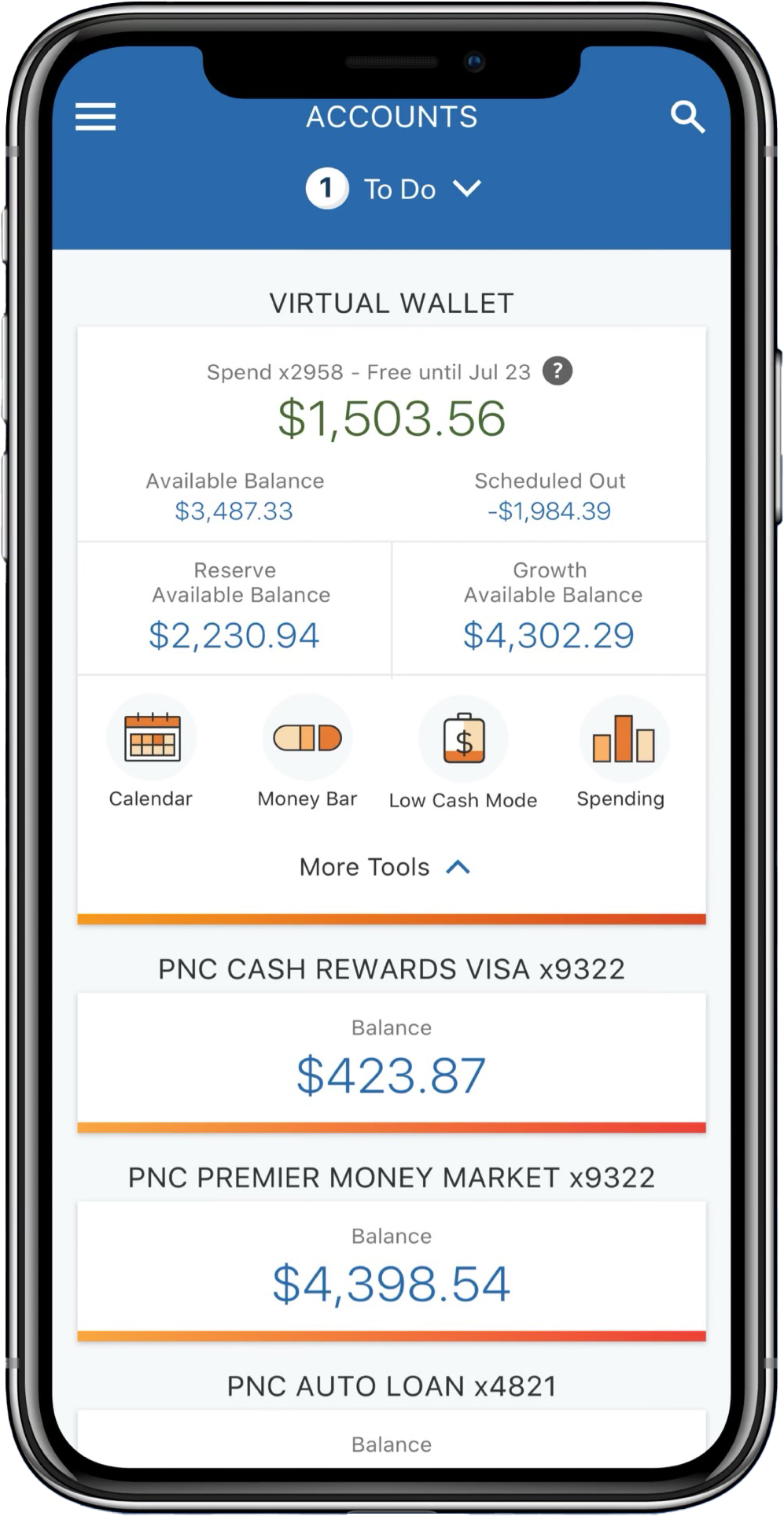
Online Banking and Mobile App Access: Customers can easily monitor their reserve account balance, track usage, and view statements through PNC’s online banking portal and mobile app, ensuring transparency and control.
Who Can Benefit from a PNC Reserve Account?
The utility of a PNC Reserve Account extends across various financial profiles, from individuals navigating personal budgets to small businesses managing complex cash flows.
Individuals Seeking Financial Security
Many personal finance scenarios make a reserve account a wise choice.
-
Those Building an Emergency Fund: While a reserve account isn’t a substitute for a robust savings-based emergency fund, it can serve as a vital temporary bridge when unforeseen expenses arise before the savings fund is fully built or easily accessible.
-
Managing Variable Income: Individuals with freelance careers, commissions, or seasonal work often experience fluctuations in their monthly income. A reserve account can smooth out these variances, ensuring bills are paid even during leaner periods.
-
Avoiding Overdrafts: For anyone who frequently finds themselves close to their checking account limit, or who simply wants an extra layer of protection, a reserve account is an excellent tool to prevent costly overdrafts.
Small Businesses and Entrepreneurs
For the often-volatile world of small business, a reserve account can be a crucial lifeline.
-
Bridging Cash Flow Gaps: Small businesses commonly face timing mismatches between receiving payments and needing to make payments. A reserve account can cover these short-term gaps, ensuring operations continue smoothly.
-
Managing Payroll Fluctuations: If employee hours vary or if there’s a need to hire temporary staff, a reserve account can provide the necessary funds to meet payroll obligations without disrupting other business finances.
-
Unexpected Business Expenses: Just like individuals, businesses face unforeseen costs – equipment breakdown, urgent repairs, or a sudden need for supplies. A reserve account offers immediate access to funds to address these issues promptly.
-
Seasonal Businesses: Businesses with distinct busy and slow seasons can utilize a reserve account to maintain operations and cover expenses during the off-peak months when revenue might be lower.
Considerations for Eligibility
As a credit product, eligibility for a PNC Reserve Account will involve certain criteria.
-
Creditworthiness: Applicants will typically undergo a credit check, as the account functions as a line of credit. A good credit history will generally lead to better terms and a higher credit limit.
-
Existing PNC Relationship: While not always mandatory, having an existing checking account relationship with PNC can often streamline the application process and may be a prerequisite for some offerings.
-
Application Process: The bank will assess financial stability, income, and debt-to-income ratio to determine approval and credit limit.
Important Considerations Before Opening
While highly beneficial, a PNC Reserve Account is a financial tool that requires responsible usage. Understanding its nuances is crucial before committing.
Understanding Interest Rates and Fees
Like any credit product, it comes with a cost.
-
Variable vs. Fixed Rates: Most reserve accounts are lines of credit with variable interest rates, meaning the rate can change based on market conditions (e.g., tied to the prime rate). It’s essential to understand how the rate is determined and how it might fluctuate.
-
Annual Fees, Transaction Fees, Late Fees: Some reserve accounts might have an annual fee, while others might charge a fee each time you draw from the line of credit. Late repayment can incur additional fees. Always read the terms and conditions carefully.
-
Calculation of Interest: Interest is typically calculated on the average daily balance of the borrowed amount. The quicker you repay, the less interest you will accrue.
Responsible Usage and Repayment Strategies
A reserve account is a safety net, not a primary source of funding.
-
Not a Substitute for Long-Term Savings: It’s vital not to confuse a reserve account with a robust savings plan or a long-term emergency fund. It’s for short-term liquidity, not for funding major purchases or chronic spending shortfalls.
-
Prompt Repayment to Minimize Interest: The key to keeping costs down is to repay any borrowed amounts as quickly as possible. Treat it like a very short-term loan.
-
Budgeting and Financial Planning: A reserve account should complement, not replace, sound budgeting and financial planning. It’s there for when your budget is unexpectedly stretched, not to cover everyday overspending.
Alternatives to Consider
Depending on your specific needs, other financial products might be more suitable.
-
Traditional Savings Accounts: For building a long-term emergency fund that earns interest, a high-yield savings account is generally preferable.
-
Personal Lines of Credit: While similar, a general personal line of credit might offer different terms or higher limits, potentially without being directly tied to overdraft protection.
-
Credit Cards: For smaller, discretionary purchases with a short repayment window, a credit card might be an option, but often with higher interest rates if not paid off monthly.
-
Dedicated Emergency Funds: Ideally, everyone should have an emergency fund of 3-6 months’ worth of living expenses in an easily accessible savings account. A reserve account can be a secondary layer of protection.
How to Apply for a PNC Reserve Account (General Process)
The process for obtaining a PNC Reserve Account is generally straightforward, but it requires careful attention to detail.
Pre-Application Steps
Before applying, it’s wise to do some preparatory work.
-
Reviewing Terms and Conditions: Thoroughly read all documentation related to the reserve account, including interest rates, fees, repayment terms, and credit limits.
-
Checking Eligibility: Ensure you meet PNC’s basic requirements regarding credit score, income, and existing banking relationships.
The Application Process
PNC, like most major banks, offers multiple channels for application.
-
Online, In-Branch, or Phone: You can typically apply for a reserve account through PNC’s website, by visiting a local branch, or by calling their customer service.
-
Required Documentation: Be prepared to provide identification (driver’s license, social security number), proof of income (pay stubs, tax returns), and potentially information about your financial history.
-
Credit Check Implications: A hard credit inquiry will likely be performed, which can temporarily impact your credit score.

Account Activation and Management
Once approved, managing your account is generally seamless.
-
Linking to Checking Account: The reserve account will be linked to your primary PNC checking account to enable automatic overdraft protection.
-
Monitoring Usage: Regularly review your account statements and transactions via online banking or the mobile app to keep track of your balance, interest accrued, and repayment schedule.
In conclusion, a PNC Reserve Account serves as a robust financial safety net, designed primarily to prevent overdrafts and provide short-term liquidity for both individuals and businesses. While it offers immense peace of mind and can be a more cost-effective alternative to other short-term borrowing options, its true value is unlocked through responsible use and an understanding of its credit-based nature. For those seeking to fortify their financial resilience against unforeseen circumstances, a PNC Reserve Account can be an indispensable tool in their financial arsenal, complementing broader strategies of saving and diligent budgeting.
aViewFromTheCave is a participant in the Amazon Services LLC Associates Program, an affiliate advertising program designed to provide a means for sites to earn advertising fees by advertising and linking to Amazon.com. Amazon, the Amazon logo, AmazonSupply, and the AmazonSupply logo are trademarks of Amazon.com, Inc. or its affiliates. As an Amazon Associate we earn affiliate commissions from qualifying purchases.