
In the complex landscape of personal and business finance, unexpected expenses or cash flow fluctuations can quickly lead to financial stress. This is where a seemingly simple yet profoundly effective financial tool, often referred to as a “reserve account,” comes into play. For customers of a major financial institution like PNC, understanding what a reserve account is—and how it functions within their banking ecosystem—is crucial for maintaining stability, avoiding costly fees, and ensuring seamless financial operations. This article delves into the core concept of a reserve account, explores how a bank like PNC typically implements it, and outlines its strategic importance for both individual and business financial health.
Understanding the Core Concept of a Reserve Account
At its heart, a reserve account acts as a financial safety net, designed to protect primary checking accounts from going into overdraft. It’s a proactive measure that banks offer to help account holders manage their funds more effectively, preventing the cascade of issues that can arise from insufficient balances.
Definition and Primary Purpose
A reserve account is essentially a secondary financial facility, often linked directly to a primary checking account. Its primary purpose is to automatically cover transactions (such as checks, debit card purchases, or electronic payments) that would otherwise exceed the available balance in the checking account. Instead of the transaction being declined or resulting in an overdraft fee, funds are drawn from the reserve account to bridge the shortfall. This mechanism ensures that payments go through, maintaining the account holder’s financial integrity and preventing disruptions.
While often synonymous with “overdraft protection,” a reserve account can take various forms, including a line of credit, a linked savings account, or even a credit card used specifically for this purpose. The common thread is its role as an immediate, pre-arranged source of funds to prevent negative balances.
How It Works: A Simple Analogy
Imagine your checking account is a car’s fuel tank. Ideally, you want to keep enough fuel to reach your destination. But what happens if you miscalculate and the tank runs dry unexpectedly? A reserve account is like having a perfectly integrated, automatic auxiliary fuel tank that kicks in the moment your main tank hits empty. You might incur a small cost for using the auxiliary tank (like interest on a line of credit or a transfer fee), but it prevents your car from stalling and leaving you stranded, which would be far more inconvenient and potentially expensive.
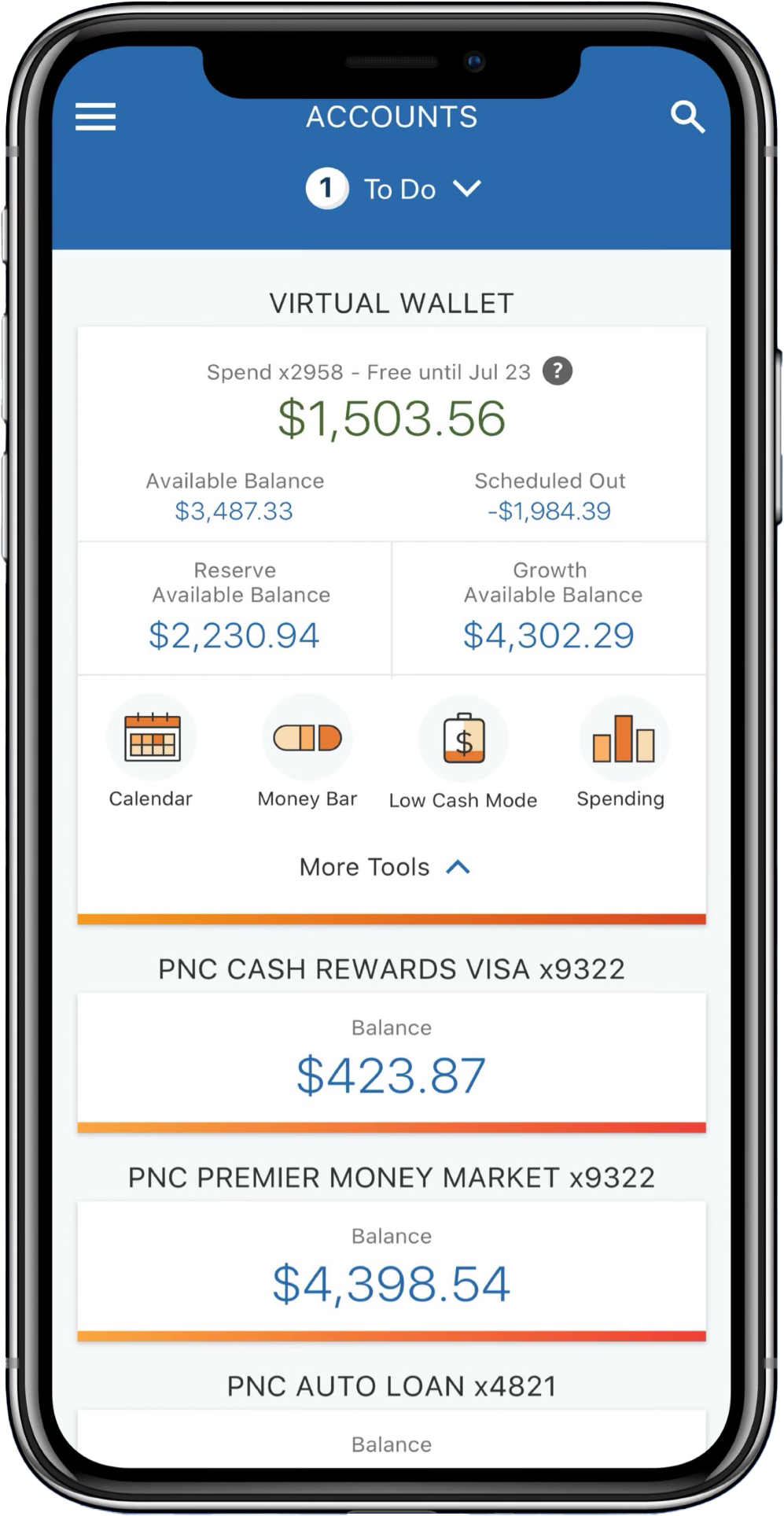
In practice, when a transaction attempts to clear your PNC checking account and there aren’t sufficient funds, the bank’s system automatically checks if a linked reserve account has available funds. If it does, the necessary amount is transferred to cover the transaction. This transfer happens instantaneously, often without the account holder needing to take any action at the moment of the transaction.
Key Benefits for Account Holders
The advantages of having a well-structured reserve account are manifold:
-
Avoid Overdraft Fees: This is perhaps the most immediate and tangible benefit. Overdraft fees can be substantial, often ranging from $30 to $35 per transaction. A reserve account can save account holders hundreds of dollars annually by preventing these charges.
-
Maintain Credit Standing: For businesses, especially, bounced checks or declined payments can damage vendor relationships and creditworthiness. For individuals, consistent overdrafts can reflect poorly on financial management. A reserve account helps ensure all legitimate transactions clear.
-
Peace of Mind: Knowing there’s a safety net for unexpected shortfalls provides significant psychological relief, reducing financial anxiety.
-
Seamless Transactions: Essential bills, subscriptions, and purchases continue without interruption, avoiding late fees or service cancellations that can arise from declined payments.
PNC’s Approach to Reserve Accounts
Like most large financial institutions committed to supporting their customers’ financial well-being, PNC offers various solutions that fall under the umbrella of “reserve accounts” or overdraft protection services. While specific product names and features can evolve, the underlying mechanisms typically involve linking accounts or providing a credit facility.
Specific Products and Services (General Examples)
PNC, similar to other major banks, offers several ways for customers to establish a reserve-like function for their checking accounts:
-
Overdraft Protection Line of Credit: This is a common form of a reserve account. PNC may offer eligible customers a revolving line of credit specifically designed to cover checking account overdrafts. When your checking account runs low, funds are automatically advanced from this line of credit up to a pre-approved limit. This functions like a small loan, and interest is typically charged on the amount borrowed until it’s repaid.
-
Linked Savings Account: A very popular and often cost-effective solution is to link your checking account to a PNC savings account. If your checking account balance is insufficient, funds are automatically transferred from your linked savings account to cover the transaction. While there might be a small transfer fee per incident, this method generally avoids interest charges as you’re using your own money.
-
Linked Credit Card: In some cases, customers might have the option to link a PNC credit card to their checking account for overdraft protection. If an overdraft occurs, a cash advance from the credit card can cover the difference. This option typically incurs cash advance fees and higher interest rates associated with credit card cash advances, making it a more expensive alternative.
PNC aims to provide flexible options, allowing customers to choose the solution that best fits their financial habits and risk tolerance. It’s important to note that eligibility criteria (such as credit history for lines of credit) and specific terms will apply to each option.
Eligibility and Application Process
To set up a reserve account or overdraft protection with PNC, customers typically need to meet certain requirements. For options involving a line of credit or a credit card link, a credit check will likely be part of the application process. Factors such as credit score, income, and existing banking relationship with PNC will influence approval and the credit limit offered.
For a linked savings account, the primary requirement is simply having both a checking and a savings account with PNC. The application process usually involves filling out a form, either online, through the mobile app, or at a branch, specifying which accounts to link and the preferred overdraft protection method. PNC’s financial advisors can guide customers through these choices, helping them understand the nuances of each option.
Associated Costs and Fees
Understanding the costs associated with a reserve account is paramount. While they are designed to save you money on overdraft fees, they aren’t always free:
-
Interest Rates: If your reserve account is an overdraft line of credit, you will be charged interest on the amount borrowed. This interest accrues from the day the funds are advanced until they are repaid. The rates can vary based on your creditworthiness.
-
Transfer Fees: Some banks, including PNC, might charge a small fee for each automatic transfer made from a linked savings account to cover an overdraft. While less than an overdraft fee, it’s a cost to consider.
-
Annual Fees: Less common for basic overdraft protection lines, but some more robust credit lines might have an annual fee.
-
Cash Advance Fees: If a linked credit card is used, you will incur cash advance fees from the credit card issuer, in addition to potentially higher interest rates that apply to cash advances.
It’s crucial for PNC customers to review the terms and conditions carefully to understand all potential costs. The goal is always for these costs to be significantly less than what you would pay in multiple overdraft fees.
The Strategic Role of Reserve Accounts in Personal and Business Finance
Beyond merely preventing overdrafts, a well-managed reserve account plays a strategic role in fostering broader financial resilience and effective cash flow management for both individuals and businesses.
For Individuals: Budgeting and Financial Resilience
For personal finance, a reserve account integrates into a robust budgeting strategy. It acknowledges that even the most meticulous budget can be derailed by unforeseen circumstances—a sudden car repair, an emergency medical bill, or an unexpected delay in income.
-
Part of a Holistic Financial Plan: It serves as a secondary layer of protection, complementing an emergency fund. While an emergency fund is for larger, planned contingencies, a reserve account handles immediate, smaller shortfalls without tapping into long-term savings or incurring high-cost debt.
-
Helps Manage Irregular Income/Expenses: For freelancers or those with variable incomes, a reserve account can smooth out the peaks and valleys, ensuring critical payments are always met. Similarly, it helps manage periodic large expenses without disrupting daily cash flow.
-
Builds Financial Discipline: While it’s a safety net, awareness of its presence can encourage more diligent budgeting and tracking of expenses to avoid triggering its use, thus building stronger financial habits over time.
For Small Businesses: Cash Flow Management
For small and medium-sized businesses, effective cash flow management is often the difference between success and failure. A reserve account, typically an overdraft line of credit, is an indispensable tool:
-
Critical for Managing Fluctuating Revenue and Expenses: Businesses often face periods of uneven income (e.g., seasonal businesses) or large, periodic expenses (e.g., inventory purchases, tax payments). A reserve account can bridge these temporary gaps.
-
Ensures Payroll and Vendor Payments are Made on Time: Bouncing a payroll check or delaying a vendor payment can have severe consequences, damaging employee morale and crucial business relationships. A reserve account ensures these critical obligations are met.
-
Prevents Business Interruptions and Reputational Damage: Unpaid bills or returned checks can lead to service interruptions (e.g., utilities, internet) or damage a business’s reputation and credit score, making it harder to secure future financing or terms with suppliers.
-
Bridges Short-Term Liquidity Gaps: It provides immediate access to funds to cover operational expenses when sales receipts are delayed or unexpected costs arise, ensuring business continuity.
Distinguishing from Emergency Funds
It’s crucial to differentiate a reserve account (especially one that’s a line of credit) from a dedicated emergency fund. An emergency fund is typically liquid cash savings set aside for larger, unforeseen events (job loss, major medical emergency) with the intent of not touching it for everyday use. A reserve account, particularly a credit-based one, is a debt facility that should ideally only be used for very short-term, small shortfalls, with the expectation of prompt repayment. While both provide a safety net, an emergency fund represents accumulated wealth, while a credit-based reserve account is a borrowing privilege.
Best Practices for Utilizing a PNC Reserve Account
Having a reserve account with PNC is a smart financial move, but its effectiveness hinges on responsible management and a clear understanding of its terms.
Proactive Management
Don’t just set up your reserve account and forget about it. Regularly review your checking account balance and anticipate upcoming expenses. The goal should always be to avoid triggering the reserve account if possible, or to minimize its usage. Leverage PNC’s online banking and mobile app to monitor transactions and balances in real-time. Set up balance alerts to notify you when your account dips below a certain threshold.
Understanding Terms and Conditions
Before linking any account or signing up for a line of credit, thoroughly read and understand all the terms and conditions provided by PNC. Pay close attention to:
-
Interest Rates: For lines of credit, know the Annual Percentage Rate (APR) and how interest is calculated.
-
Fees: Identify any transfer fees, annual fees, or other charges associated with using the reserve account.
-
Credit Limits: Be aware of your credit limit and avoid exceeding it, as this can lead to additional fees or declined transactions.
-
Repayment Terms: Understand how and when borrowed funds need to be repaid. For lines of credit, prompt repayment minimizes interest charges.
When to Use and When to Avoid
A reserve account is for genuine short-term shortfalls, not for chronic spending beyond your means. Use it for unexpected gaps or minor miscalculations in your budget. Avoid treating it as an extension of your primary spending money or as a substitute for disciplined budgeting. If you find yourself consistently relying on your reserve account, it’s a clear signal to re-evaluate your budget, spending habits, or income sources.
Reviewing Alternatives
While a PNC reserve account is a valuable tool, it’s also wise to consider and implement other financial strategies to reduce your reliance on it:
-
Build a Larger Savings Buffer: The best overdraft protection is having sufficient funds in your checking account or readily available in an emergency savings fund.
-
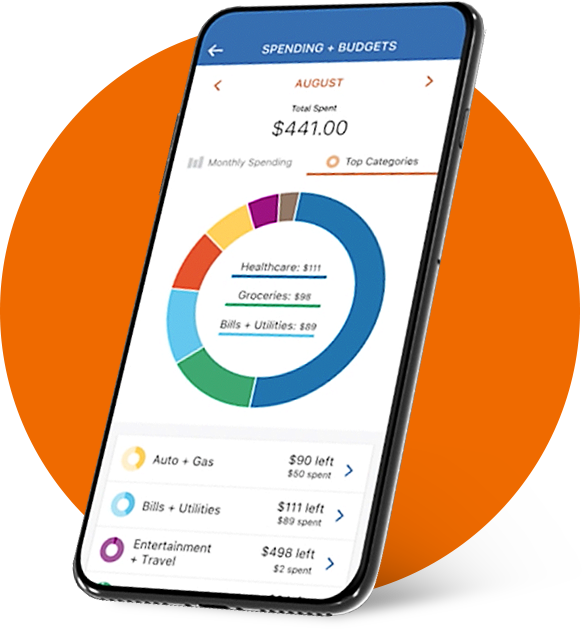
Budgeting Apps and Tools: Utilize budgeting software or PNC’s financial management tools to track spending, categorize expenses, and forecast cash flow, thereby preventing shortfalls proactively.
-
Direct Deposit Splitting: If possible, arrange with your employer to split your direct deposit, sending a portion directly into a savings account to build up your buffer automatically.

Conclusion
A reserve account at PNC is more than just a financial perk; it’s a foundational element of sound financial management for both individuals and businesses. By providing an immediate and reliable safety net against insufficient funds, it helps prevent costly overdraft fees, maintains financial integrity, and offers invaluable peace of mind. Whether structured as a line of credit or a linked savings account, understanding its mechanisms, associated costs, and best practices for utilization empowers PNC customers to navigate financial fluctuations with greater confidence and stability. In a world where financial surprises are inevitable, a well-managed reserve account is an intelligent and indispensable tool for safeguarding your financial well-being.
aViewFromTheCave is a participant in the Amazon Services LLC Associates Program, an affiliate advertising program designed to provide a means for sites to earn advertising fees by advertising and linking to Amazon.com. Amazon, the Amazon logo, AmazonSupply, and the AmazonSupply logo are trademarks of Amazon.com, Inc. or its affiliates. As an Amazon Associate we earn affiliate commissions from qualifying purchases.