
In the rapidly evolving landscape of digital finance, traditional banking models are continuously being challenged and transformed by innovative technological solutions. Among these, the concept of a “virtual wallet” has emerged as a cornerstone of modern personal financial management. When we delve into “What is the Virtual Wallet from PNC?”, we are exploring a pioneering integrated digital banking platform that has redefined how a major financial institution delivers services, focusing on user-centric design, robust functionality, and forward-thinking financial tools. It’s not merely an app or a set of accounts; it’s a meticulously crafted digital ecosystem engineered to empower users with greater control, insight, and foresight into their financial lives.

PNC Virtual Wallet represents a significant leap from traditional checking and savings accounts, integrating them into a dynamic digital interface. Launched over a decade ago, it was ahead of its time in anticipating the need for a unified, intuitive, and predictive financial management tool. This platform leverages sophisticated software architecture and design principles to offer a holistic view of a user’s money, helping them manage spending, set savings goals, and avoid common financial pitfalls. By packaging transactional capabilities with advanced budgeting and forecasting tools, PNC Virtual Wallet embodies the intersection of banking and innovative technology, providing a coherent and actionable financial experience that goes far beyond basic online banking.
Revolutionizing Personal Finance: The Concept of PNC Virtual Wallet
The very essence of PNC Virtual Wallet lies in its innovative approach to simplifying complex financial tasks and making them accessible through a digital interface. It was conceived not just as a transactional tool but as a comprehensive personal financial operating system, designed to empower users to be more intentional and effective with their money.
The Shift from Traditional Banking to Digital Empowerment
For decades, banking involved a fragmented approach: separate checking accounts for daily transactions, distinct savings accounts for long-term goals, and often manual tracking of expenses and budgets. PNC Virtual Wallet recognized the inefficiencies and disengagement inherent in this model. Its inception marked a deliberate shift towards consolidating these disparate elements into a single, cohesive digital experience. The platform aimed to provide users with a “single pane of glass” view of their finances, making it easier to understand their cash flow, track spending, and progress towards financial objectives without needing to juggle multiple apps, spreadsheets, or physical records.
This digital empowerment is rooted in the platform’s ability to offer real-time insights and proactive guidance. By analyzing spending patterns and income, Virtual Wallet helps users identify trends, predict potential shortfalls, and celebrate savings milestones. This predictive capability, driven by sophisticated algorithms and data processing, transforms the user from a reactive financial manager into a proactive planner, fostering a sense of control and confidence over their economic future.
Integrating Accounts: A Unified Digital Dashboard
At its core, PNC Virtual Wallet masterfully integrates three distinct accounts into one seamless digital dashboard:
-
Spend: This functions as the primary checking account for everyday transactions, bill payments, and debit card purchases. It’s designed for liquidity and easy access.
-
Reserve: This is an interest-bearing account intended for short-term savings and managing unexpected expenses. It acts as a buffer, preventing the need to dip into long-term savings or incur overdraft fees.
-
Growth: This account is geared towards long-term savings goals, offering a higher interest rate to encourage sustained financial growth.
The genius of this integration lies in the intelligent interplay between these accounts. Users can effortlessly transfer funds between them within the digital interface, setting up automatic transfers or reacting to real-time financial needs. This unified approach eliminates the friction often associated with managing multiple accounts across different platforms or even within the same bank, presenting a clean, intuitive financial command center. The digital dashboard serves as the central hub, providing a snapshot of balances across all three accounts, recent transactions, and progress towards financial goals, all meticulously presented through a user-friendly technological interface.
Unpacking the Core Technology: Features and Functionality
The technological backbone of PNC Virtual Wallet is designed to provide a rich array of features that go beyond basic banking, offering sophisticated tools for budgeting, forecasting, and financial planning.
Spend, Reserve, and Growth: The Account Structure Explained
The tripartite account structure is the fundamental technological architecture of Virtual Wallet. The “Spend” account is engineered for transactional speed and accessibility, supporting instant debit card transactions, digital payments, and direct deposits. The “Reserve” account, while also accessible, is technically optimized for emergency funds, featuring tools like the “Danger Day” alert system (an early warning for potential overdrafts) which relies on algorithms to project cash flow. The “Growth” account is structured with features that encourage long-term savings, potentially with tiered interest rates or tools for setting specific savings goals. The entire system is built on a robust core banking platform, enhanced with layers of middleware and front-end applications to provide the seamless user experience.
Advanced Budgeting and Financial Tools
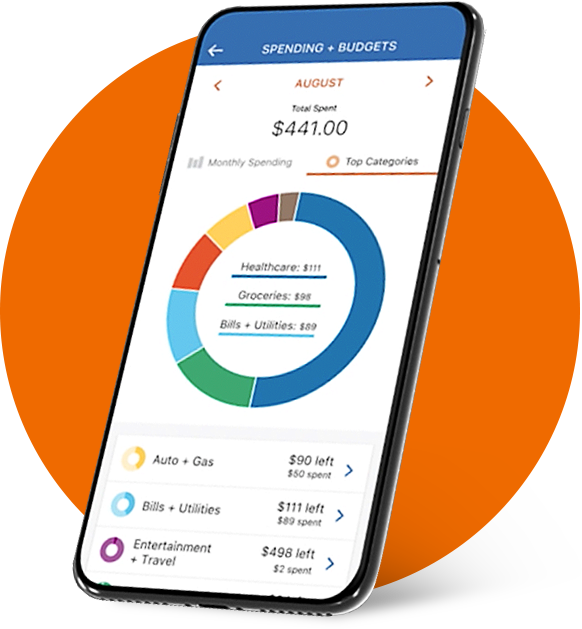
PNC Virtual Wallet distinguishes itself through its embedded advanced budgeting and financial management tools. The “Calendar” feature is a prime example, visually mapping out upcoming bills, paychecks, and scheduled transfers. This interactive calendar isn’t just a display; it’s a predictive engine, allowing users to see how future transactions will impact their balance, thereby helping them avoid potential overdrafts or plan larger purchases.
The “Wish List” feature leverages goal-setting technology, allowing users to define savings targets for specific items or experiences (e.g., a new car, a vacation). The system then tracks progress, calculates how much needs to be saved per period, and can even facilitate automatic transfers to the Growth account to reach these goals. Furthermore, categorization tools automatically sort transactions, providing detailed breakdowns of spending across various categories, enabling users to identify areas for potential savings. This deep level of financial introspection is powered by machine learning algorithms that constantly refine transaction categorization and personalize financial advice.
Real-Time Insights and Alerts: Proactive Financial Management
A critical technological component of Virtual Wallet is its ability to provide real-time insights and proactive alerts. Leveraging a sophisticated notification system, the platform sends timely alerts for low balances, upcoming bills, significant spending events, and even when a deposit clears. The aforementioned “Danger Day” feature uses predictive analytics to flag potential overdraft situations up to a week in advance, giving users ample time to adjust their spending or transfer funds. These alerts are configurable, allowing users to customize what information they receive and how they receive it (e.g., push notifications, email, SMS). This proactive communication mechanism transforms the user experience from reactive problem-solving to anticipatory financial management, a key differentiator powered by intelligent data processing and communication protocols.
Ensuring Digital Trust: Security and Privacy in Virtual Wallet
In an era of increasing cyber threats, the security and privacy of digital financial platforms are paramount. PNC Virtual Wallet employs a multi-layered approach to protect user data and transactions, adhering to rigorous industry standards and leveraging advanced security technologies.
Multi-Layered Security Protocols
The core of Virtual Wallet’s security architecture involves multiple layers of protection. This includes strong encryption for all data in transit and at rest, protecting sensitive information from unauthorized access. The platform utilizes Transport Layer Security (TLS) and Secure Socket Layer (SSL) protocols for secure communication between the user’s device and PNC’s servers. Additionally, PNC implements sophisticated firewalls and intrusion detection systems to monitor and thwart potential cyberattacks. Regular security audits and vulnerability assessments are conducted to ensure the integrity of the system and adapt to emerging threats. This proactive and comprehensive security posture is foundational to maintaining customer trust in the digital banking environment.
Data Encryption and User Authentication
Every piece of sensitive information within Virtual Wallet, from account numbers to transaction details, is protected through robust encryption algorithms. This ensures that even if data were intercepted, it would be unintelligible without the proper decryption keys. Beyond data encryption, user authentication is a critical security layer. PNC Virtual Wallet supports strong password policies, and increasingly incorporates multi-factor authentication (MFA). MFA requires users to verify their identity using more than one method (e.g., password plus a one-time code sent to a registered phone), significantly reducing the risk of unauthorized access due to compromised credentials. Biometric authentication (fingerprint, facial recognition) is also integrated for compatible devices, offering a convenient yet highly secure login experience.
Protecting Your Digital Financial Footprint
PNC is committed to protecting the privacy of its users’ financial data. This involves not only securing the technical infrastructure but also adhering to strict privacy policies regarding how personal and financial information is collected, stored, and used. Data is anonymized or aggregated where possible for internal analysis, ensuring individual privacy is maintained. Furthermore, Virtual Wallet includes features that allow users to monitor their digital financial footprint, such as transaction history and alerts, empowering them to identify any suspicious activity quickly. The bank also provides resources and education on best practices for online security, reinforcing the shared responsibility between the institution and its users in maintaining a secure digital financial environment.
The User Experience: Interface, Accessibility, and Integration
A powerful technological platform is only effective if it’s accessible and intuitive for its users. PNC Virtual Wallet prioritizes a seamless user experience through thoughtful design and integration.
Intuitive Design and Mobile Optimization
The user interface of PNC Virtual Wallet is designed with clarity and simplicity in mind, presenting complex financial information in an easy-to-understand visual format. The dashboard is clean, uncluttered, and customizable, allowing users to arrange widgets and information according to their preferences. Crucially, the platform is fully optimized for mobile devices, offering dedicated iOS and Android applications that mirror the desktop experience with mobile-specific enhancements like touch navigation and push notifications. This mobile-first approach ensures that users can manage their finances anytime, anywhere, with the full functionality of the Virtual Wallet accessible from the palm of their hand.
Seamless Integration with Other PNC Services
PNC Virtual Wallet isn’t an isolated application; it’s deeply integrated into the broader PNC banking ecosystem. This means users can seamlessly access other PNC services, such as credit card management, mortgage information, or investment accounts, often from within the Virtual Wallet interface or via easy navigation links. This integration fosters a truly unified banking experience, eliminating the need to log into multiple portals or apps for different financial products. Furthermore, it supports features like Zelle for peer-to-peer payments and external account linking, expanding the wallet’s functionality beyond PNC’s proprietary offerings.
Beyond the Basics: Advanced Customization and Automation
Beyond standard features, Virtual Wallet offers advanced customization options. Users can set up personalized alerts, categorize transactions manually or refine automatic categorizations, and customize their financial goals. Automation is a key technological enabler here; users can schedule recurring transfers between their Spend, Reserve, and Growth accounts, set up automatic bill payments, and even automate savings contributions to their “Wish List” goals. This level of customization and automation transforms Virtual Wallet from a static financial tracker into a dynamic, personalized financial assistant, adapting to individual financial habits and aspirations.
The Future of Digital Banking: Virtual Wallet’s Evolving Role
As technology continues its rapid advancement, PNC Virtual Wallet is poised to evolve further, incorporating cutting-edge innovations to enhance its utility and intelligence.
AI, Personalization, and Predictive Analytics
The future of Virtual Wallet will undoubtedly involve deeper integration of Artificial Intelligence (AI) and machine learning. This will lead to even more personalized financial advice, moving beyond generic alerts to highly specific, actionable recommendations tailored to individual spending patterns and financial goals. Predictive analytics will become more sophisticated, offering not just “Danger Day” alerts but also proactive suggestions for optimizing savings, identifying opportunities for debt reduction, or even recommending investment strategies based on risk tolerance and financial capacity. Imagine an AI that learns your spending habits and advises you on the optimal time to pay certain bills to maximize interest earned or minimize fees.

Adapting to Emerging Fintech Trends
The digital banking landscape is constantly reshaped by emerging fintech trends. Virtual Wallet will need to adapt to and integrate new technologies such as open banking APIs, allowing for seamless data exchange with third-party financial apps (with user consent). Voice banking and conversational AI interfaces could become more prevalent, enabling users to interact with their Virtual Wallet through natural language commands. Furthermore, as digital currencies and blockchain technology mature, future iterations of Virtual Wallet might explore ways to incorporate these elements, providing users with even broader financial capabilities within a secure and familiar environment. The continuous evolution of cybersecurity threats will also necessitate ongoing innovation in security protocols, ensuring that Virtual as a platform remains at the forefront of protecting digital financial assets.
In conclusion, the PNC Virtual Wallet is far more than a mere online banking portal; it is a sophisticated, technologically advanced financial management platform. It represents PNC’s commitment to empowering customers with the tools and insights necessary to navigate their financial lives effectively in the digital age. By integrating robust account structures with intelligent budgeting tools, proactive alerts, and stringent security measures, all wrapped in an intuitive user experience, Virtual Wallet continues to set a benchmark for what a modern digital banking solution can achieve. Its ongoing evolution promises to leverage future technological advancements, ensuring its continued relevance and utility in the ever-changing world of personal finance.
aViewFromTheCave is a participant in the Amazon Services LLC Associates Program, an affiliate advertising program designed to provide a means for sites to earn advertising fees by advertising and linking to Amazon.com. Amazon, the Amazon logo, AmazonSupply, and the AmazonSupply logo are trademarks of Amazon.com, Inc. or its affiliates. As an Amazon Associate we earn affiliate commissions from qualifying purchases.