
In an era of economic flux and rising costs, the idea of making your money work for you has shifted from a financial ideal to a practical necessity. Stagnant savings accounts erode wealth through inflation, and the pursuit of financial independence demands a proactive approach to capital utilization. This article delves into the strategies, vehicles, and mindsets required to transform your dormant savings into active assets, generating further income and accelerating your journey toward financial freedom. It’s about more than just saving; it’s about intelligent deployment and strategic growth, turning your existing capital into a powerful engine for wealth creation.

Understanding the Power of Capital: Why Your Money Must Work for You
For many, money is a tool for consumption or a buffer against unforeseen circumstances. However, its most potent characteristic lies in its ability to generate more money. This principle, often referred to as “making your money work for you,” is the cornerstone of wealth building and passive income generation. Understanding this fundamental concept is the first step toward unlocking your financial potential.
The Concept of Passive Income
Passive income is earnings derived from an enterprise in which one is not actively involved. It’s the antithesis of earned income, where you trade time for money. Examples include rental income, dividends from stocks, interest from investments, or royalties from intellectual property. The beauty of passive income is that once the initial investment of time or money is made, it can continue to generate revenue with minimal ongoing effort, freeing up your time and providing financial security. It’s about creating systems that pay you repeatedly, allowing you to decouple your income from your daily labor.
Why Your Money Needs to Work for You: Combatting Erosion and Seizing Opportunity
Leaving large sums of money in low-interest savings accounts is, in essence, losing money. Inflation steadily erodes purchasing power, meaning that the same amount of money buys less over time. If your money isn’t growing at a rate that at least matches inflation, you’re falling behind. Furthermore, there’s the opportunity cost – the returns you forgo by not investing your capital wisely. Every dollar sitting idle is a dollar missing out on potential growth, compounding, and income generation. By actively deploying your capital, you not only protect its value but actively enhance it, creating a robust financial future resistant to inflationary pressures and responsive to growth opportunities.
Foundational Steps Before You Invest
Before diving into the myriad investment options, it’s crucial to lay a solid financial groundwork. Rushing into investments without proper preparation can lead to stress, poor decisions, and potential losses. These foundational steps ensure your financial house is in order, providing a stable platform for your investment journey.
Building an Emergency Fund
An emergency fund is your financial safety net, typically comprising 3-6 months’ worth of living expenses stored in an easily accessible, liquid account (like a high-yield savings account). This fund prevents you from having to sell investments at an inopportune time or accrue high-interest debt when unexpected expenses arise, such as job loss, medical emergencies, or significant home repairs. It’s a non-negotiable first step, offering peace of mind and protecting your long-term investment strategy.
Clearing High-Interest Debt
Debt, especially high-interest debt like credit card balances or personal loans, acts as a significant drag on your financial progress. The interest rates on such debts often far exceed the returns you could realistically expect from most investments. Therefore, prioritizing the repayment of these debts is often the most financially sound “investment” you can make, as it guarantees a return equivalent to the interest rate saved. Eliminating this burden frees up cash flow and allows your investment capital to grow unencumbered.
Defining Your Financial Goals and Risk Tolerance
Every investment journey needs a destination. Are you saving for retirement, a down payment on a house, your child’s education, or simply long-term wealth accumulation? Your goals will dictate your investment horizon, the types of assets you choose, and your overall strategy. Equally important is understanding your risk tolerance – your emotional and financial ability to withstand fluctuations in investment value. A high-risk tolerance might lead you to more volatile, high-growth assets, while a low tolerance might favour more stable, income-generating options. Being honest about your risk appetite prevents panic selling during market downturns and ensures your investment strategy aligns with your personal comfort level.
Diverse Avenues for Investing Your Capital
Once your financial foundation is secure, you can explore the various channels available to make your money work harder. Each avenue carries its own risk-reward profile, requiring careful consideration based on your goals and risk tolerance.
Traditional Investment Vehicles
These are the most common starting points for many investors.
-
Stocks: Representing ownership in a company, stocks offer potential for significant capital appreciation and dividend income. They are generally considered more volatile but offer higher long-term returns.
-
Bonds: Essentially loans made to governments or corporations, bonds provide fixed interest payments over a set period. They are typically less volatile than stocks and are often used to balance portfolios.
-
Mutual Funds and Exchange-Traded Funds (ETFs): These are professionally managed portfolios of stocks, bonds, or other assets. They offer diversification, convenience, and often lower entry barriers, making them ideal for beginners. ETFs can be traded like stocks throughout the day, while mutual funds are typically bought or sold once daily.
Real Estate Investments
Real estate offers both income generation and capital appreciation potential.
-
Rental Properties: Purchasing residential or commercial properties to rent out provides a steady stream of passive income, along with potential property value appreciation. This option requires significant capital and active management (or hiring a property manager).
-
Real Estate Investment Trusts (REITs): These are companies that own, operate, or finance income-producing real estate. They allow individuals to invest in real estate without physically owning property, offering liquidity and diversification similar to stocks.
-
Real Estate Crowdfunding: Platforms that allow multiple investors to pool money to invest in larger real estate projects, lowering the entry barrier for individual investors.
Business Ventures & Entrepreneurship
For those with an entrepreneurial spirit or an interest in supporting startups.
-
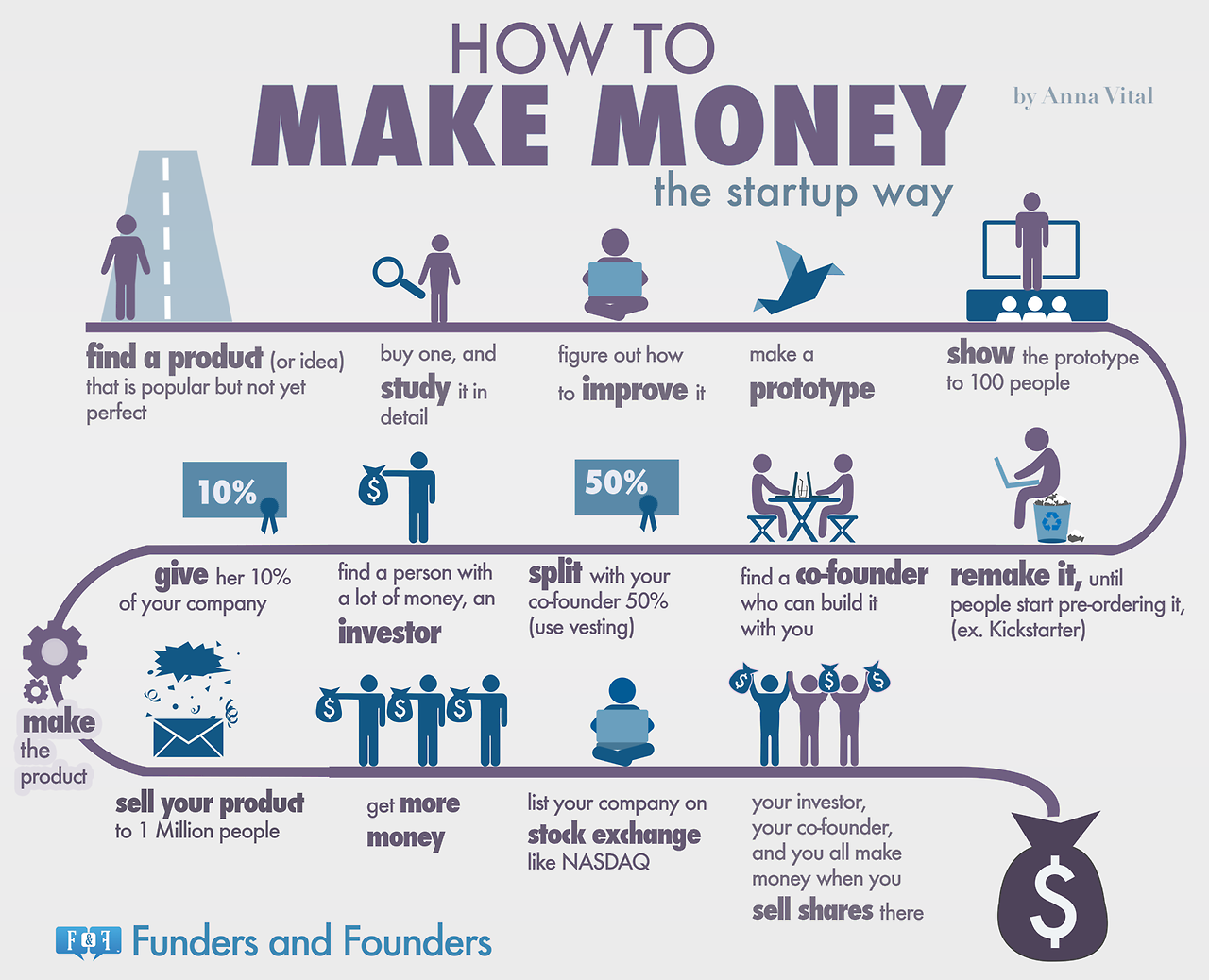
Angel Investing/Venture Capital: Investing directly in promising startups or early-stage companies in exchange for equity. This is a high-risk, high-reward strategy that requires significant due diligence.
-
Small Business Equity: Investing in or acquiring a stake in an existing small business can provide income through profits or capital gains if the business grows and is eventually sold. This often involves more active participation or oversight than other passive investments.
Alternative Investments
Beyond traditional markets, several other options exist.
-
Peer-to-Peer (P2P) Lending: Lending money directly to individuals or small businesses through online platforms, earning interest on the loans.
-
Commodities: Investing in raw materials like gold, silver, oil, or agricultural products. These can act as a hedge against inflation and offer diversification, though they can be volatile.
-
Digital Assets (Cryptocurrencies): Highly volatile and speculative, cryptocurrencies like Bitcoin and Ethereum represent a newer, high-risk asset class that can offer significant returns but also substantial losses. Requires extensive research and understanding of the underlying technology.
Strategic Approaches to Wealth Accumulation
Simply choosing an investment vehicle isn’t enough; how you invest is just as crucial. Strategic approaches can optimize returns, manage risk, and align your investments with your long-term financial objectives.
Long-Term Growth Strategies: Compounding and Dollar-Cost Averaging
-
The Power of Compounding: Often called the “eighth wonder of the world,” compounding is the process of earning returns not only on your initial investment but also on the accumulated interest or returns from previous periods. Reinvesting your earnings allows your money to grow exponentially over time. Starting early and consistently contributing are key to harnessing its full potential.
-
Dollar-Cost Averaging (DCA): This strategy involves investing a fixed amount of money at regular intervals, regardless of market fluctuations. When prices are high, your fixed amount buys fewer shares; when prices are low, it buys more. This approach reduces the risk of making a large investment at a market peak and smooths out the average purchase price over time.
Income-Generating Strategies: Dividends, Rental Yields, and Interest
While capital appreciation focuses on the growth of the asset’s value, income-generating strategies prioritize regular cash flow.
-
Dividends: Many companies distribute a portion of their profits to shareholders in the form of dividends. Investing in dividend-paying stocks or funds can provide a steady stream of income.
-
Rental Yields: For real estate investments, the rental yield is the annual income generated from rent as a percentage of the property’s value. A strong rental yield indicates a good income-generating asset.
-
Interest: Bonds, P2P lending, and high-yield savings accounts generate income through interest payments, offering a more predictable, though often lower, return.
Diversification and Risk Management
“Don’t put all your eggs in one basket” is fundamental investment wisdom. Diversification involves spreading your investments across different asset classes, industries, and geographical regions to mitigate risk. If one investment performs poorly, others may perform well, balancing out your overall portfolio. Risk management also involves regular portfolio reviews, rebalancing to maintain your desired asset allocation, and understanding that all investments carry some degree of risk.
The Role of Financial Planning and Professional Guidance
Navigating the complexities of investment can be daunting. A qualified financial planner can help you define your goals, assess your risk tolerance, create a personalized investment strategy, and guide you through market volatility. They can also assist with tax-efficient investing, estate planning, and adapting your strategy as your life circumstances change. While self-directed investing is possible, professional guidance can be invaluable, especially for significant wealth accumulation.
Overcoming Challenges and Maintaining Momentum
The path to making your money work for you is rarely a straight line. Challenges are inevitable, but with the right mindset and strategies, you can navigate them successfully and maintain your momentum toward financial prosperity.
Navigating Market Volatility
Market downturns and fluctuations are a normal part of investing. The key is to avoid making impulsive, fear-driven decisions. Instead, view corrections as opportunities to buy assets at a discount (if your long-term strategy remains sound). A well-diversified portfolio and a long-term perspective are your best defenses against short-term market noise. Remind yourself of your initial goals and resist the urge to panic sell.
Avoiding Common Investment Pitfalls
Common mistakes include chasing “hot” stocks, neglecting diversification, emotional investing, taking on excessive debt to invest, and failing to adjust your strategy as your life changes. Education, discipline, and patience are crucial for avoiding these traps. Continuously learning about personal finance and investment principles will equip you to make informed decisions.

Continuous Learning and Adaptation
The financial landscape is dynamic. New investment vehicles emerge, economic conditions shift, and personal circumstances evolve. Successful investors commit to continuous learning, staying informed about market trends, and being willing to adapt their strategies as needed. This doesn’t mean constantly tinkering with your portfolio, but rather being aware and making considered adjustments when fundamental shifts occur or your goals change.
Making money with your money is an empowering journey that transforms your relationship with wealth. By understanding the principles of capital growth, establishing a strong financial foundation, exploring diverse investment avenues, and employing strategic approaches, you can build a robust financial future. It requires discipline, patience, and a commitment to continuous learning, but the rewards—financial independence, security, and the freedom to pursue your passions—are immeasurable. Start today, and let your money begin its essential work for you.
aViewFromTheCave is a participant in the Amazon Services LLC Associates Program, an affiliate advertising program designed to provide a means for sites to earn advertising fees by advertising and linking to Amazon.com. Amazon, the Amazon logo, AmazonSupply, and the AmazonSupply logo are trademarks of Amazon.com, Inc. or its affiliates. As an Amazon Associate we earn affiliate commissions from qualifying purchases.