
In an increasingly complex financial world, the desire to not just earn money, but to make it grow, is a universal aspiration. It’s about more than just saving; it’s about strategic planning, informed decision-making, and leveraging the power of time and various financial tools to build wealth and secure your future. This comprehensive guide will demystify the process, offering actionable insights and a roadmap to transform your financial aspirations into tangible growth. Whether you’re just starting your financial journey or looking to amplify existing assets, understanding the principles of money growth is the cornerstone of lasting prosperity. It’s a journey that requires discipline, patience, and a willingness to continuously learn and adapt. The goal isn’t just accumulation, but creating a resilient financial ecosystem that serves your life goals, from early retirement and world travel to leaving a lasting legacy.
The Foundation: Building a Strong Financial Base
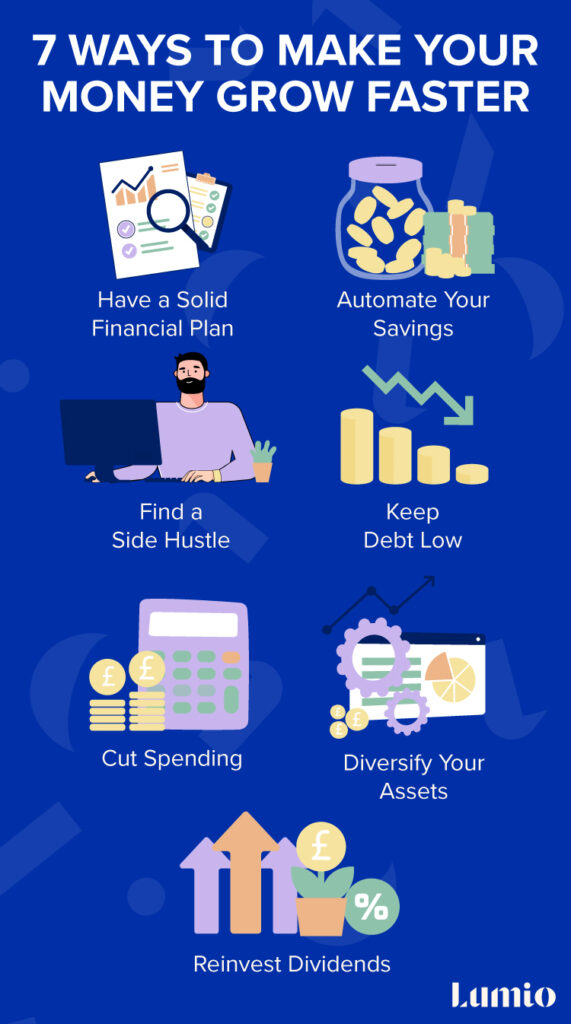
Before you can effectively make your money grow, you must first establish a solid financial foundation. This involves understanding your current financial position, creating a clear budget, and prioritizing the essential steps that will prevent future setbacks. Think of it as preparing the soil before planting seeds; a nutrient-rich and stable environment is crucial for healthy growth. Without these foundational elements, even the most aggressive growth strategies can be undermined by unforeseen expenses or poor financial habits.
Understanding Your Current Financial Landscape
The first step in any financial journey is a comprehensive assessment of your current situation. This means taking an honest look at your income, expenses, assets, and liabilities. Compile a detailed list of all your sources of income – salary, freelance work, passive income, etc. Then, meticulously track all your expenditures for at least a month, categorizing them as fixed (rent, loan payments) or variable (groceries, entertainment). Simultaneously, list all your assets (savings, investments, property) and liabilities (credit card debt, student loans, mortgage). This holistic view provides a clear picture of your net worth and where your money is actually going. Many find this exercise to be an eye-opener, revealing hidden spending patterns or forgotten recurring subscriptions that drain resources unnecessarily. It’s the essential first diagnostic before any treatment plan can be designed.
Creating a Realistic Budget and Tracking Expenses
Once you have a clear understanding of your income and expenses, the next critical step is to create a realistic and actionable budget. A budget isn’t about restriction; it’s about control and intentionality. Allocate specific amounts for various categories, ensuring that your essential needs are met, your savings goals are incorporated, and there’s still room for discretionary spending. Popular budgeting methods include the 50/30/20 rule (50% needs, 30% wants, 20% savings/debt repayment) or zero-based budgeting, where every dollar is assigned a purpose. Crucially, don’t just create a budget and forget it; consistently track your expenses against your budget. Utilize budgeting apps, spreadsheets, or even pen and paper to monitor where your money goes. Regular review and adjustment are key to its effectiveness, ensuring it remains a living document that adapts to your changing circumstances and financial goals.
Prioritizing Debt Reduction and Emergency Savings
With a budget in place, the immediate priorities should be aggressive debt reduction and building an emergency fund. High-interest debt, such as credit card balances or personal loans, acts as an anchor, significantly hindering your ability to save and invest. Focus on paying these down as quickly as possible, often using strategies like the debt snowball or debt avalanche methods. Simultaneously, an emergency fund is non-negotiable. Aim to save 3-6 months’ worth of living expenses in an easily accessible, high-yield savings account. This fund acts as a crucial safety net, preventing you from going into debt or having to liquidate investments when unexpected events like job loss, medical emergencies, or significant home repairs arise. Without this buffer, any progress made in growing your money can quickly be undone.
Investing for Growth: Putting Your Money to Work
Once your financial foundation is stable, the real work of making your money grow begins: investing. Investing allows your money to earn returns, potentially outpacing inflation and compounding over time to create substantial wealth. It shifts your money from a static resource to an active participant in your financial future. The key is understanding the options, managing risk, and committing to a long-term strategy.
Demystifying Investment Vehicles
The world of investments can seem daunting, but it comprises several fundamental vehicles, each with its own characteristics.
-
Stocks: Represent ownership in a company. They offer the potential for high returns but also carry higher risk and volatility.
-
Bonds: Essentially loans made to governments or corporations. They are generally less volatile than stocks and provide fixed income, making them a cornerstone of conservative portfolios.
-
Mutual Funds: Professionally managed portfolios of stocks, bonds, or other securities. They offer diversification and convenience but come with management fees.
-
Exchange-Traded Funds (ETFs): Similar to mutual funds but trade like stocks on an exchange. They often have lower fees and greater flexibility.
-
Real Estate: Can include purchasing physical property for rental income or appreciation, or investing in Real Estate Investment Trusts (REITs) which are publicly traded companies that own income-producing real estate.
-
Alternative Investments: While often for accredited investors, these include private equity, venture capital, commodities, or even cryptocurrencies. They carry higher risks but can offer diversification and potentially higher returns for those with the appropriate risk tolerance and understanding.
Understanding these options allows you to build a diversified portfolio tailored to your goals.
The Power of Compound Interest
Often called the “eighth wonder of the world,” compound interest is the engine of long-term wealth growth. It’s the interest you earn not only on your initial investment but also on the accumulated interest from previous periods. The effect is exponential. A small sum invested early and allowed to compound over decades can grow into a significant fortune, far surpassing what simple interest would yield. For example, consistently investing $100 per month from age 25 to 65 at an average annual return of 7% could result in over $260,000, while only $48,000 was contributed. The longer your money has to compound, the more powerful this effect becomes, highlighting the crucial advantage of starting to invest as early as possible. Time is your greatest asset in compounding.
Developing an Investment Strategy
A successful investment journey is guided by a well-defined strategy, not by emotion or market fads. This strategy should be built upon three pillars:
-
Risk Tolerance: How much fluctuation are you comfortable with in your portfolio? Are you a conservative investor who prioritizes capital preservation, or an aggressive investor willing to accept higher risk for potentially higher returns?
-
Time Horizon: When do you need the money? Short-term goals (e.g., a down payment in 3 years) typically require less risky investments than long-term goals (e.g., retirement in 30 years).
-
Diversification: The principle of “not putting all your eggs in one basket.” Spreading your investments across different asset classes, industries, and geographies reduces overall risk. If one investment performs poorly, others might perform well, balancing out the portfolio.
A common strategy for long-term investors is to maintain a diversified portfolio that includes a mix of stocks and bonds, adjusting the allocation as they approach retirement (e.g., more stocks when young, gradually shifting to more bonds later). Rebalancing your portfolio periodically ensures it aligns with your risk tolerance and goals.
Leveraging Retirement Accounts

One of the most effective ways to make money grow, especially for the long term, is by utilizing tax-advantaged retirement accounts.
-
401(k)s (and 403(b)s): Employer-sponsored plans that allow you to contribute pre-tax income, reducing your taxable income in the present. Your investments grow tax-deferred, and you pay taxes only upon withdrawal in retirement. Many employers offer matching contributions, which is essentially free money and an immediate 100% return on your investment.
-
Individual Retirement Accounts (IRAs): Available to anyone with earned income. Traditional IRAs offer tax-deductible contributions and tax-deferred growth, similar to a 401(k). Roth IRAs are funded with after-tax dollars, meaning contributions are not deductible, but qualified withdrawals in retirement are entirely tax-free. The choice between Traditional and Roth often depends on your current income level and your anticipated tax bracket in retirement.
These accounts provide significant tax benefits that accelerate wealth accumulation, making them indispensable tools for growing your money for retirement. Maxing out contributions to these accounts should be a top priority for most individuals.
Diversifying Income Streams: Beyond the Traditional Paycheck
While investing is crucial for growing your existing capital, expanding your income sources is equally vital for accelerating your wealth-building journey. Relying solely on a single income stream can be risky; diversifying your income provides greater financial security and more capital to invest. This proactive approach can significantly increase your financial capacity and resilience.
Exploring Online Income Opportunities
The digital age has opened up a plethora of opportunities to earn money online, often with flexible hours and low startup costs.
-
Freelancing: If you have skills in writing, graphic design, web development, marketing, or consulting, platforms like Upwork, Fiverr, and LinkedIn allow you to offer your services to clients worldwide.
-
E-commerce: Starting an online store through platforms like Shopify or Etsy allows you to sell products, whether they’re handmade crafts, dropshipped goods, or digital products.
-
Content Creation: Blogging, vlogging (YouTube), podcasting, or social media influencing can generate income through advertising, sponsorships, affiliate marketing, or direct sales of products/services. Building an audience takes time but can create a powerful brand and significant revenue.
-
Online Courses and Coaching: Share your expertise by creating and selling online courses or offering one-on-one coaching in your niche.
These avenues allow you to leverage your skills and passions to generate additional income that can be channeled directly into your savings and investment portfolios.
The Potential of Side Hustles
Beyond purely online endeavors, traditional side hustles offer another tangible way to boost your income. These can range from leveraging existing assets to offering services in your local community.
-
Ridesharing/Delivery Services: Driving for Uber/Lyft or delivering food for DoorDash/Uber Eats can provide flexible income.
-
Gig Economy Services: TaskRabbit, Rover (pet sitting), or handyman services can fill a specific need in your community.
-
Tutoring/Teaching: If you have expertise in a subject, offering tutoring services to students can be a rewarding and profitable side gig.
-
Selling Crafts/Products Locally: Participating in local markets or selling directly through social media can turn hobbies into income.
The beauty of side hustles lies in their flexibility and the ability to choose activities that align with your interests and schedule, providing additional cash flow that can significantly impact your ability to grow your money.
Passive Income Strategies
The ultimate goal for many is to generate passive income – money earned with minimal ongoing effort. This allows your money to work for you even when you’re not actively engaged.
-
Rental Properties: Purchasing real estate and renting it out can provide a steady stream of income. While it requires initial capital and some management, it can be a powerful wealth builder.
-
Dividend Stocks: Investing in companies that regularly pay out a portion of their profits to shareholders provides a regular income stream that can be reinvested to buy more shares, further accelerating compounding.
-
Peer-to-Peer Lending: Lending money to individuals or small businesses through online platforms can yield higher interest rates than traditional savings accounts, though it comes with higher risk.
-
Royalties: If you’re a creative (author, musician, software developer), royalties from your work can generate income for years to come.
-
High-Yield Savings Accounts/CDs: While offering lower returns than investments, these provide a secure way to earn interest on your cash, especially for your emergency fund or short-term savings goals.
Building passive income streams takes time and often an initial investment, but once established, they can significantly contribute to your financial independence and accelerate your money’s growth.
Smart Money Management and Wealth Preservation
Growing your money isn’t just about accumulation; it’s also about intelligent management and robust preservation. Protecting your assets, optimizing for taxes, and planning for the future are critical components that ensure your wealth endures and continues to serve your long-term objectives. Without these considerations, even significant growth can be eroded by unforeseen circumstances or poor planning.
The Importance of Continuous Learning and Adaptation
The financial landscape is constantly evolving, with new investment vehicles, economic shifts, and regulatory changes emerging regularly. To effectively grow and preserve your money, continuous learning is paramount. Stay informed by reading reputable financial news, books, and articles. Consider taking online courses or attending webinars to deepen your understanding of specific investment strategies or financial concepts. Be prepared to adapt your financial plan as your life circumstances change (e.g., marriage, children, career changes, retirement) and as market conditions dictate. A flexible and informed approach ensures that your strategies remain relevant and effective, preventing stagnation and capitalizing on new opportunities.
Tax-Efficient Strategies
Taxes can be one of the biggest drains on your investment returns. Employing tax-efficient strategies is crucial for maximizing your net growth.
-
Utilize Tax-Advantaged Accounts: As discussed, 401(k)s, IRAs (Traditional and Roth), HSAs (Health Savings Accounts), and 529 plans (for education savings) offer significant tax benefits that allow your money to grow more quickly.
-
Tax Loss Harvesting: In taxable investment accounts, you can sell investments at a loss to offset capital gains and potentially a portion of your ordinary income, reducing your overall tax burden.
-
Invest in Tax-Efficient Funds: Index funds and ETFs are often more tax-efficient than actively managed mutual funds due to lower turnover rates, which means fewer taxable capital gains distributions.
-
Hold Investments Long-Term: Capital gains on investments held for over a year are typically taxed at a lower “long-term capital gains” rate compared to “short-term capital gains” on investments held for a year or less.
Working with a financial advisor who understands tax planning can help you implement these strategies effectively and ensure compliance with ever-changing tax laws.
Estate Planning Basics
While often overlooked, estate planning is a vital aspect of wealth preservation and ensures your money and assets are distributed according to your wishes after you’re gone. It’s not just for the wealthy; everyone can benefit from basic estate planning.
-
Will: A legal document that specifies how your assets will be distributed and who will be the guardian of any minor children.
-
Trusts: Can be used to manage assets for beneficiaries, avoid probate, and offer greater control over how and when assets are distributed.
-
Power of Attorney: Designates someone to make financial and/or medical decisions on your behalf if you become incapacitated.
-
Beneficiary Designations: For retirement accounts and life insurance policies, ensuring your beneficiaries are up-to-date is critical, as these designations often supersede a will.
Proper estate planning provides peace of mind, minimizes potential family disputes, and can help reduce estate taxes, ensuring that the wealth you’ve diligently grown continues to benefit your loved ones.

Avoiding Common Financial Pitfalls
Even with the best intentions, several common pitfalls can derail your efforts to grow money.
-
Lifestyle Inflation: As your income grows, resisting the urge to proportionally increase your spending (e.g., buying a bigger house, more expensive car) is crucial. Instead, funnel that extra income into savings and investments.
-
Emotional Investing: Panicking during market downturns and selling investments at a loss, or chasing “hot” stocks based on hype, rarely leads to long-term success. Stick to your strategy and remember that market volatility is normal.
-
Ignoring Fees: High fees on investment products, mutual funds, or financial advice can significantly erode your returns over time. Always be aware of the fees you’re paying.
-
Lack of Diversification: Concentrating too much wealth in a single asset or company exposes you to unnecessary risk.
-
Procrastination: Delaying saving and investing, especially when young, sacrifices the powerful benefits of compound interest.
By being aware of these traps and consciously working to avoid them, you can safeguard your financial progress and stay on the path to sustained wealth growth.
Making your money grow is a continuous journey that combines diligent saving, smart investing, strategic income generation, and prudent wealth management. It’s about empowering yourself with knowledge and discipline, transforming passive income into an active force for your financial well-being. By building a strong foundation, embracing the power of investing, diversifying your income, and managing your wealth intelligently, you can systematically cultivate a financial future that not only meets your needs but thrives and expands over time.
aViewFromTheCave is a participant in the Amazon Services LLC Associates Program, an affiliate advertising program designed to provide a means for sites to earn advertising fees by advertising and linking to Amazon.com. Amazon, the Amazon logo, AmazonSupply, and the AmazonSupply logo are trademarks of Amazon.com, Inc. or its affiliates. As an Amazon Associate we earn affiliate commissions from qualifying purchases.