
The innocent query, “What shows are on Sunday night?” once evoked a sense of shared anticipation, a collective cultural ritual centered around a fixed broadcast schedule. It implied a passive consumption of content, dictated by network programming and a physical television guide. Today, however, that question transcends its traditional meaning. In an era defined by technological prowess and consumer empowerment, “what’s on” is no longer a matter of checking a printed schedule but an exploration of an infinitely vast, dynamically curated digital universe. This seemingly simple question now serves as a gateway to understanding the intricate technological ecosystem that underpins modern entertainment, from intelligent content discovery to the very infrastructure that brings high-definition narratives to our screens.
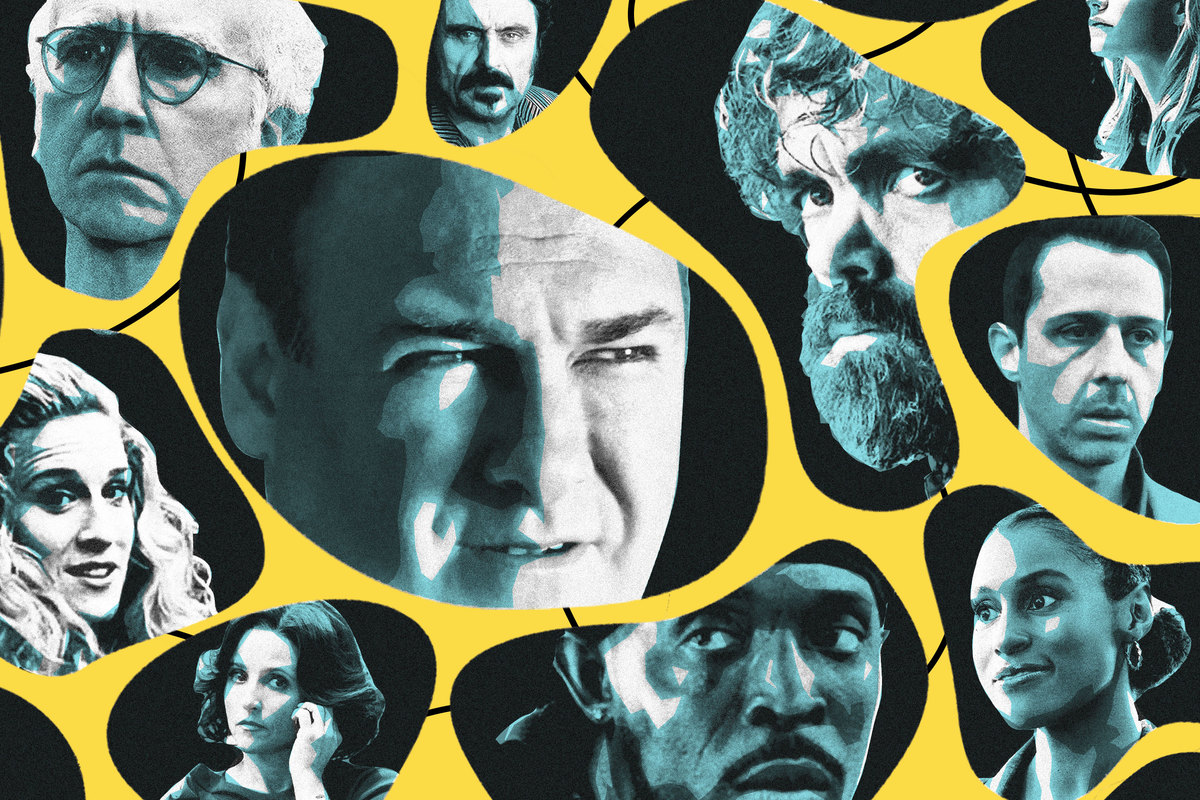
The transformation of Sunday night viewing, emblematic of our broader shift in media consumption, is a testament to relentless innovation in technology. We’ve moved from a world where content was scarce and scheduled to one where it is abundant, personalized, and available on-demand, anytime, anywhere. This article delves into the technological marvels that have reshaped our answer to “what shows are on Sunday night,” examining the AI-driven engines that guide our choices, the robust infrastructure enabling seamless streaming, and the future innovations poised to redefine our relationship with digital entertainment.
The AI Revolution in Content Discovery: Beyond the Traditional Schedule
The days of flipping through channels or consulting a physical TV Guide to find “what shows are on Sunday night” are largely behind us. Modern entertainment consumption is dominated by digital platforms that leverage sophisticated artificial intelligence (AI) to transform content discovery from a laborious search into a personalized, predictive experience.
From Linear Broadcast to Personalized Algorithms
The fundamental shift began with the transition from linear broadcast television, where content aired at fixed times regardless of individual preference, to on-demand streaming. This paradigm shift necessitated new ways for users to navigate vast libraries of content. Enter AI. Today’s streaming giants like Netflix, Amazon Prime Video, Hulu, and Disney+ don’t just present a catalog; they actively learn about each user’s viewing habits, preferences, and even their moods to offer tailored suggestions. The question “what shows are on Sunday night” has effectively been answered preemptively by algorithms working 24/7 to curate a personal prime-time lineup for every subscriber. This means that for one user, Sunday night might be recommended for a gripping sci-fi series, while for another, it could be a collection of critically acclaimed documentaries – all decided by complex computational models.
The Power of Recommendation Engines
At the heart of this revolution are recommendation engines, powered by machine learning algorithms. These engines analyze a multitude of data points: what you’ve watched, how long you watched it, what you’ve rated, what other users with similar tastes have watched, genre preferences, actors, directors, and even the time of day you typically stream. Collaborative filtering, content-based filtering, and hybrid models work in concert to predict what you are most likely to enjoy next. For instance, if you binge-watched a period drama, the AI might suggest other historical series or films featuring similar actors. The goal is to minimize decision fatigue and maximize engagement, ensuring that when you sit down for your dedicated “Sunday night” viewing, a compelling option is immediately presented. Beyond simple recommendations, some advanced AI systems also infer emotional responses or engagement levels, using subtle cues like pausing, rewinding, or rewatching specific scenes to refine their understanding of user preferences.
Challenges and Future of Algorithmic Curation
While incredibly powerful, algorithmic curation isn’t without its challenges. The phenomenon of “filter bubbles” or “echo chambers” can occur, where users are primarily exposed to content that reinforces their existing preferences, potentially limiting discovery of new genres or perspectives. There’s also the challenge of serendipitous discovery – stumbling upon something unexpectedly delightful, which can be harder when algorithms are constantly narrowing your field of view. The future of AI in content discovery is likely to address these issues. We might see AI evolving beyond simply recommending what’s similar, to introducing “discovery paths” that strategically broaden horizons. Furthermore, advancements in natural language processing (NLP) and context-aware AI could enable more intuitive search capabilities, allowing users to ask for “something light and funny for a lazy Sunday night” and receive perfectly matched, real-time suggestions, ushering in an even more dynamic and responsive entertainment landscape.
The Tech Underpinnings of the Streaming Ecosystem
Behind every seamless stream, every instant episode load, and every high-definition image, lies a sophisticated web of technological infrastructure. The ability to watch “what shows are on Sunday night” without buffering or quality degradation is a testament to innovations in network architecture, data compression, and device interoperability.
Infrastructure and Delivery Networks
The backbone of modern streaming is a robust global infrastructure. Content providers store their vast libraries on cloud-based servers and leverage Content Delivery Networks (CDNs) to distribute content efficiently. CDNs are geographically dispersed networks of servers that cache content closer to end-users. When you press play, the video stream is delivered from the nearest CDN server, drastically reducing latency and improving loading times, regardless of whether you’re streaming from a rural broadband connection or a fiber optic city grid. This complex web of data centers, high-capacity fiber optic cables, and sophisticated routing algorithms ensures that the millions of concurrent streams occurring every Sunday night (and every other night) flow without interruption, making global access to content a reality.
Codecs, Compression, and Quality
Delivering high-quality video content over the internet, especially in 4K or even 8K, requires advanced compression technologies. Video codecs (coder-decoder) are algorithms that compress video data for efficient transmission and then decompress it for playback. Standards like H.264 (AVC) and its successor H.265 (HEVC), along with newer codecs like AV1, are crucial for balancing file size with visual fidelity. These technologies ensure that a two-hour movie doesn’t consume terabytes of data but still maintains stunning clarity and vibrant colors. Adaptive bitrate streaming is another critical innovation; it automatically adjusts the video quality based on the user’s internet connection speed and device capabilities, dynamically switching between different resolutions (e.g., from 480p to 1080p to 4K) to provide the best possible viewing experience without interruption. This ensures that “what shows are on Sunday night” can be enjoyed by everyone, regardless of their connection speed.
Device Compatibility and Interoperability

The modern viewing experience is multi-device. Whether you prefer to watch on a smart TV, a streaming stick (like Roku or Amazon Fire TV), a gaming console (PlayStation, Xbox), a tablet, or a smartphone, the underlying technology ensures seamless compatibility. This interoperability is achieved through standardized protocols, operating system optimizations, and dedicated app development. Software development kits (SDKs) provided by streaming platforms allow developers to create apps that run consistently across diverse hardware. Furthermore, technologies like HDMI-CEC (Consumer Electronics Control) enable devices to communicate and control each other, simplifying the user experience. The ability to cast content from a mobile device to a large screen via technologies like Google Cast or Apple AirPlay further exemplifies this push for seamless, multi-device entertainment, ensuring that your Sunday night viewing is always accessible on your preferred screen.
Enhancing the Viewing Experience: Interactive and Immersive Technologies
As technology advances, the boundaries of passive content consumption are continuously being pushed. Beyond simply delivering content, innovation is now focused on creating more immersive, interactive, and personalized viewing environments, fundamentally changing how we experience “what shows are on Sunday night.”
Smart Home Integration for Ambient Entertainment
The smart home ecosystem is increasingly becoming an integral part of the entertainment experience. Imagine a “Sunday night” where, as you start a movie, your smart lights automatically dim, your smart blinds close, and your multi-room audio system perfectly synchronizes with your TV’s soundbar. Voice assistants like Amazon Alexa or Google Assistant allow for hands-free control, letting you pause, play, or search for content using natural language commands. Beyond convenience, smart home technology can create an ambient environment specifically tailored to the content you’re watching. For example, certain smart lighting systems can dynamically change colors to match the mood or action on screen, further immersing the viewer in the narrative. This level of integration transforms the home into a personalized cinema, enhancing the emotional impact and sensory richness of any show.
The Promise of AR/VR in Storytelling
While still in nascent stages for mainstream entertainment, Augmented Reality (AR) and Virtual Reality (VR) hold immense promise for the future of storytelling. VR could transport viewers directly into the world of a show, offering 360-degree environments and interactive elements that allow for a truly immersive experience. Imagine exploring the set of your favorite Sunday night drama or watching a live concert from a virtual front-row seat. AR, on the other hand, could overlay digital information or interactive elements onto the real world, enhancing the viewing experience without complete immersion. For instance, an AR app could display character bios, behind-the-scenes facts, or even interactive games related to the show being watched on your physical screen. While mass adoption faces hurdles like hardware costs and content availability, the potential for AR/VR to transform passive viewing into an interactive, multi-sensory journey is undeniable, promising a future where “what shows are on Sunday night” might literally mean stepping into the story.
Social Viewing Platforms and Real-time Engagement
Technology is also bringing back a communal aspect to viewing, albeit in a digitally connected format. Social viewing platforms and features allow friends and family to watch content simultaneously, even when physically apart. Services like Teleparty (formerly Netflix Party) enable synchronized playback and provide a chat sidebar for real-time reactions and discussions. Twitch and YouTube Live have popularized live streaming with interactive chat features, allowing content creators and audiences to engage directly. Furthermore, integration with social media platforms allows for instant sharing of reactions, memes, and discussions around popular shows, creating a shared cultural moment even for on-demand content. These technologies bridge the gap between individual consumption and collective experience, creating new dimensions of engagement around “what shows are on Sunday night,” fostering community and shared discourse in a fragmented media landscape.
Digital Security in the Streaming Age: Protecting Your Entertainment
While the technological advancements in streaming bring unparalleled convenience and choice, they also introduce new vectors for digital threats. Ensuring the security of your accounts, personal data, and the content itself is paramount in the modern entertainment ecosystem. The question of “what shows are on Sunday night” must also implicitly address how securely we access and enjoy them.
Safeguarding Personal Data and Accounts
Streaming services hold a treasure trove of personal data, from viewing habits and payment information to email addresses and demographic details. Protecting this data is critical. Users are empowered by technologies like strong password requirements, often enforced with complexity rules, and multi-factor authentication (MFA). MFA, which typically involves a second verification step like a code sent to your phone, significantly reduces the risk of unauthorized account access even if your password is compromised. Furthermore, privacy settings within streaming apps allow users to control what data is shared and how their viewing history is used. Reputable streaming providers employ end-to-end encryption for data transmission and robust server security to protect user information from breaches, understanding that trust is the foundation of their business model.
Combating Piracy and Content Protection
The ease of digital distribution also creates new challenges for content creators and distributors in combating piracy. Digital Rights Management (DRM) technologies are at the forefront of this battle. DRM systems employ encryption and access control measures to prevent unauthorized copying, distribution, and modification of copyrighted material. This ensures that the exclusive content you pay for on Sunday night is indeed exclusive. While DRM has faced criticism for potentially restricting legitimate user rights, it remains a crucial technological tool for protecting intellectual property in the digital age, safeguarding the revenue streams that fuel the creation of new and exciting shows. Beyond DRM, forensic watermarking and sophisticated monitoring technologies help identify and track illicit content, allowing studios and platforms to take swift action against piracy networks.

Parental Controls and Age-Appropriate Content
For households with children, ensuring age-appropriate content is a significant concern. Streaming platforms have developed comprehensive parental control technologies that empower parents to manage what their children can watch. These features typically include PIN protection for specific profiles or content ratings, the ability to create dedicated kids’ profiles with curated content, and filtering options based on maturity ratings (e.g., G, PG, PG-13, R). Advanced systems can even set viewing time limits or block specific keywords and titles. These technological safeguards are crucial for providing peace of mind, allowing families to enjoy their “Sunday night” viewing safe in the knowledge that children are protected from unsuitable content, fostering a secure and healthy digital entertainment environment.
In conclusion, the simple question “What shows are on Sunday night?” has evolved from a passive inquiry into a dynamic exploration of a technologically advanced entertainment landscape. From AI-driven personalized recommendations to the sophisticated infrastructure powering global content delivery, and the continuous innovation in immersive experiences to critical digital security measures, technology has fundamentally reshaped how we discover, consume, and interact with media. As these innovations continue to accelerate, the future promises an even more personalized, interactive, and seamless Sunday night (or any night) viewing experience, constantly redefining the boundaries of digital entertainment.
aViewFromTheCave is a participant in the Amazon Services LLC Associates Program, an affiliate advertising program designed to provide a means for sites to earn advertising fees by advertising and linking to Amazon.com. Amazon, the Amazon logo, AmazonSupply, and the AmazonSupply logo are trademarks of Amazon.com, Inc. or its affiliates. As an Amazon Associate we earn affiliate commissions from qualifying purchases.