
The question “where do Tesla parts come from” transcends a mere geographical inquiry; it is a profound exploration into the financial complexities, strategic investments, and intricate supply chain management that underpin one of the world’s most valuable automotive companies. For investors, financial analysts, and business strategists, understanding Tesla’s sourcing strategies offers critical insights into its operational efficiency, cost structure, risk exposure, and ultimately, its long-term profitability and valuation. This article delves into the financial implications of Tesla’s supply chain, examining how global and localized sourcing decisions impact everything from production costs and capital expenditure to geopolitical risks and shareholder value.

The Global Financial Tapestry of Automotive Sourcing
Tesla, like all major automakers, operates within a sprawling global supply chain, a complex web of raw material extraction, component manufacturing, and intricate logistics designed to deliver billions of dollars worth of parts to assembly lines. The financial implications of this global tapestry are immense, dictating everything from per-unit manufacturing costs to the company’s overall capital expenditure and risk profile.
Raw Material Economics and Cost Volatility
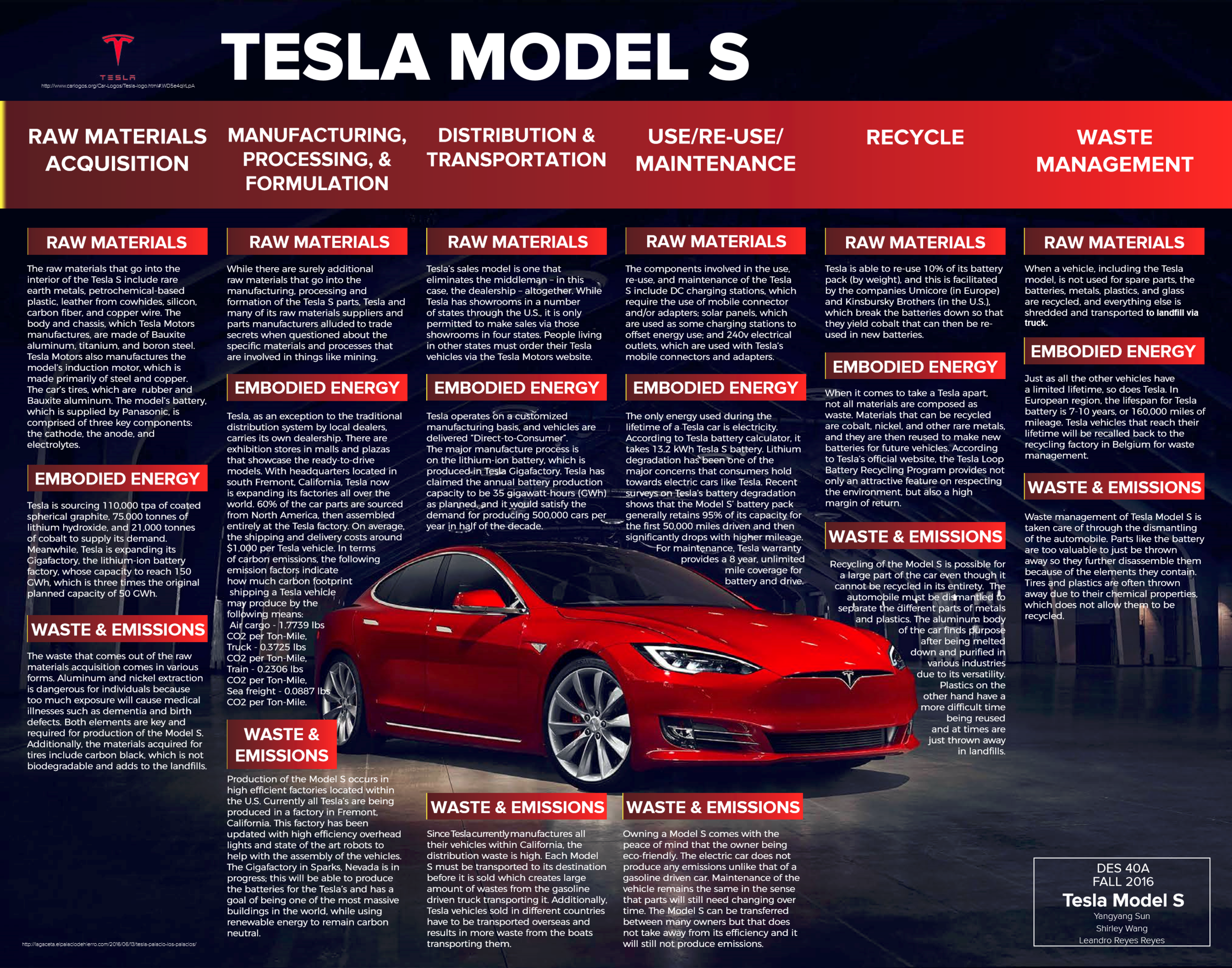
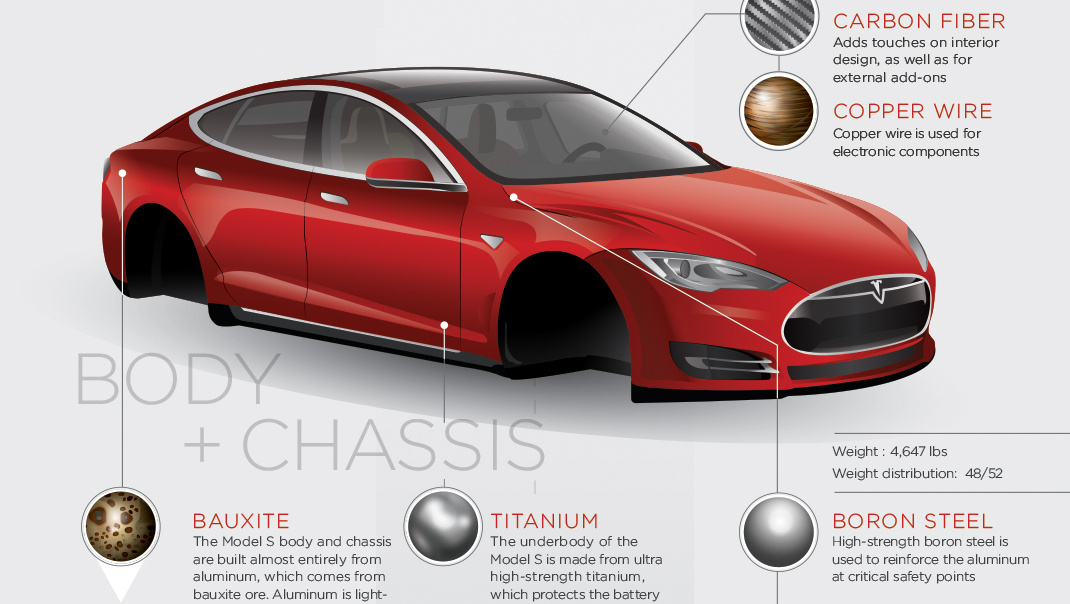
At the base of Tesla’s vehicles are fundamental raw materials, whose prices are subject to global commodity markets and geopolitical influences. Batteries, the heart of an EV, are particularly sensitive to this. Lithium, nickel, cobalt, and graphite are extracted and processed in various parts of the world, often with volatile market prices. For instance, the Democratic Republic of Congo is a primary source of cobalt, while Indonesia and Australia lead in nickel production, and Chile and Australia dominate lithium supply. Tesla’s financial health is directly tied to its ability to secure these materials at competitive prices and manage the risks associated with price fluctuations and supply disruptions.
Investing in long-term supply agreements and even direct mining ventures (as Tesla has explored) are strategies aimed at stabilizing input costs and de-risking the supply chain, representing significant capital commitments with long-term financial payoffs. The cost of raw materials can represent a substantial portion of the bill of materials for a Tesla vehicle, making effective hedging and strategic procurement paramount for maintaining healthy gross margins.
Semiconductor Dependence and Financial Exposure
Modern vehicles are essentially computers on wheels, and Teslas are no exception. The reliance on semiconductors, microcontrollers, and various electronic components from global suppliers, primarily in Asia, became acutely clear during the global chip shortage. This crisis highlighted the financial vulnerability of automakers to single points of failure in their supply chains. For Tesla, sourcing crucial chips from giants like Samsung (for its Full Self-Driving chip) or other specialized manufacturers meant navigating intense competition, rising prices, and extended lead times.
Financially, the chip shortage translated into lost production volume, deferred revenue, and potentially increased purchasing costs for available chips. Companies like Tesla are now investing heavily in redesigning components, diversifying suppliers, and even exploring in-house chip design and manufacturing to mitigate future financial risks and ensure production continuity. These investments, while substantial, are viewed as necessary capital expenditures to protect future revenue streams and enhance operational resilience.
Logistical Costs and Supply Chain Efficiency
The journey of thousands of parts from diverse global locations to Tesla’s Gigafactories in Fremont, Austin, Berlin, or Shanghai incurs significant logistical costs. Shipping, tariffs, customs duties, and inventory management all add to the final cost of a vehicle. Tesla’s strategy often involves optimizing logistics through just-in-time inventory systems where possible, but also through establishing regional supply hubs that serve specific Gigafactories.
The financial implications are evident in the company’s cost of goods sold (COGS). Efficient logistics can lead to substantial savings, while inefficiencies or disruptions (like port congestion or geopolitical trade disputes) can inflate costs and erode profit margins. Tesla’s investment in its own fleet of carriers and its strategic choice of factory locations near key supplier networks are financial decisions aimed at reducing transportation costs and improving supply chain velocity.
Cost Optimization and Supply Chain Resilience
In an industry characterized by tight margins and intense competition, cost optimization and building a resilient supply chain are not just operational goals; they are financial imperatives. Tesla’s unique approach to manufacturing, including its vertical integration and modular design, plays a crucial role in managing costs and mitigating risks.
Vertical Integration and Its Financial Upside
Tesla has notably pursued a strategy of vertical integration, bringing more processes and component manufacturing in-house compared to traditional automakers. This extends beyond its battery cells (with Gigafactories producing 4680 cells) to areas like seat manufacturing, software development, and even some die-casting (e.g., the Gigapress for single-piece castings).
From a financial perspective, vertical integration offers several benefits:
-
Cost Reduction: By eliminating supplier markups and gaining greater control over manufacturing processes, Tesla can potentially reduce component costs. This requires significant upfront capital expenditure for R&D, factories, and machinery, but promises lower variable costs per unit in the long run.
-
Quality Control: Direct oversight allows for better quality control, reducing warranty costs and improving brand reputation, which indirectly boosts sales and financial performance.
-
Innovation and Speed: In-house capabilities enable faster iteration and integration of new technologies, giving Tesla a competitive edge and potentially accelerating time-to-market for new features, leading to quicker revenue generation.
-
Supply Security: Reducing reliance on external suppliers for critical components lessens exposure to external supply chain shocks, such as those experienced during the chip shortage. This enhanced security can protect production volumes and associated revenues.
However, vertical integration also comes with financial risks, including higher fixed costs, increased operational complexity, and the need for specialized expertise, which can be costly to acquire and maintain. The balance between financial benefit and operational risk is a constant evaluation for Tesla’s management.
Strategic Sourcing for Critical Components
While Tesla vertically integrates many components, it still relies on a vast network of external suppliers for specialized parts, particularly for interior components, infotainment systems, wiring harnesses, and various electronic modules. The financial negotiation power with these suppliers is crucial. Tesla’s ability to demand competitive pricing, favorable payment terms, and robust quality standards directly impacts its COGS.
The company often employs a multi-sourcing strategy for critical components to avoid over-reliance on a single supplier, which mitigates financial risks associated with supplier bankruptcy, quality issues, or geopolitical tensions. These strategic sourcing decisions are made with a clear eye on the total cost of ownership, including purchase price, logistics, quality costs, and the financial implications of potential disruptions.
Leveraging Automation for Labor Cost Efficiency
Tesla’s Gigafactories are heavily automated, utilizing robots for many manufacturing processes, from stamping and welding to painting and final assembly. The financial rationale behind this extensive automation is rooted in labor cost efficiency and consistency. While the initial capital expenditure for advanced robotics and automated systems is substantial, it promises lower per-unit labor costs over the long term, especially in high-wage economies.
Furthermore, automation reduces human error, leading to fewer defects and lower rework costs, which directly impacts the company’s financial performance by improving efficiency and reducing warranty claims. This investment in advanced manufacturing techniques is a critical component of Tesla’s financial strategy to achieve economies of scale and drive down production costs.
Investment in Local Production and Regional Hubs
Tesla’s aggressive global expansion strategy, particularly its investment in Gigafactories across different continents, is a profound financial and strategic move aimed at optimizing its supply chain and penetrating new markets more effectively. The decision to build factories in locations like Shanghai, Berlin, and Austin directly influences where parts are sourced from and has significant financial ramifications.
De-risking Geopolitical and Trade Tariff Impacts
Establishing manufacturing hubs within major markets, such as China for Asia-Pacific, Germany for Europe, and the US for North America, allows Tesla to localize its supply chain. This strategy significantly reduces exposure to international trade tariffs and geopolitical disputes, which can impose substantial financial burdens. For example, localizing production in China helped Tesla navigate US-China trade tensions and become a dominant player in the world’s largest EV market without incurring heavy import duties on vehicles or components.
Financially, this translates into more predictable costs, reduced import taxes, and potentially better access to local government incentives and subsidies, all of which positively impact the bottom line and investor confidence.
Reducing Logistics Costs and Carbon Footprint
Localizing parts sourcing around each Gigafactory dramatically reduces transportation distances and associated logistical costs. Instead of shipping heavy battery packs or body parts across oceans, Tesla can source them from nearby suppliers or produce them in-house at the same facility. This strategy not only cuts down on freight expenses but also reduces lead times, improving inventory management and potentially lowering working capital requirements.
While not purely a financial metric, the reduction in carbon footprint due to localized sourcing also aligns with Environmental, Social, and Governance (ESG) investing trends. Strong ESG performance can attract a broader base of institutional investors and potentially lower the company’s cost of capital.
Fostering Local Economies and Supplier Ecosystems
Tesla’s Gigafactories act as anchors for developing local supplier ecosystems. This involves identifying, vetting, and collaborating with local component manufacturers, which requires significant financial investment in supplier development and relationship management. However, this strategy can lead to more responsive supply chains, reduced dependence on distant suppliers, and the potential for greater cost efficiencies through local partnerships.
For example, the Gigafactory in Shanghai has fostered a robust local supply chain, with many Chinese companies now supplying components directly to Tesla. This not only benefits the local economy but also provides Tesla with a more resilient and often more cost-effective sourcing network, improving its overall financial flexibility and operational agility in the region.
Geopolitical and Economic Risks in Global Sourcing
While global sourcing offers access to diverse capabilities and potentially lower costs, it also introduces a multitude of geopolitical and economic risks that can have severe financial consequences. Tesla, with its highly globalized operations, is particularly exposed to these dynamics.
Currency Fluctuations and Hedging Strategies
Operating across multiple currencies means Tesla is exposed to exchange rate fluctuations. A strengthening dollar can make imported parts cheaper but exported cars more expensive, affecting revenue when converted back to USD. Conversely, a weaker dollar has the opposite effect. Tesla employs financial hedging strategies to mitigate these risks, using instruments like forward contracts to lock in exchange rates for future transactions. These strategies involve costs but are essential for providing financial predictability and protecting profit margins against unpredictable currency movements.
Trade Policy and Regulatory Changes
Changes in trade policies, tariffs, and regulatory frameworks in different countries can significantly alter the cost structure of Tesla’s supply chain. Escalating trade wars, new environmental regulations, or changes in import/export duties can directly impact the financial viability of certain sourcing routes or production locations. Tesla’s lobbying efforts and strategic placement of Gigafactories are partly aimed at navigating and influencing these regulatory landscapes to protect its financial interests. The ongoing evolution of global trade agreements demands constant financial analysis and scenario planning from Tesla’s finance and supply chain teams.
Supply Chain Resiliency in a Volatile World
The COVID-19 pandemic, geopolitical tensions (e.g., Russia-Ukraine conflict), and natural disasters have all exposed the fragilities of global supply chains. For Tesla, disruptions to shipping routes, factory closures, or export restrictions in key supplier countries can lead to production halts, lost revenue, and increased costs for expedited shipping or alternative sourcing. Building financial resilience in the face of such volatility involves:
-
Inventory Management: Balancing the cost of holding inventory against the risk of stockouts.
-
Supplier Diversity: Actively seeking alternative suppliers for critical components, even if they come at a slightly higher cost, to ensure continuity.
-
Digital Twins and Predictive Analytics: Investing in technology to model supply chain risks and predict potential disruptions, allowing for proactive financial adjustments.
-
Strategic Reserves: Maintaining financial reserves to absorb unexpected costs associated with supply chain disruptions.
These investments in supply chain resilience are crucial for protecting Tesla’s financial performance and ensuring its ability to meet production targets and market demand.
Impact on Tesla’s Financial Performance and Investor Outlook
The origin of Tesla’s parts, and the strategies employed to secure them, are not merely operational details; they are fundamental drivers of the company’s financial performance and a key factor in its valuation by investors.
Gross Margins and Profitability
Every decision regarding sourcing – whether to localize, vertically integrate, automate, or diversify suppliers – directly impacts the cost of goods sold (COGS) and, consequently, Tesla’s gross profit margins. Higher efficiency, lower material costs, and reduced logistical expenses contribute to healthier margins, which are a primary indicator of a company’s financial health and operational prowess. Investors closely scrutinize these figures as they reflect Tesla’s ability to turn sales into profit.
Capital Expenditure and Free Cash Flow
Tesla’s substantial investments in Gigafactories, battery production, and advanced manufacturing (all tied to where parts are produced and assembled) represent significant capital expenditures (CapEx). While these investments are crucial for future growth and scaling production, they consume free cash flow in the short to medium term. The financial community watches Tesla’s CapEx closely, evaluating whether these investments are generating sufficient returns and contributing to long-term profitability and sustainable free cash flow generation. The balance between aggressive growth investment and positive free cash flow is a key determinant of investor confidence.
Valuation and Future Growth Projections
Ultimately, understanding Tesla’s supply chain and sourcing strategy provides critical insights for financial analysts and investors to project future growth, profitability, and overall valuation. A robust, resilient, and cost-optimized supply chain suggests a company better positioned to scale, withstand economic shocks, and achieve its ambitious production and delivery targets. This translates into higher investor confidence, a lower cost of capital, and potentially a higher stock valuation. Conversely, perceived weaknesses or over-reliance on risky supply chains can dampen investor enthusiasm and introduce a discount to the company’s valuation.
In conclusion, “where Tesla parts come from” is a financial question as much as it is a logistical one. It dictates the company’s cost structure, risk exposure, investment needs, and ultimately, its ability to generate sustainable profits and deliver long-term value to shareholders. For any stakeholder interested in Tesla’s financial future, a deep understanding of its sourcing strategies and supply chain economics is indispensable.
aViewFromTheCave is a participant in the Amazon Services LLC Associates Program, an affiliate advertising program designed to provide a means for sites to earn advertising fees by advertising and linking to Amazon.com. Amazon, the Amazon logo, AmazonSupply, and the AmazonSupply logo are trademarks of Amazon.com, Inc. or its affiliates. As an Amazon Associate we earn affiliate commissions from qualifying purchases.