
For investors, analysts, and market watchers, the release of a company’s quarterly earnings report is akin to a major financial holiday. For a company as influential and closely scrutinized as Tesla (TSLA), these reports are not just routine disclosures; they are seismic events that can send ripples across global markets, dictate investment strategies, and shape the narrative of the electric vehicle (EV) industry. The perennial question, “When is Tesla’s next earnings report?” is not merely about a date; it’s an inquiry into a critical juncture that unveils the company’s financial health, operational prowess, and future trajectory. Understanding the timing, the content, and the implications of these reports is paramount for anyone navigating the intricate world of finance and investing.

The Critical Juncture for Tesla Investors
Tesla’s earnings reports are more than just a summary of past performance; they are a forward-looking beacon that helps investors gauge the company’s intrinsic value, operational efficiency, and its potential to innovate and expand within an increasingly competitive landscape. For the financial community, the anticipation leading up to these reports is palpable, often resulting in significant market movements as speculation mounts.
Understanding Earnings Reports and Their Significance
At its core, an earnings report is a formal financial statement issued by a public company, typically on a quarterly and annual basis. It provides a detailed snapshot of the company’s profitability over a specific period. Key components include the income statement (revenue, expenses, net income), the balance sheet (assets, liabilities, equity), and the cash flow statement (sources and uses of cash). For investors, these reports are indispensable tools for fundamental analysis, offering transparency into a company’s financial performance. They allow investors to assess revenue growth, profit margins, debt levels, cash generation, and overall financial stability. Beyond the raw numbers, earnings reports often include management’s commentary, strategic updates, and future guidance, which can be just as crucial as the financial figures themselves.
Why Tesla’s Reports Command Unique Attention
Tesla is not just another automaker; it’s a disruptive technology company operating at the intersection of automotive, energy storage, AI, and autonomous driving. This unique positioning means its earnings reports are dissected not only by automotive analysts but also by tech investors, environmental policy experts, and a global retail investor base. The company’s rapid growth, ambitious targets, and the often-unconventional communication style of its CEO, Elon Musk, contribute to the intense scrutiny. Tesla’s financial performance often serves as a barometer for the broader EV market and the transition to sustainable energy. A beat or a miss on analyst expectations can lead to dramatic swings in its stock price, affecting portfolios worldwide and influencing sentiment across related sectors. Furthermore, Tesla’s high valuation often places immense pressure on the company to continuously demonstrate strong growth and profitability, making each earnings report a critical test of its market narrative.
The Market’s Anticipation: A Pre-Earnings Ritual
The period leading up to Tesla’s earnings release is characterized by heightened activity. Analysts update their models, adjusting price targets and ratings based on recent news, industry trends, and anecdotal evidence of production and deliveries. Options traders place bets on potential price movements, leading to increased implied volatility in the derivatives market. Retail investors scour online forums and news sites for any scrap of information that might hint at the upcoming results. This “pre-earnings ritual” reflects the collective effort of the market to price in future expectations. Often, a company’s stock price will exhibit specific patterns in the days or weeks before an earnings call, driven by this speculative fervor. For Tesla, these movements can be particularly pronounced given its large institutional and retail ownership base and its reputation for surprising the market.
Decoding the Timing: How and When Tesla Reports
Understanding the rhythm of a company’s financial disclosures is a foundational aspect of informed investing. For Tesla, like most public companies, this rhythm is quarterly, but the exact dates require careful monitoring.
Tesla’s Reporting Schedule: A Quarterly Rhythm
Public companies in the U.S. are generally required to file their financial reports quarterly with the Securities and Exchange Commission (SEC). These reports, known as 10-Q filings for quarters and 10-K for annual results, follow a predictable pattern. Typically, earnings are released about 4-6 weeks after the close of each fiscal quarter. For Tesla, this generally means reports for:
-
Q1 (January-March): Released late April or early May.
-
Q2 (April-June): Released late July or early August.
-
Q3 (July-September): Released late October or early November.
-
Q4 (October-December): Released late January or early February of the following year.
While this framework provides a general idea, the precise date can vary slightly each quarter, influenced by factors such as company readiness, internal review processes, and calendar considerations.
Accessing Official Dates: Investor Relations and Financial Calendars
The most reliable source for Tesla’s upcoming earnings report date is its official Investor Relations (IR) website. Companies are legally obligated to announce these dates well in advance. Tesla’s IR page (usually found via a direct link on its main website or by searching “Tesla Investor Relations”) will feature a “Events & Presentations” or “Financial Calendar” section, listing the confirmed date and time for the earnings release and subsequent conference call.
Beyond the company’s direct channels, numerous financial news outlets, investing platforms, and financial data providers maintain comprehensive earnings calendars. These services aggregate reporting dates for thousands of public companies, offering convenient access for investors. Examples include services from Nasdaq, Bloomberg, Reuters, Yahoo Finance, and major brokerage platforms. It’s always a good practice to cross-reference dates from multiple sources to ensure accuracy, though the company’s IR site remains the definitive source.
The Post-Market Release Strategy: Why It Matters
Tesla, like many major companies, typically releases its earnings report after the close of regular trading hours, usually around 4:00 PM ET. This strategy is deliberate. Releasing after the market close allows time for analysts and investors to digest the comprehensive report without immediate, knee-jerk reactions that could trigger excessive volatility during regular trading.
The earnings conference call, where company executives (including Elon Musk) discuss the results and take questions from analysts, usually follows shortly after the release, often commencing an hour or so later. This call provides crucial context, strategic insights, and an opportunity for management to elaborate on the figures. The post-market release and subsequent call shift much of the initial price discovery and reaction into extended trading hours, before the next regular market open. This can lead to significant overnight price movements, setting the tone for the stock’s performance on the following day. For active traders, understanding this schedule is crucial for managing positions and anticipating volatility.
What to Scrutinize: Key Metrics in Tesla’s Earnings
Once the earnings report is out, investors turn their attention from “when” to “what.” A thorough financial analysis goes beyond headline numbers, delving into specific metrics that reveal the true health and trajectory of a company like Tesla.
Revenue and Profitability: Beyond the Top and Bottom Line
Revenue: This is the “top line,” representing the total sales generated. For Tesla, this includes automotive sales, energy generation and storage, services, and other revenue streams. Investors look not just at the absolute revenue figure but also at its year-over-year and quarter-over-quarter growth rates. Sustained high growth is often a hallmark of disruptive companies.
Net Income and Earnings Per Share (EPS): These are the “bottom line” indicators of profitability. Net income is what’s left after all expenses are deducted from revenue. EPS divides net income by the number of outstanding shares, providing a per-share measure of profitability that is crucial for valuation models. Analysts often focus on “adjusted EPS,” which excludes certain non-recurring items to provide a clearer picture of operational profitability. Investors compare these figures against analyst consensus estimates, with beats or misses often dictating short-term stock movements.
Production and Delivery Numbers: The Operational Barometer
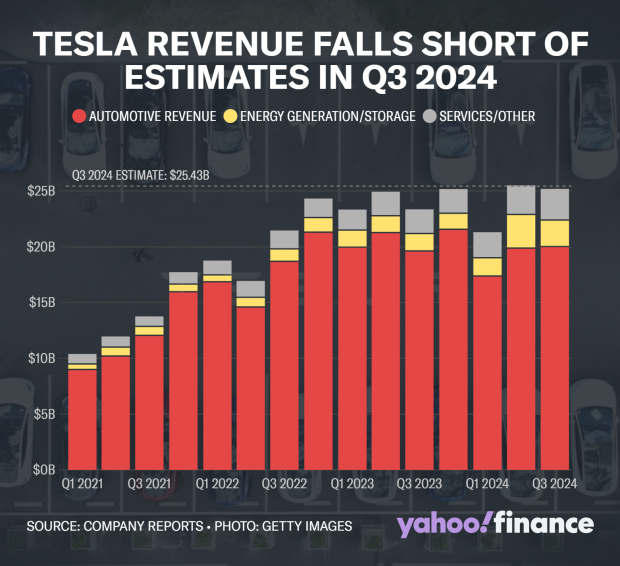
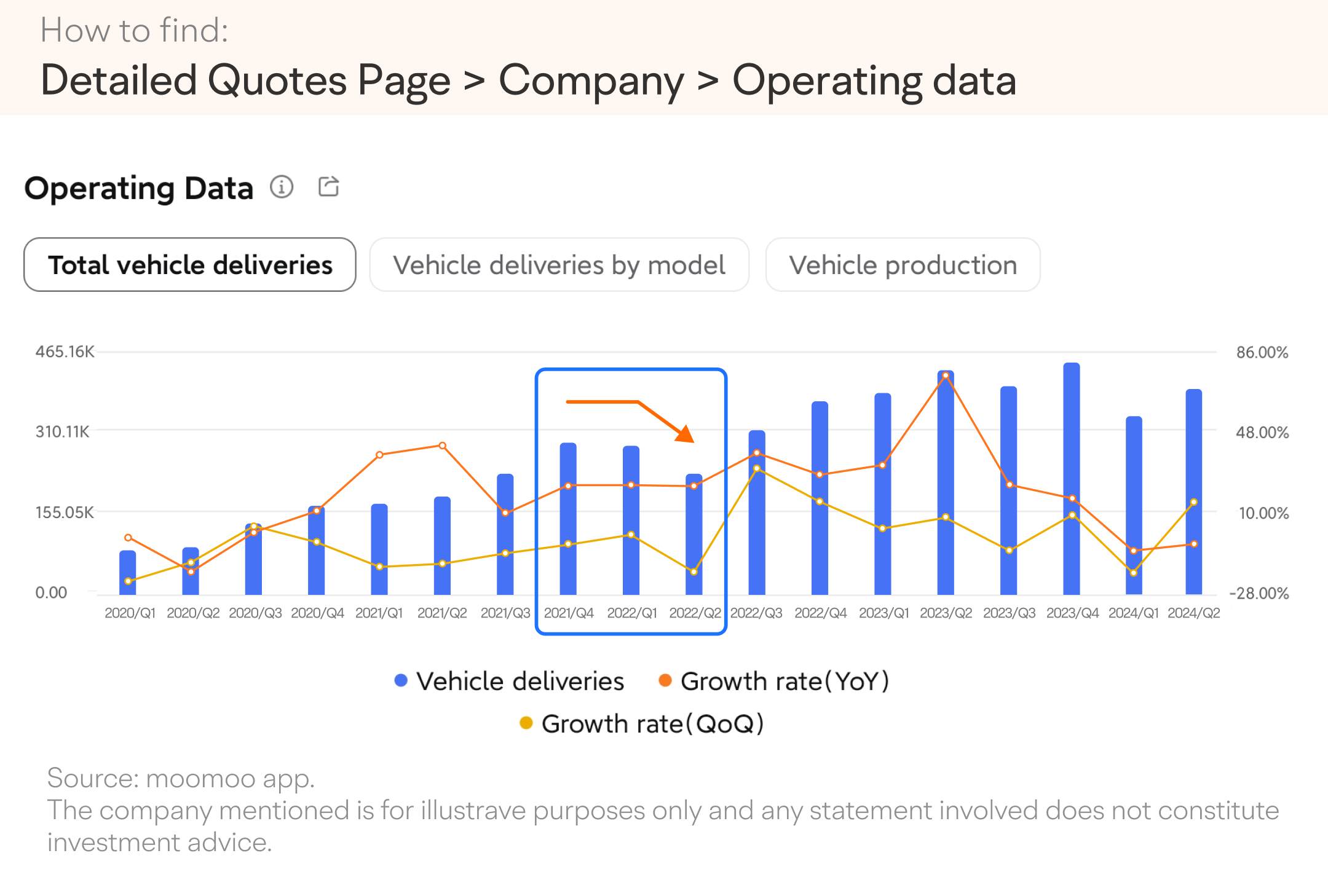
Unique to automakers, Tesla releases its production and delivery numbers a few days before the full earnings report. These figures are a critical precursor, offering an early glimpse into the company’s operational capacity and market demand.
-
Production: The total number of vehicles manufactured. This indicates Tesla’s ability to scale its factories (like Fremont, Giga Texas, Giga Shanghai, and Giga Berlin) and meet supply targets.
-
Deliveries: The total number of vehicles handed over to customers. This is a direct measure of sales volume and consumer demand.
Investors closely monitor these numbers for sequential growth and consistency, as they directly feed into automotive revenue figures. Any significant discrepancy between production and deliveries can indicate inventory build-up or logistical challenges.
Gross Margins and Operating Expenses: Unpacking Efficiency
Gross Margin: This metric measures the profitability of sales before operating expenses. For Tesla, automotive gross margin (the profit from selling vehicles, after accounting for manufacturing costs) is particularly vital. It reveals the company’s pricing power, cost efficiency in production, and the impact of factors like battery costs and supply chain disruptions. Investors look for stable or expanding gross margins as a sign of efficient operations and strong demand.
Operating Expenses (OpEx): These include research and development (R&D), selling, general, and administrative (SG&A) costs. R&D spending is crucial for an innovative company like Tesla, indicating investment in future technologies (e.g., FSD, new battery tech, humanoid robots). SG&A reflects overheads and marketing. Investors assess whether OpEx is growing proportionally to revenue or if the company is gaining operating leverage, meaning revenue grows faster than expenses, leading to improved profitability.
Free Cash Flow and Capital Expenditures: Health of the Balance Sheet
Free Cash Flow (FCF): This is arguably one of the most important metrics for assessing a company’s financial health. FCF represents the cash generated by a company’s operations after accounting for capital expenditures (CapEx). Positive and growing FCF indicates a company can fund its growth, pay down debt, or return capital to shareholders without relying on external financing. For a capital-intensive business like Tesla, strong FCF is a sign of financial independence and sustainability.
Capital Expenditures (CapEx): This refers to the money spent on acquiring or upgrading physical assets, such as factories, machinery, and equipment. For a growth company like Tesla, CapEx spending is essential for expanding production capacity and developing new products. Investors look at CapEx in relation to growth plans and FCF to ensure the company is investing wisely for future expansion while remaining cash flow positive.
Forward Guidance and Analyst Expectations: Peering into the Future
Beyond past performance, management’s forward guidance is critical. This includes projections for future production, deliveries, revenue, capital spending, and profitability. Guidance provides insight into management’s confidence and strategic direction. Investors compare this guidance against their own models and analyst consensus to gauge future potential. Any deviation from expectations, whether positive or negative, can significantly impact the stock price, as the market is forward-looking. The Q&A session with analysts during the conference call is also vital for clarifying guidance and understanding the nuances of the company’s outlook.
Navigating the Earnings Aftermath: Investor Strategies
The moment an earnings report hits, the market reacts, sometimes violently. For investors, having a strategy for the aftermath is as important as the pre-report analysis.
Volatility Management: Preparing for Price Swings
Tesla’s stock is known for its volatility, and earnings reports often exacerbate this. Investors should anticipate significant price swings immediately after the release and during the subsequent conference call. Options contracts can reflect this expected volatility, with higher implied volatility signaling larger anticipated moves. For long-term investors, short-term price fluctuations may be less concerning than for short-term traders. However, all investors should be prepared for potential drawdowns or surges and have a clear thesis that allows them to either ride out the storm or adjust their positions based on fundamental changes revealed in the report. Avoid making impulsive decisions based solely on immediate price action.
Long-Term vs. Short-Term Reactions: A Strategic Divide
Short-term traders often look for immediate reactions to earnings “beats” or “misses” relative to analyst expectations. Their strategies might involve options trading, short selling, or quick entries and exits to capitalize on volatility. The focus here is on sentiment, momentum, and the gap between expectations and reality.
Long-term investors, while acknowledging short-term noise, focus on the fundamental data presented in the report. They assess whether the numbers confirm or challenge their long-term investment thesis. Is the company growing its market share? Are margins improving? Is cash flow robust enough to fund future innovations and expansions? A temporary stock dip following a minor miss might even be viewed as a buying opportunity if the underlying long-term growth story remains intact. Conversely, a short-term pop might be a chance to trim positions if the fundamentals show cracks.
The Broader Economic Context: Beyond Tesla’s Numbers
It’s crucial to remember that Tesla’s performance doesn’t occur in a vacuum. Broader economic conditions, interest rate policies, geopolitical events, and industry-specific trends (e.g., raw material costs for batteries, EV adoption rates, regulatory changes) can significantly influence results and investor perception. A strong earnings report might be dampened by a pessimistic macro outlook, and vice versa. Savvy investors analyze Tesla’s figures within this broader context, understanding how external forces might impact future growth and profitability, even if the company’s execution remains strong. Macroeconomic forecasts, consumer spending data, and industry reports all play a role in shaping the post-earnings narrative.
Beyond the Numbers: The Narrative Impact on Investment
While the financial figures are paramount, the story woven around them, particularly for a company led by a visionary like Elon Musk, often carries significant weight in shaping investor sentiment and long-term valuation.
Elon Musk’s Influence: The CEO Call and Q&A
Elon Musk’s presence on the earnings conference call is a significant event. His commentary, often unscripted and ambitious, can dramatically influence market perception. Beyond merely discussing past results, Musk frequently uses these calls to outline grand visions, unveil future products, or address critical challenges. His responses during the analyst Q&A segment are closely watched for insights into strategic priorities, timelines for new technologies (like FSD or Cybertruck production), and overall confidence in the company’s direction. For many investors, Musk’s vision is a core part of the investment thesis, and the earnings call provides a direct window into his current thinking.
Strategic Announcements and Future Roadmaps
Earnings calls are also prime opportunities for Tesla to make significant strategic announcements. These could include updates on new Gigafactory expansions, progress on revolutionary battery technology, or the rollout of new software features. Such announcements, even if they don’t immediately impact the financial statements, can profoundly affect future growth projections and investor enthusiasm. A clear roadmap for product development, manufacturing scale, and market penetration reassures investors about the company’s long-term competitive advantage and its ability to maintain its leadership position in an evolving industry.
ESG Considerations and Regulatory Landscapes
Increasingly, Environmental, Social, and Governance (ESG) factors are influencing investment decisions, and Tesla, as a pioneer in sustainable transportation, is under significant scrutiny. Its earnings reports and accompanying discussions may touch upon sustainability initiatives, labor practices, and governance structures. Furthermore, regulatory landscapes around emissions, autonomous driving, and data privacy can impact Tesla’s operations and financial outlook. Any updates or changes in these areas, mentioned during the earnings release or call, can affect investor confidence, particularly for those focused on responsible investing. The interplay between financial performance and these broader societal and regulatory factors adds another layer of complexity and importance to Tesla’s quarterly disclosures.
In conclusion, “When is Tesla’s next earnings report?” is a question that opens the door to a multifaceted financial exploration. It’s an invitation to delve into the intricate dance of financial disclosures, market expectations, and strategic insights that collectively determine the value and future trajectory of one of the world’s most watched companies. For any investor seeking to understand Tesla, or indeed the broader dynamics of modern financial markets, paying close attention to these pivotal quarterly events is not just advisable, but essential.
aViewFromTheCave is a participant in the Amazon Services LLC Associates Program, an affiliate advertising program designed to provide a means for sites to earn advertising fees by advertising and linking to Amazon.com. Amazon, the Amazon logo, AmazonSupply, and the AmazonSupply logo are trademarks of Amazon.com, Inc. or its affiliates. As an Amazon Associate we earn affiliate commissions from qualifying purchases.