
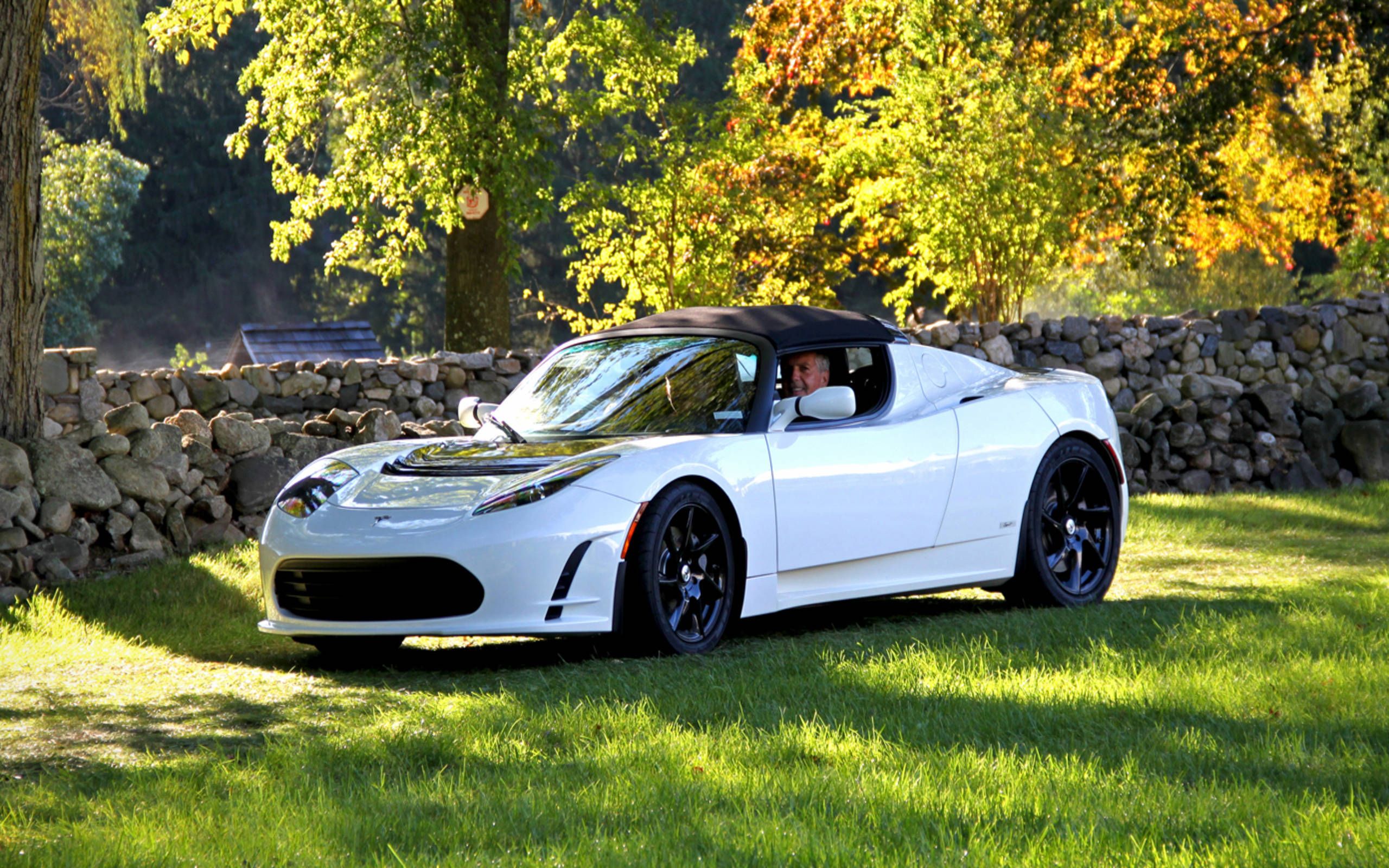
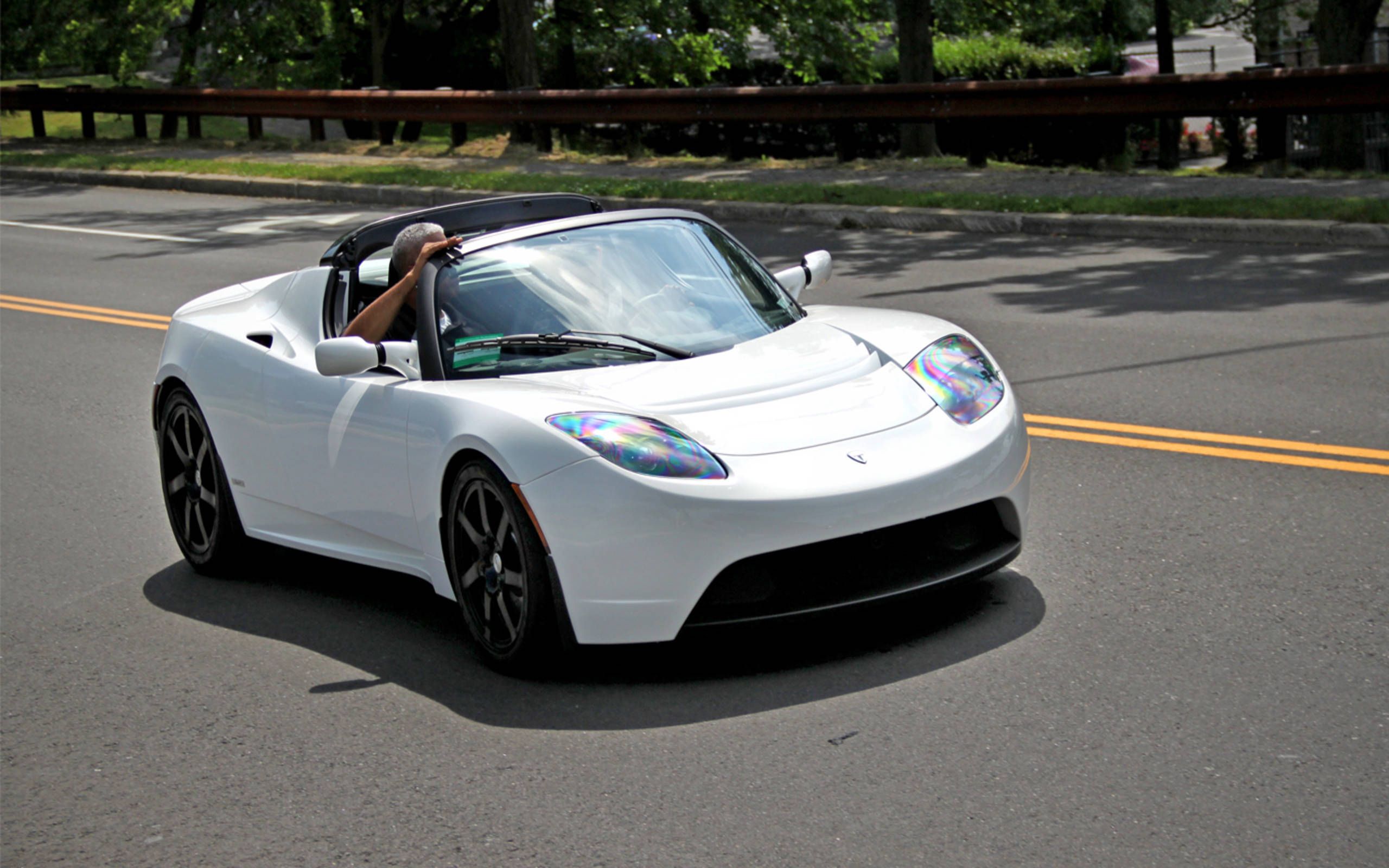
The automotive industry, historically dominated by internal combustion engines, underwent a seismic shift at the dawn of the 21st century. At the forefront of this disruption stood a then-nascent company named Tesla, Inc., promising a future powered by electricity, performance, and cutting-edge technology. When probing the question, “what was the first Tesla?”, one is not merely seeking a historical fact about a vehicle; rather, it’s an inquiry into the genesis of a technological revolution, a foundational moment that challenged established paradigms and paved the way for a new era of electric mobility. The answer, definitively, is the Tesla Roadster, a two-seat electric sports car that made its debut in 2008. But to understand its significance, one must delve into the technological audaciousness and strategic foresight that brought it to life, positioning it as far more than just a car, but as a critical piece of tech hardware that redefined possibilities.

The Roadster: Tesla’s Inaugural Statement in Electric Mobility
Before the Model S became synonymous with luxury EVs or the Model 3 democratized electric driving, there was the Roadster. This pioneering vehicle was Tesla’s audacious declaration to the world that electric cars could be both desirable and high-performing, disproving the prevailing notion that EVs were merely golf carts or glorified appliances. Its development was an intricate dance of engineering innovation, strategic component sourcing, and a relentless pursuit of performance that set an entirely new benchmark for the automotive sector.
Conception and Vision: From a Concept to a Tangible Product
The vision for the Roadster was born from the realization that to accelerate the world’s transition to sustainable energy, an electric vehicle had to be aspirational. It couldn’t just be environmentally friendly; it had to be exciting, fast, and technologically superior. The founders, and later Elon Musk, recognized that starting with a high-performance, low-volume sports car was the optimal strategy to showcase the potential of electric powertrains. This approach allowed Tesla to iterate rapidly on battery technology, motor control systems, and power electronics in a niche market, proving the technology’s viability before scaling up to mass-market segments. The initial concept aimed to marry efficiency with exhilarating performance, a pairing that seemed contradictory to conventional automotive wisdom.
Engineering Marvels and Strategic Partnerships
The Roadster was an engineering feat achieved through a combination of proprietary innovation and shrewd external collaboration. Lacking the massive manufacturing infrastructure of legacy automakers, Tesla partnered with Lotus Cars, leveraging the lightweight, aluminum-intensive chassis of the Lotus Elise. This provided a nimble and proven platform for the radical electric powertrain. However, the core of the Roadster’s innovation resided within its electric propulsion system. Tesla’s engineers, drawing inspiration and early intellectual property from AC Propulsion (creators of the tzero electric car), developed a bespoke three-phase, four-pole AC induction motor. This motor, designed for high efficiency and robust power delivery, was a significant departure from the more common brushed DC motors found in earlier electric vehicles.
The most revolutionary aspect, arguably, was the battery pack. Instead of developing large, custom battery cells, Tesla ingeniously opted to use thousands of small, commercially available lithium-ion 18650 cells – the same type found in laptops. Assembling these cells into a complex, liquid-cooled battery pack, dubbed the Energy Storage System (ESS), was a monumental undertaking. This required sophisticated battery management systems (BMS) to monitor individual cell voltage, temperature, and current, ensuring safety, longevity, and optimal performance. The BMS was a technological marvel in itself, preventing thermal runaway and maximizing energy extraction, thus achieving a range previously unheard of for an EV (over 200 miles on a single charge).
Performance that Redefined Electric
The Roadster wasn.t just a technological curiosity; it was a legitimate performance car. It could accelerate from 0 to 60 mph in 3.7 seconds (for the Sport model), a figure that rivaled many high-end gasoline-powered sports cars of its era. This blistering acceleration, coupled with instant torque delivery inherent to electric motors, provided a driving experience unlike any other. It demonstrated unequivocally that electric propulsion could offer superior performance characteristics, challenging the prevailing notion that EVs were inherently slow or unengaging. This performance was a direct result of advanced motor control algorithms, efficient power electronics (inverters and converters), and the relatively low weight of the Lotus chassis, all underpinned by the groundbreaking battery technology.
Beyond the Hype: The Roadster’s Technological Legacy
The true impact of the Roadster extends far beyond its initial sales figures. It was a rolling laboratory, a proof-of-concept that informed every subsequent Tesla product and influenced the broader automotive technology landscape. Its technological innovations laid the groundwork for many features now commonplace in modern EVs.
Pioneering Battery Technology
The decision to use 18650 lithium-ion cells and develop a sophisticated BMS was a gamble that paid off immensely. This approach offered superior energy density compared to the nickel-metal hydride batteries prevalent in hybrids, enabling the Roadster’s impressive range. The active liquid cooling system for the battery pack was crucial for managing heat generated during charging and discharging, a critical factor for both safety and battery lifespan. This architectural blueprint for large-scale battery packs, with individual cell monitoring and thermal management, became a foundational technology for all subsequent Tesla vehicles and was later adopted and refined by numerous other EV manufacturers. The Roadster effectively commercialized high-performance lithium-ion battery technology in the automotive sector, proving its scalability and reliability.
The Software-Defined Car Precursor
Even in its early iteration, the Roadster hinted at the concept of the “software-defined car” – a vehicle whose features and performance could be enhanced or updated over time through software. While not as extensive as modern Tesla vehicles, the Roadster’s embedded systems and diagnostic capabilities laid the groundwork for over-the-air (OTA) software updates. Its reliance on complex algorithms for battery management, motor control, and vehicle diagnostics meant that software was an integral part of its functionality, not merely an add-on. This emphasis on software as a core differentiator was a radical departure from traditional automotive engineering, where hardware dominated and software was often an afterthought. The Roadster demonstrated the potential for continuous improvement and feature enhancement post-purchase, a concept that would become a hallmark of Tesla’s strategy.
Manufacturing Innovation and Challenges
While the Roadster benefited from Lotus’s chassis expertise, Tesla faced immense challenges in manufacturing its proprietary electric powertrain components and assembling the final vehicle. The production process, though low-volume, involved integrating complex battery modules, power electronics, and electric motors into a traditionally built sports car chassis. Tesla had to develop new manufacturing techniques and quality control processes for these high-tech components. The lessons learned in scaling battery pack production, managing supply chains for electronic components, and integrating software with hardware in a low-volume, high-value product were invaluable. These early struggles and successes directly informed the design and manufacturing strategies for the Model S and later, the gigafactories, showcasing how early product development is intrinsically linked to evolving manufacturing technology.
Catalyzing the Electric Revolution: The Roadster’s Impact on the Auto Industry
The Roadster wasn’t just a successful product for Tesla; it was a powerful catalyst for the entire automotive industry. Its arrival forced established automakers to re-evaluate their skepticism towards electric vehicles and accelerated their own R&D efforts in electrification.
Validating Electric Performance
Before the Roadster, the dominant narrative around electric vehicles was one of compromise: limited range, slow acceleration, and uninspired design. The Roadster shattered these preconceptions with its sleek aesthetics, impressive range, and supercar-rivalling performance. It proved that EVs could be aspirational, thrilling to drive, and technologically advanced. This validation was crucial in shifting public perception and demonstrating to traditional automakers that there was a viable market for high-performance electric cars, not just utilitarian commuters. It legitimized the pursuit of electric propulsion as a serious and exciting technological frontier.
Inspiring Competitors and Startups
The success of the Roadster, albeit in limited numbers, sent shockwaves through the automotive world. It spurred numerous legacy manufacturers to increase their investments in electric vehicle research and development. Brands like Porsche, Mercedes-Benz, and Audi, which had largely dismissed pure EVs as a niche, began to accelerate their own electrification strategies, leading to the development of their own high-performance electric models years later. Simultaneously, the Roadster inspired a new wave of electric vehicle startups globally, demonstrating that a small, agile company could challenge the established giants through technological innovation and a compelling product. It ignited a competitive spirit that ultimately benefited consumers through increased choice and faster technological advancement.
Paving the Way for Mass Market EVs
While the Roadster itself was a luxury item, its technological achievements and market validation were instrumental in paving the way for more accessible electric vehicles. The lessons learned from its battery architecture, powertrain efficiency, and software integration directly informed the design and engineering of the Model S. The Model S, leveraging the Roadster’s foundation, then demonstrated that a larger, more practical EV could offer superior range, performance, and luxury. This sequential innovation from a niche sports car to a premium sedan, and eventually to mass-market vehicles like the Model 3 and Model Y, showcased a deliberate strategy to incrementally scale technology and market acceptance. The Roadster was the essential first step in this cascading effect, proving the foundational tech before expanding its application.
The Roadster’s Place in Tech History: A Forward-Looking Retrospective
Today, as electric vehicles become increasingly commonplace and Tesla grows into a global automotive and energy giant, it’s easy to overlook the profound significance of its inaugural product. The Roadster stands as a pivotal artifact in the annals of technological innovation, a symbol of audacious vision and relentless execution.
A Symbol of Innovation and Disruption
The Tesla Roadster was more than just a car; it was a technological declaration. It challenged the century-old dominance of internal combustion engines and proved that a new form of propulsion could not only compete but exceed expectations in terms of performance and technological sophistication. It symbolized the power of a startup to disrupt an entrenched industry through a focus on cutting-edge engineering, advanced battery chemistry, and intelligent software integration. Its existence underscored the idea that innovation often comes from challenging fundamental assumptions and embracing entirely new technological paradigms.
Early Steps Towards Autonomy and Connectivity
While full self-driving capabilities and pervasive connectivity were still distant dreams during the Roadster’s production run, its underlying architecture laid some early groundwork. The reliance on advanced sensor systems for battery management, the ability to collect diagnostic data, and the importance of integrated software hinted at a future where vehicles would become increasingly intelligent and connected. The Roadster was an early adopter of digital dashboards and robust electronic control units, setting a precedent for the high-tech, software-centric vehicle interiors that would become a hallmark of modern EVs, particularly Tesla’s subsequent models.
The Unfinished Journey
The legacy of the first Tesla continues to evolve. With the promise of a new Roadster on the horizon, one that boasts even more staggering performance figures and technological advancements, the original Roadster’s pioneering spirit remains relevant. It serves as a reminder of where the journey began and the incredible progress that has been made in electric vehicle technology. Its influence is not just on Tesla’s product line but on the entire transportation sector, pushing the boundaries of what is possible with electric propulsion, intelligent systems, and sustainable energy solutions. The first Tesla wasn’t just a car; it was the spark that ignited a revolution, proving that the future of mobility was, unequivocally, electric and technologically advanced.
In conclusion, the Tesla Roadster was far more than a niche sports car. It was a technological tour de force, a bold experiment in electric propulsion, and the foundational hardware that launched Tesla into the global spotlight. By showcasing the untapped potential of lithium-ion batteries, advanced motor control, and sophisticated software in an automotive package, it not only defined Tesla’s initial identity but also irrevocably altered the trajectory of the entire automotive industry, firmly cementing its place as a groundbreaking piece of technology in history.
aViewFromTheCave is a participant in the Amazon Services LLC Associates Program, an affiliate advertising program designed to provide a means for sites to earn advertising fees by advertising and linking to Amazon.com. Amazon, the Amazon logo, AmazonSupply, and the AmazonSupply logo are trademarks of Amazon.com, Inc. or its affiliates. As an Amazon Associate we earn affiliate commissions from qualifying purchases.