
Elon Musk, the enigmatic figurehead behind Tesla, is synonymous with innovation, ambition, and often, controversy. But beyond the headlines and the company’s revolutionary products, one fundamental question frequently arises among investors, financial analysts, and the public alike: exactly how much of Tesla does Elon Musk actually own? This isn’t merely a question of trivia; it’s a critical inquiry into the financial underpinnings of his vast personal wealth, his control over one of the world’s most valuable companies, and the intricate dance between founder ownership and corporate governance. Understanding Musk’s stake requires navigating a dynamic landscape of shares, stock options, and strategic financial maneuvers that have profound implications for both him and Tesla’s future.
The Evolution of Elon Musk’s Tesla Ownership
Elon Musk’s journey with Tesla began not as a founder in the traditional sense, but as an early investor and chairman, eventually taking on the CEO role. His ownership stake has been a moving target, evolving significantly from the company’s nascent stages to its current multi-trillion-dollar valuation. This trajectory reflects both the incredible growth of Tesla and the complex financial engineering involved in maintaining and leveraging a founder’s control in a publicly traded entity.
Early Investment and Founding Stake
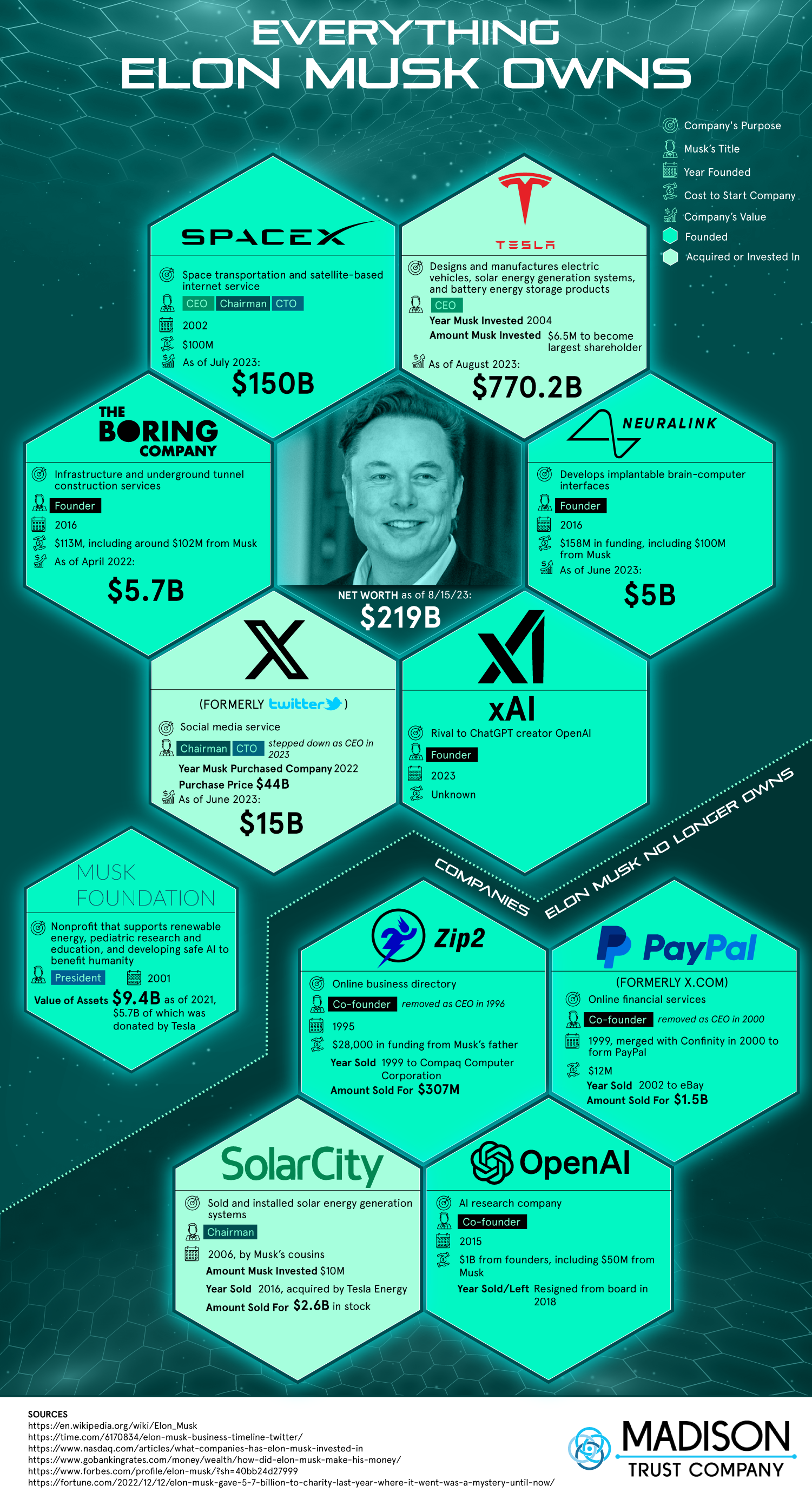
When Tesla Motors was incorporated in 2003, Martin Eberhard and Marc Tarpenning were the primary founders. Elon Musk joined shortly after in 2004, leading the Series A funding round with a $6.5 million investment, becoming the largest shareholder and chairman of the board. His initial stake was substantial, providing him with significant control and a foundational position from which to steer the company’s direction. This early infusion of capital was crucial for Tesla’s survival and development, laying the groundwork for its subsequent disruptive impact on the automotive industry. Musk’s financial commitment was not just an investment; it was an act of faith in a vision that many considered improbable.
Dilution Through Capital Raises and Stock-Based Compensation
As Tesla grew, it required massive amounts of capital to fund research and development, manufacturing expansion, and global distribution. This led to multiple rounds of private equity funding and, eventually, its initial public offering (IPO) in 2010. Each instance of selling new shares to investors, whether private or public, had the effect of diluting existing shareholders’ percentages, including Musk’s. However, this dilution was often offset by stock-based compensation plans and performance awards designed to incentivize Musk to achieve ambitious milestones. These awards, particularly the landmark 2018 performance-based stock option package, were structured to grant him billions of dollars in new shares if Tesla met specific market capitalization and operational targets. This mechanism allowed him to periodically increase his absolute share count, even as his percentage ownership might fluctuate.
The Role of Stock Options and Performance Awards
A significant portion of Elon Musk’s Tesla ownership has historically come not from outright share purchases, but from stock options and performance-based equity awards. These are financial instruments that give an individual the right, but not the obligation, to buy shares at a predetermined price (the “strike price”) within a certain timeframe. The 2018 compensation plan, for example, was an “all or nothing” arrangement tied to 12 tranches of stock options, each vesting upon Tesla achieving monumental market cap and operational milestones. Exercising these options required him to pay the strike price, which, while substantial, was significantly lower than the market value of the shares at the time of exercise. This system allowed him to accumulate vast numbers of shares, bolstering his stake and aligning his personal financial incentives directly with Tesla’s long-term success and market performance.
Quantifying Musk’s Current Tesla Holdings
Pinpointing Elon Musk’s exact real-time ownership percentage of Tesla is a dynamic challenge, as his holdings can change through option exercises, stock sales, or new grants. However, public filings offer a clear snapshot of his reported stake at various points, providing a robust estimate of his substantial influence.
Shares vs. Options: Understanding the Nuances
When discussing Musk’s ownership, it’s crucial to distinguish between shares he directly owns and stock options he holds but has not yet exercised. His “direct shares” are those that have been fully vested and exercised, sitting in his brokerage account. These represent his immediate voting power and financial stake. “Options,” on the other hand, represent potential future ownership. While incredibly valuable, options do not confer voting rights until they are exercised. For instance, in late 2021 and early 2022, Musk exercised a significant portion of his 2018 options, converting billions of dollars worth of options into actual shares and then selling some to cover tax liabilities and fund other ventures. Understanding this distinction is key to accurately assessing both his current ownership and his potential future control.
The Impact of Recent Sales and Acquisitions
Musk has engaged in significant stock transactions throughout his tenure, often driven by tax planning or the need to fund other ventures, most notably his acquisition of Twitter (now X). For example, in 2021-2022, he sold billions of dollars worth of Tesla stock, partly to fulfill massive tax obligations arising from exercising his 2018 stock options and partly to finance the Twitter purchase. These sales, while reducing his immediate percentage ownership, were strategic. They allowed him to realize immense gains and redeploy capital, while still maintaining a dominant stake in Tesla. While the exact number of shares fluctuates, these transactions demonstrate the active management of his immense wealth and the interconnectedness of his various business interests.
Percentage Ownership and Voting Power
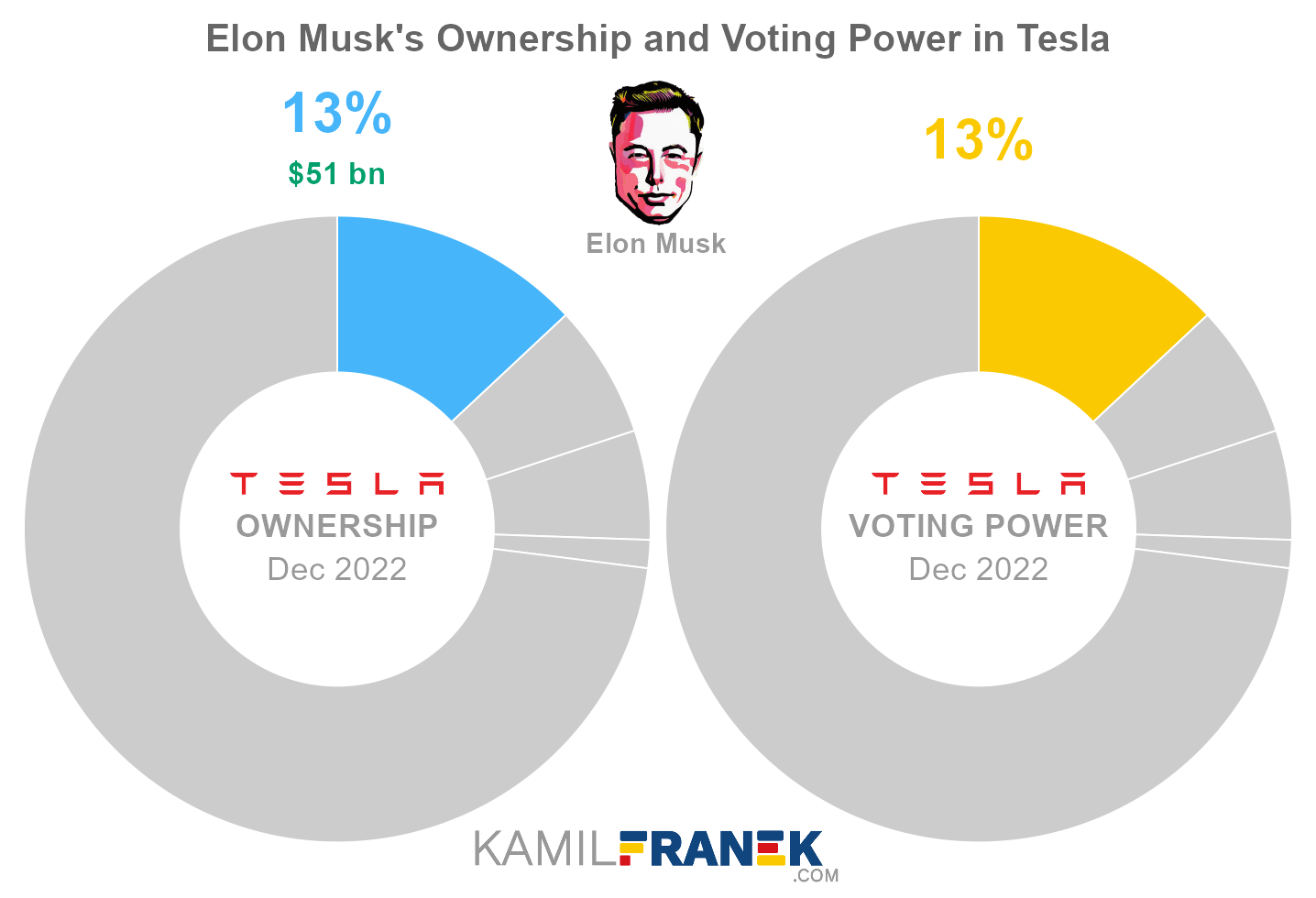
As of recent public disclosures and estimates (which can change frequently), Elon Musk typically holds around 13-15% of Tesla’s outstanding shares. However, this figure requires context. While 13-15% might not sound like majority control, in a company with diffuse ownership among institutional and retail investors, such a stake grants him immense voting power and practical control. He is by far the largest individual shareholder. Moreover, his influence extends beyond just voting shares; his charismatic leadership, vision, and the market’s perception of him are powerful drivers of Tesla’s stock price and strategic direction, giving him a level of de facto control that far exceeds a simple percentage calculation. When considering options that are likely to be exercised, his potential ownership could push closer to 20% or more, further solidifying his position as the ultimate decision-maker.
Financial Implications of Musk’s Ownership for His Personal Wealth
Elon Musk’s ownership of Tesla isn’t just a corporate detail; it’s the bedrock of his personal fortune, making him one of the wealthiest individuals globally. The sheer scale of this holding creates unique financial dynamics, challenges, and opportunities that few individuals ever encounter.
Tesla’s Valuation as the Cornerstone of Musk’s Net Worth
Tesla’s phenomenal growth, transforming from a niche EV manufacturer into a dominant force in the automotive and energy sectors, has directly fueled Musk’s ascent to extreme wealth. The vast majority of his estimated net worth is tied to his Tesla stock and unexercised options. As Tesla’s market capitalization has soared into the trillions, so too has the value of his holdings. This makes his personal fortune highly sensitive to Tesla’s stock performance. A significant fluctuation in Tesla’s share price can add or subtract tens of billions from his net worth in a single day, illustrating the immense leverage his stake provides. This concentration of wealth is a double-edged sword: it offers unparalleled potential for gains but also exposes him to significant risk if Tesla were to face prolonged financial headwinds.
Liquidity and Wealth Management Strategies
Despite the staggering value of his Tesla holdings, a significant portion of Musk’s wealth is not liquid cash. His shares represent ownership in a company, not ready funds. To access liquidity—whether to pay taxes, invest in other ventures like SpaceX or X, or fund personal expenses—Musk must either sell shares or borrow against them. His past sales have often been necessitated by the need to cover tax bills associated with exercising stock options, which can run into billions of dollars. Additionally, he has reportedly used his Tesla shares as collateral for personal loans, a common strategy among ultra-high-net-worth individuals to gain liquidity without triggering capital gains taxes from selling stock. These strategies are complex, requiring sophisticated financial planning to balance liquidity needs with tax efficiency and the desire to maintain his influential stake.
Tax Implications of Stock Sales and Option Exercises
The tax consequences of Musk’s Tesla ownership are immense and incredibly complex. When he exercises stock options, the difference between the market price of the shares and the strike price of the options is considered taxable income, subject to ordinary income tax rates. This can result in astronomical tax bills, often requiring him to sell a portion of the newly acquired shares just to cover these liabilities. Furthermore, any subsequent sale of those shares at a higher price than their value at the time of exercise is subject to capital gains tax. These tax events are meticulously planned and executed, often impacting market sentiment when large blocks of shares are announced for sale. His financial decisions are thus heavily influenced by the U.S. tax code, making his management of his Tesla stake a masterclass in high-stakes financial strategy.
The Influence of His Stake on Tesla’s Financial Strategy and Market Perception
Elon Musk’s substantial ownership is not just a personal financial matter; it profoundly shapes Tesla’s financial strategy, its interactions with the market, and its overall corporate direction. His direct stake intertwines his personal destiny with that of the company, creating a unique dynamic between founder, CEO, and primary shareholder.
Investor Confidence and Share Price Volatility
Musk’s substantial ownership stake is a significant factor in investor confidence. Many investors see his large personal investment as a powerful signal of his long-term commitment and belief in Tesla’s future. His continued holding of such a large percentage reassures the market that he is personally invested in the company’s success. However, this can also contribute to volatility. Any perceived change in his commitment, or even public statements that suggest a shift in his focus (such as his acquisition of X), can trigger sharp movements in Tesla’s stock price. The market often interprets Musk’s actions as indicative of Tesla’s future, creating a direct link between his financial position and the company’s market valuation.
Governance and Decision-Making Power
While Tesla has an independent board of directors, Musk’s significant ownership, combined with his role as CEO and product architect, grants him unparalleled influence over the company’s strategic and financial decisions. He can largely dictate the pace of innovation, capital allocation (e.g., investments in new factories or technologies), and even the company’s overall financial philosophy. This concentrated power means that decisions that would typically require extensive board and shareholder consensus in other large corporations can often be driven or spearheaded by Musk. This structure has enabled Tesla to move with remarkable agility but also concentrates significant risk in one individual, impacting financial governance and oversight.
Future Funding and Growth Prospects
Musk’s ownership also plays a role in Tesla’s future funding and growth prospects. His ability to use his personal shares as collateral, or his willingness to sell some to fund other ventures, demonstrates a degree of financial flexibility that indirectly benefits Tesla. Should Tesla need to raise further capital in the future, the market’s perception of Musk’s continued commitment (reinforced by his ownership) would be a crucial factor in attracting investors. His stake signifies a powerful alignment of interest between the company’s most influential figure and its long-term financial health, which is a key consideration for potential investors and lenders assessing Tesla’s ability to fund its ambitious growth plans.
The Broader Financial Landscape: Tesla’s Significance in Musk’s Portfolio
While Tesla is undoubtedly the crown jewel of Elon Musk’s financial empire, it’s essential to understand its place within his broader portfolio of ventures. His ownership in Tesla is deeply interconnected with his other companies, creating a complex web of financial dependencies and opportunities.
Diversification (or Lack Thereof) Across Ventures
Musk’s personal wealth is largely concentrated in a few key companies he leads, primarily Tesla and SpaceX. While he has stakes in other ventures like Neuralink and The Boring Company, Tesla remains the dominant financial driver. This level of concentration, while having yielded extraordinary returns, represents a significant lack of traditional diversification for someone of his wealth. Most financial advisors would counsel against such high concentration. However, for a visionary founder like Musk, this focus is a deliberate strategy, embodying his “all in” approach to solving what he perceives as humanity’s most pressing challenges. His financial fate is inextricably linked to the success of these intertwined, high-risk, high-reward enterprises.
Interconnectedness of Holdings (SpaceX, X, Neuralink, Boring Company)
The financial health and strategic decisions of Tesla are not made in a vacuum; they often interact with Musk’s other holdings. For example, Tesla’s battery technology could theoretically benefit SpaceX, or the funds generated from Tesla stock sales might be used to bolster the finances of X. This interconnectedness means that a financial success or setback in one entity can have ripple effects across his entire portfolio. Managing this web of interdependent companies requires an exceptional level of financial acumen, constantly balancing capital allocation, talent deployment, and strategic alignment to maximize the collective value of his ventures. The financial flows and asset utilization between these entities, though often opaque, are central to understanding Musk’s overall financial strategy.
Long-Term Financial Vision and Legacy
Ultimately, Elon Musk’s ownership of Tesla is a testament to his long-term financial vision. His early and persistent investment, coupled with his willingness to tie a significant portion of his personal wealth to its success, underscores a belief not just in profit, but in transforming industries and impacting the world. His financial stake isn’t merely about personal enrichment; it’s about retaining the power and resources to execute his ambitious vision for sustainable energy, space exploration, and artificial intelligence. His ownership is a tool, a lever that allows him to pursue a legacy far beyond conventional financial metrics, shaping not just his own fortune, but potentially the future trajectory of humanity. The sheer scale and strategic importance of his Tesla holdings make it a focal point for understanding both his personal financial journey and the broader financial narrative of one of the 21st century’s most influential figures.
aViewFromTheCave is a participant in the Amazon Services LLC Associates Program, an affiliate advertising program designed to provide a means for sites to earn advertising fees by advertising and linking to Amazon.com. Amazon, the Amazon logo, AmazonSupply, and the AmazonSupply logo are trademarks of Amazon.com, Inc. or its affiliates. As an Amazon Associate we earn affiliate commissions from qualifying purchases.