
Owning a Tesla is more than just driving a car; it’s an investment in a vision of sustainable, high-performance mobility. However, the financial commitment extends beyond the showroom floor, with car insurance being a significant ongoing expense. For many prospective and current Tesla owners, a crucial question looms: “How much is Tesla car insurance?” The answer, as with all car insurance, is multifaceted, influenced by a unique blend of factors inherent to these electric vehicles and the standard variables that define any auto policy. This article delves deep into the financial considerations of insuring a Tesla, providing insights into the costs, the drivers behind those costs, and strategies to manage them within the realm of personal finance.

The Financial Factors Driving Tesla Insurance Premiums
Tesla vehicles, renowned for their cutting-edge technology, instant torque, and minimalist design, present a distinct profile to insurance underwriters. Unlike conventional internal combustion engine (ICE) vehicles, their unique characteristics often translate into specific financial implications for insurance premiums. Understanding these factors is key to demystifying the cost of coverage.
High Repair Costs and Specialized Components
One of the primary drivers of higher Tesla insurance premiums is the cost associated with repairs. While Teslas boast fewer moving parts than traditional gasoline cars, reducing some maintenance costs, their advanced components and specialized construction can lead to expensive fixes after an accident.
-
Advanced Sensor Systems: Teslas are equipped with numerous cameras, radar, and ultrasonic sensors that power their Autopilot and Full Self-Driving capabilities. These components are intricate and often positioned in areas prone to impact, making their repair or recalibration a precise and costly endeavor. A simple fender bender might require extensive sensor realignment, which adds significantly to the repair bill.
-
Battery Pack and Structural Damage: The massive battery pack, integral to the vehicle’s structure and performance, is incredibly complex and expensive to replace or repair if damaged. Even minor collisions can sometimes necessitate battery system diagnostics or repairs that are far more costly than similar work on an ICE vehicle’s fuel tank or engine. Tesla’s innovative “Gigacasting” manufacturing process, while efficient, can mean that certain structural damage might require replacing larger, more expensive body sections rather than smaller, traditional panel repairs.
-
Aluminum Body and Specialized Tools: Many Tesla models utilize aluminum extensively in their body construction, which requires specialized tools, training, and facilities for repair. Not all body shops are equipped to handle aluminum repair, limiting options and potentially increasing labor costs due to specialized expertise.
Performance, Power, and Risk Perception
Teslas are celebrated for their blistering acceleration and high performance. While exhilarating for drivers, this power profile can be viewed by insurers as an increased risk factor.
-
Accident Severity: Vehicles capable of rapid acceleration are statistically more likely to be involved in higher-speed accidents, which tend to result in more severe damage and injuries. This translates into higher potential payouts for insurers, pushing premiums upwards.
-
Theft and Vandalism: While Teslas have advanced security features, their high market value and desirability can make them targets for theft or vandalism, particularly for parts. Insurers factor in the replacement cost of a high-value asset, which for a Tesla can be substantial.
Geographic Location and Owner Demographics
As with any vehicle, where a Tesla is driven and who is driving it plays a significant role in insurance costs.
-
Urban vs. Rural: Teslas are more prevalent in urban and suburban areas, which often have higher traffic density, greater risk of accidents, and higher theft rates compared to rural environments.
-
Driver Profile: The typical Tesla owner demographic, often affluent and tech-savvy, might not automatically lead to lower premiums. Rather, individual driving history, age, and claims record remain paramount. However, the concentration of Teslas in certain zip codes can influence regional risk assessments.
Breaking Down the Cost: What Influences Your Tesla Insurance Quote?
While the inherent characteristics of Teslas contribute to a baseline, your individual insurance quote is further refined by a multitude of personal and policy-specific variables. Understanding these components empowers you to anticipate and, to some extent, influence your premium.
Your Driver Profile and Driving History
The person behind the wheel is arguably the most significant factor in determining insurance rates. Insurers assess risk based on an individual’s past behavior and demographic data.
-
Age and Experience: Younger, less experienced drivers typically face higher premiums, as they are statistically more prone to accidents. As drivers mature and gain experience, their rates generally decrease, assuming a clean record.
-
Driving Record: A pristine driving record—free of accidents, speeding tickets, and other traffic violations—is invaluable. Each infraction can significantly increase premiums, signaling higher risk to an insurer.
-
Credit Score (where permitted): In many states, insurance companies use credit-based insurance scores as a predictor of future claims. A higher credit score often correlates with lower premiums, reflecting a financially responsible individual deemed less likely to file claims.
-
Annual Mileage: The more you drive, the higher your exposure to risk. Low-mileage drivers may qualify for discounts, as they are less likely to be involved in accidents.
Your Tesla Model and Coverage Choices
Not all Teslas are created equal in the eyes of an insurer, and the type of coverage you choose directly impacts your financial outlay.
-
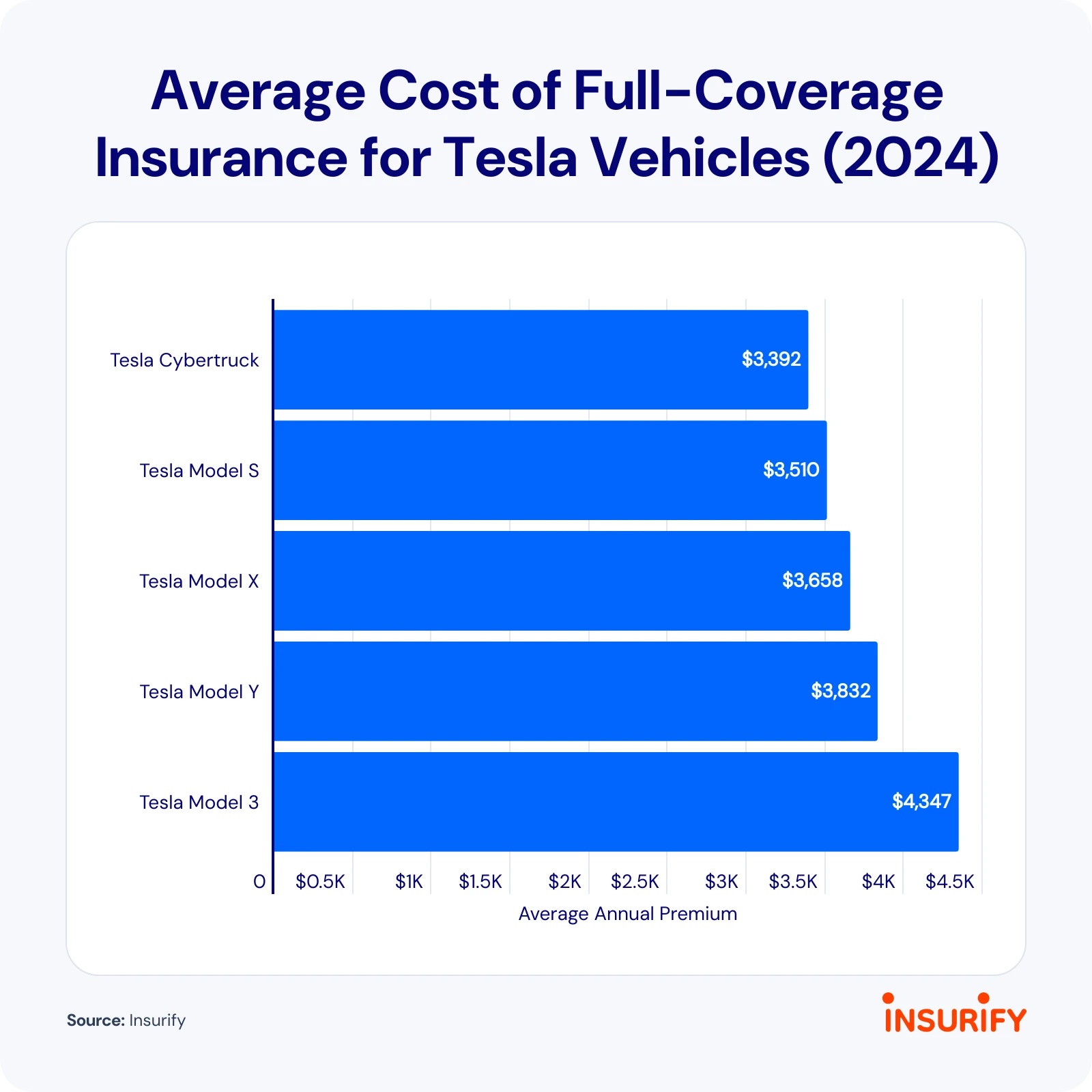
Model Variation: While all Teslas are premium vehicles, there can be notable differences in insurance costs between models. For instance, a Model 3 might be cheaper to insure than a Model S Plaid due to differences in purchase price, repair costs, and performance capabilities. Performance variants within the same model line (e.g., Long Range vs. Performance Model 3) will almost certainly carry higher premiums.
-
Coverage Levels: This is perhaps the most direct determinant of your premium.
-
Liability Coverage: Legally required in most places, this covers damages and injuries you cause to others. Higher limits offer greater financial protection but increase premiums.
-
Collision Coverage: Pays for damage to your Tesla resulting from an accident, regardless of fault. Given the high repair costs of Teslas, this coverage is often essential but adds significantly to the premium.
-
Comprehensive Coverage: Protects against non-collision incidents like theft, vandalism, fire, and natural disasters. Given Tesla’s value, this is also a highly recommended, albeit costly, addition.
-
Additional Coverages: Options like roadside assistance, rental car reimbursement, and uninsured/underinsured motorist coverage further customize your policy and impact the total cost.
-
-
Deductibles: The deductible is the amount you pay out-of-pocket before your insurance kicks in. Choosing a higher deductible typically lowers your monthly or annual premium, but it means you’ll pay more upfront if you file a claim. This is a critical financial decision requiring a balance between lower premiums and potential out-of-pocket costs.
Strategies to Lower Your Tesla Insurance Costs
While Tesla insurance can be pricier than that for some conventional cars, there are proactive financial strategies and smart choices owners can employ to mitigate these costs.
Shop Around and Compare Quotes Diligently
This is the single most effective strategy for finding the best rates. The insurance market is highly competitive, and premiums for the exact same coverage can vary significantly between providers.
-
Obtain Multiple Quotes: Don’t settle for the first quote. Contact at least 3-5 different insurance companies, including national carriers, regional providers, and potentially specialized EV insurers. Online comparison tools can streamline this process, but always follow up with direct quotes from agents.
-
Utilize Independent Agents: An independent insurance agent works with multiple carriers and can shop around on your behalf, often finding policies that fit your specific needs and budget better than a single-carrier agent.
-
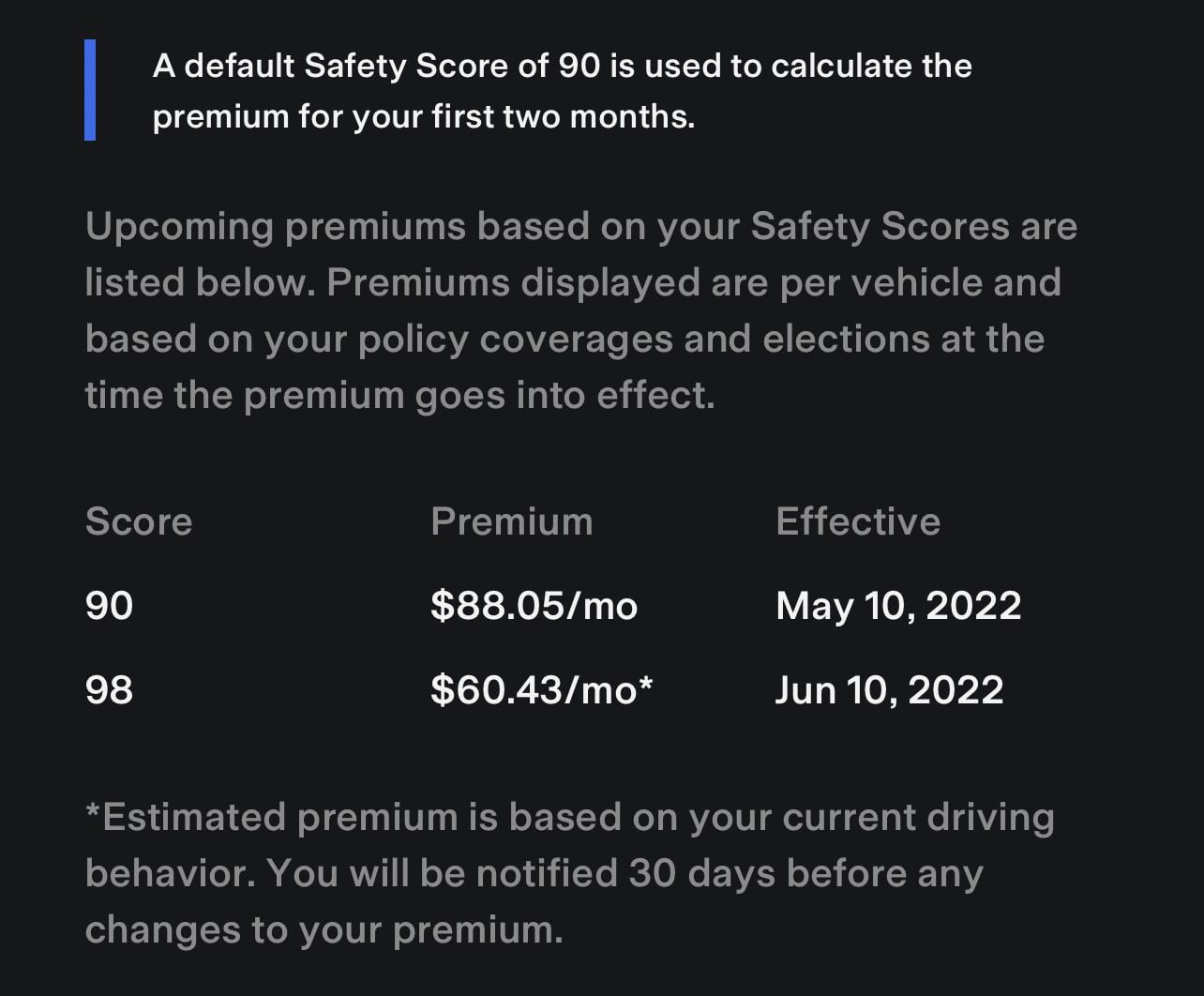
Consider Tesla’s Own Insurance: In some states, Tesla offers its own insurance product. This proprietary offering leverages real-time driving data (with your consent) to potentially offer more competitive rates based on a “Safety Score.” While not always the cheapest, it’s worth exploring, especially if you consistently demonstrate safe driving habits.
Maximize Available Discounts
Insurance companies offer a plethora of discounts that can add up to substantial savings. Always inquire about every discount you might qualify for.
-
Multi-Policy/Bundling Discounts: Bundling your auto insurance with home, renters, or life insurance policies from the same provider often results in significant savings on both.
-
Safe Driver Discounts: Maintain a clean driving record, complete defensive driving courses, or opt for telematics programs (like Tesla’s Safety Score or other insurer-provided devices/apps) that monitor driving behavior and reward safe habits.
-
Vehicle Safety Features: Teslas are equipped with advanced safety features (e.g., automatic emergency braking, lane-keeping assist, multiple airbags) that often qualify for specific discounts. Ensure your insurer is aware of all these features.
-
EV/Green Vehicle Discounts: Some insurers offer discounts specifically for electric vehicles as part of their environmental initiatives.
-
Low Mileage Discounts: If you don’t drive your Tesla frequently, you might qualify for reduced rates.
-
Good Student Discounts: For younger drivers, maintaining good grades can lead to discounts.
Adjust Your Policy and Financial Habits
Certain adjustments to your policy and personal financial management can also have a direct impact on your insurance premiums.
-
Increase Your Deductible: As discussed, opting for a higher deductible (e.g., $1,000 instead of $500) can significantly lower your premium. However, ensure you have sufficient emergency savings to cover this higher out-of-pocket expense if you need to file a claim.
-
Improve Your Credit Score: A strong credit score can lead to lower insurance rates in states where it’s a permissible rating factor. Regularly review your credit report and work to improve any negative marks.
-
Pay Annually or Semi-Annually: Many insurers offer a discount for paying your premium in full, rather than in monthly installments, which often incur administrative fees.
-
Review Your Coverage Annually: Your driving needs and financial situation change over time. Annually reviewing your policy ensures you’re not over-insured (e.g., still carrying full comprehensive and collision on an older, lower-value Tesla) and are still getting the best rates.
Tesla Insurance vs. Traditional Cars: A Cost Comparison Perspective
When considering a Tesla, the insurance cost often becomes a significant point of comparison against gasoline-powered alternatives. It’s not always an apples-to-apples comparison, as the overall cost of ownership for an EV includes various factors that balance out the equation.
Initial Purchase Price and Resale Value
The higher initial purchase price of a Tesla directly impacts the cost of comprehensive and collision coverage, as insurers must account for the higher replacement value of the vehicle. However, Teslas have historically held their value exceptionally well, sometimes even appreciating. While this doesn’t directly lower premiums, it’s a financial benefit that offsets some ownership costs.
Maintenance and Fuel Savings
While insurance might be higher, Tesla owners often experience significant savings in other areas of vehicle ownership.
-
Reduced Maintenance: Electric vehicles have fewer moving parts, eliminating the need for oil changes, spark plug replacements, and complex exhaust system repairs typical of ICE vehicles. This can lead to substantial long-term maintenance savings.
-
Fuel vs. Electricity: The cost of electricity to charge a Tesla is generally lower than the cost of gasoline for an equivalent ICE vehicle, especially if charging at home during off-peak hours. These “fuel” savings can help offset a higher insurance premium.
The Evolving EV Insurance Market
The insurance industry is continually adapting to the rise of electric vehicles. As EVs become more common, repair networks for them expand, and insurers gain more data on their specific risk profiles, we may see adjustments in pricing. Tesla’s efforts to streamline repairs and potentially offer more affordable proprietary insurance are also influencing the market. Over time, the gap between EV and ICE vehicle insurance costs might narrow or even reverse in certain segments, particularly as advanced safety features become standard across all vehicle types.
In conclusion, insuring a Tesla involves a complex interplay of the vehicle’s advanced characteristics, individual driver profiles, and market dynamics. While the unique aspects of these electric marvels can lead to higher premiums, a diligent approach to shopping for quotes, maximizing discounts, and strategically managing policy choices can help Tesla owners navigate the financial landscape and secure competitive coverage for their futuristic ride. As the automotive world continues its electric transformation, understanding these financial nuances will remain paramount for responsible vehicle ownership.
aViewFromTheCave is a participant in the Amazon Services LLC Associates Program, an affiliate advertising program designed to provide a means for sites to earn advertising fees by advertising and linking to Amazon.com. Amazon, the Amazon logo, AmazonSupply, and the AmazonSupply logo are trademarks of Amazon.com, Inc. or its affiliates. As an Amazon Associate we earn affiliate commissions from qualifying purchases.