
The question of what Tesla (TSLA) is currently trading at is more than a simple request for a ticker price. For the modern investor, it is an inquiry into the health of the electric vehicle (EV) sector, the volatility of growth-oriented tech stocks, and the shifting sentiment of the broader market. Tesla remains one of the most actively traded and debated equities on the Nasdaq, serving as a bellwether for innovation-led investing. To understand its current trading position, one must look beyond the intraday fluctuations and examine the fundamental, macroeconomic, and psychological factors that dictate its market capitalization.

Decoding the Current Market Price of Tesla (TSLA)
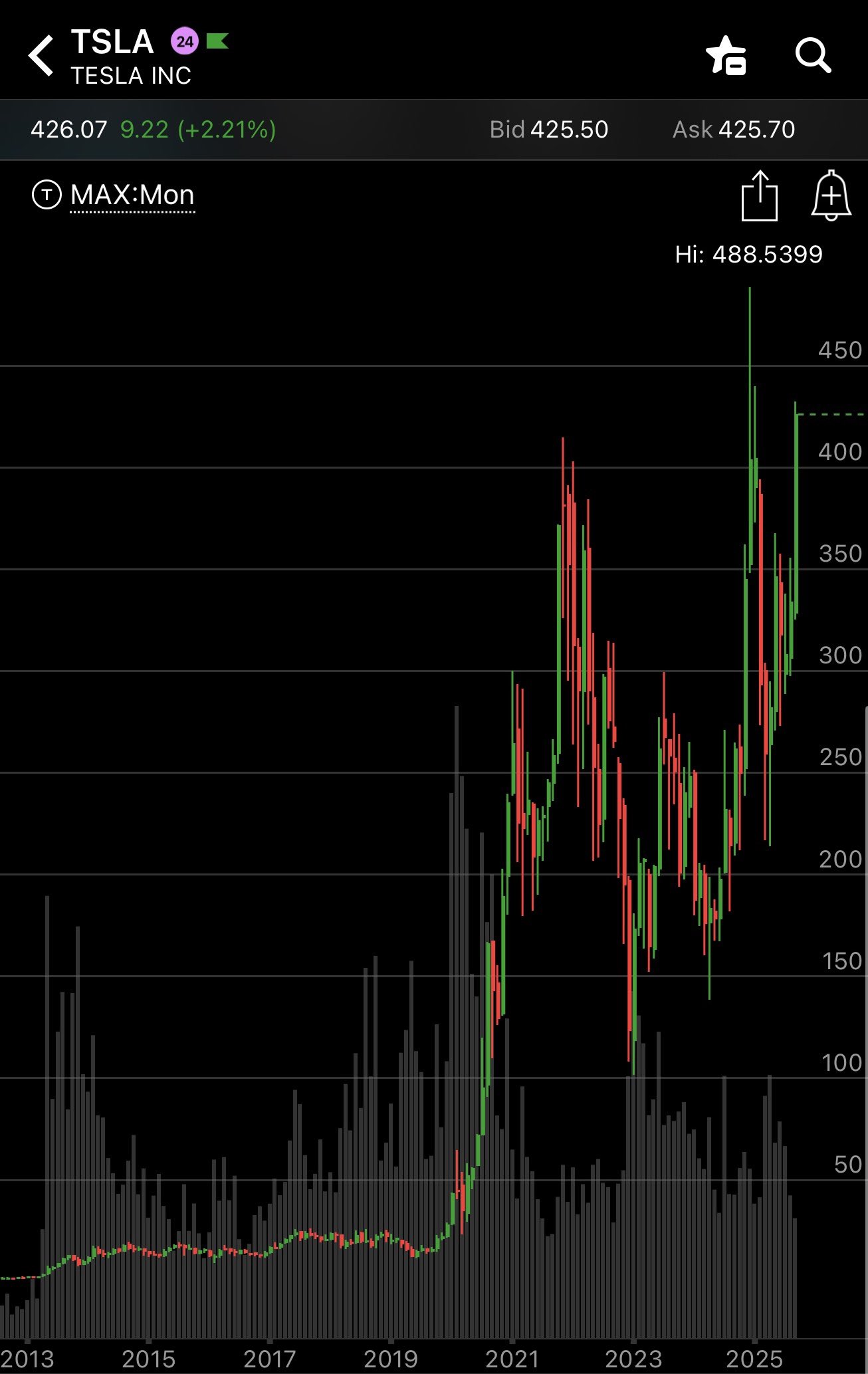
When an investor asks what Tesla is trading at, they are looking at a real-time equilibrium between buyers and sellers. However, in the world of high-stakes investing, that number is a moving target. Tesla’s stock is famously volatile, often experiencing percentage swings in a single session that traditional blue-chip companies might not see in a quarter.
The Mechanics of TSLA Price Volatility
Tesla’s price is heavily influenced by high retail participation and significant institutional rebalancing. Because the company is a core component of the S&P 500 and the Nasdaq-100, any movement in broader index funds or exchange-traded funds (ETFs) like the ARK Innovation ETF (ARKK) triggers automatic buying or selling of TSLA shares. This creates a feedback loop where the stock’s “trading price” is often a reflection of systemic market liquidity as much as it is a reflection of company-specific news.
Market Capitalization vs. Share Price
As of the current market cycle, Tesla’s share price represents a valuation that dwarfs almost every other automotive manufacturer in the world combined. For investors, the “price” is secondary to the market capitalization—the total dollar market value of the company’s outstanding shares. When Tesla trades at higher multiples, it is being priced not as a car company, but as a technology conglomerate specializing in energy storage, artificial intelligence, and robotics. Understanding the current trade requires recognizing whether the market is currently valuing Tesla for its current cash flow or its future disruptive potential.
Core Drivers Influencing Tesla’s Current Valuation
The price at which Tesla trades is never static because the variables governing its valuation are constantly in flux. From quarterly delivery reports to the nuances of global supply chains, several key drivers dictate the stock’s momentum.
Delivery Numbers and Production Scalability
The primary metric the market uses to “price in” Tesla’s value is its quarterly delivery numbers. Investors look for consistent year-over-year growth. If Tesla reports deliveries that beat analyst expectations, the trading price typically surges, reflecting confidence in the company’s ability to scale. Conversely, even a slight miss can lead to a sharp correction. The current trading range often reflects the market’s anticipation of production rates at “Gigafactories” in Berlin, Texas, and Shanghai.
The Impact of Interest Rates and Macroeconomics
As a growth stock, Tesla is highly sensitive to the Federal Reserve’s interest rate environment. When rates are high, the present value of future earnings decreases, which can weigh heavily on Tesla’s trading price. Furthermore, high interest rates increase the cost of auto loans for consumers, potentially dampening demand for luxury EVs. Investors monitoring what Tesla is trading at must keep a close eye on the 10-year Treasury yield and inflation data, as these macroeconomic indicators often move the stock more than internal company news.
Regulatory Credits and Profitability Margins
A unique aspect of Tesla’s financial health is its accumulation and sale of regulatory credits to other automakers. In many fiscal quarters, these credits have been the difference between a net loss and a profit. Current trading levels often factor in how much of Tesla’s profit is “organic” from vehicle sales versus “inorganic” from credit sales. Furthermore, the company’s gross margins—which have historically led the industry—are a focal point for investors. If Tesla engages in price cuts to maintain market share, margins may compress, causing the stock to trade at a discount compared to its historical peaks.
The “Magnificent Seven” Context and Sector Comparison
Tesla is a member of the so-called “Magnificent Seven,” a group of high-performing tech stocks that have dominated market returns in recent years. However, its trading behavior often diverges from peers like Nvidia or Microsoft.
Tesla vs. Traditional Auto Manufacturers
To understand Tesla’s current trading level, one must compare its Price-to-Earnings (P/E) ratio with companies like Toyota, Ford, or Volkswagen. While traditional automakers often trade at P/E ratios in the high single digits or low teens, Tesla frequently trades at multiples significantly higher. This “Tesla Premium” is based on the assumption that Tesla will eventually dominate the global fleet and monetize its software via Full Self-Driving (FSD) subscriptions. When the stock trades down, it often suggests that the market is temporarily re-evaluating this premium and viewing Tesla more through the lens of a hardware manufacturer.
Growth Expectations and AI Integration
A significant portion of Tesla’s current trading value is attributed to its ventures outside of vehicle manufacturing. This includes the Dojo supercomputer, the Optimus humanoid robot, and its energy storage business (Powerwall and Megapack). For many institutional investors, the current trading price is a “call option” on the success of these AI-driven initiatives. If the market shifts its focus toward AI, Tesla often trades in tandem with the semiconductor and software sectors rather than the consumer discretionary sector.
Risk Factors and Bearish Sentiments
No analysis of what Tesla is trading at is complete without considering the downward pressures. The stock is a frequent target for short-sellers and skeptics who argue the valuation is untethered from reality.
Global Competition and Market Share Erosion
In recent years, the emergence of formidable competitors, particularly from China (such as BYD, NIO, and Li Auto), has challenged Tesla’s dominance. In Europe and Asia, these brands often offer comparable technology at lower price points. If data suggests Tesla is losing market share in these critical regions, the stock price usually reflects this as a “de-risking” event. Investors must weigh the current trading price against the increasing difficulty Tesla faces in maintaining its “first-mover” advantage.
Key Person Risk and Brand Perception
Tesla’s brand is inextricably linked to its CEO, Elon Musk. His public persona, political engagements, and management of other ventures (like X, formerly Twitter) significantly impact TSLA’s trading volatility. “Key person risk” is a tangible factor in Tesla’s valuation. Sudden shifts in Musk’s focus or public controversies can lead to “sentiment selling,” where the stock drops regardless of the company’s underlying financial performance. For the disciplined investor, these moments of sentiment-driven trading often present either a significant risk or a strategic entry point.
Strategic Considerations for Long-Term Investors
For those looking at what Tesla is currently trading at with an eye toward the future, the daily ticker is merely noise. A professional investment approach requires a more structured strategy.
Dollar-Cost Averaging into Volatile Assets
Because Tesla is prone to “gapping” (opening significantly higher or lower than the previous day’s close), many financial advisors suggest dollar-cost averaging (DCA). By investing a fixed dollar amount at regular intervals, an investor buys more shares when the price is low and fewer when it is high, effectively smoothing out the cost basis over time. This mitigates the psychological stress of trying to “time” the perfect entry point in a stock as unpredictable as Tesla.
The Role of AI and Full Self-Driving (FSD) in Future Value
The ultimate question for the long-term bull is whether the current trading price accounts for the potential of a “Robotaxi” fleet. If Tesla successfully solves Level 5 autonomy, the revenue model shifts from a one-time hardware sale to a recurring high-margin software service. Bulls argue that at its current levels, the market is severely underpricing the software-as-a-service (SaaS) potential of Tesla’s ecosystem. Conversely, bears argue that the technical and regulatory hurdles to FSD are so high that the current price is already over-inflated by “hopium.”
In conclusion, understanding what Tesla is currently trading at requires a multi-dimensional perspective. It is a figure shaped by global interest rates, manufacturing excellence, competitive pressures in the EV space, and the visionary—yet controversial—leadership of its CEO. Whether you view the current price as an overvalued bubble or a discounted opportunity depends entirely on your thesis regarding the future of energy and transport. For the sophisticated investor, the ticker symbol TSLA remains one of the most compelling and essential studies in the intersection of finance, technology, and human psychology.
aViewFromTheCave is a participant in the Amazon Services LLC Associates Program, an affiliate advertising program designed to provide a means for sites to earn advertising fees by advertising and linking to Amazon.com. Amazon, the Amazon logo, AmazonSupply, and the AmazonSupply logo are trademarks of Amazon.com, Inc. or its affiliates. As an Amazon Associate we earn affiliate commissions from qualifying purchases.