
In the modern travel landscape, the convenience of Online Travel Agencies (OTAs) like Expedia has transformed how users plan and manage their itineraries. At the core of this convenience is a sophisticated digital infrastructure designed to handle complex transactions, real-time inventory updates, and, perhaps most importantly, the ability to reverse these actions through a cancellation. Understanding how to navigate the technical ecosystem of Expedia to cancel a reservation requires more than just knowing where the “cancel” button resides; it requires an understanding of the platform’s interface logic, the integration of mobile and web applications, and the automated backend processes that communicate with third-party service providers.
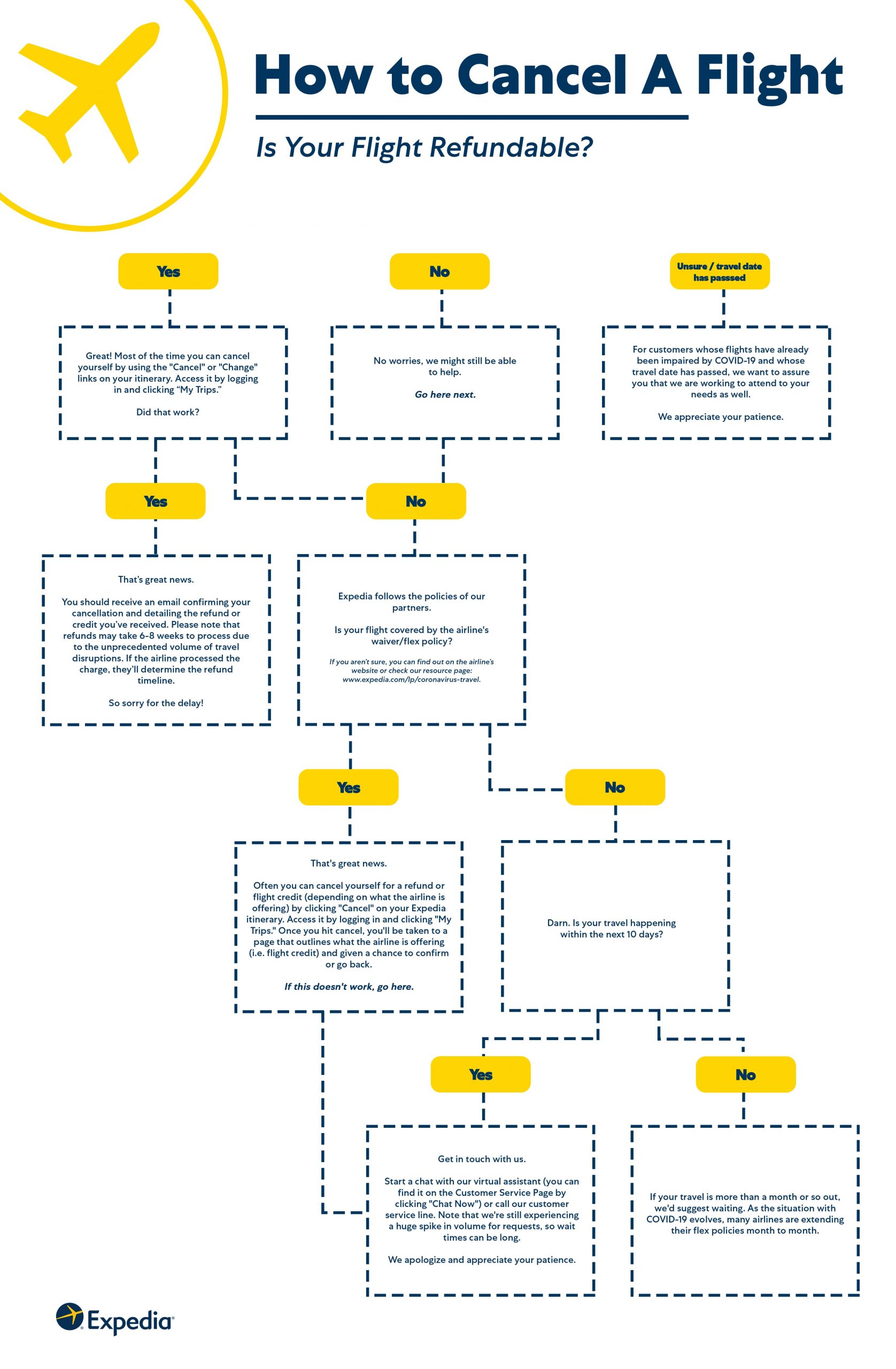
Navigating the Expedia User Interface for Seamless Cancellations
The Expedia platform is a masterclass in User Experience (UX) design, engineered to funnel users through a specific path to manage their bookings. Whether you are using a desktop browser or a mobile device, the platform synchronizes your data across its cloud infrastructure, ensuring that any reservation made is accessible within seconds via the “My Trips” dashboard.
Desktop Web Experience vs. Mobile App Integration
For users on a desktop or laptop, the cancellation process begins by accessing the global header. The “My Trips” link is the primary entry point into the account’s database of active reservations. From a technical standpoint, this section of the site utilizes dynamic loading to pull your specific itinerary details from Expedia’s servers.
Once you select the specific trip you wish to modify, the interface presents a centralized management console. Here, the platform’s logic distinguishes between different modules: flights, hotels, car rentals, and activities. To cancel, a user typically searches for the “Manage Booking” or “Cancel Room” link. This action triggers a client-side request to the backend, which then checks the specific ruleset associated with your reservation ID.
On the mobile app (available for iOS and Android), the experience is optimized for touch interaction and smaller screen real estate. The app uses native API calls to retrieve itinerary data, often resulting in a faster load time than the mobile web version. The cancellation flow in the app is streamlined: tap on the ‘Trips’ icon, select the booking, and scroll to the ‘Manage Booking’ section. The software is designed to provide immediate haptic feedback and visual confirmation, ensuring the user knows their request is being processed.
Utilizing the ‘My Trips’ Dashboard
The ‘My Trips’ dashboard acts as the command center for your digital travel profile. It is not merely a list of bookings but a live interface that reflects the current status of your travel assets. When you initiate a cancellation, the dashboard updates in real-time. This is achieved through asynchronous JavaScript and XML (AJAX) or similar technologies that allow the page to update without a full refresh.
When a user clicks “Cancel,” the system performs a multi-step validation. It checks the timestamp of the request against the cancellation window stored in the database. If the request falls within the permitted timeframe, the UI displays a confirmation screen. If not, the system’s logic gate redirects the user to a summary of potential fees or a notice that the booking is non-refundable based on the pre-set metadata of that specific transaction.
The Role of Automation and AI in the Cancellation Process
As one of the world’s largest travel platforms, Expedia relies heavily on automation and Artificial Intelligence (AI) to handle the millions of cancellation requests it receives annually. This automation reduces the need for human intervention and provides users with 24/7 service.
Interacting with the Expedia Virtual Assistant
One of the most efficient technical routes to cancel a reservation is through the Expedia Virtual Assistant. This AI-powered chatbot uses Natural Language Processing (NLP) to understand user intent. Instead of navigating through multiple menus, a user can simply type “cancel my hotel in New York” into the chat interface.
The Virtual Assistant is integrated directly with the user’s account database. Once it identifies the user through a secure session token, it can pull up specific reservations and offer a “one-click” cancellation option within the chat window. This represents a significant shift in software interaction—moving from a graphical user interface (GUI) to a conversational user interface (CUI). The backend logic remains the same, but the delivery mechanism is optimized for speed and user intent.
Real-Time Synchronization with Service Providers
When you click “confirm cancellation” on Expedia, a complex series of digital handshakes occurs in the background. Expedia’s platform must communicate with the external systems of airlines, hotel chains, and car rental agencies. This is handled via Application Programming Interfaces (APIs).
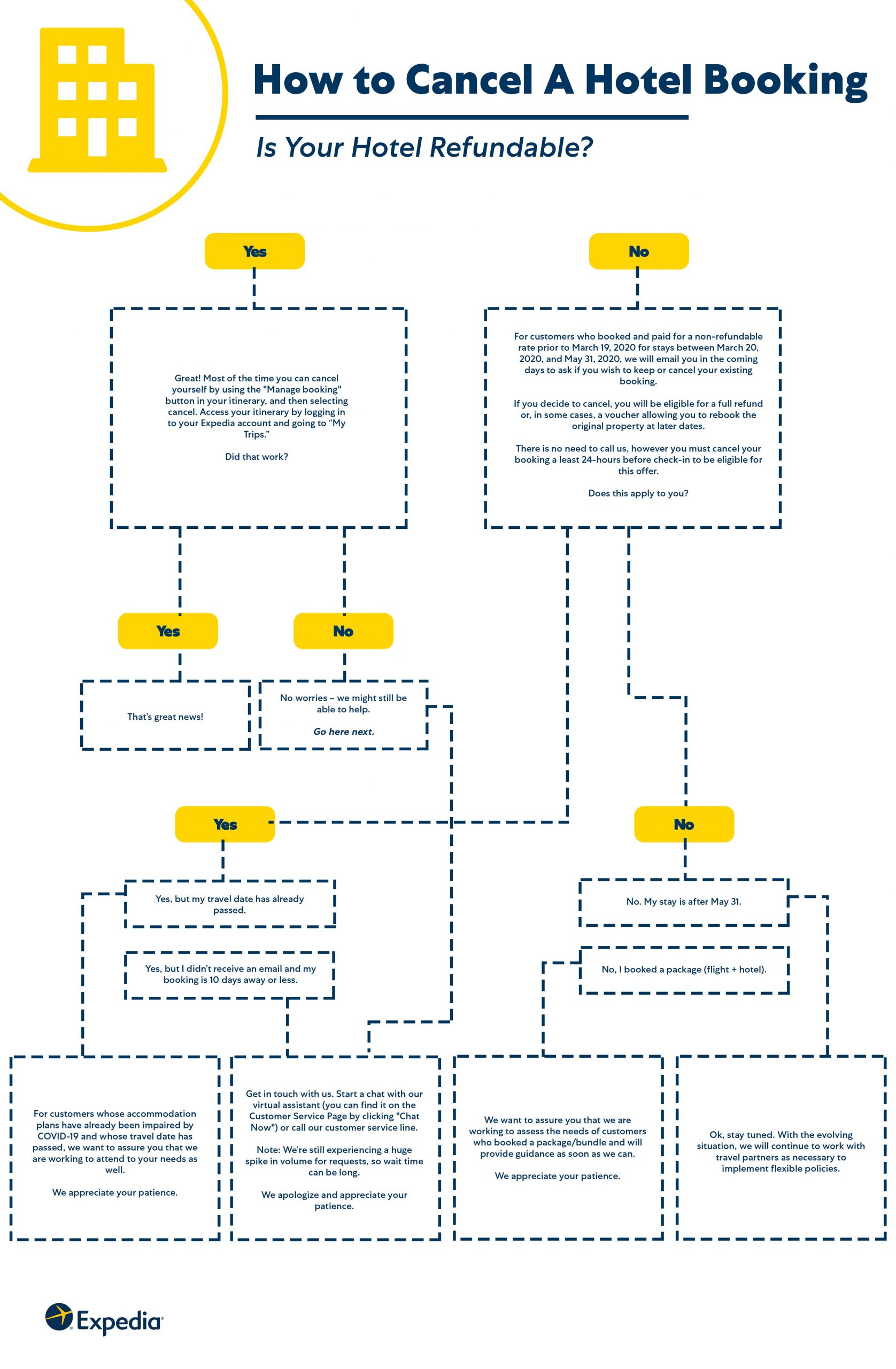
For example, if you cancel a hotel room, Expedia’s system sends an API call to the hotel’s Property Management System (PMS). This signal tells the hotel’s database to release the room back into the “available” inventory pool. Simultaneously, the system updates the Global Distribution System (GDS), which ensures that the room becomes visible and bookable again on other travel sites. This synchronization happens in milliseconds, showcasing the power of integrated travel technology.
Troubleshooting Technical Barriers and Error Codes
Despite the robustness of the platform, users may occasionally encounter technical hurdles when trying to cancel a reservation. These issues often stem from browser conflicts, synchronization lags, or complex itinerary structures that the automated system cannot resolve without manual oversight.
Browser Compatibility and Cache Management
A common point of failure in the cancellation process is related to the user’s local environment. Web browsers store “cache” and “cookies” to speed up loading times, but these files can sometimes become corrupted or outdated. If a user tries to cancel a trip but the page loops or fails to load, it is often a sign of a session conflict.
Technically, clearing the browser cache or using an “Incognito” or “Private” window creates a clean session state. This forces the browser to fetch the most recent version of the cancellation page and scripts from Expedia’s servers, bypassing any cached errors. Additionally, ensuring that JavaScript is enabled is vital, as the cancellation confirmation buttons are typically script-based elements.
Handling Multi-Segment Itineraries in the System
Reservations that include multiple components—such as a “Flight + Hotel” package—present a unique technical challenge. These are often treated as a single “bundle” in the database but consist of separate child-records for the airline and the hotel.
Sometimes, the automated “Cancel” button may only be available for individual components rather than the entire package. In such cases, the system’s logic requires the user to cancel each segment sequentially. If the backend detects a dependency (e.g., you cannot have the discounted hotel rate without the flight), it may block the automated cancellation and prompt the user to contact a support agent. This is a safeguard built into the software to prevent orphaned bookings or accidental violations of package terms.
Security Protocols and Data Privacy During Refund Requests
Canceling a reservation involves sensitive financial data and personal information. Expedia employs rigorous security protocols to ensure that every cancellation and subsequent refund process is protected from unauthorized access.
Authentication and Multi-Factor Verification
Before the system allows a cancellation to proceed, it must verify the identity of the user. This is primarily done through secure login credentials. If the system detects a login from a new device or an unusual location, it may trigger Multi-Factor Authentication (MFA).
The software sends a unique code to the user’s registered email or phone number. Only after this code is successfully entered into the interface will the “Manage Trips” section become fully functional. This prevents malicious actors from accessing an account and canceling valuable travel plans. From a technical standpoint, this adds a layer of encryption and validation to the session token, ensuring that the cancellation request is legitimate.
Encrypted Payment Reversals and Digital Receipts
Once a cancellation is confirmed, the financial aspect of the transaction enters a phase of encrypted processing. Expedia does not typically store full credit card numbers in plain text; instead, it uses tokenization. When a refund is triggered, the system sends a tokenized request to the payment gateway.
The gateway communicates with the user’s bank to reverse the charge or issue a credit. This entire process is protected by Transport Layer Security (TLS) encryption, ensuring that the data transmitted between Expedia, the payment processor, and the bank remains private. Following the technical completion of the cancellation, the system automatically generates a digital receipt or confirmation email. This document contains a cancellation code, which serves as a database key that the user can provide if there are any future discrepancies regarding the transaction’s status.
By leveraging a combination of intuitive UI design, AI-driven assistants, and robust API integrations, Expedia has streamlined the cancellation process into a few simple digital steps. While the underlying technology is incredibly complex, the user experience is designed to be straightforward, providing travelers with the digital tools they need to manage their plans in an ever-changing world.
aViewFromTheCave is a participant in the Amazon Services LLC Associates Program, an affiliate advertising program designed to provide a means for sites to earn advertising fees by advertising and linking to Amazon.com. Amazon, the Amazon logo, AmazonSupply, and the AmazonSupply logo are trademarks of Amazon.com, Inc. or its affiliates. As an Amazon Associate we earn affiliate commissions from qualifying purchases.