
Navigating the intricacies of federal payroll taxes can be a daunting task for any employer. Among the most critical responsibilities is the timely and accurate payment of federal income tax withheld, Social Security tax, and Medicare tax through Form 941, the Employer’s Quarterly Federal Tax Return. While electronic payment methods have become the standard and often mandatory, many businesses still inquire about the traditional mailing options. This guide will clarify not only where to mail your Form 941 payment but also provide a holistic understanding of your obligations, preferred payment methods, and crucial deadlines to ensure compliance and avoid costly penalties.
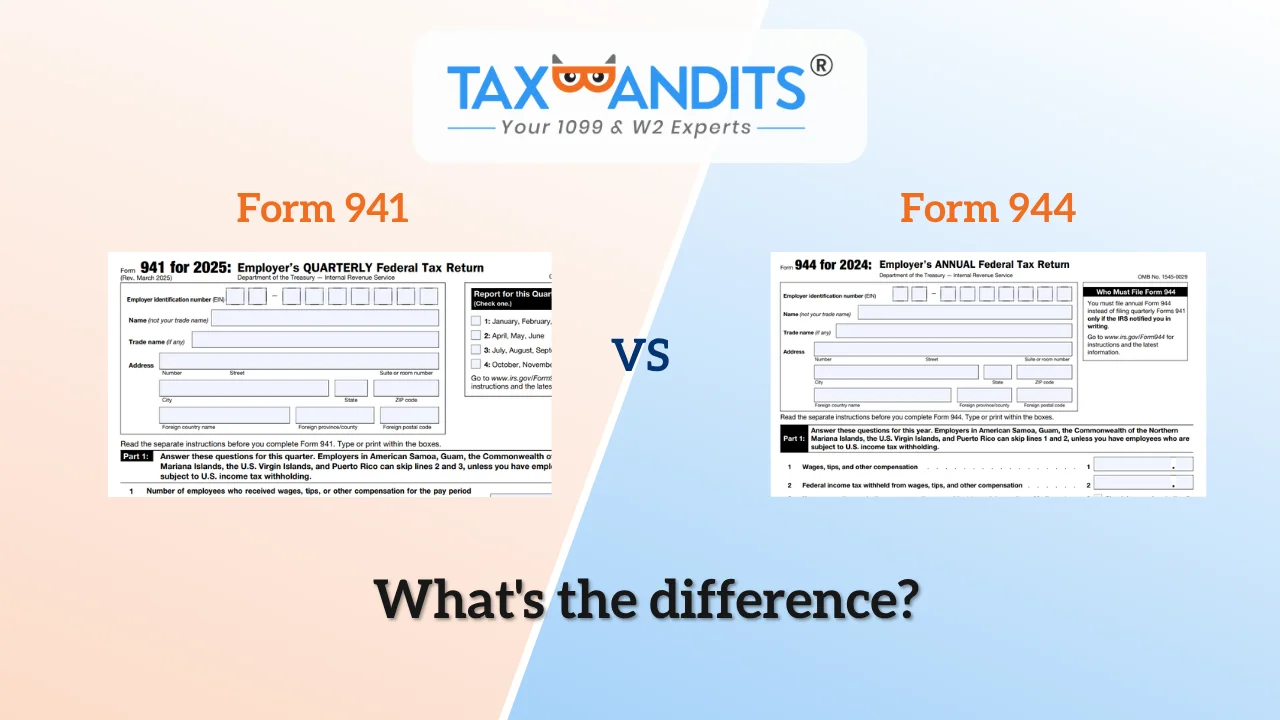
Understanding Form 941: Your Quarterly Federal Tax Obligations
Before delving into payment specifics, it’s vital to grasp the purpose and scope of Form 941. This form is the cornerstone of federal payroll tax reporting for most employers, serving as a quarterly reconciliation of wages paid and taxes withheld.
Who Needs to File Form 941?
Generally, if you pay wages subject to federal income tax withholding, Social Security tax, or Medicare tax, you must file Form 941. This includes most businesses that employ workers. There are a few exceptions, such as seasonal employers who don’t pay wages in a quarter, employers of household employees, or employers of agricultural employees (who typically use Form 943). If your business operates throughout the year and has employees, Form 941 is almost certainly a requirement. Even if you have no taxes to report for a quarter, you must still file a “zero return” unless you’ve formally ceased operations or are a seasonal employer indicating so on your previous return.
What Form 941 Covers: Withholding, Social Security, and Medicare
Form 941 aggregates the following crucial federal taxes:
-
Federal Income Tax Withheld: This is the tax you deduct from your employees’ paychecks based on their W-4 forms.
-
Social Security Tax: Also known as FICA (Federal Insurance Contributions Act) tax, this funds Social Security benefits. Both the employer and employee contribute to this, with the employer generally matching the employee’s portion.
-
Medicare Tax: Another component of FICA, this funds Medicare health insurance. Like Social Security, both employer and employee contribute, with the employer typically matching the employee’s share.
The amounts reported on Form 941 reflect the total liability for these taxes during the quarter. However, the payment of these taxes doesn’t always align perfectly with the quarterly filing. Depending on your tax liability, you may be required to deposit these taxes much more frequently—either monthly or semi-weekly—throughout the quarter. The Form 941 then serves to reconcile these deposits against your actual tax liability.
The IRS’s Preferred Method: Electronic Payments via EFTPS
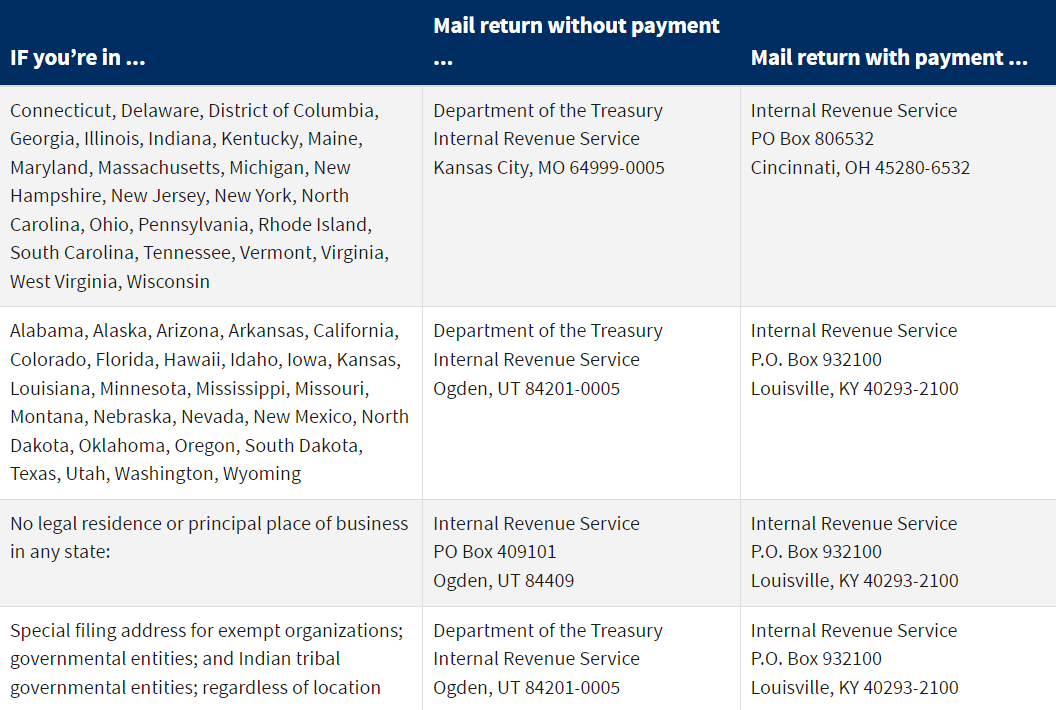
While the article title specifically asks about mailing payments, it’s imperative to highlight that the IRS overwhelmingly prefers and, in many cases, mandates electronic payment. The Electronic Federal Tax Payment System (EFTPS) is the primary method for making federal tax deposits and is designed for efficiency, accuracy, and security.
What is EFTPS and Why is it Recommended?
EFTPS is a free service provided by the U.S. Department of the Treasury that allows businesses and individuals to make federal tax payments electronically. It’s a secure and convenient way to pay all types of federal taxes, including those reported on Form 941.
The IRS strongly encourages all employers to use EFTPS for several reasons:
-
Convenience: Payments can be scheduled 24/7, up to 365 days in advance.
-
Accuracy: Reduces the risk of errors associated with manual processing and paper checks.
-
Security: Electronic transactions are generally more secure than mailing physical checks.
-
Proof of Payment: You receive an immediate confirmation number, providing verifiable proof of payment.
-
Cost-Effective: Eliminates postage costs and the need for specialized check printing.
-
Mandatory for Many: As we’ll discuss, many employers are required to use it.
How to Enroll and Make Payments Through EFTPS
Enrolling in EFTPS is a straightforward process, though it does involve a few steps:
-
Enroll Online or by Phone: Visit the EFTPS website (www.eftps.gov) and follow the enrollment instructions, or call EFTPS Customer Service. You will need your Employer Identification Number (EIN) and banking information.
-
Receive Your PIN: After enrollment, you’ll receive a Personal Identification Number (PIN) via U.S. mail within 5-7 business days. This PIN, along with your EIN and an internet password (which you’ll create during online enrollment), is required to access the system.
-
Schedule Payments: Once enrolled, you can log in, select the tax type (e.g., Form 941), enter the payment amount, the date you want the payment to be debited from your bank account, and your bank account information. You will receive a confirmation number for each scheduled payment.
It’s crucial to schedule your EFTPS payments at least one business day before the tax due date to ensure timely processing. The system must receive your payment instruction by 8:00 p.m. ET the day before the payment due date.
When Electronic Payment Becomes Mandatory
The IRS requires most employers to use EFTPS for all federal tax deposits. Specifically, if your total federal tax deposits in a calendar year exceed a certain threshold (historically, this has been $2,500, but it’s more nuanced based on your deposit schedule and prior year’s liability), you are generally required to use EFTPS. More broadly, if your annual aggregate tax liability was $50,000 or more in 2021 or 2022, you must use EFTPS in 2024. For those with smaller liabilities, while not strictly mandatory, it is still the recommended and most efficient method. Failure to comply with electronic payment mandates can result in penalties.
Mailing Your Form 941 Payment: Addresses and Best Practices
Despite the push for electronic payments, there are still scenarios where mailing a payment is permissible or necessary. Generally, this applies to employers with very small tax liabilities—specifically, those whose total tax for the current quarter (or even the entire year, for certain circumstances) is less than $2,500, and they pay the tax when they file their Form 941.
Determining the Correct IRS Mailing Address for Form 941
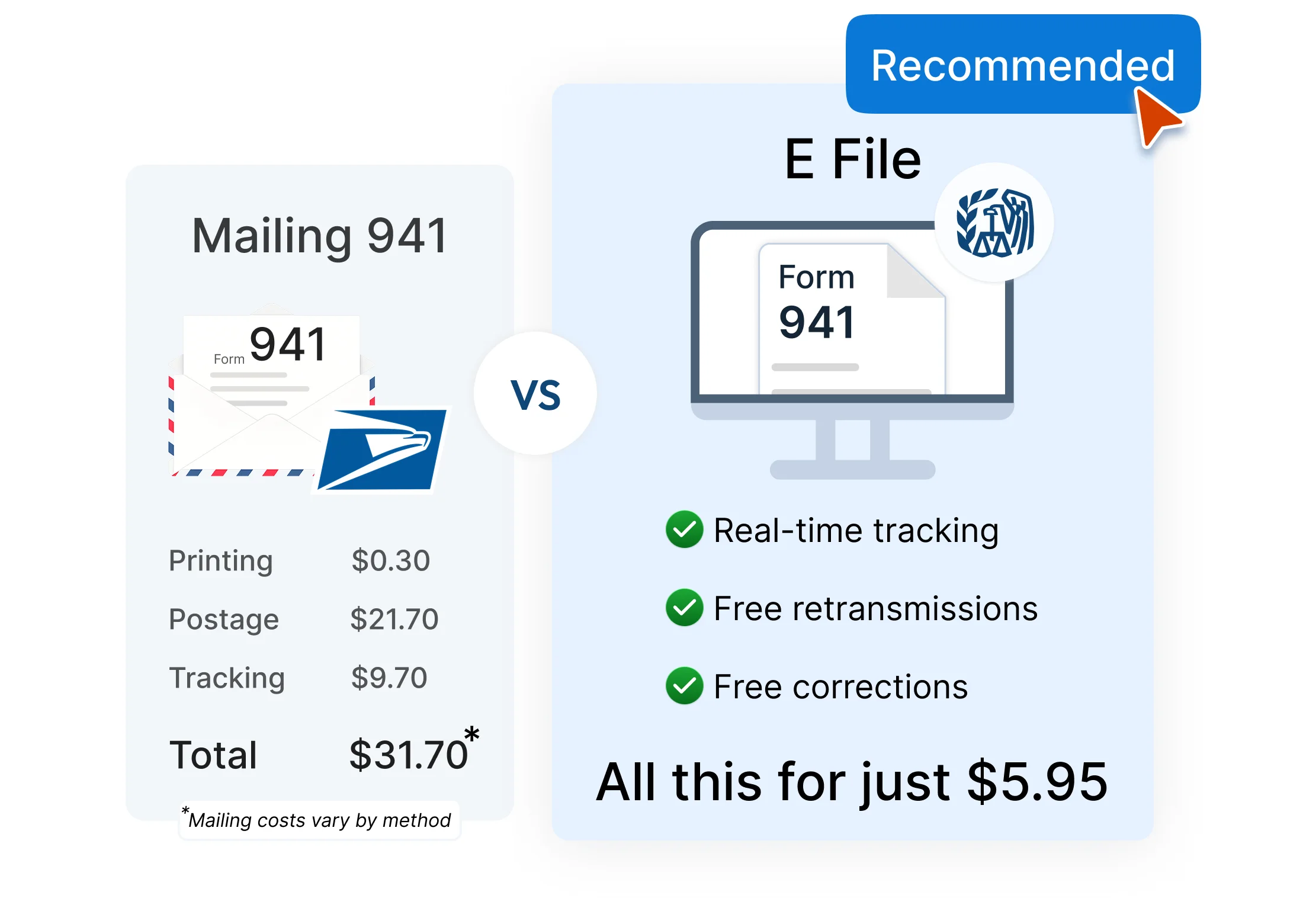
This is the core question from our title, and the answer is crucial: the correct mailing address for Form 941 with payment depends on where your business is located and whether you are including payment with the return. The IRS provides different addresses for returns with payments versus those without.
You must consult the official IRS instructions for Form 941 for the relevant tax year to find the precise mailing address. These addresses can change. However, as a general guide, the IRS typically organizes mailing addresses by state.
Here are examples of how mailing addresses are structured (Always verify with current IRS Form 941 instructions):
If you are including a payment with Form 941:
-
For states like Connecticut, Delaware, District of Columbia, Georgia, Illinois, Indiana, Kentucky, Maine, Maryland, Massachusetts, Michigan, New Hampshire, New Jersey, New York, North Carolina, Ohio, Pennsylvania, Rhode Island, South Carolina, Tennessee, Vermont, Virginia, West Virginia, Wisconsin:
Department of the Treasury
Internal Revenue Service
P.O. Box 80105
Cincinnati, OH 45280-0001
-
For states like Alabama, Arizona, Arkansas, California, Colorado, Florida, Idaho, Iowa, Kansas, Louisiana, Minnesota, Mississippi, Missouri, Montana, Nebraska, Nevada, New Mexico, North Dakota, Oklahoma, Oregon, South Dakota, Texas, Utah, Washington, Wyoming:
Department of the Treasury
Internal Revenue Service
P.O. Box 1370
Charlotte, NC 28201-1370
-
For Alaska, Hawaii, or if your legal residence or principal place of business is outside the United States:
Department of the Treasury
Internal Revenue Service
P.O. Box 1301
Charlotte, NC 28201-1301
Important Note: The above are illustrative examples only. The IRS occasionally updates its processing centers and mailing addresses. Always refer to the current year’s official IRS instructions for Form 941 (specifically, “Where To File” section) to ensure you send your return to the correct address. Sending it to the wrong address can cause delays, processing errors, and potentially lead to penalties.
Essential Components for Mailed Payments: Form 941-V and Payment Instrument
When mailing a payment with your Form 941, you must include a Form 941-V, Payment Voucher.
-
Form 941-V: This voucher is crucial. It ensures your payment is properly credited to your account. You will find it at the end of the Form 941 package. Fill out all required information accurately: your EIN, business name, address, and the amount of your payment. Do not staple, clip, or attach the check or money order to the voucher or return.
-
Payment Instrument: Your payment must be in the form of a check or money order, made payable to the “United States Treasury.” Do not send cash. Write your EIN, “Form 941,” and the tax period (e.g., “3rd Quarter 2024”) on your check or money order. This helps the IRS correctly apply your payment even if it becomes separated from the voucher or return.
Important Considerations for Mailed Payments: Deadlines, Postmarks, and Record-Keeping
Mailing introduces additional considerations that electronic payments largely mitigate:
-
Timeliness: Payments are considered timely if they are postmarked by the U.S. Postal Service on or before the due date. To be safe, mail your payment several days before the deadline.
-
Proof of Mailing: For critical payments, consider using certified mail with a return receipt requested. This provides undeniable proof that you mailed your payment on time and that the IRS received it.
-
Packaging: Do not send anything other than your Form 941, Form 941-V, and your check or money order. Avoid sending explanatory letters unless specifically requested by the IRS.
-
Record-Keeping: Always keep copies of your filed Form 941, Form 941-V, and the check or money order (or a transaction record if paying electronically). This documentation is vital for your own records and in case of any IRS inquiries or audits.
Key Deadlines and Avoiding Penalties
Timely filing and payment are paramount in payroll tax compliance. Missing deadlines or underpaying can result in significant penalties.
Quarterly Filing and Payment Due Dates
Form 941 is a quarterly return, with specific due dates for filing and payment:
-
1st Quarter (January 1 – March 31): Due April 30
-
2nd Quarter (April 1 – June 30): Due July 31
-
3rd Quarter (July 1 – September 30): Due October 31
-
4th Quarter (October 1 – December 31): Due January 31 of the next year
If any due date falls on a Saturday, Sunday, or legal holiday, the due date shifts to the next business day. An extension to file Form 941 is generally not granted.
Understanding Your Federal Tax Deposit Schedule (Monthly vs. Semi-Weekly)
This is a critical distinction that often confuses employers. The Form 941 payment due dates above are for filing the return. Your actual deposits of federal payroll taxes throughout the quarter are governed by a separate schedule based on your total tax liability.
-
Monthly Depositor: If your total tax liability for the lookback period (a 12-month period defined by the IRS) was $50,000 or less, you are generally a monthly depositor. You must deposit your accumulated taxes by the 15th of the following month.
-
Semi-Weekly Depositor: If your total tax liability for the lookback period was more than $50,000, you are generally a semi-weekly depositor. This schedule is more complex:
-
For payments accruing on Wednesday, Thursday, or Friday, deposit by the following Wednesday.
-
For payments accruing on Saturday, Sunday, Monday, or Tuesday, deposit by the following Friday.
-
There’s also a $100,000 Next-Day Deposit Rule: If you accumulate $100,000 or more in tax liability on any day, you must deposit the tax by the next business day, regardless of whether you are a monthly or semi-weekly depositor.
It’s vital to correctly determine your deposit schedule and adhere to it. Most employers will use EFTPS for these frequent deposits. Form 941 then serves to reconcile these deposits against the actual tax liability for the quarter.
Consequences of Late or Incorrect Payments
The IRS imposes various penalties for non-compliance, which can quickly add up:
-
Failure to Deposit Penalty: This is typically a percentage of the underpayment, varying from 2% to 15% depending on how late the deposit is. For example, a 2% penalty if the deposit is 1 to 5 days late, increasing to 15% if it’s more than 15 days late or if you fail to deposit at all.
-
Failure to File Penalty: 5% of the unpaid taxes for each month or part of a month that a return is late, capped at 25% of your unpaid taxes.
-
Failure to Pay Penalty: 0.5% of the unpaid taxes for each month or part of a month that taxes remain unpaid, also capped at 25% of your unpaid taxes.
-
Interest: In addition to penalties, the IRS charges interest on underpayments and unpaid penalties.
These penalties underscore the importance of understanding your obligations, adhering to deposit schedules, and ensuring your Form 941 and any accompanying payments are submitted accurately and on time.
Streamlining Your Payroll Tax Process
Managing payroll taxes efficiently is not just about avoiding penalties; it’s about smart business finance. Proactive strategies can significantly reduce stress and errors.
Leveraging Payroll Software and Professionals
Many businesses, especially small to medium-sized enterprises, find immense value in using dedicated payroll software or outsourcing their payroll functions to professionals.
-
Payroll Software: Modern payroll software solutions (e.g., QuickBooks Payroll, Gusto, ADP Run, Paychex Flex) automate calculations, withholdings, and often the filing and payment of federal and state payroll taxes. They can automatically connect to EFTPS and manage your deposit schedule, reducing the risk of errors and missed deadlines. They also typically generate the necessary quarterly and annual forms, including Form 941 and W-2s.
-
Payroll Service Providers: For businesses that prefer to completely offload payroll responsibilities, outsourcing to a payroll service provider is an excellent option. These companies handle everything from calculating wages and withholdings to filing all necessary tax forms and making deposits on your behalf, guaranteeing compliance and taking on much of the liability.
-
Tax Professionals: A qualified tax professional, such as a CPA or enrolled agent, can provide invaluable guidance on your specific payroll tax obligations, help you navigate complex situations, and ensure you’re utilizing the most efficient and compliant methods for filing and payment.
Maintaining Accurate Records for Compliance
Regardless of your chosen method for payroll processing, diligent record-keeping is non-negotiable. The IRS requires employers to keep all records of employment taxes for at least four years after the date the tax becomes due or is paid, whichever is later. This includes:
-
Amounts and dates of wage, annuity, and pension payments.
-
Amounts of tips reported.
-
Fair market value of in-kind wages.
-
Names, addresses, and EINs of employees.
-
Employee W-4 forms.
-
Dates of employment.
-
Copies of all tax returns and deposit records.
-
Proof of payment for all federal tax deposits and any payments made with Form 941.
Well-maintained records are your first line of defense in the event of an IRS inquiry or audit. They provide a clear audit trail and demonstrate your commitment to compliance, protecting your business from potential disputes and financial penalties.
In conclusion, while mailing payments for Form 941 is an option for a select few with small tax liabilities, the overwhelming recommendation from the IRS, and the mandate for most, is to use electronic payment methods through EFTPS. Understanding your deposit schedule, adhering to deadlines, and maintaining meticulous records are critical components of responsible business finance. By leveraging technology and professional expertise, employers can navigate their payroll tax obligations efficiently and accurately, ensuring smooth operations and avoiding costly compliance pitfalls.
aViewFromTheCave is a participant in the Amazon Services LLC Associates Program, an affiliate advertising program designed to provide a means for sites to earn advertising fees by advertising and linking to Amazon.com. Amazon, the Amazon logo, AmazonSupply, and the AmazonSupply logo are trademarks of Amazon.com, Inc. or its affiliates. As an Amazon Associate we earn affiliate commissions from qualifying purchases.