
Discovering you owe the Internal Revenue Service (IRS) can be a daunting experience, often accompanied by a knot of anxiety and a flurry of “what-if” questions. Whether it’s due to under-withholding, unexpected income, or a complex financial year, finding yourself in tax debt is a common scenario for millions of Americans. The most crucial first step, however, is not to panic, but to act. Ignoring the problem will only compound it, leading to escalating penalties and interest. This comprehensive guide will walk you through the essential steps, strategies, and solutions available when you find yourself in arrears with the IRS, empowering you to navigate the situation with confidence and clarity.
Understanding Your Tax Obligation and Its Implications
Before you can tackle the problem, you must first fully understand its scope. The IRS is a powerful entity, but it also provides clear pathways and options for taxpayers who are genuinely trying to resolve their debts.
Confirming the Debt and Its Origins
The first order of business is to verify the accuracy of the debt. If you receive a notice from the IRS, do not assume it’s a scam (though vigilance is always key – more on that later). Instead, take the following steps:
-
Review Your Own Records: Compare the IRS notice with your filed tax return and supporting documentation (W-2s, 1099s, etc.). There might be a simple error on either side.
-
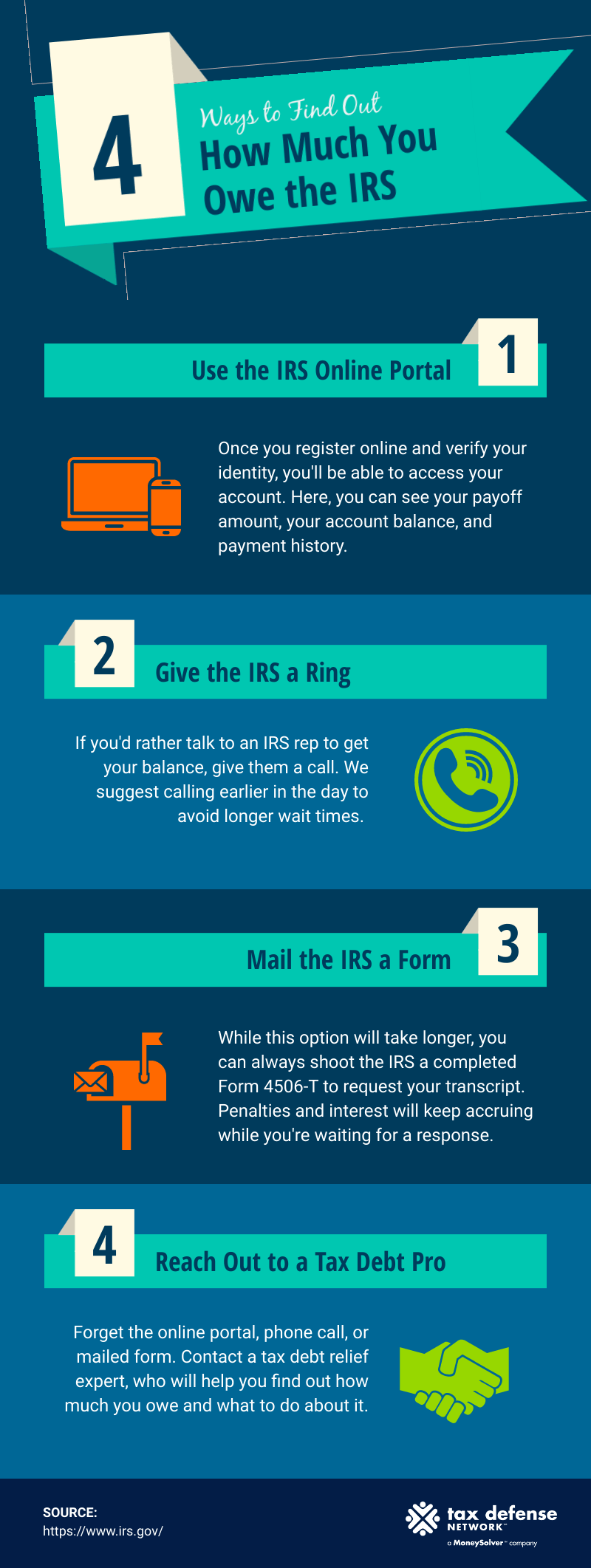
Access Your IRS Account Online: The IRS offers an online portal where you can view your tax account, payment history, and any outstanding balances. This is the most reliable way to confirm what the IRS believes you owe.
-
Understand the Penalties and Interest: IRS notices will typically detail not only the original tax due but also any accrued penalties for failure to file, failure to pay, and interest charges. These can significantly inflate the total amount owed, so understanding their components is crucial.
Common Reasons for Owing the IRS
Understanding why you owe can help prevent future tax debts. Common reasons include:
-
Insufficient Withholding: For employees, if you don’t adjust your W-4 form properly, your employer might not withhold enough taxes from your paycheck.
-
Underpayment of Estimated Taxes: Self-employed individuals, freelancers, and those with significant investment income are often required to pay estimated taxes quarterly. Failure to do so, or underpaying, can lead to a tax bill.
-
Unexpected Income: Windfalls like lottery winnings, large bonuses, or significant capital gains from selling assets can push you into a higher tax bracket or create an unexpected tax liability.
-
Missed Deductions or Credits: Sometimes, an oversight in tax preparation can lead to a higher taxable income than necessary.
-
Life Changes: Events like marriage, divorce, birth of a child, or changes in employment status can alter your tax situation significantly, sometimes resulting in a larger tax bill if not accounted for.
The Critical Importance of Filing Your Return
Even if you know you can’t afford to pay your tax bill, the absolute worst thing you can do is fail to file your tax return by the deadline (or extended deadline). The IRS imposes two primary penalties:
-
Failure-to-File Penalty: This is significantly steeper, typically 5% of the unpaid taxes for each month or part of a month that a tax return is late, capped at 25% of your unpaid taxes.
-
Failure-to-Pay Penalty: This is much lower, usually 0.5% of the unpaid taxes for each month or part of a month that taxes remain unpaid, also capped at 25% of your unpaid taxes.
By filing on time, even if you can’t pay, you avoid the much larger failure-to-file penalty, effectively cutting your potential penalties by a significant margin.
Exploring Immediate and Short-Term Payment Solutions
Once you understand your obligation, the next step is to explore how you can satisfy it. The IRS always prefers you pay your taxes in full and on time.
Pay in Full if at All Possible
The simplest and most cost-effective solution is to pay your tax debt in full as soon as you can. This immediately stops the accumulation of penalties and interest, saving you money in the long run. The IRS offers several ways to make a payment:
-
Direct Pay: Free and secure online payment directly from your checking or savings account.
-
Debit/Credit Card: You can pay through third-party processors, but they typically charge a small fee.
-
Electronic Federal Tax Payment System (EFTPS): A free service for individuals and businesses.
-
Check, Money Order, or Cashier’s Check: Mailed directly to the IRS.
Short-Term Payment Plan (STPP)
If you can’t pay the entire amount now but anticipate being able to do so within a few months, a Short-Term Payment Plan might be an option. The IRS typically allows up to 180 days to pay off your tax debt in full, though interest and penalties will continue to accrue. This plan is often easy to set up online or by phone, and doesn’t usually require a formal agreement. It’s a good stop-gap measure for those who just need a little more time.
Leveraging Personal Assets (With Caution)
In some cases, individuals might consider using personal assets to pay off their tax debt.
-
Tapping Savings: If you have an emergency fund or easily accessible savings, using a portion to pay down high-interest tax debt can be a wise financial move, provided it doesn’t leave you completely exposed.
-
Selling Non-Essential Assets: For significant tax debts, selling non-essential assets like a second vehicle, recreational vehicle, or high-value collectibles could provide the necessary funds. Be mindful of potential capital gains taxes on such sales.
-
Borrowing from a 401(k) or Home Equity Line of Credit (HELOC): While these options offer access to funds, they come with significant risks. Borrowing from a 401(k) means missing out on potential investment growth and could lead to taxes and penalties if you leave your job and don’t repay the loan. A HELOC puts your home at risk if you can’t make the payments. These should generally be considered last resorts and only after consulting with a financial advisor.

When You Can’t Pay Immediately: Long-Term Solutions
For those who simply cannot pay their tax debt in full, even with a short extension, the IRS offers several long-term solutions designed to help taxpayers get back on track.
Installment Agreement
This is the most common and accessible long-term payment option. An Installment Agreement allows you to make monthly payments for up to 72 months (six years). You’ll still accrue interest and penalties, but at a reduced rate once the agreement is established.
-
Eligibility: Generally, if you owe a combined total of under $50,000 (for individuals) or $25,000 (for businesses) in tax, penalties, and interest, you are eligible for an online payment agreement. Larger amounts may require a more formal application (Form 9465).
-
How it Works: Once approved, you commit to a fixed monthly payment. The IRS may require direct debit payments from your bank account. It’s crucial to make all payments on time and to remain compliant with all future tax filings and payments. Defaulting on an installment agreement can lead to more severe collection actions.
Offer in Compromise (OIC)
An Offer in Compromise allows certain taxpayers to resolve their tax liability with the IRS for a lower amount than what they originally owe. The IRS considers an OIC when there’s genuine doubt about your ability to pay, or when paying the full amount would create an economic hardship.
-
Criteria: The IRS generally accepts an OIC based on three grounds:
-
Doubt as to Collectibility: You can’t pay your full tax liability. This is the most common reason. The IRS evaluates your income, expenses, and asset equity.
-
Doubt as to Liability: There is doubt that the assessed tax is correct. This is rare and usually means you believe the IRS made an error in calculating your tax.
-
Effective Tax Administration: While you could pay the full amount, it would cause significant economic hardship or be unfair due to exceptional circumstances.
-
-
Application Process: The OIC process is complex and requires detailed financial disclosures using Form 656, Offer in Compromise. It can be time-consuming, and not all offers are accepted. The IRS will conduct a thorough review of your financial situation, including your ability to pay, income, expenses, and asset value.
-
Success Rate: OICs are not for everyone. The IRS typically accepts a fraction of the offers submitted, often for those in truly dire financial straits. It’s a serious commitment and often benefits from professional guidance.
Currently Not Collectible (CNC) Status
If you are facing severe financial hardship and cannot pay your living expenses, let alone your tax debt, the IRS may temporarily place your account in “Currently Not Collectible” (CNC) status.
-
What it Means: This means the IRS has determined that you currently lack the ability to pay your tax debt. They will temporarily stop collection efforts, though interest and penalties will continue to accrue.
-
Temporary Status: CNC status is not a forgiveness of debt; it’s a temporary pause. The IRS will periodically review your financial situation, and if your circumstances improve, they may reinstate collection efforts.
-
How to Qualify: You will need to provide detailed financial information to the IRS, demonstrating that paying the tax would leave you unable to meet basic living expenses.
Avoiding Future Tax Debt and Seeking Professional Help
Successfully resolving your current tax debt is a huge step, but it’s equally important to implement strategies to prevent future issues.
Adjusting Withholding and Estimated Payments
-
For W-2 Employees: Review your W-4 form with your employer annually, especially after significant life changes. Use the IRS Tax Withholding Estimator tool on IRS.gov to ensure the correct amount of tax is being withheld from your paychecks. The goal is to avoid a huge refund (which means you overpaid throughout the year) and a huge tax bill (which means you underpaid).
-
For Self-Employed Individuals: Regularly calculate and pay estimated taxes (Form 1040-ES) quarterly. Don’t wait until the end of the year. Factor in all income sources and potential deductions.
Understanding Tax Credits and Deductions
Proactive tax planning throughout the year can significantly reduce your tax liability. Stay informed about available tax credits (which directly reduce your tax bill) and deductions (which reduce your taxable income). Keep meticulous records of all income and expenses, especially if you are self-employed or have complex investments.
The Indispensable Role of Tax Professionals
Navigating the complexities of IRS tax debt can be overwhelming. This is where a qualified tax professional becomes invaluable.
-
Enrolled Agents (EAs): Federally licensed tax practitioners who specialize in taxation and have unlimited rights to represent taxpayers before the IRS.
-
Certified Public Accountants (CPAs): Licensed by individual states, CPAs offer a broad range of accounting services, including tax preparation and representation.
-
Tax Attorneys: Lawyers specializing in tax law, particularly useful for complex cases, litigation, or challenging IRS audits.
A professional can help you:
-
Accurately assess your debt and options.
-
Prepare and submit necessary forms (e.g., OIC application).
-
Represent you in communications with the IRS, which can reduce stress and ensure proper procedures are followed.
-
Develop a long-term tax planning strategy to prevent future issues.

Beware of Scams
It’s crucial to distinguish legitimate IRS communications from scams. The IRS will generally first contact you by mail. They will never:
-
Call to demand immediate payment using a specific payment method like a gift card, wire transfer, or cryptocurrency.
-
Threaten you with immediate arrest, deportation, or driver’s license revocation.
-
Demand that you pay taxes without giving you an opportunity to question or appeal the amount.
-
Ask for credit or debit card numbers over the phone.
If you receive a suspicious call or email, hang up or delete it, and report it to the Treasury Inspector General for Tax Administration (TIGTA).
In conclusion, owing the IRS is a manageable challenge, not a dead end. The key is to confront it head-on: understand your situation, explore all available payment and resolution options, and seek professional guidance when necessary. By taking proactive steps and staying informed, you can effectively resolve your tax debt and pave the way for a more financially secure future. Remember, the IRS wants to resolve the debt; your willingness to engage and cooperate is the first and most powerful step toward a solution.
aViewFromTheCave is a participant in the Amazon Services LLC Associates Program, an affiliate advertising program designed to provide a means for sites to earn advertising fees by advertising and linking to Amazon.com. Amazon, the Amazon logo, AmazonSupply, and the AmazonSupply logo are trademarks of Amazon.com, Inc. or its affiliates. As an Amazon Associate we earn affiliate commissions from qualifying purchases.