
In an increasingly digital world, the way we manage our finances has undergone a profound transformation. Gone are the days when mailing checks and shuffling paper bills dominated our financial routines. Today, a significant portion of our financial lives, including paying our monthly obligations, takes place in the virtual realm. At the heart of this shift lies online bill payment – a ubiquitous financial tool that has redefined convenience, efficiency, and control over our personal finances.
At its core, online bill payment refers to the electronic transfer of funds from a payer’s bank account to a biller’s account to settle an invoice or obligation. This process is typically facilitated through various digital platforms, including banks’ online portals, billers’ dedicated websites or apps, or third-party financial aggregators. Far from being a mere technological novelty, online bill payment has become an indispensable component of modern financial management, impacting everything from individual budgeting to credit scores and environmental sustainability. Understanding its mechanics, benefits, and best practices is crucial for anyone navigating the complexities of personal finance in the 21st century.

The Mechanics and Evolution of Digital Payments
The journey from paper-based transactions to instantaneous digital transfers is a testament to the relentless march of technological progress meeting financial necessity. Online bill payment didn’t emerge overnight; it’s the culmination of decades of innovation in banking and information technology, driven by the desire for greater efficiency and accessibility.
From Snail Mail to Seamless Clicks
For generations, paying bills involved a ritual: receiving physical invoices, writing checks, stuffing them into envelopes, affixing stamps, and trekking to a mailbox. This method was slow, prone to postal delays, and created a significant paper trail that often led to clutter and disorganization. The advent of the internet in the late 20th century, coupled with the digitization of banking services, began to chip away at this traditional model. Early forms of online payments were rudimentary, often involving manual input and limited integration. However, as internet security improved and financial institutions embraced digital platforms, online bill payment evolved rapidly, transforming from a niche offering into a standard financial service. Today, the process is largely automated, secure, and integrated into our daily digital lives.
How Online Bill Payment Works
The fundamental principle behind online bill payment is straightforward: authorize a financial institution or a biller to debit your account for a specified amount by a specified date. While the user experience might vary slightly across platforms, the underlying steps are generally consistent:
-
Authorization: You provide your bank or the biller with your payment account details (e.g., bank account and routing number, or debit/credit card information).
-
Payment Initiation: You schedule a payment, either as a one-time transaction or a recurring payment. You specify the amount, the date, and the account from which the funds will be drawn.
-
Processing: Your bank or the payment service sends an electronic instruction to the biller’s financial institution.
-
Fund Transfer: The specified amount is debited from your account and credited to the biller’s account. This transfer often happens via Automated Clearing House (ACH) network for bank transfers or credit card networks for card payments.
-
Confirmation: You receive a confirmation, typically via email or within the payment portal, that the payment has been successfully processed.
This streamlined process eliminates physical checks, postage, and manual handling, significantly reducing the time and effort required to manage monthly obligations.
Key Players in the Online Payment Ecosystem
The seamless operation of online bill payment involves several interconnected entities:
-
Banks and Credit Unions: These financial institutions often provide their customers with integrated online bill payment services, allowing them to manage all their payments from a single portal.
-
Biller Portals: Many companies (utilities, credit card companies, telecom providers) offer their own secure websites or mobile apps where customers can directly pay their bills.
-
Third-Party Aggregators and Fintech Apps: Services like Mint, Personal Capital, or dedicated bill payment apps consolidate multiple bills from various providers into one interface, offering enhanced budgeting and payment scheduling features.
-
Payment Processors: Behind the scenes, companies like Fiserv, ACI Worldwide, or individual credit card networks (Visa, Mastercard) facilitate the actual electronic transfer of funds between banks and billers.
Each player contributes to creating a robust and efficient system that empowers consumers to manage their finances digitally.
The Tangible Benefits for Personal Finance
The appeal of online bill payment extends far beyond mere technological novelty; it delivers substantial, measurable benefits that directly enhance personal financial management, making it an indispensable tool for the modern consumer.
Enhanced Convenience and Time Savings
Perhaps the most immediately apparent advantage of online bill payment is the unparalleled convenience it offers. Payments can be initiated 24/7, from anywhere with an internet connection – whether from your home computer, a smartphone during your commute, or a tablet while on vacation. This flexibility eliminates the need to remember specific business hours, physical trips to the bank or post office, or the mad dash to mail a check before the postal deadline. The time saved can be redirected towards more productive activities or simply enjoying a less stressful financial routine.
Improved Financial Organization and Budgeting
Online bill payment platforms provide a digital record of all transactions, making it significantly easier to track expenses and review past payments. Many systems allow users to categorize spending, generate reports, and even export data for use in personal budgeting software. By consolidating payment information, individuals gain a clearer picture of their cash flow, enabling more informed budgeting decisions and better financial planning. The ability to view upcoming payments and review payment history at a glance transforms financial organization from a chore into an intuitive process.
Cost Reduction and Environmental Impact
While seemingly small, the cumulative costs associated with traditional bill payment add up. Stamps, envelopes, checks, and even the fuel used for trips to the post office represent expenses that are entirely eliminated with online payments. Over time, these savings contribute positively to an individual’s financial bottom line. Beyond personal savings, online bill payment significantly reduces paper consumption, contributing to environmental sustainability by decreasing the demand for paper, ink, and the energy required for printing and transportation. It’s a small but meaningful step towards a greener financial ecosystem.
Avoiding Late Fees and Credit Score Protection
One of the most critical financial benefits of online bill payment is its efficacy in preventing late payments. With features like automated recurring payments and payment reminders, the risk of forgetting a due date is drastically reduced. Missing a payment can incur significant late fees, which are essentially wasted money, but more importantly, it can negatively impact your credit score. A good credit score is vital for securing loans, mortgages, and even certain jobs. By consistently paying bills on time through online platforms, individuals protect their credit health, save money on fees, and build a stronger financial foundation for the future.
Navigating the Landscape of Online Bill Payment Options
The diverse ecosystem of online bill payment offers various avenues, each with its unique set of advantages and considerations. Understanding these options is key to choosing the most suitable method for your personal financial management style.
Direct from Your Bank or Credit Union
Many financial institutions provide comprehensive online bill payment services as a core feature of their online banking platforms.
-
Pros: This method offers a centralized hub for managing multiple payments, often consolidating them into a single interface. Payments are typically free, and the security measures are robust, backed by the institution’s fraud protection policies. It allows for direct debit from your checking or savings account.
-
Cons: While convenient, these services might not always support payments to every single biller, especially smaller, local businesses. The flexibility in choosing specific payment dates or payment methods (e.g., credit card vs. bank account) might also be more limited compared to paying directly through a biller’s site.
Biller’s Own Website or App
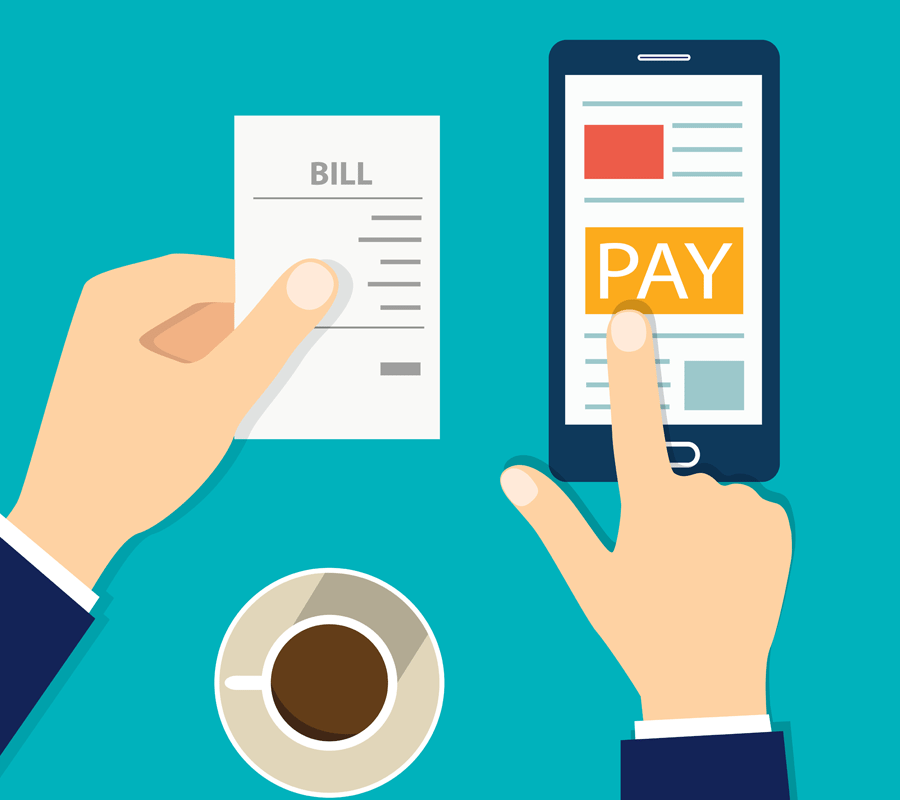
Most major companies (utility providers, internet services, credit card companies, insurance providers) offer dedicated portals on their websites or mobile applications for customers to manage and pay their bills directly.
-
Pros: These platforms often provide the most detailed breakdown of your current bill, historical usage, and offer the widest array of payment options (e.g., various credit cards, debit cards, bank transfers, even sometimes digital wallets). They may also allow for more granular control over payment dates and auto-pay settings specific to that biller.
-
Cons: The primary drawback is the need to manage multiple logins and passwords for each biller, which can become cumbersome. While secure, each portal’s security practices might vary, and users must ensure they are using official, secure websites to avoid phishing scams.
Third-Party Aggregators and Payment Apps
A growing number of fintech companies and financial management apps specialize in consolidating all your bills into one unified platform. Examples include services like Mint, Personal Capital (for broader financial tracking), or dedicated bill payment apps.
-
Pros: These services excel in providing a holistic view of your financial obligations, often integrating budgeting tools, financial planning features, and reminders. They can simplify the process of managing many different bills by allowing you to pay them all from a single dashboard.
-
Cons: Some third-party services may charge fees, either subscription-based or per transaction. Users must also be comfortable sharing their financial data and credentials with a third-party provider, necessitating a careful review of their privacy policies and security protocols.
Automated vs. Manual Payments
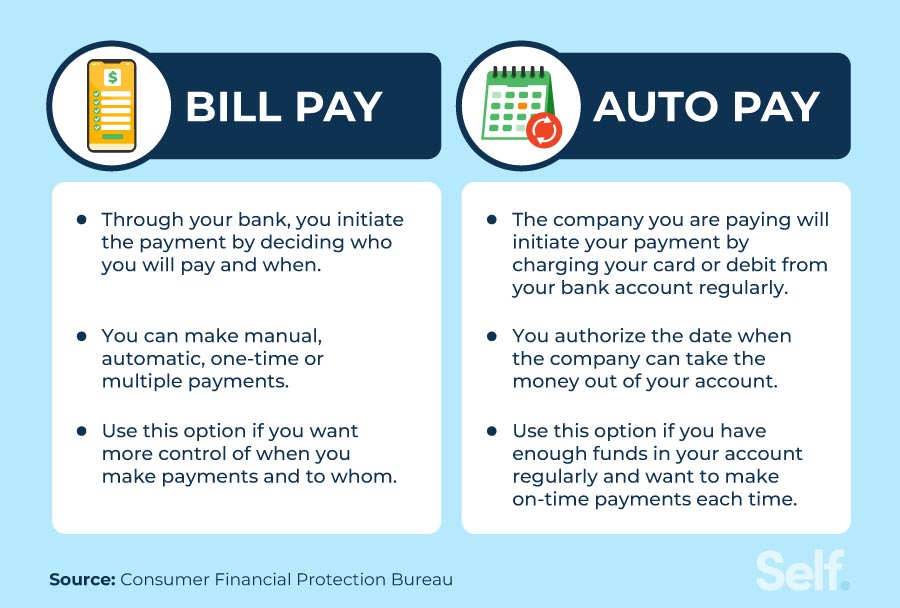
Within each of these options, individuals face a choice between setting up recurring, automated payments or making one-time, manual payments.
-
Automated Payments: Ideal for fixed expenses like rent, mortgages, or subscription services. They ensure payments are never missed, saving you from late fees and protecting your credit score.
-
Manual Payments: Best for variable expenses (e.g., utility bills that fluctuate monthly) or for those who prefer to review each bill before authorizing payment. This method provides greater control but requires diligence to avoid missed due dates.
The choice of method largely depends on an individual’s financial habits, security comfort level, and the complexity of their monthly bills. Many find a hybrid approach, using automated payments for fixed costs and manual payments for variable ones, to be the most effective.
Addressing Security and Best Practices in Digital Transactions
While online bill payment offers unparalleled convenience, the digital realm also introduces unique security considerations. Protecting your financial information is paramount, and understanding the measures in place, along with adopting best practices, is crucial for safe and secure transactions.
Understanding Digital Security Measures
Financial institutions and billers invest heavily in robust security technologies to protect user data and transactions. Key measures include:
-
Encryption: Data transmitted during online payments is typically encrypted using protocols like SSL/TLS, which scrambles information to prevent unauthorized access during transit. Look for “https://” in the website address and a padlock icon.
-
Multi-Factor Authentication (MFA): Many platforms now require MFA, adding an extra layer of security beyond just a password. This might involve a code sent to your phone or email, or biometric verification (fingerprint, facial recognition).
-
Secure Servers and Firewalls: Financial data is stored on highly secure servers protected by advanced firewalls and intrusion detection systems, designed to thwart cyberattacks.
-
Fraud Monitoring: Banks and payment processors employ sophisticated fraud detection systems that analyze transaction patterns to identify and flag suspicious activities in real-time.
These technologies form the bedrock of secure online financial interactions, but they are most effective when combined with user vigilance.
Protecting Your Financial Information
Even with advanced security, users play a vital role in safeguarding their accounts.
-
Strong, Unique Passwords: Use complex passwords that combine letters, numbers, and symbols, and avoid reusing passwords across different sites. Consider a reputable password manager.
-
Enable Multi-Factor Authentication (MFA): Always enable MFA whenever available, as it significantly reduces the risk of unauthorized access even if your password is compromised.
-
Be Wary of Public Wi-Fi: Avoid conducting financial transactions over unsecured public Wi-Fi networks, as they can be vulnerable to eavesdropping. Use a Virtual Private Network (VPN) if you must use public Wi-Fi.
-
Monitor Your Accounts Regularly: Periodically check your bank and credit card statements for any unauthorized transactions. Promptly report any suspicious activity.
-
Recognize Phishing Attempts: Be highly skeptical of emails or texts requesting personal financial information, even if they appear to be from your bank or a known biller. Always navigate directly to the official website rather than clicking links in suspicious messages.
-
Keep Software Updated: Ensure your operating system, web browser, and antivirus software are always up to date, as updates often include critical security patches.
What to Do If Something Goes Wrong
Despite precautions, issues can arise. Knowing how to react is crucial:
-
Payment Errors: If a payment is incorrect or doesn’t go through, contact your bank or the biller immediately. Most systems have a clear dispute resolution process.
-
Suspected Fraud: If you notice unauthorized transactions, contact your bank and relevant biller(s) immediately. Close compromised accounts and dispute fraudulent charges.
-
Data Breach: If you are notified of a data breach involving a service you use, change your passwords for that service and any other accounts where you used the same password. Monitor your credit report for any signs of identity theft.
Vigilance and prompt action are your best defenses in the event of a security incident.
The Future of Bill Payment and Financial Management
The evolution of online bill payment is far from complete. As technology advances and consumer expectations shift, the landscape of financial management continues to innovate, promising even greater integration, intelligence, and personalization.
Integration with AI and Smart Assistants
Artificial intelligence (AI) and machine learning are poised to revolutionize how we manage bills. Imagine a future where your smart assistant not only reminds you to pay a bill but also analyzes your spending patterns, identifies potential savings, and even suggests the optimal time to pay based on your cash flow projections. AI could help predict fluctuating utility bills, alert you to unusual spending, or even negotiate better rates on recurring services. Predictive payments, personalized financial advice, and automated dispute resolution are just some of the possibilities as AI becomes more sophisticated in financial applications.
Expanding Beyond Traditional Bills
The concept of “bill payment” is already broadening to encompass a wider array of financial transactions. Beyond utilities and credit cards, online platforms are increasingly managing subscriptions, peer-to-peer (P2P) payments, and even micro-transactions. We can expect more seamless integration of these diverse financial interactions into unified dashboards, offering a truly holistic view of one’s financial ecosystem. The lines between “bill payment,” “budgeting,” and “investment management” will likely blur further, converging into a single, comprehensive financial operating system.
The Role of Open Banking and APIs
Open Banking initiatives, which allow third-party financial service providers to access consumer banking data (with explicit consent), are driving significant innovation. Through Application Programming Interfaces (APIs), different financial apps and services can communicate and share data securely. This fosters greater interoperability, enabling sophisticated personal finance tools that can pull data from multiple banks, investment accounts, and billers into a single, dynamic interface. This will lead to more personalized financial products, more efficient payment solutions, and a more competitive financial services landscape, ultimately benefiting consumers through enhanced choice and convenience.
Conclusion
Online bill payment has indisputably transformed the landscape of personal finance, evolving from a novel convenience into an essential tool for managing one’s financial health. Its benefits—from unparalleled convenience and significant time savings to improved financial organization and robust protection against late fees and credit score damage—are undeniable. By embracing the digital shift, individuals gain greater control and clarity over their financial obligations.
While the present offers a wealth of secure and efficient options for managing bills online, the future promises even more sophisticated, intelligent, and integrated financial management tools. From AI-driven insights to seamless interoperability through open banking, the evolution will continue to empower consumers. However, with these advancements comes the perennial responsibility of maintaining digital vigilance, understanding security protocols, and adopting best practices. Ultimately, online bill payment isn’t just about paying bills; it’s about leveraging technology to achieve greater financial stability, peace of mind, and a more sustainable approach to managing the modern financial life.
aViewFromTheCave is a participant in the Amazon Services LLC Associates Program, an affiliate advertising program designed to provide a means for sites to earn advertising fees by advertising and linking to Amazon.com. Amazon, the Amazon logo, AmazonSupply, and the AmazonSupply logo are trademarks of Amazon.com, Inc. or its affiliates. As an Amazon Associate we earn affiliate commissions from qualifying purchases.