
In an era dominated by instantaneous digital transfers, tap-to-pay mobile wallets, and decentralized cryptocurrencies, the humble paper check remains a cornerstone of the global financial system. While it may seem like a relic of a bygone era, the check continues to facilitate billions of dollars in transactions annually, particularly in real estate, corporate B2B settlements, and high-value personal payments. Understanding how to pay by check is not merely a lesson in nostalgia; it is a vital financial literacy skill that ensures security, provides a robust paper trail, and manages liquidity with precision.

Mastering the use of checks involves more than just filling in blanks on a piece of decorative paper. It requires an understanding of banking regulations, security protocols to prevent fraud, and the strategic timing of cash flow. Whether you are paying rent to a traditional landlord, settling a large invoice with a vendor, or sending a gift through the mail, doing so correctly protects your assets and maintains your professional reputation.
The Anatomy of a Transaction: How to Properly Execute a Check
Writing a check is a formal instruction to your financial institution to move a specific sum of money from your account to another party. Because this is a legal document, precision is paramount. Any ambiguity can lead to the check being rejected by the bank, or worse, altered by unauthorized parties.
Step-by-Step Execution
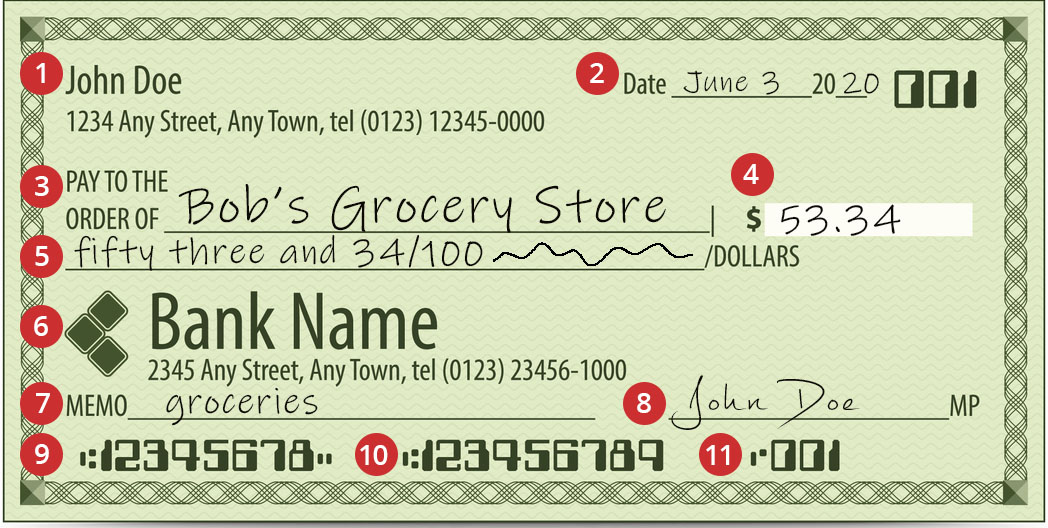
To initiate a payment, you must fill out the following fields with indelible ink—preferably a blue or black gel pen, which is harder to “wash” or erase than standard ballpoint ink.
-
The Date: Located in the top right corner. Ensure the date is current. While “post-dating” a check (writing a future date) is a common practice to delay payment, banks are not legally obligated to honor the future date and may process it immediately if presented.
-
The Payee Line: Following the prompt “Pay to the order of,” write the exact name of the individual or organization you are paying. Avoid using nicknames or vague descriptors. If you are unsure of the official name, verify it with the recipient to avoid deposit delays.
-
The Numeric Amount Box: Enter the payment amount in figures (e.g., $1,250.50). Ensure the numbers are written clearly and placed close to the dollar sign to prevent anyone from adding a digit to the front of the amount.
-
The Legal Line (Written Amount): This is the most critical part of the check. In the event of a discrepancy between the numbers in the box and the written words, the written words legally prevail. Write out the amount in full (e.g., One thousand two hundred fifty and 50/100). Draw a line through any remaining empty space to the right of the words to prevent unauthorized additions.
-
The Memo Line: While optional, the memo line is an essential tool for financial organization. Use it to record account numbers, invoice IDs, or the purpose of the payment (e.g., “August 2023 Rent”). This creates a permanent record for both your internal accounting and the recipient’s records.
-
The Signature: Your signature on the bottom right line is the final authorization. It should match the signature your bank has on file. A check is not a valid legal tender until it is signed.
Common Mistakes and How to Avoid Them
One of the most frequent errors in check writing is leaving blank spaces. Whether it is in the payee line or the amount lines, empty space is an invitation for fraud. Always “line out” empty spaces. Additionally, never sign a blank check. If a signed, blank check is lost or stolen, anyone can fill in an amount and cash it, potentially draining your account before you can issue a stop-payment order.
Strategic Financial Management: Why Checks Still Matter
In a world of “Instant Pay,” the check offers a unique set of advantages for the disciplined financial manager. It is a tool for transparency, verification, and timing.
Managing the “Float”
The “float” refers to the period between when a check is written and when the funds are actually withdrawn from the account. While modern banking technology like the Check 21 Act has significantly reduced this window by allowing banks to process digital images of checks, a small delay often still exists. This can be used strategically by businesses to manage short-term liquidity, though it requires meticulous record-keeping to ensure funds are present when the check eventually hits the account.
High-Value Transactions and Documentation
For large payments, such as a down payment on a home or the purchase of a vehicle, checks provide a tangible paper trail that digital apps often lack. Most banking systems archive images of cleared checks for years. This serves as undeniable proof of payment that includes the recipient’s endorsement on the back. In legal or tax disputes, a cleared check is often the “gold standard” of evidence.
Avoiding Transaction Fees
Many digital payment platforms and credit card processors charge convenience fees ranging from 1.5% to 3.5%. For a small business or a person paying a $2,000 monthly rent, these fees add up to hundreds of dollars per year. Paying by check is typically free of transaction fees, making it the most cost-effective method for recurring high-dollar expenses.
Security and Fraud Prevention in Paper Payments
Because checks contain your routing number and account number, they must be handled with a high degree of security. Check fraud remains a significant concern, but most risks can be mitigated with proactive habits.
Understanding Check Washing
“Check washing” is a technique where criminals use chemicals to erase the ink on a check while leaving the signature intact, allowing them to rewrite the payee and the amount. To combat this, financial experts recommend using “unwashable” gel pens. The pigments in these pens permeate the paper fibers, making chemical alteration nearly impossible without destroying the paper itself.
The Role of Positive Pay for Businesses
For business owners, “Positive Pay” is a critical financial tool offered by most commercial banks. Under this system, the business sends a digital list of all issued checks (including check numbers and amounts) to the bank. When a check is presented for payment, the bank compares it against the list. If the details do not match exactly, the bank flags the check and withholds payment until the business owner authorizes it. This is one of the most effective ways to prevent corporate check fraud.
Safe Handling and Storage
Your checkbook should be treated with the same level of security as your social security card or a stack of cash. Store unused checks in a locked drawer or safe. When mailing a check, avoid dropping it into a standard residential mailbox, as these are vulnerable to “mail fishing.” Instead, use a secure USPS blue box or hand the envelope directly to a postal worker at the station.
Reconciling the Ledger: The Discipline of Financial Tracking
One of the greatest risks of paying by check is the “invisible” nature of the transaction. Unlike a debit card purchase which shows up in your mobile app instantly, a check might not appear for days or even weeks. This discrepancy can lead to accidental overdrafts if the payer assumes their “available balance” is their “actual balance.”
The Importance of the Check Register
The check register is a small ledger usually included with a checkbook. Every time you write a check, you must record the check number, the date, the payee, and the amount immediately. This ledger represents your true financial standing. By subtracting the check amount from your balance the moment you write it, you ensure that the money is “reserved” for that payment, regardless of when the recipient decides to deposit it.
Monthly Reconciliation
At the end of every month, you should compare your check register against your bank statement. This process, known as reconciliation, allows you to identify “outstanding” checks—those you have written that have not yet been cashed. It also helps you spot any unauthorized transactions or bank errors early. In the world of business finance, this is a non-negotiable step for maintaining accurate profit and loss statements.
The Evolution: From Paper to eChecks and ACH
While the physical act of writing a check is still common, the underlying infrastructure has evolved. Understanding these digital transitions is essential for modern financial management.
Mobile Deposit and Digital Imaging
Most people who receive your check today will not walk into a bank branch. Instead, they will use mobile deposit, snapping a photo of the front and back of the check. For the payer, this means the funds may leave the account much faster than in the past. It also means you should never assume a check will take “a week to clear.” In many cases, the funds are debited within 24 to 48 hours.
eChecks and the ACH Network
An eCheck (Electronic Check) uses the same information found on a paper check—the routing and account numbers—to initiate a transfer through the Automated Clearing House (ACH) network. When you pay a utility bill online by entering your checking account details, you are essentially paying by eCheck. This method combines the low cost and reliability of a paper check with the speed and convenience of digital technology.
Certified and Cashier’s Checks
In certain financial climates, a personal check is not sufficient. For transactions where the recipient needs a guarantee that the funds are available (such as a real estate closing), you may be required to provide a certified or cashier’s check.
-
A Certified Check is a personal check that the bank “certifies.” They verify your signature and confirm that the funds are in your account, then set those funds aside specifically for that check.
-
A Cashier’s Check is written by the bank on the bank’s own account. You give the bank the money upfront, and they issue a check that is virtually guaranteed not to bounce.

Conclusion: The Enduring Utility of the Check
Paying by check is a sophisticated financial maneuver that bridges the gap between traditional record-keeping and modern banking. It demands attention to detail, a commitment to security, and a disciplined approach to ledger management. By mastering the nuances of the paper check—from the legal weight of the written line to the strategic use of the float—individuals and businesses can maintain a higher level of control over their financial destiny. In a digital world that often moves too fast for its own safety, the check remains a reliable, transparent, and authoritative way to move money.
aViewFromTheCave is a participant in the Amazon Services LLC Associates Program, an affiliate advertising program designed to provide a means for sites to earn advertising fees by advertising and linking to Amazon.com. Amazon, the Amazon logo, AmazonSupply, and the AmazonSupply logo are trademarks of Amazon.com, Inc. or its affiliates. As an Amazon Associate we earn affiliate commissions from qualifying purchases.