
In an increasingly digital world, the convenience of mobile payment solutions like Google Pay has become indispensable for millions. From tapping to pay at a local cafe to sending money to friends or managing loyalty cards, Google Pay streamlines numerous financial interactions. Yet, as with any technology that handles sensitive personal and financial data, a paramount question arises: “How safe is Google Pay?” This article delves deep into the technological fortifications and security protocols Google has implemented to protect its users, asserting that its safety is built upon a robust, multi-layered digital security framework. Understanding these underlying technologies is crucial for users to appreciate the security behind their everyday transactions.
The Multi-Layered Security Architecture of Google Pay
Google Pay’s foundation of security isn’t a single feature but rather a complex interplay of advanced technologies designed to protect data at every stage—from input to transaction completion and storage. This architecture aims to make it significantly harder for unauthorized parties to access or misuse your payment information.
Encryption: Protecting Data In-Transit and At-Rest
At the core of Google Pay’s security is powerful encryption, a cryptographic technique that scrambles data into an unreadable format, only decipherable with the correct key. This encryption applies to data both as it moves across networks and as it resides on servers.
When you initiate a transaction or sync data with Google Pay, all information transmitted between your device and Google’s servers is protected by industry-standard Transport Layer Security (TLS) and Secure Sockets Layer (SSL) protocols. These protocols establish a secure, encrypted tunnel, preventing eavesdropping and tampering by malicious actors. This ensures that your payment details, personal information, and transaction data remain confidential and integral during transmission.
Furthermore, Google takes extensive measures to protect data at rest. When your payment information, transaction history, or linked account details are stored on Google’s highly secure servers, they are also encrypted. This means that even if an attacker were to somehow gain unauthorized access to Google’s data centers, the information they would encounter would be indecipherable without the corresponding decryption keys, which are themselves heavily protected and isolated. Google’s infrastructure is designed with advanced security features, including physical security for data centers, stringent access controls, and robust intrusion detection systems, all complementing the software-level encryption.
Tokenization: The Cornerstone of Secure Transactions
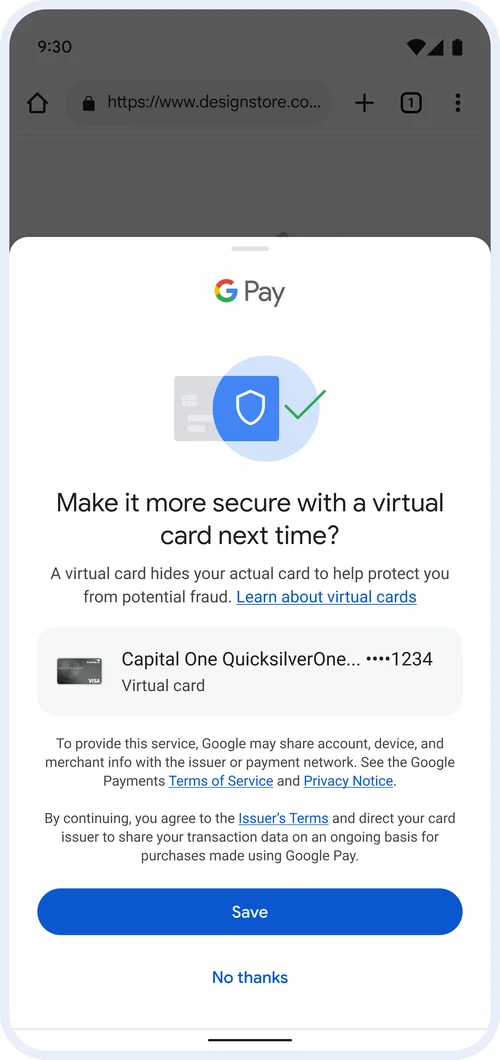
Perhaps the most significant technological innovation contributing to Google Pay’s safety is tokenization. This sophisticated security measure fundamentally alters how your payment card information is handled during a transaction, making it incredibly difficult for fraudsters to steal actual card details.
When you add a credit or debit card to Google Pay, your actual 16-digit card number is not shared with merchants during a transaction. Instead, Google Pay generates a unique, encrypted digital placeholder—a “token”—for that specific card on your device. This token is a random string of numbers with no intrinsic value and cannot be reverse-engineered to reveal your original card number.
During a purchase, it is this token, not your real card number, that is transmitted to the merchant and subsequently to the payment network (e.g., Visa, MasterCard). If a merchant’s system were to be breached, hackers would only obtain these useless tokens, not your actual card information. This dramatically reduces the risk of card data theft and subsequent fraudulent charges, as the token is only valid for that specific transaction and device. Tokenization effectively creates a barrier between your sensitive card details and the payment ecosystem, offering a superior level of protection compared to traditional card-swipe methods. This technology adheres to global EMVCo standards, ensuring interoperability and a consistent security baseline across the payment industry.
Secure Elements and Trusted Execution Environments (TEEs)
Beyond software and network security, Google Pay leverages hardware-level security features present in modern smartphones. Many devices include a “Secure Element” (SE) or utilize a “Trusted Execution Environment” (TEE).
A Secure Element is a dedicated, tamper-resistant chip designed to store sensitive data like payment credentials in an isolated, highly protected environment, separate from the main operating system. Even if your phone’s operating system were compromised by malware, the data stored within the Secure Element would remain inaccessible. This hardware-level isolation provides an extra layer of defense against sophisticated attacks targeting software vulnerabilities.
Similarly, a TEE is a secure area within the main processor that runs a parallel, isolated operating system, ensuring that sensitive operations (like cryptographic functions or biometric authentication) are executed in a protected environment. This separation prevents malicious apps running on the main operating system from interfering with or observing these critical security processes. By utilizing these hardware-based security features, Google Pay ensures that even the most sensitive cryptographic keys and tokens are generated and stored in the most secure parts of your device, making it incredibly difficult for attackers to compromise them.
User Authentication and Fraud Prevention Technologies
While foundational security elements protect data, Google Pay also employs robust user authentication and intelligent fraud prevention systems to ensure that only the legitimate user can initiate transactions and to detect suspicious activity in real time.
Robust Authentication Methods
Before any transaction can be completed using Google Pay, users are required to authenticate themselves, ensuring that it is indeed the device owner authorizing the payment. This is a critical barrier against unauthorized use, especially if a device falls into the wrong hands.
Google Pay integrates seamlessly with the device’s native security features, offering multiple authentication options:
-
Device Lock Screen: The most fundamental layer requires users to unlock their phone using a PIN, pattern, or password before accessing Google Pay or making a tap-to-pay transaction.
-
Biometric Authentication: For enhanced convenience and security, Google Pay supports biometric authentication methods such as fingerprint recognition or facial recognition. These methods leverage unique biological traits for verification, which are generally harder to spoof than traditional passwords. The biometric data itself is stored securely within the device’s hardware (e.g., Secure Element or TEE) and is not accessible to Google or third-party applications.
-
Google Account Password/PIN: For actions like adding a new card or accessing account settings, users may also be prompted to enter their Google account password or a specific Google Pay PIN, adding another layer of verification.
These robust authentication methods act as a gatekeeper, ensuring that even if your phone is lost or stolen, an unauthorized user cannot easily make payments using your Google Pay account.
AI and Machine Learning for Fraud Detection
Beyond explicit user authentication, Google Pay continuously monitors transactions for suspicious patterns, leveraging Google’s vast expertise in artificial intelligence (AI) and machine learning (ML). This proactive approach to fraud prevention is a significant technological advantage.
Google’s sophisticated algorithms analyze a multitude of data points for every transaction, including location, transaction amount, merchant type, time of day, and past spending habits. These systems are designed to identify anomalies that deviate from typical user behavior. For instance, an unusually large purchase in a new geographical location or multiple rapid transactions in a short period might trigger an alert.
When a suspicious activity is detected, the system can automatically block the transaction, request additional verification from the user, or flag it for review by Google’s dedicated fraud prevention teams. These ML models are constantly learning and evolving, adapting to new fraud schemes and patterns as they emerge, providing a dynamic and resilient defense against financial crime. This real-time analysis is crucial in preventing fraud before it even impacts the user’s bank account.
Account Monitoring and Alerts

Transparency and immediate feedback are key components of Google Pay’s security framework. Users are empowered with tools to monitor their account activity and react swiftly to any discrepancies.
Every time a transaction is made using Google Pay, users typically receive an instant notification on their device. This immediate alert allows users to quickly verify the legitimacy of a transaction and report any unauthorized activity without delay. Users can also easily review a detailed history of all their Google Pay transactions within the app, providing a clear audit trail.
If an unauthorized transaction is spotted, Google Pay provides clear pathways for users to report the issue directly through the app or Google’s support channels. Combined with zero-liability policies offered by most credit card networks, this swift reporting mechanism ensures that users are generally not held responsible for fraudulent charges, provided they report them promptly.
Google’s Broader Security Ecosystem and User Empowerment
The safety of Google Pay is not solely derived from its specific app features but also benefits immensely from Google’s overarching, world-class security infrastructure and a commitment to user control.
Google’s Enterprise-Level Security Infrastructure
Google is a global technology leader with an unparalleled investment in cybersecurity. Google Pay operates within this expansive and formidable security ecosystem, benefiting from resources and expertise far beyond what a standalone payment provider might possess.
Google’s data centers are among the most secure in the world, featuring multi-layered physical security, advanced biometric access controls, and constant surveillance. Electronically, Google employs vast teams of security engineers and researchers who work around the clock to detect and mitigate threats. This includes continuous security audits, rigorous penetration testing (simulated cyberattacks), and sophisticated intrusion detection systems that monitor network traffic for suspicious activity.
Furthermore, Google runs a highly successful bug bounty program, inviting ethical hackers from around the globe to find vulnerabilities in its systems and rewarding them for their discoveries. This crowdsourced approach significantly enhances Google’s ability to identify and patch potential weaknesses before they can be exploited by malicious actors. This comprehensive, enterprise-level security infrastructure provides a robust and resilient environment for Google Pay’s operations.
Privacy Controls and Data Management
Beyond preventing financial fraud, Google Pay places a strong emphasis on user privacy and data control. While security protects against unauthorized access, privacy controls dictate how user data is collected, used, and managed by Google itself.
Google is transparent about its data practices, outlining how payment data, transaction history, and personal information are used to provide the service, detect fraud, and sometimes offer relevant experiences. Crucially, Google explicitly states that it does not sell users’ payment information to third parties.
Users have significant control over their Google Pay data through their Google Account settings. They can review connected services, manage payment methods, view transaction history, and adjust privacy preferences. For instance, users can often pause or delete certain activity data, giving them agency over their digital footprint. This focus on user privacy, alongside robust security, builds trust and ensures that personal financial data is handled responsibly by the platform itself.
User Responsibility and Best Practices for Digital Security
While Google invests heavily in securing Google Pay, user vigilance remains a critical component of overall safety. No technological safeguard can completely counteract poor user habits.
Users play an indispensable role in maintaining the security of their payment information. Best practices include:
-
Strong, Unique Passwords: Using complex, unique passwords for your Google account and other online services. Using a password manager can greatly assist with this.
-
Keeping Device Software Updated: Regularly updating your phone’s operating system and applications. Software updates often include critical security patches that protect against newly discovered vulnerabilities.
-
Vigilance Against Phishing and Social Engineering: Being wary of suspicious emails, text messages, or calls attempting to trick you into revealing personal information or login credentials. Google will never ask for your password or full card number via email.
-
Using Screen Locks: Always securing your smartphone with a strong PIN, pattern, or biometric lock to prevent unauthorized access if the device is lost or stolen.
-
Reviewing Permissions: Being mindful of the permissions granted to apps on your device.
-
Avoiding Public Wi-Fi for Sensitive Transactions: While Google Pay transactions are encrypted, public Wi-Fi networks can sometimes expose other data or create opportunities for sophisticated attacks.
By adhering to these simple yet effective best practices, users can significantly enhance their personal security posture and complement the technological safeguards built into Google Pay.
Addressing Potential Vulnerabilities and Future Outlook
Even with its formidable security framework, it’s important to acknowledge that no digital system is entirely immune to all forms of attack. The landscape of cyber threats is constantly evolving, requiring continuous innovation and adaptation.
Device-Specific Risks and Mitigation
While Google Pay itself is highly secure, the security of the user’s device is paramount. A compromised device can introduce potential vulnerabilities:
-
Lost or Stolen Phones: The primary risk is unauthorized access to the device. However, strong screen locks and the inability to use Google Pay without authentication (PIN, biometric) significantly mitigate this. Furthermore, Google provides remote device management tools (Find My Device) that allow users to remotely lock, locate, or even wipe their device’s data, offering a powerful recovery option.
-
Malware on Devices: Sophisticated malware could potentially bypass some software protections. This underscores the importance of installing apps only from trusted sources (Google Play Store), keeping software updated, and potentially using reputable antivirus software. Google Play Protect continuously scans Android devices for harmful apps, adding another layer of defense.
-
Operating System Vulnerabilities: Exploits in the underlying Android or iOS operating systems could, in theory, create pathways for attackers. However, both Google and Apple prioritize security updates to patch such vulnerabilities rapidly.
The Evolving Threat Landscape and Continuous Innovation
The digital security domain is a perpetual arms race. As security technologies advance, so do the methods of malicious actors. Google is acutely aware of this dynamic environment and is committed to continuous research, development, and deployment of new security measures.
This includes exploring and integrating emerging technologies like FIDO Alliance standards for stronger, passwordless authentication, or researching quantum-resistant cryptography to prepare for future computational threats. Google’s dedication to staying ahead of the curve ensures that Google Pay’s security framework remains robust against the latest and most sophisticated cyber threats. The company regularly updates its security protocols, infrastructure, and fraud detection algorithms to adapt to new attack vectors and maintain a high level of protection for its users.
Conclusion
In conclusion, the question “How safe is Google Pay?” can be confidently answered: Google Pay is built on a highly secure digital foundation, integrating multiple layers of advanced technology to protect user data and transactions. From robust encryption and innovative tokenization to hardware-level secure elements, intelligent AI-driven fraud detection, and stringent user authentication protocols, Google has engineered a comprehensive security framework.
While no system can guarantee 100% imperviousness against all possible threats, Google’s extensive investments in cybersecurity, its vast security expertise, and its commitment to continuous improvement place Google Pay among the safest mobile payment solutions available. Ultimately, by combining Google’s sophisticated technological safeguards with diligent user practices, individuals can confidently leverage Google Pay for their digital transactions, secure in the knowledge that their financial data is well-protected.
aViewFromTheCave is a participant in the Amazon Services LLC Associates Program, an affiliate advertising program designed to provide a means for sites to earn advertising fees by advertising and linking to Amazon.com. Amazon, the Amazon logo, AmazonSupply, and the AmazonSupply logo are trademarks of Amazon.com, Inc. or its affiliates. As an Amazon Associate we earn affiliate commissions from qualifying purchases.