
Navigating the complexities of the United States tax system often feels like a lesson in patience. Once you have calculated your liability and authorized a transfer of funds or dropped a check in the mail, a period of uncertainty begins. For many taxpayers, the primary concern shifts from “how much do I owe?” to “how long will it take for this payment to clear?” Understanding the internal processing timelines of the Internal Revenue Service (IRS) is essential for personal financial planning, ensuring you avoid late penalties and maintaining peace of mind during tax season.

The duration of the payment process is not uniform. It fluctuates based on the method of payment, the time of year, and the accuracy of the information provided. In an era where digital transactions are instantaneous in the private sector, the IRS’s legacy systems and high volume of paper correspondence create a more nuanced timeline.
The Timeline of Tax Compliance: Speed by Payment Method
The most significant factor determining how quickly your payment moves from your bank account to the IRS ledger is the medium you choose. The IRS has spent the last decade incentivizing digital options, which offer the fastest turnaround times for both the taxpayer and the government.
IRS Direct Pay and Electronic Funds Withdrawal
For individual taxpayers, IRS Direct Pay is the gold standard for speed. When you use this service to pay from a checking or savings account, the transaction is typically initiated within 24 hours. From a banking perspective, you will usually see the funds debited from your account within one to two business days. However, the IRS “Internal Record” may take up to three to five business days to reflect the payment as “Settled” in your online account transcript. If you schedule a payment via tax software (Electronic Funds Withdrawal) when filing your return, the same one-to-two-day debit window applies, provided the return has been accepted.
Credit and Debit Card Payments
Payments made through third-party processors (such as ACI Payments, Inc. or Click2Gov) are processed almost immediately in terms of authorization. You receive a confirmation number instantly, which serves as legal proof of payment. While the cash leaves your available credit or bank balance immediately, it can still take five to seven business days for the IRS systems to fully integrate that data and show a zero balance on your tax year transcript. It is important to note that while this is fast, these processors charge convenience fees that can impact your overall financial strategy.
The Paper Trail: Checks and Money Orders
If you prefer the traditional method of mailing a physical check or money order, you must prepare for a significant wait. Under normal operating conditions, a mailed payment takes roughly seven to ten business days to be processed once it reaches the IRS service center. During the peak of tax season—specifically the weeks surrounding April 15th—this window can extend to three or four weeks. The IRS receives millions of envelopes during this time, and the physical opening, sorting, and scanning of checks create a natural bottleneck.
EFTPS for Business and Large Payments
The Electronic Federal Tax Payment System (EFTPS) is primarily used by businesses and individuals with large estimated tax requirements. Because EFTPS is designed for high-security, high-volume transfers, it requires an advance enrollment process. Once active, payments must be scheduled at least one calendar day before the due date. The processing time for the funds to leave the account is generally overnight, making it one of the most reliable methods for business financial management.
The Digital Shift: Why Electronic Payments Rule the Financial Ledger
The IRS is currently undergoing a massive multi-year modernization effort, shifting away from “paper-heavy” workflows toward a “digital-first” approach. This shift is not just about convenience; it is about financial accuracy and reducing the administrative burden on the Department of the Treasury.
Reducing Human Error and Manual Entry
When you send a physical check, a human or a high-speed scanner must extract the data. If your handwriting is illegible, or if the check is not accompanied by the correct voucher (such as Form 1040-V), the payment may be diverted to a “suspense account” while agents attempt to match the money to the correct Social Security Number (SSN) or Employer Identification Number (EIN). Electronic payments eliminate this risk. The data is pre-validated, ensuring that the money is credited to the correct tax year and form type immediately.
Real-Time Confirmation vs. “Check in the Mail”
In the world of personal finance, certainty is a valuable commodity. Digital payments provide a digital footprint—a confirmation number and an immediate timestamp. This is critical because the IRS considers a payment “timely” based on when it was transmitted (for electronic) or postmarked (for mail). With electronic methods, you have an immediate receipt that protects you against claims of late filing or late payment.
Security and Fraud Prevention
Digital portals like IRS Direct Pay use encrypted channels that are significantly more secure than sending a check through the postal system. Mail theft and “check washing” are rising concerns in the financial sector. By using digital tools, you bypass the physical vulnerabilities of the mail stream, ensuring that your sensitive banking information and your tax payment reach their destination without interference.
Critical Factors That Delay Processing and How to Avoid Them
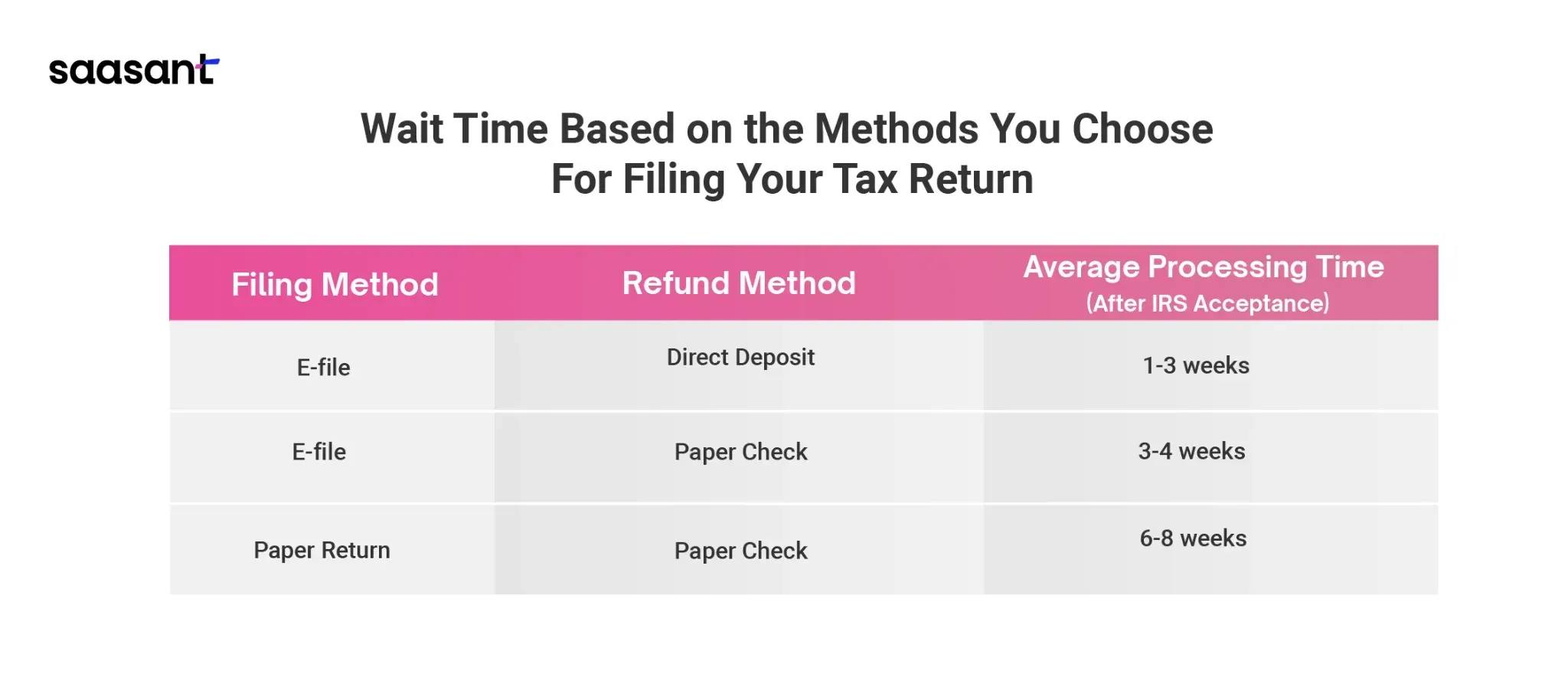
Even with the most efficient systems, certain variables can trigger delays that leave taxpayers wondering where their money went. Understanding these bottlenecks can help you proactively manage your tax filings.
Peak Season Volumes
The “April Crunch” is a reality for the IRS. Between April 1st and April 30th, the volume of incoming data increases exponentially. During this window, even digital systems can experience slight lag times in updating “Account Transcripts,” even if the funds have already been withdrawn from the taxpayer’s bank account. If you make a payment on April 15th, do not be surprised if your IRS online portal does not reflect the updated balance until the following week.
Mismatched Identifying Information
The IRS systems operate on strict data matching. If you are filing a joint return but the payment is made using the SSN of the secondary spouse (the one not listed first on the return), the system may struggle to automatically link the payment to the liability. This often requires manual intervention by an IRS representative, which can delay the processing by weeks or even months. Always ensure that the payment is tagged with the SSN of the “Primary” taxpayer.
Correspondence Audits and Holds
In some cases, the IRS may place a temporary hold on an account if there is an open inquiry or a “math error” notice. If you send a payment while your return is under review, the payment might be processed and held in a general fund for your account rather than being applied to a specific line item. This doesn’t mean the money is lost, but it does mean the “processing” isn’t finalized until the underlying issue is resolved.
Financial Strategy: Managing Cash Flow and Verifying Transaction Success
From a personal finance perspective, knowing when the money will leave your account is just as important as knowing when the IRS receives it. Effective cash flow management requires a proactive approach to tax payments.
The “Float” and Bank Balance Management
If you are paying by check, the “float”—the time between writing the check and the funds being withdrawn—can be unpredictable. You must ensure that the funds remain in your account for at least three weeks to account for mail delays and processing times. If the IRS attempts to deposit your check and it bounces, you will be hit with a “dishonored payment” penalty, which is often 2% of the check amount (or $25, whichever is higher). Digital payments allow you to schedule the exact date of withdrawal, giving you total control over your liquidity.
Utilizing the IRS Online Account
The most effective way to verify that a payment has been processed is to use the “Your Online Account” tool on the IRS website. This portal provides a real-time (or near real-time) view of your tax balance, your payment history, and key data from your most recent tax return.
Taxpayers should wait at least 48 hours after a digital payment before checking this portal. For those who mailed a check, waiting three weeks before checking the status is a standard rule of thumb. If the portal shows a “Pending” status, the IRS has acknowledged the payment, and you are officially in the clear regarding deadlines.
The Role of Bank Statements
Your bank statement is your secondary line of defense. If the IRS claims they never received a payment, but your bank statement shows a cleared check or a completed EFT transfer to the “US Treasury,” that statement serves as a legal receipt. For physical checks, the IRS prints a tracking code on the back of the check when they process it; requesting a copy of the cancelled check from your bank provides the exact date and location of processing.

What to Do if Your Payment Remains “Pending” or Unprocessed
If a month has passed and your check has not cleared, or your digital payment hasn’t appeared on your transcript, it is time to take action.
First, verify that the funds were not returned to your account due to an error. Second, check your mail for a “Notice of Underpayment” or a “Return of Payment” letter. The IRS is remarkably efficient at communicating when something goes wrong, though their letters often arrive weeks after the initial issue.
If the funds have left your bank but aren’t showing on your IRS record, do not pay a second time. Instead, use the IRS “Get Transcript” tool to look at your “Account Transcript.” This is a more detailed record than the simple “Account Balance” screen and often shows credits that haven’t been fully applied to the total balance yet.
Ultimately, the best strategy for handling IRS payment timelines is a combination of digital adoption and early filing. By utilizing Direct Pay or EFTPS and making payments at least a week before the deadline, you remove the stress of the “processing window” and ensure that your financial obligations are met with professional precision. In the world of finance, no news is usually good news when it comes to the IRS; once the funds have left your bank account, the burden of record-keeping shifts to the government, provided you have your confirmation number in hand.
aViewFromTheCave is a participant in the Amazon Services LLC Associates Program, an affiliate advertising program designed to provide a means for sites to earn advertising fees by advertising and linking to Amazon.com. Amazon, the Amazon logo, AmazonSupply, and the AmazonSupply logo are trademarks of Amazon.com, Inc. or its affiliates. As an Amazon Associate we earn affiliate commissions from qualifying purchases.