
Embarking on the journey to establish a credit card processing company can be a highly lucrative venture, positioning you at the heart of the digital economy. In an increasingly cashless world, the demand for efficient, secure, and reliable payment processing solutions continues to surge. However, building such an enterprise requires a comprehensive understanding of the financial landscape, regulatory frameworks, operational intricacies, and a shrewd business acumen. This guide will illuminate the essential steps, financial considerations, and strategic decisions necessary to successfully launch and grow your own credit card processing firm, firmly rooted in the principles of sound business finance and strategic investment.
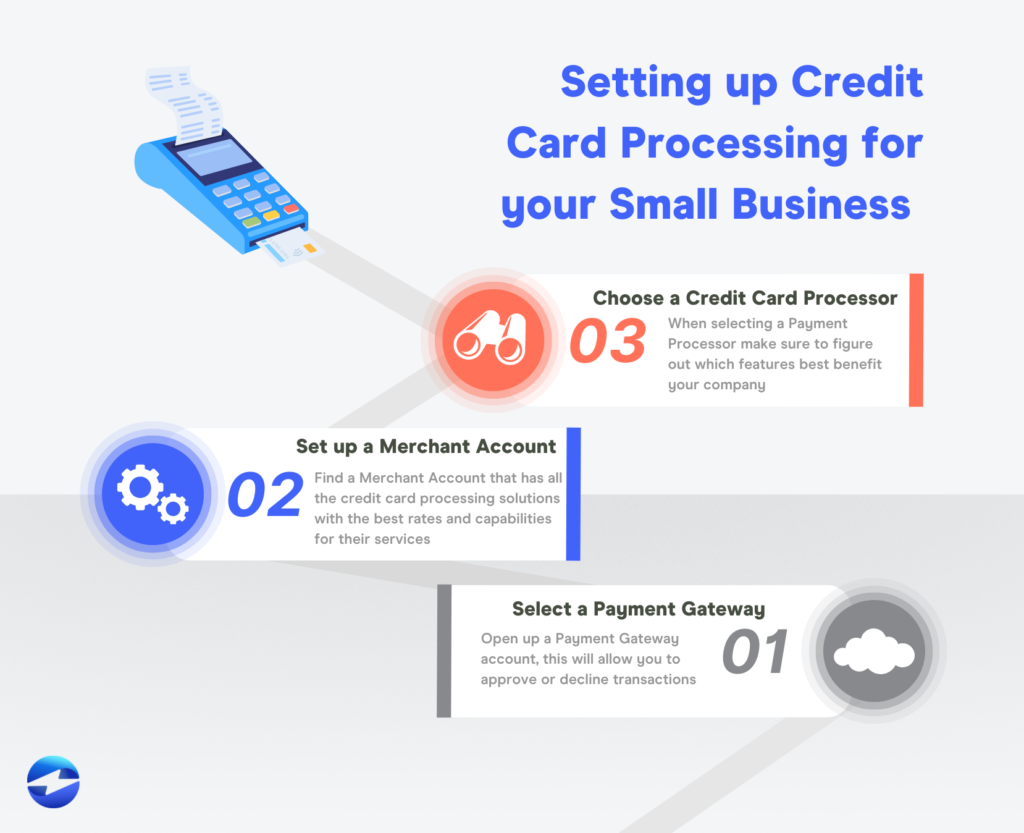
Understanding the Financial Ecosystem of Payment Processing
Before diving into the operational aspects, it’s crucial to grasp the fundamental financial mechanisms and key players within the credit card processing industry. This understanding forms the bedrock of your business model and revenue generation strategy.
The Core Business Model: Merchant Services Providers (MSPs) and ISOs
At its heart, a credit card processing company operates as a bridge between businesses (merchants) and financial institutions. Your primary role will be to enable merchants to accept electronic payments, primarily credit and debit cards. Most new entrants typically operate as either an Independent Sales Organization (ISO) or a Merchant Services Provider (MSP).
An ISO acts as a registered reseller for an acquiring bank (the bank that processes credit card transactions for the merchant). As an ISO, you’ll be responsible for recruiting merchants, setting up their accounts, and often providing customer support. Your revenue is primarily derived from a percentage of the transaction fees charged to the merchant, shared with the acquiring bank. This model typically requires less upfront capital for infrastructure but relies heavily on sales and relationship management.
An MSP, on the other hand, might encompass a broader range of services, potentially including their own payment gateway, risk management tools, and more direct relationships with payment networks. While requiring greater investment in technology and compliance, an MSP can potentially capture a larger share of the transaction revenue and offer more control over the service offering. Understanding the financial implications—initial investment, potential revenue share, and operational costs—of each model is paramount for selecting your entry point.
Key Players in the Value Chain: Issuers, Acquirers, and Networks
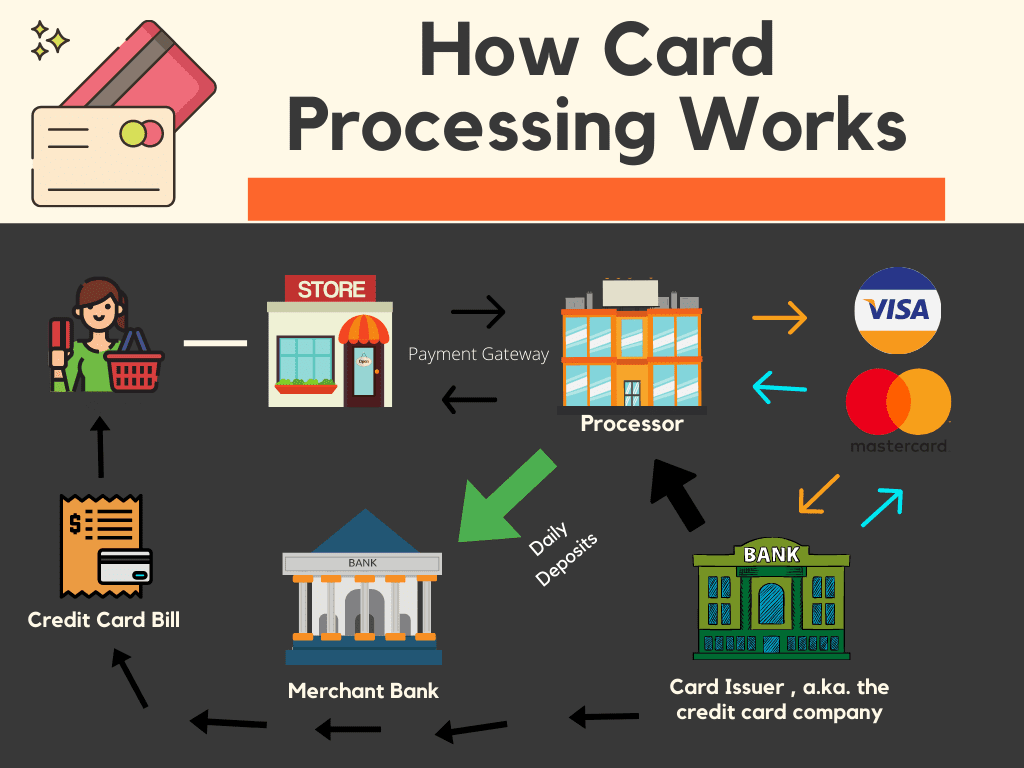
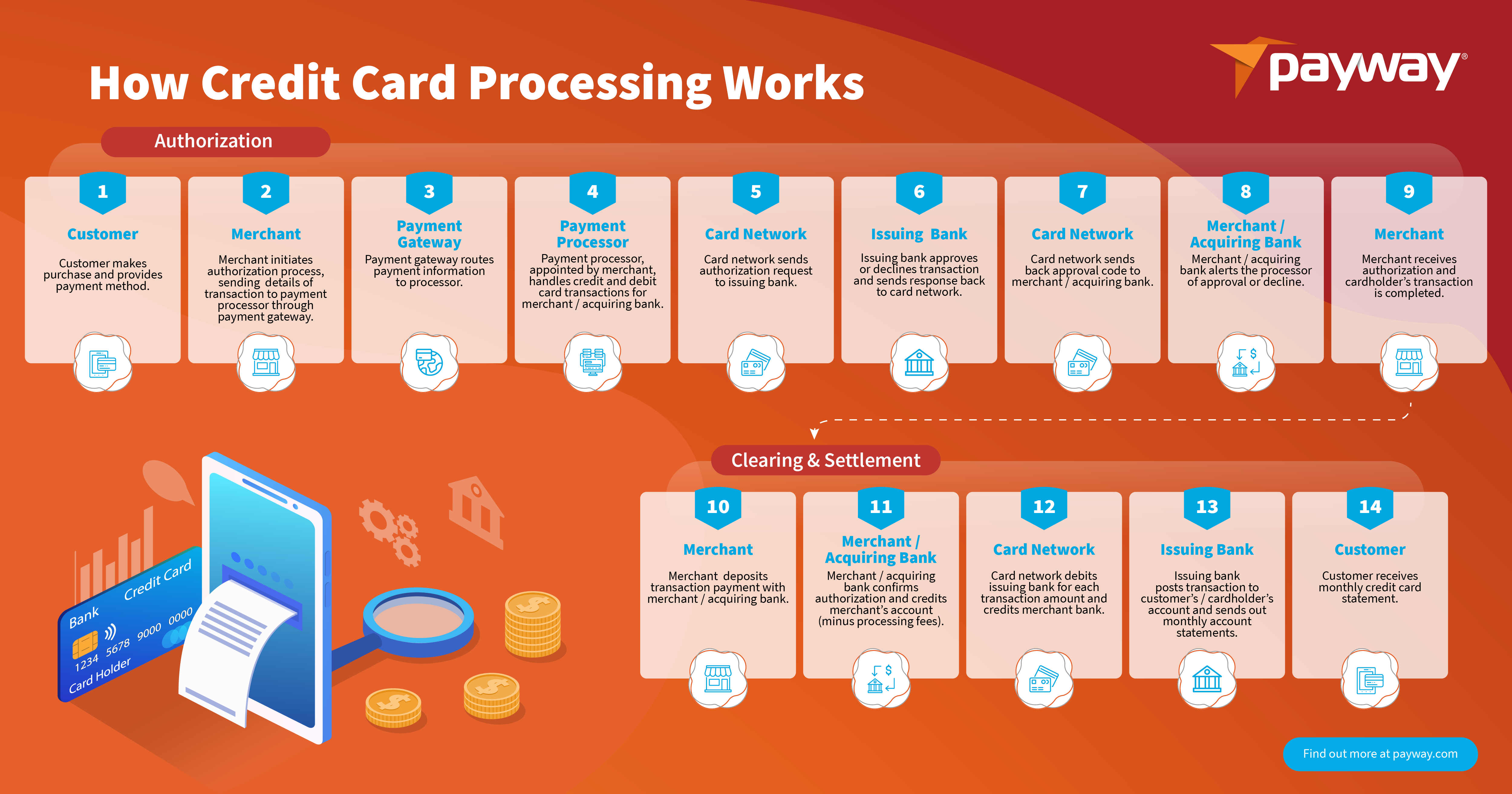
To truly comprehend the flow of money, it’s vital to identify the main entities involved in every transaction:
-
Cardholder: The customer initiating the payment.
-
Issuing Bank: The bank that issued the credit or debit card to the cardholder. They approve or decline transactions based on the cardholder’s account status.
-
Merchant: The business accepting the payment for goods or services.
-
Acquiring Bank (Acquirer): The financial institution that holds the merchant’s account and receives funds from the issuing bank on the merchant’s behalf. Your company, as an ISO or MSP, will typically partner with an acquirer.
-
Payment Networks (e.g., Visa, Mastercard, American Express, Discover): These networks act as the communication and settlement infrastructure, facilitating the transfer of transaction data and funds between issuing and acquiring banks. They set the rules and interchange fees (a significant component of transaction costs) for all participants.
Your company’s financial success will depend on effectively managing relationships with these players and understanding how fees are distributed throughout this intricate chain. Your revenue is essentially a slice of the overall transaction cost, which includes interchange fees, assessment fees (paid to networks), and markup charged by the acquirer and your company.
Revenue Streams and Profit Margins
The primary revenue stream for a credit card processing company comes from transaction fees. These fees are typically structured in various ways:
-
Interchange-plus pricing: A direct pass-through of interchange fees (set by card networks and issuing banks) plus a fixed markup (e.g., 0.20% + $0.10) added by the acquirer and your company. This model offers transparency and can be attractive to larger merchants.
-
Tiered pricing: Categorizing transactions into qualified, mid-qualified, and non-qualified tiers, each with different rates. While simpler for merchants to understand, it can be less transparent and often leads to higher effective rates for complex transactions.
-
Flat-rate pricing: A single, consistent percentage for all transactions (e.g., 2.9% + $0.30 per transaction). Popular with small businesses due to its predictability, but can be less profitable for high-volume, low-ticket merchants.
-
Subscription or Membership pricing: A monthly fee plus very low interchange-plus rates. This appeals to businesses with high transaction volumes.
Beyond transaction fees, you can generate additional income through:
-
Setup fees: Charges for account activation or terminal programming.
-
Monthly service fees: Fixed administrative fees.
-
PCI compliance fees: Charges for ensuring merchants meet Payment Card Industry Data Security Standard requirements.
-
Terminal rental/sales: Revenue from providing or selling card processing equipment.
-
Chargeback fees: Fees levied when a transaction is disputed by a cardholder.
Calculating your profit margins requires careful consideration of all these revenue streams against the various costs, including interchange, network assessments, acquiring bank fees, operational overhead, sales commissions, and risk management expenses. Optimizing this balance is key to long-term financial viability.
Navigating Regulatory and Financial Requirements
Starting a credit card processing company isn’t just about sales; it’s about adherence to stringent financial regulations and robust capital planning. Non-compliance can lead to severe penalties and financial losses.
Licensing and Registration: An Investment in Legality
Operating legally is non-negotiable. As an ISO, you will need to register with relevant card networks (Visa, Mastercard, etc.) through an acquiring bank partner. Each network has its own registration process and requirements, which typically involve an application fee and a background check. This registration confirms your legitimacy and allows you to represent the acquiring bank.
Beyond network registration, you might need to acquire specific business licenses at the federal, state, or local level, depending on your jurisdiction and the scope of your services. For instance, if you eventually become a Payment Facilitator (PayFac), you will take on more financial liability and might require more extensive licensing as a Money Services Business (MSB) or similar designation, which entails significant capital reserves and regulatory oversight. Treat these registration and licensing fees not as expenses, but as essential investments in the legal foundation of your business.
Capital Requirements and Funding Options
Launching a credit card processing company, especially if you aim to operate as an MSP or PayFac, is capital-intensive. Key areas requiring significant financial outlay include:
-
Network registration fees: Often several thousand dollars per network.
-
Technology infrastructure: Payment gateway, CRM, reporting tools, risk management systems. While some can be outsourced, proprietary systems require substantial investment.
-
Compliance costs: Initial audits, ongoing monitoring, and staff training for PCI DSS.
-
Working capital: To cover initial operating expenses, salaries, marketing, and to absorb potential losses from chargebacks or fraud.
-
Reserve requirements: Payment networks or acquiring banks may require you to hold a certain amount in reserve to cover potential financial liabilities like chargebacks, particularly if you’re a PayFac. This can range from tens of thousands to millions of dollars, depending on your processing volume and risk profile.
Funding options typically include:
-
Bootstrapping: Using personal savings, which minimizes debt but limits scalability.
-
Small business loans: Traditional bank loans, often requiring a solid business plan and collateral.
-
Venture capital or angel investors: Ideal for high-growth models, but requires giving up equity.
-
Strategic partnerships: Aligning with an existing acquiring bank or technology provider can reduce upfront investment in exchange for a revenue share or other agreements.
A detailed financial projection and a robust business plan outlining your capital needs and projected return on investment are critical for securing funding.
PCI DSS Compliance: Protecting Financial Data
The Payment Card Industry Data Security Standard (PCI DSS) is a set of security standards designed to ensure that all companies that process, store, or transmit credit card information maintain a secure environment. As a credit card processing company, you are central to this ecosystem and must achieve and maintain PCI DSS compliance.
This involves significant financial and operational investment in:
-
Secure network infrastructure: Firewalls, encryption, robust access controls.
-
Vulnerability management: Regular security testing, antivirus software, patch management.
-
Access control measures: Unique IDs, strong passwords, physical access restrictions.
-
Monitoring and testing: Logging and monitoring network access, regular security system testing.
-
Information security policy: A documented policy addressing all PCI DSS requirements.
The costs associated with becoming and remaining PCI compliant include annual assessments, security audits, necessary hardware and software upgrades, and staff training. While these are substantial expenses, they are non-negotiable for mitigating financial risk from data breaches, avoiding hefty fines from card networks, and maintaining merchant trust—all crucial for long-term profitability.
Building Your Business Foundation and Financial Strategy
With a clear understanding of the financial ecosystem and regulatory landscape, the next step involves making strategic decisions about your business model and how you will attract and retain profitable merchants.
Choosing Your Business Model: ISO vs. Payment Facilitator
The choice between operating purely as an ISO and evolving into a Payment Facilitator (PayFac) significantly impacts your financial obligations and potential for revenue.
-
ISO Model: Lower upfront financial risk and capital requirements. You rely on an acquiring bank for much of the back-end processing, risk management, and settlement. Your revenue is a percentage of the markup on transactions. This is often the more accessible entry point for new companies.
-
Payment Facilitator (PayFac) Model: As a PayFac, you onboard merchants under your own master merchant account, reducing the individual onboarding burden for merchants. You assume greater financial liability for chargebacks, fraud, and compliance, and must maintain significant capital reserves. However, you also gain greater control over pricing, boarding, and risk management, potentially capturing a larger portion of the transaction revenue and offering a more streamlined service. The financial investment and regulatory burden are substantially higher, but so is the potential for profit and market control.
Carefully evaluate your financial resources, risk tolerance, and long-term business goals before committing to either path. Many companies start as ISOs and transition to a PayFac model as they grow and accumulate capital.
Developing a Robust Pricing Strategy
Your pricing strategy is directly tied to your profitability and competitive positioning. It must be clear, competitive, and designed to attract your target merchant segments while ensuring sustainable profit margins.
Consider these factors when setting your rates:
-
Your Cost of Goods Sold (COGS): This includes interchange fees, network assessments, and your acquiring bank’s markup. You must understand these costs intimately for every transaction type.
-
Target Profit Margin: What percentage or fixed fee do you need to add on top of your COGS to cover operational expenses and generate a healthy profit?
-
Competitive Landscape: Research what competitors are charging for similar services. You don’t necessarily need to be the cheapest, but you must offer compelling value.
-
Merchant Segmentation: Different merchant types (e.g., small retail vs. large e-commerce) have different needs and price sensitivities. Tailor your pricing to specific segments.
Ensure your pricing model is transparent. Hidden fees can erode trust and lead to high merchant churn, directly impacting your recurring revenue. Regularly review and adjust your pricing strategy based on market conditions, cost fluctuations, and your financial performance.
Merchant Acquisition and Retention Strategies
Generating income hinges on successfully acquiring and, crucially, retaining merchants. Your financial health depends on a steady stream of processing volume.
-
Direct Sales: Building an effective sales team is a core investment. Compensation structures (e.g., residual commissions) should incentivize long-term merchant relationships and profitable processing volumes.
-
Partner Channels: Collaborating with software companies (ISVs), trade associations, or business consultants can provide access to new merchant pools.
-
Digital Marketing: Investing in SEO, content marketing, and targeted advertising can generate inbound leads.
-
Value Proposition: Clearly articulate the financial benefits you offer merchants, such as lower rates, faster funding, superior customer support, or specialized industry solutions.
-
Customer Relationship Management (CRM): Implement robust CRM systems to manage sales pipelines, track merchant interactions, and identify opportunities for upselling or cross-selling financial services.
-
Retention Programs: High merchant churn directly impacts your recurring revenue. Focus on proactive customer service, competitive pricing reviews, value-added services (e.g., business analytics, loyalty programs), and robust fraud protection to keep merchants satisfied and processing with you.
Every merchant acquisition should be viewed through a financial lens: what is the customer acquisition cost (CAC) versus the projected lifetime value (LTV) of the merchant? A healthy LTV:CAC ratio is vital for sustainable growth.
Operationalizing Your Processing Company for Profitability
While the financial framework is critical, successful execution requires efficient operations that support profitability.
Technology Partnerships and Infrastructure Costs
You don’t necessarily need to build all your technology from scratch. Strategic technology partnerships can significantly reduce upfront investment and accelerate your market entry. Key technological components include:
-
Payment Gateway: Essential for securely transmitting transaction data. You can partner with existing gateway providers or invest in building your own.
-
CRM System: To manage merchant accounts, sales pipelines, and customer support.
-
Reporting and Analytics Tools: To provide merchants with insights into their sales and for your own financial analysis.
-
Risk Management and Fraud Prevention Tools: Crucial for minimizing financial losses from fraudulent transactions and chargebacks.
When evaluating technology, focus on scalability, reliability, and the total cost of ownership (TCO). Consider how each technology solution impacts your operational efficiency, compliance burden, and ultimately, your net profit per transaction. Outsourcing certain technological aspects can free up capital for core business functions and sales.
Risk Management and Fraud Prevention
Financial risk is inherent in credit card processing. Chargebacks and fraud can significantly erode profits and even threaten business viability. A robust risk management strategy is an absolute financial necessity.
-
Underwriting: Thoroughly vet potential merchants to assess their risk profile. High-risk industries or businesses with a history of chargebacks can lead to substantial financial losses for your company.
-
Fraud Detection Tools: Implement advanced AI-driven fraud detection systems to identify and prevent suspicious transactions in real-time.
-
Chargeback Management: Develop clear policies and procedures for handling chargebacks. This includes educating merchants on best practices to prevent them and providing tools to dispute them effectively.
-
Reserve Accounts: Maintain adequate financial reserves to cover potential chargeback liabilities. This is particularly crucial for PayFacs.
-
Data Security: Ongoing investment in PCI DSS compliance and cybersecurity measures is fundamental to protecting merchant and cardholder data, thereby preventing costly data breaches and associated fines.
Proactive risk management is not an expense; it’s an investment that safeguards your revenue and reputation.
Scaling Your Business: Opportunities for Financial Growth
Once established, focus on strategies for financial growth and market expansion.
-
Geographic Expansion: Explore opportunities to serve merchants in new regions or countries, understanding the varying regulatory and financial landscapes.
-
Industry Specialization: Become an expert in processing for specific niches (e.g., healthcare, restaurants, e-commerce), offering tailored solutions that command higher value.
-
Value-Added Services: Introduce additional financial services that complement payment processing, such as business loans, analytics, loyalty programs, or gift card solutions. These can create new revenue streams and increase merchant stickiness.
-
Acquisitions: Consider acquiring smaller ISOs or processing portfolios to rapidly increase your merchant base and processing volume.
-
Technological Innovation: Continuously evaluate new payment technologies (e.g., cryptocurrency processing, open banking solutions) to stay competitive and open new revenue avenues.
Scaling effectively requires ongoing financial analysis, strategic investment in people and technology, and a clear vision for expanding your footprint in the competitive payment processing industry. By diligently managing costs, optimizing revenue streams, and strategically investing in growth, your credit card processing company can achieve substantial and sustainable financial success.
aViewFromTheCave is a participant in the Amazon Services LLC Associates Program, an affiliate advertising program designed to provide a means for sites to earn advertising fees by advertising and linking to Amazon.com. Amazon, the Amazon logo, AmazonSupply, and the AmazonSupply logo are trademarks of Amazon.com, Inc. or its affiliates. As an Amazon Associate we earn affiliate commissions from qualifying purchases.