
Navigating the landscape of federal tax obligations can be a daunting endeavor for individual taxpayers and business owners alike. Beyond the complexities of calculating liability, the logistical question of where and how to pay the Internal Revenue Service (IRS) is a critical component of financial management. In an era defined by digital transformation, the IRS has significantly expanded its payment infrastructure, moving far beyond the traditional paper check. Understanding the available channels is not just a matter of convenience; it is a strategic decision that impacts cash flow, financial security, and compliance records. This guide explores the diverse ecosystems available for settling tax debts, ranging from instantaneous digital transfers to retail-based cash options.
The Digital Revolution of Tax Remittance
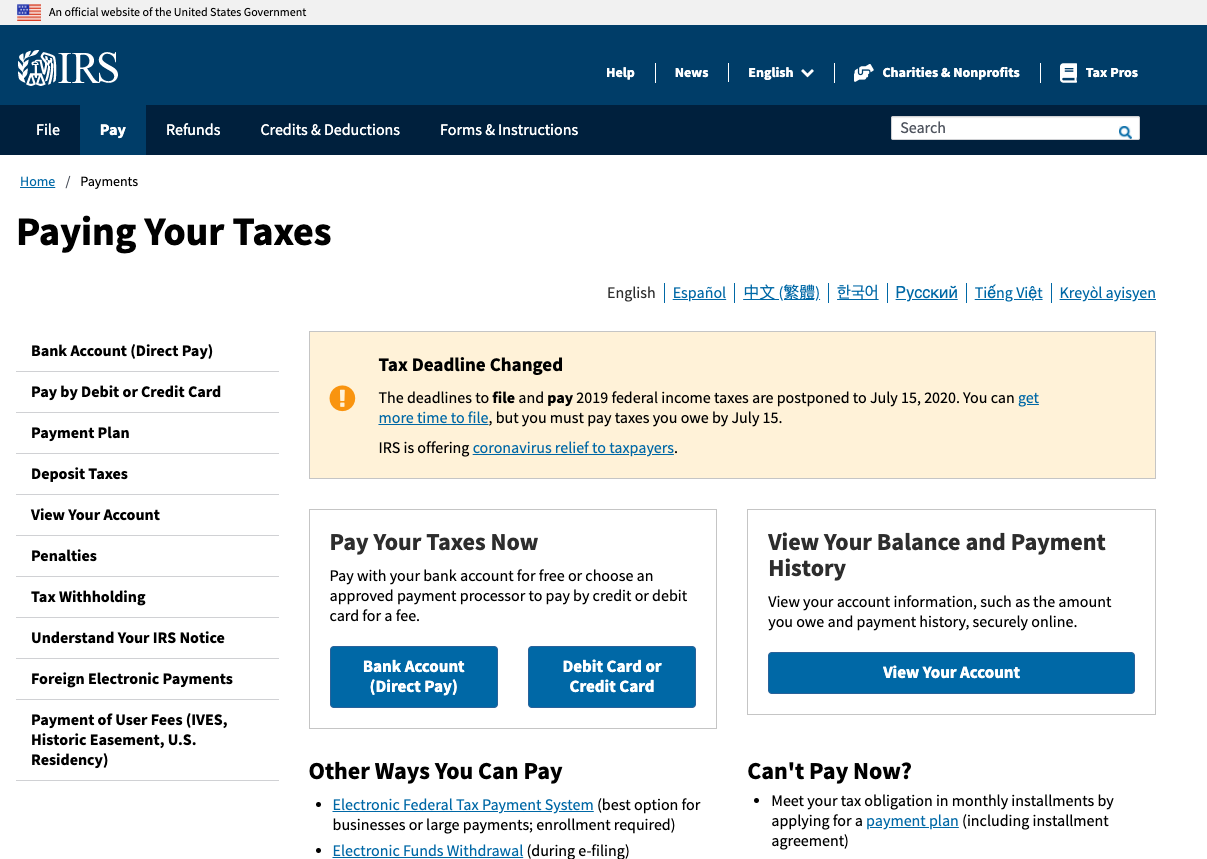
For the vast majority of taxpayers, electronic payment methods represent the most efficient and secure way to interact with the IRS. Moving money digitally provides an immediate audit trail and often eliminates the risk of documents being lost in the mail.
IRS Direct Pay: The Gold Standard for Individuals
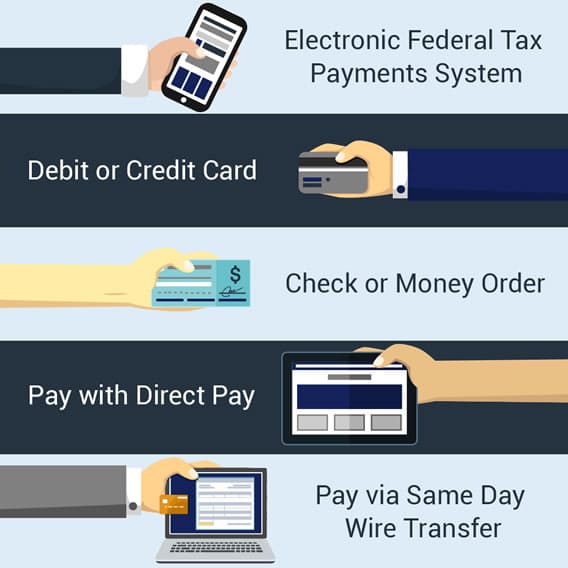
Direct Pay is perhaps the most streamlined tool offered for individual taxpayers. This service allows you to pay your tax bill directly from your checking or savings account without any additional fees. It is specifically designed for those filing Form 1040 series, estimated taxes, or other individual tax obligations.
The primary advantage of Direct Pay is its simplicity. There is no requirement to register for an account; instead, the system verifies your identity using information from a previous year’s tax return. Once verified, you can schedule payments up to 365 days in advance, providing a powerful tool for those who practice proactive cash flow management. From a financial planning perspective, the ability to schedule payments ensures that funds are earmarked and transferred precisely when needed, preventing the accidental spending of tax reserves.
The Electronic Federal Tax Payment System (EFTPS)
While Direct Pay serves the individual, the Electronic Federal Tax Payment System (EFTPS) is the heavy-duty engine of the federal tax payment infrastructure. Managed by the U.S. Department of the Treasury, EFTPS is a free service that is mandatory for many business taxpayers, though it is also available to individuals.
EFTPS requires a formal enrollment process, which includes receiving a Personal Identification Number (PIN) via mail. While this adds a layer of initial friction, the security and reporting capabilities are unparalleled. For business owners managing payroll taxes, corporate income taxes, or excise taxes, EFTPS provides a centralized dashboard to track all federal tax history. Financially, it allows for high-velocity payments and complex scheduling, making it the preferred choice for those with significant tax liabilities who require meticulous record-keeping for corporate audits.
Digital Wallets and Mobile App Integration
Recognizing the shift in consumer financial behavior, the IRS has begun integrating with modern payment technologies. Through the IRS2Go mobile app, taxpayers can access payment portals directly from their smartphones. Furthermore, the IRS now accepts payments through digital wallets such as PayPal and Amazon Pay via third-party processors.
While these methods offer extreme convenience, they often come with transaction fees. For the savvy financial planner, the decision to use a digital wallet or a third-party processor must be weighed against these costs. However, for those who maintain significant balances in these digital ecosystems or who wish to leverage the security features of these platforms, they represent a viable modern alternative to traditional banking.
Navigating the Costs of Convenience: Credit and Debit Card Payments
The IRS does not process credit or debit card payments directly. Instead, they contract with several third-party payment processors. While this provides taxpayers with the flexibility to pay via plastic, it introduces a layer of financial complexity regarding fees and interest.
Understanding Processing Fees
Every time a taxpayer uses a credit or debit card to settle an IRS debt, the third-party processor charges a fee. For debit cards, this is usually a flat fee (typically ranging from $2.00 to $4.00). For credit cards, the fee is a percentage of the total payment, often hovering around 1.8% to 2.0%.
From a personal finance standpoint, this fee is a critical variable. If you are paying a $10,000 tax bill, a 2% fee amounts to an extra $200. Taxpayers must determine if the convenience or the potential rewards offered by their card issuer outweigh this immediate out-of-pocket cost. In many cases, the fee is tax-deductible for business-related tax payments, which can slightly mitigate the financial impact.
Strategic Use of Credit for Tax Obligations
Using a credit card to pay taxes can be a strategic move under specific financial circumstances. For individuals participating in high-value rewards programs, the points or “cash back” earned on a large tax payment might nearly offset the processing fee. Additionally, for taxpayers who are temporarily cash-poor but expect a significant liquidity event in the near future, using a credit card can act as a short-term bridge loan, allowing them to meet the filing deadline and avoid the IRS’s failure-to-pay penalties, which are often higher than credit card interest rates for the first few months.
However, this strategy carries significant risk. Carrying a high-interest balance on a credit card to pay the IRS is generally discouraged if other financing options—such as an IRS installment agreement—are available. The goal is always to minimize the total “cost of capital” associated with the tax debt.
Physical Payment Channels: When Cash or Paper is Necessary
Despite the push toward digitalization, a significant portion of the population still relies on physical payment methods. Whether due to limited internet access, a preference for tangible records, or the lack of a traditional banking relationship, these channels remain essential.
Mailing the Traditional Check or Money Order
The IRS still accepts checks and money orders through the U.S. Postal Service. To ensure the payment is credited correctly, taxpayers must include a payment voucher (such as Form 1040-V) and write their Social Security Number or Employer Identification Number, the tax year, and the specific tax form on the check itself.
The primary risk associated with this method is the “float” and the potential for loss. A check in the mail is not considered “paid” until it is received or postmarked by the deadline. For individuals managing tight bank balances, the unpredictable timing of when the IRS will actually present the check for payment can lead to overdraft issues. Furthermore, the lack of an immediate electronic receipt makes it imperative to send such payments via certified mail with a return receipt requested.
Paying in Person at Retail Partners
In an effort to serve the “underbanked” or those who deal primarily in cash, the IRS has partnered with retail chains like 7-Eleven, Walgreens, and CVS through the “Pay with Cash” program. Taxpayers must first initiate the process on the IRS website, receive a code, and then visit a participating retail location to complete the transaction.
There are strict limits on these transactions—usually no more than $1,000 per day—and they often require several business days to process. Financially, this is a vital service for ensuring that all citizens have a pathway to compliance, regardless of their access to the traditional banking system. However, it requires the most foresight and planning due to the multi-step verification and the physical travel involved.
Specialized Payment Strategies for Business Owners and the Self-Employed
For those in business for themselves, tax payment is not a once-a-year event but a recurring quarterly obligation. Managing these payments effectively is central to maintaining business solvency.
Managing Estimated Tax Payments (1040-ES)
Self-employed individuals and “gig economy” workers are required to make quarterly estimated tax payments if they expect to owe $1,000 or more. The “where” in this scenario is usually Direct Pay or EFTPS. The strategy here is “pay-as-you-go.” By utilizing electronic scheduling, business owners can align their tax payments with their revenue cycles. For instance, a seasonal business might schedule larger payments during their peak months and smaller ones during the off-season, ensuring that the total annual liability is met without causing a mid-year liquidity crisis.
Compliance for Payroll and Corporate Tax
Businesses with employees have a fiduciary responsibility to withhold and remit payroll taxes. The IRS is extremely strict regarding these funds, as they are technically held in trust. Almost all payroll tax deposits must be made via EFTPS. Utilizing software integrations that link business accounting platforms directly to federal payment systems is a best practice. This automation reduces human error, ensures that payments are made on time to avoid the draconian Trust Fund Recovery Penalty, and provides a clear audit trail for the business’s financial records.
Financial Safeguards and Best Practices for Tax Settlement
Choosing where to pay the IRS is the final step in a broader strategy of financial protection. Accuracy and verification are paramount to avoid double-payments or, worse, falling victim to financial fraud.
Verifying Payment Status and Avoiding Fraud
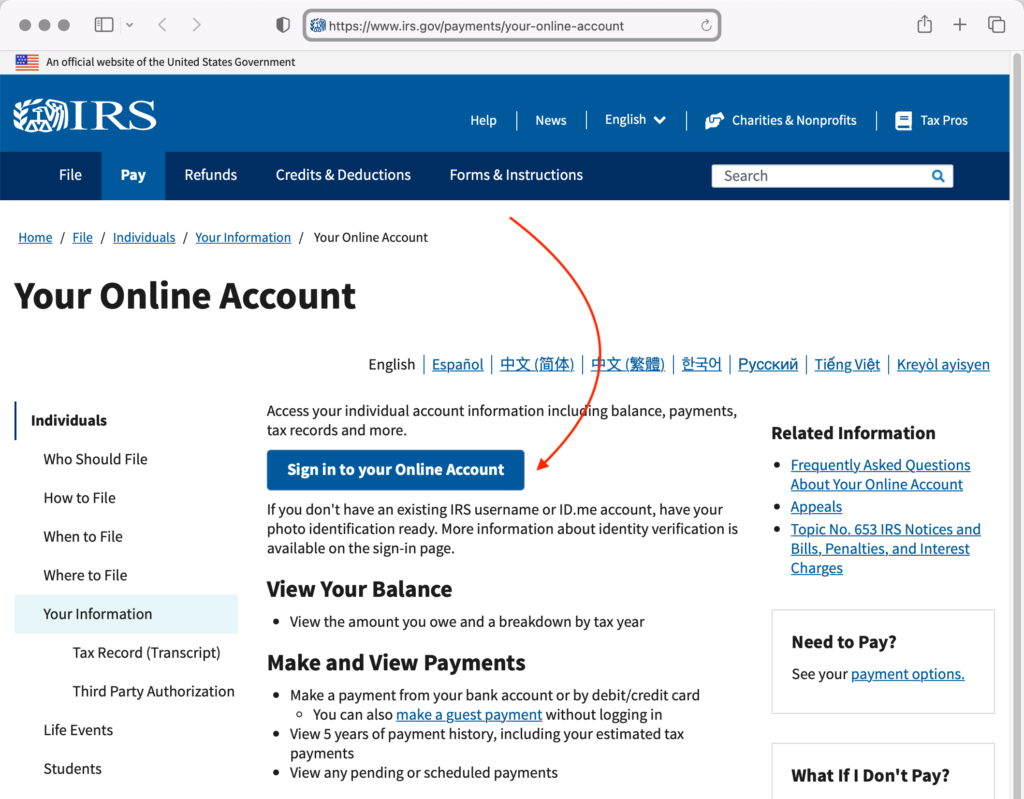
One of the greatest risks in the tax payment process is the prevalence of phishing scams and fraudulent websites. Taxpayers should only initiate payments through the official IRS.gov portal. The IRS will never initiate contact via email, text, or social media to request a payment or ask for credit card information.
Once a payment is made, especially through digital channels, the IRS provides a confirmation number. This number is a vital financial document. It should be stored alongside the tax return for that year. If there is ever a dispute regarding whether a payment was made or received, this confirmation number is the primary evidence used to resolve the issue with the IRS Independent Office of Appeals.
Interest and Penalty Avoidance Strategies
The most expensive way to pay the IRS is to pay late. The failure-to-pay penalty is 0.5% of the unpaid taxes for each month or part of a month the tax remains unpaid, up to 25%. This is in addition to the interest rates, which are adjusted quarterly.
If you find yourself in a position where you know where to pay but don’t have the means to pay the full amount, the IRS offers several financial tools:
-
Short-term extensions: A 180-day window to pay the full amount (though interest still applies).
-
Installment Agreements: Monthly payment plans that allow you to settle the debt over several years.
-
Offer in Compromise: A specialized program for those in extreme financial hardship that allows for settling the debt for less than the full amount owed.
In conclusion, the modern taxpayer has a wealth of options for where to pay IRS taxes. From the instantaneous nature of Direct Pay and EFTPS to the flexibility of credit cards and the accessibility of retail cash payments, the system is designed to accommodate various financial situations. By choosing the method that best aligns with your cash flow needs, record-keeping requirements, and risk tolerance, you can transform tax payment from a stressful annual hurdle into a managed and predictable component of your overall financial strategy.
aViewFromTheCave is a participant in the Amazon Services LLC Associates Program, an affiliate advertising program designed to provide a means for sites to earn advertising fees by advertising and linking to Amazon.com. Amazon, the Amazon logo, AmazonSupply, and the AmazonSupply logo are trademarks of Amazon.com, Inc. or its affiliates. As an Amazon Associate we earn affiliate commissions from qualifying purchases.