
Navigating the complexities of tax obligations can feel daunting, but understanding how to properly set up payments with the Internal Revenue Service (IRS) is a fundamental aspect of sound financial management. Whether you’re an individual taxpayer, a self-employed professional, or a small business owner, knowing your options for remitting taxes due is crucial to avoiding penalties, interest, and unnecessary stress. The IRS offers a variety of payment methods designed to accommodate different financial situations and preferences, from direct electronic transfers to more traditional mail-in options, and even structured payment plans for those facing financial hardship.
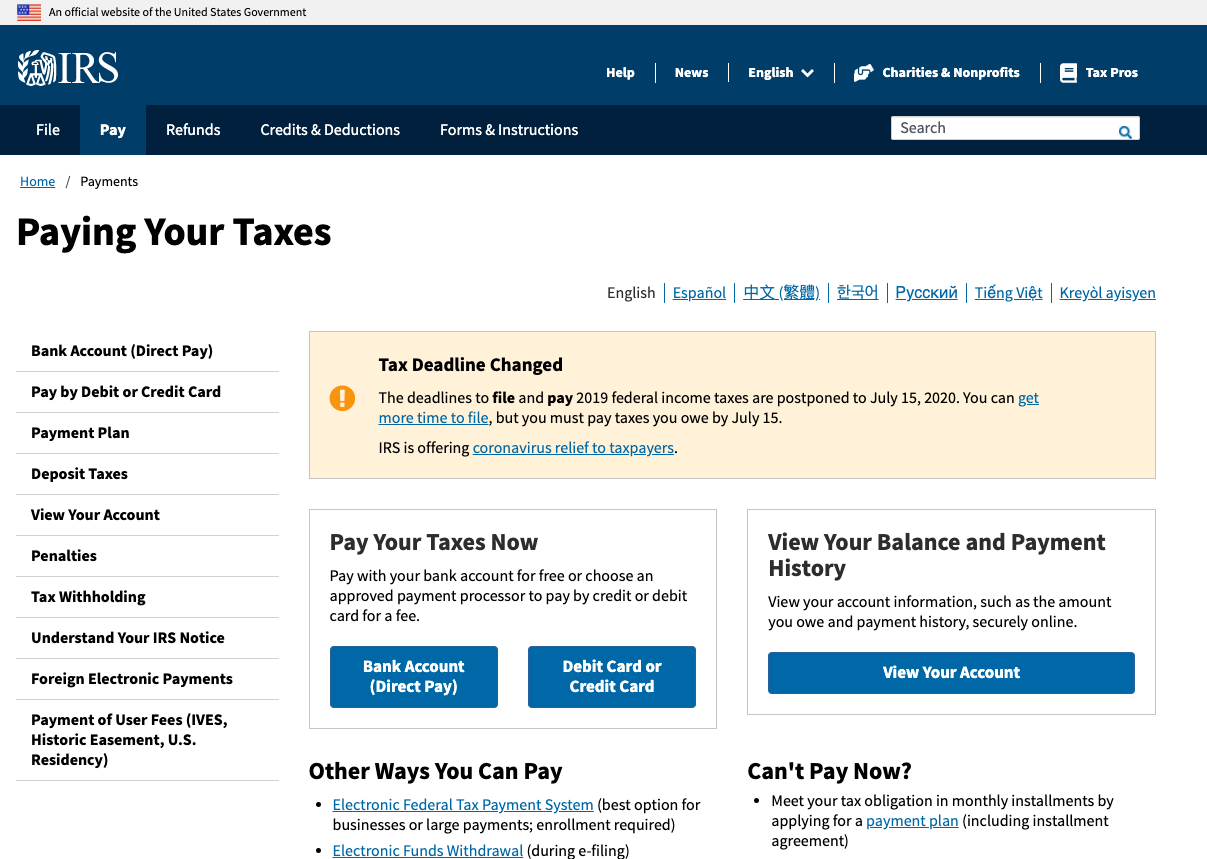
This comprehensive guide will walk you through the various ways to set up and manage your payments to the IRS, ensuring you meet your obligations accurately and on time. We’ll delve into understanding different tax liabilities, exploring secure and convenient payment methods, and outlining strategies for effective financial planning to keep your tax affairs in order.
Understanding Your IRS Payment Obligations
Before you can effectively set up payments, it’s essential to understand why you owe money to the IRS in the first place. Tax liabilities can arise from various sources, and recognizing the nature of your debt will help you choose the most appropriate payment strategy.
Annual Tax Liability
For most wage earners, federal income tax is automatically withheld from paychecks. However, if you have multiple income sources, significant investment income, or insufficient withholding, you might find yourself with an outstanding balance when you file your annual tax return (Form 1040). This remaining amount is your annual tax liability that needs to be paid by the tax filing deadline, typically April 15th. This liability can include not only income tax but also self-employment tax, additional Medicare tax, or net investment income tax, depending on your financial profile. Proactive tax planning, such as adjusting W-4 withholdings or making estimated tax payments throughout the year, can help mitigate a large balance due at year-end.
Estimated Taxes
If you are self-employed, a gig worker, an independent contractor, or have substantial income not subject to withholding (like interest, dividends, rental income, or alimony), you are generally required to pay estimated taxes throughout the year. The U.S. tax system operates on a “pay-as-you-go” basis, meaning taxes should be paid as income is earned. Estimated taxes are typically paid in four equal installments, due on specific dates: April 15, June 15, September 15, and January 15 of the following year. Failing to pay enough estimated tax can result in penalties, even if you receive a refund when you file your annual return. Utilizing IRS Form 1040-ES helps calculate these quarterly payments.
Payment Plans and Agreements
Life happens, and sometimes, despite your best efforts, you might not be able to pay your full tax bill by the deadline. In such cases, the IRS offers various payment plans and agreements to help taxpayers resolve their liabilities. The most common is an Installment Agreement, which allows you to make monthly payments for up to 72 months. For those facing extreme financial hardship, an Offer in Compromise (OIC) may be an option, allowing certain taxpayers to settle their tax debt for a lower amount than what they originally owed. It’s critical to note that interest and penalties may still accrue, even if you are on a payment plan, so it’s always best to pay as much as you can, as soon as you can.
Penalties and Interest
Understanding why penalties and interest occur is key to avoiding them. The IRS charges penalties for various reasons, including failure to file on time, failure to pay on time, and failure to prepare an accurate return. Interest is also charged on underpayments and unpaid balances, even if you have an extension to file. These charges can add significantly to your tax debt. The best way to avoid them is to file an accurate return and pay your taxes in full by the due date. If you need more time to file, remember to request an extension, but be aware that an extension to file is not an extension to pay. Any taxes due should still be paid by the original deadline to avoid failure-to-pay penalties and interest.
Direct Payment Methods: Convenient and Secure
The IRS encourages taxpayers to use electronic payment options for their security, convenience, and speed. These methods often provide immediate confirmation and reduce the risk of lost or delayed payments.
IRS Direct Pay
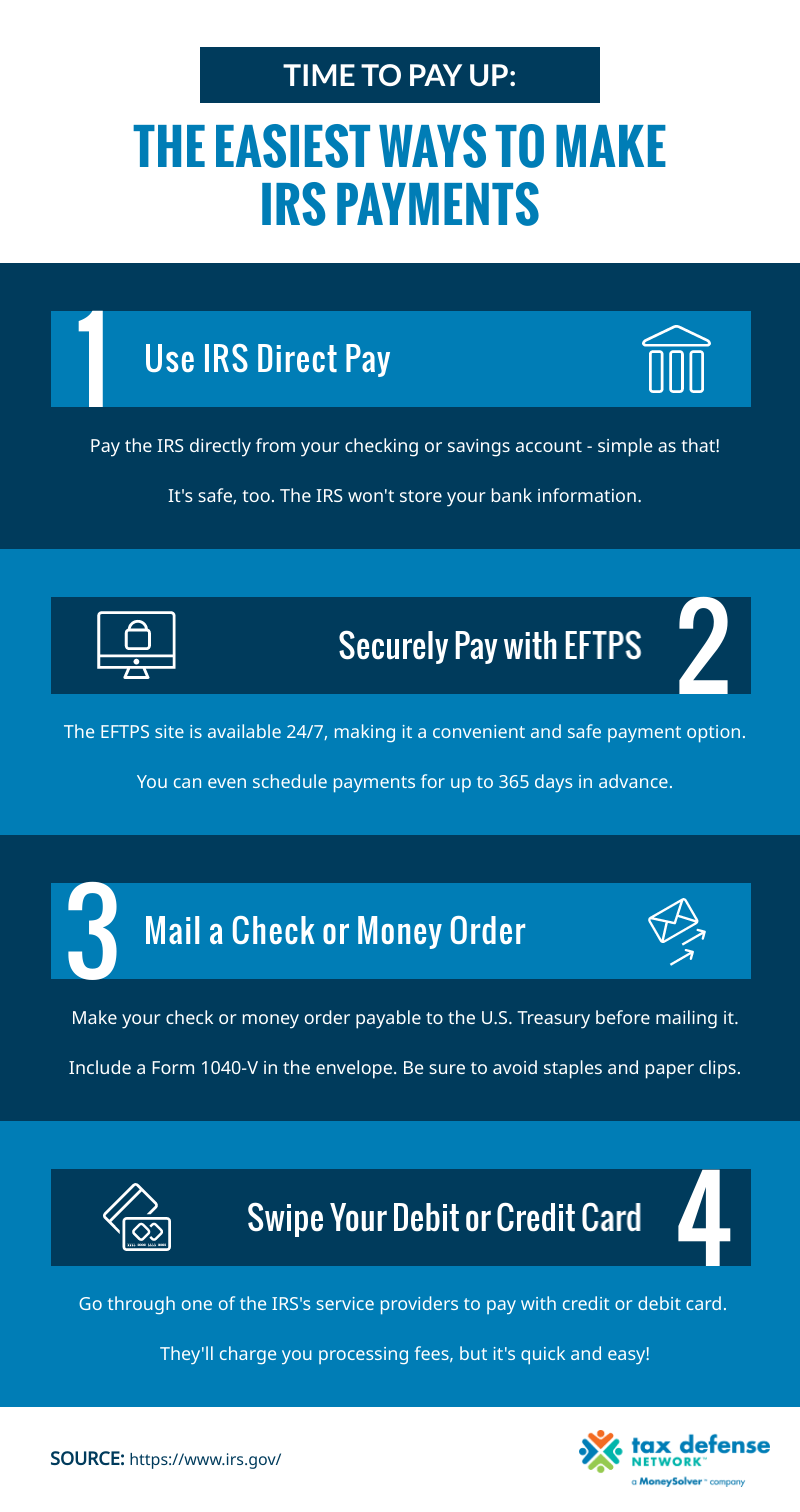
IRS Direct Pay is a free, secure web service that allows individuals and businesses to make tax payments directly from their checking or savings accounts. It’s available 24/7 and doesn’t require pre-registration. You can schedule payments up to 365 days in advance and modify or cancel payments up to two business days before the scheduled date. This is an excellent option for one-time payments for your annual tax liability, estimated taxes, or even payments related to an extension. You simply need your bank account number, routing number, and previous year’s tax information for verification purposes.
Electronic Federal Tax Payment System (EFTPS)
EFTPS is a robust electronic payment system designed primarily for businesses, but it can also be used by individuals to pay all types of federal taxes. It requires pre-registration, which can take 5-7 business days to complete, as the IRS mails you a PIN after you enroll online. Once registered, you can schedule payments up to 365 days in advance, review your payment history, and even cancel scheduled payments. EFTPS is particularly beneficial for those making frequent or recurring payments, such as businesses paying payroll taxes or individuals making quarterly estimated tax payments. It provides a reliable and detailed record of all transactions.
Debit Card, Credit Card, or Digital Wallet
For those who prefer the convenience of using a debit card, credit card, or digital wallet (such as PayPal or Click to Pay), the IRS partners with several third-party payment processors. While these methods offer flexibility and may allow you to earn rewards points (if using a credit card), they do come with a processing fee charged by the third-party provider, not the IRS. The fee typically ranges from 1.87% to 1.98% for credit cards, and a flat fee (e.g., around $2.50-$3.95) for debit cards. This option is useful if you need to pay quickly, want to maximize credit card rewards, or prefer not to use your bank account directly.
Electronic Funds Withdrawal (EFW)
When you file your tax return electronically using tax software, a tax professional, or the IRS Free File program, you’ll often have the option to authorize an Electronic Funds Withdrawal (EFW). This allows you to pay your taxes directly from your checking or savings account when you e-file. You can specify the amount you want to pay and the date you want the payment to be withdrawn (up to the due date). This method is convenient because it’s integrated into the filing process, eliminating the need for a separate payment step. Just ensure you have sufficient funds in your account on the scheduled withdrawal date.
Traditional and Alternative Payment Options
While electronic payments are highly recommended, the IRS still provides traditional and alternative methods for those who cannot or prefer not to pay online.
Payment by Check or Money Order
You can still pay your taxes by mailing a check or money order directly to the IRS. When doing so, it’s crucial to include your name, address, daytime phone number, Social Security number (or employer identification number for businesses), the tax year, and the related tax form or notice number on the check or money order. Make it payable to the “U.S. Treasury.” It’s also vital to send your payment to the correct IRS address, which varies depending on your state and the form you are filing. Always use certified mail with a return receipt for proof of mailing, and mail your payment in advance of the deadline to ensure it’s received on time.
Cash Payments
Paying federal taxes with cash is an option, though it’s less direct. The IRS partners with retail stores like 7-Eleven, Family Dollar, and CVS Pharmacy to facilitate cash payments through their PayNearMe network. To use this service, you must first access the IRS’s official payment page (IRS.gov/cash), follow the instructions to get a payment code, and then take that code to a participating retail location. There may be a small fee for this service. After making your payment, you’ll receive a digital receipt, and the payment is usually reported to the IRS within a few business days. This method can be useful for those who prefer to handle transactions in cash but requires an extra step to set up.
Wire Transfers (for specific situations)
Wire transfers are generally reserved for specific types of tax payments, such as international tax payments, or for taxpayers required to make large payments quickly. This method is not commonly used by the average taxpayer for their annual income tax liability. If you believe a wire transfer is the most appropriate method for your particular situation, you should consult IRS Publication 507, Tax Withholding and Estimated Tax, or contact the IRS directly for specific instructions and wiring information to ensure your payment is properly credited.
Strategies for Managing IRS Payments and Avoiding Issues
Effective management of your IRS payments goes beyond simply knowing how to make them; it involves proactive planning and diligent record-keeping.
Timely Filing vs. Timely Payment
A common misconception is that an extension to file an income tax return also extends the time to pay your taxes. This is incorrect. While you can request an extension to file (typically Form 4868 for individuals), giving you an additional six months to submit your return, any taxes you estimate you owe should still be paid by the original due date (e.g., April 15th). Failing to pay on time, even with an extension to file, can result in failure-to-pay penalties and interest. Always aim to pay as much as you can by the original deadline, even if you are filing for an extension.
Setting Up a Payment Plan (Installment Agreement)
If you find yourself unable to pay your tax liability in full by the due date, don’t panic or ignore the issue. The IRS offers several options, with the most common being an Installment Agreement. You can apply for a payment plan online through the IRS’s Online Payment Agreement application if you owe a combined total of under $50,000 (tax, penalties, and interest) for individuals, or under $25,000 for businesses, and you’ve filed all required returns. Alternatively, you can apply by phone or by mail using Form 9465, Installment Agreement Request. Setting up an installment agreement helps you avoid additional collection actions and can reduce penalties compared to simply not paying at all.
What to Do If You Can’t Pay
For taxpayers facing significant financial hardship that prevents them from even making installment agreement payments, the IRS offers options like a temporary delay in collection or an Offer in Compromise (OIC). A temporary delay in collection (currently not collectible status) means the IRS agrees you cannot pay any of your tax debt due to your current financial condition. An OIC allows certain taxpayers to resolve their tax liability with the IRS for a lower amount than what they owe. Both options require significant financial disclosure and review by the IRS. If you believe either of these applies to your situation, it’s advisable to seek professional guidance from a tax attorney or Enrolled Agent.
Keeping Accurate Records
Maintaining meticulous records of all your tax payments is paramount. This includes confirmation numbers for electronic payments, copies of checks (front and back), certified mail receipts, and any correspondence from the IRS regarding your payments. These records serve as crucial proof of payment in case of any discrepancies or inquiries from the IRS. It’s wise to keep tax-related documents for at least three years from the date you filed your original return or two years from the date you paid the tax, whichever is later. For certain situations, such as underreporting income, the statute of limitations can extend to six years.
Essential Tips and Resources
Navigating IRS payments can be straightforward with the right approach and awareness of available resources.
Verify Your Information
Before finalizing any payment, double-check all critical information: the payment amount, your Social Security number or EIN, the tax year, and your bank account or card details. A small error can lead to a misapplied payment, delays, or even penalties. Most electronic payment systems will provide a review screen before submission; take advantage of it.
IRS.gov as Your Primary Resource
The IRS website, IRS.gov, is an invaluable and authoritative resource for all tax-related matters. It provides detailed instructions for all payment methods, current mailing addresses, tax forms, publications, and frequently asked questions. Bookmark it and refer to it directly for the most accurate and up-to-date information. Avoid relying solely on third-party sites unless they are directly linked from IRS.gov or are reputable tax software providers.

When to Seek Professional Help
While many tax payment scenarios are manageable on your own, complex situations often benefit from professional assistance. If you have significant tax debt, are considering an Offer in Compromise, need help with tax planning for estimated payments, or are dealing with an IRS notice, consulting a qualified tax professional (such as a Certified Public Accountant, Enrolled Agent, or tax attorney) can provide invaluable guidance and peace of mind. They can help you understand your options, navigate IRS procedures, and ensure compliance.
In conclusion, setting up payments with the IRS doesn’t have to be a source of anxiety. By understanding your payment obligations, utilizing the secure and convenient electronic options available, being aware of traditional alternatives, and practicing diligent financial planning, you can fulfill your tax responsibilities efficiently and accurately. Proactive engagement with your tax duties is a cornerstone of robust personal and business finance, ensuring you remain in good standing with the tax authorities and can focus on your broader financial goals.
aViewFromTheCave is a participant in the Amazon Services LLC Associates Program, an affiliate advertising program designed to provide a means for sites to earn advertising fees by advertising and linking to Amazon.com. Amazon, the Amazon logo, AmazonSupply, and the AmazonSupply logo are trademarks of Amazon.com, Inc. or its affiliates. As an Amazon Associate we earn affiliate commissions from qualifying purchases.