
Navigating the landscape of tax obligations can often feel daunting, especially when it comes to the practical step of settling your dues with the Internal Revenue Service (IRS). For many, the annual tax season, or even quarterly estimated tax payments, bring with them questions about the most efficient, secure, and cost-effective ways to ensure compliance. Gone are the days when mailing a physical check was the sole or primary method; today, the IRS offers a diverse array of payment solutions designed to accommodate various financial situations and technological preferences. Understanding these options is not just about convenience; it’s about making informed financial decisions, avoiding penalties, and ensuring your hard-earned money reaches its intended destination securely and on time.
This guide delves into the myriad ways you can pay the IRS, exploring both modern digital platforms and traditional methods, while also offering insights into managing payments when facing financial hardship. By demystifying the payment process, we aim to empower individuals and businesses alike to fulfill their tax responsibilities with confidence and clarity.
Understanding Your Tax Obligations and Payment Deadlines
Before diving into the methods of payment, it’s crucial to first understand what you owe and when it’s due. A firm grasp of your tax obligations and the relevant deadlines is the bedrock of effective tax management, preventing unnecessary stress and costly penalties.
Identifying Your Tax Liability
Your tax liability is the total amount of tax you owe for a given period. This figure is typically determined when you file your tax return (Form 1040 for individuals, various forms for businesses). However, some individuals, especially those with income not subject to withholding (e.g., self-employment income, interest, dividends, rent), are required to pay estimated taxes throughout the year. The IRS sends various notices, such as CP14 or LT11, informing taxpayers of outstanding balances or audit results, which also define your liability. It’s imperative to review these documents carefully and consult with a tax professional if any amounts seem incorrect or unclear. Misunderstanding your liability can lead to underpayment, which in turn incurs penalties and interest.
Key Payment Deadlines and Penalty Avoidance
The most widely known tax deadline for individuals is April 15th (or the next business day if April 15th falls on a weekend or holiday). This is when most individual tax returns are due, and any remaining balance from the previous year must be paid. For those who pay estimated taxes, payments are generally due quarterly: April 15, June 15, September 15, and January 15 of the following year. Businesses have their own set of deadlines depending on their structure and fiscal year.
Missing a payment deadline, even by a day, can result in penalties. The IRS imposes penalties for failure to file, failure to pay, and accuracy-related issues. The failure-to-pay penalty is 0.5% of the unpaid taxes for each month or part of a month that taxes remain unpaid, though it’s capped at 25% of your unpaid taxes. Interest also accrues on underpayments and unpaid taxes. While extensions to file are available (Form 4868), they only extend the deadline to submit your return, not the deadline to pay your taxes. If you anticipate owing money, you should pay as much as you can by the original due date to minimize penalties and interest, even if you’ve filed for an extension. Proactive planning and awareness of these critical dates are essential to maintaining good standing with the IRS.
Modern and Convenient Digital Payment Methods
In an increasingly digital world, the IRS has embraced technology to offer a range of electronic payment options that are secure, efficient, and often the preferred choice for taxpayers. These methods eliminate the need for paper checks and postal delays, providing instant confirmation and peace of mind.
IRS Direct Pay
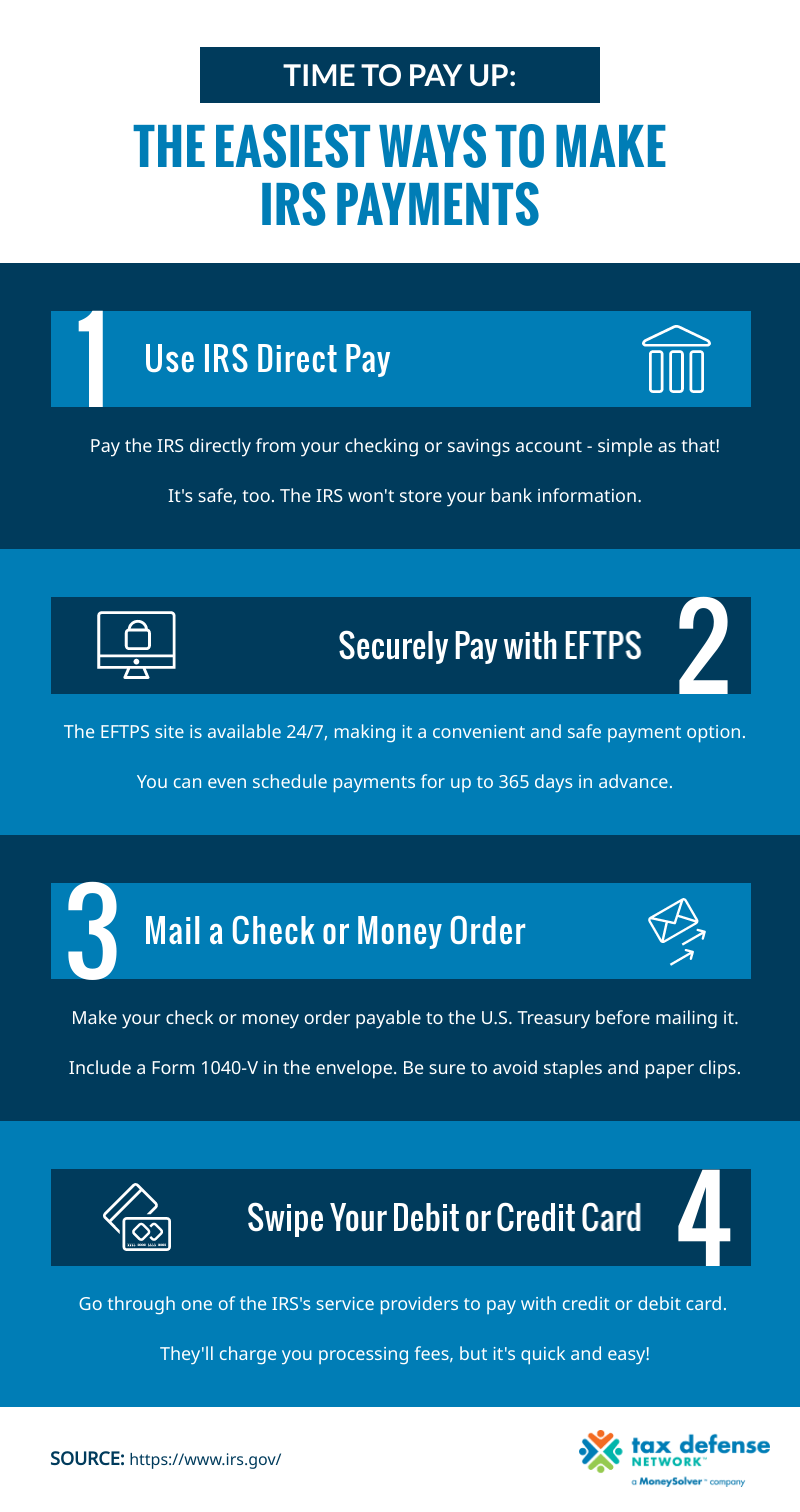
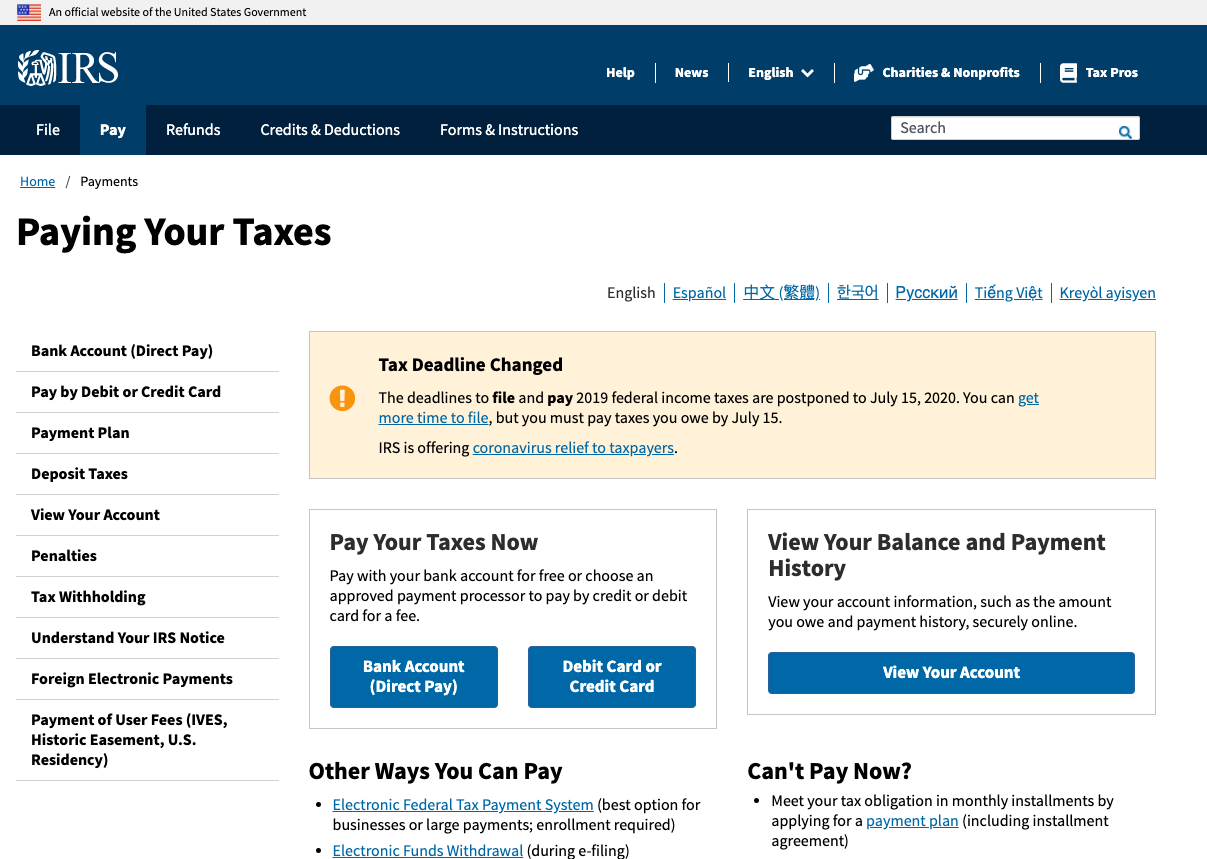
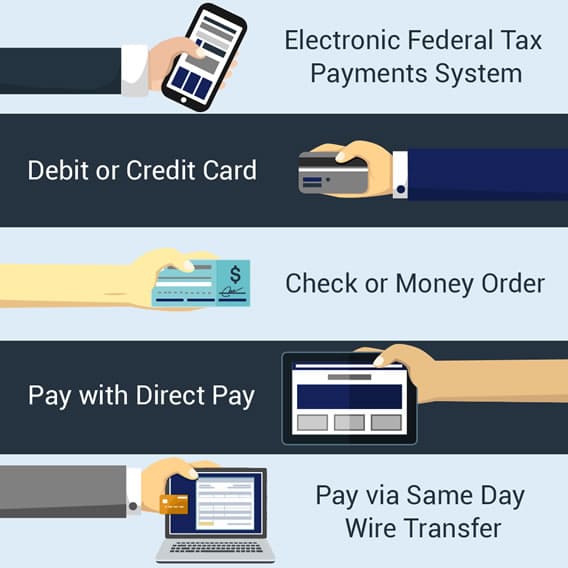
IRS Direct Pay is perhaps the simplest and most cost-effective digital method for individuals to pay their federal taxes directly from their checking or savings account, without any processing fees. It’s available 24/7 and allows you to schedule payments up to 365 days in advance. You can use it to pay various types of taxes, including individual income tax, estimated tax, and even certain amended return amounts. The process is straightforward: visit the IRS website, select “Direct Pay,” enter your tax information to verify your identity, specify the payment amount and type, and provide your bank account details. After submitting, you receive an immediate email confirmation, a valuable record for your files. This method is highly recommended for its simplicity and the absence of transaction fees.
Debit Card, Credit Card, or Digital Wallet
For those who prioritize convenience or wish to earn reward points, paying taxes via debit card, credit card, or digital wallet is an attractive option. The IRS does not directly process these payments; instead, it uses authorized third-party payment processors. While this method offers flexibility, it comes with a processing fee, typically a percentage of the payment amount (for credit cards) or a flat fee (for debit cards), which can range from 1.87% to 2.50% for credit cards, and around $2.50 to $3.95 for debit cards, varying by processor. Popular processors include ACI Payments Inc., PayUSAtax, and OfficialPayments.com. Before choosing this option, taxpayers should weigh the convenience and potential rewards against the processing fees. It’s particularly useful for those who might need a short-term bridge to cover their tax liability or who have credit cards with high reward rates that offset the transaction cost.
Electronic Federal Tax Payment System (EFTPS)
EFTPS is a free service provided by the U.S. Department of the Treasury that allows individual and business taxpayers to make federal tax payments electronically. Unlike Direct Pay, which is mainly for individual income tax, EFTPS supports a much broader range of federal tax payments, including payroll taxes, corporate taxes, and estimated taxes. While it requires an enrollment process (which can take 5-7 business days to receive a PIN), once registered, it offers robust features. Users can schedule payments up to 365 days in advance, view their payment history for up to 15 months, and receive email confirmations. It’s an ideal solution for businesses or individuals who make recurring payments and desire a comprehensive system for managing their tax payments. Due to the enrollment time, it’s advisable to register well in advance of your first payment deadline.
IRS2Go App
The IRS2Go app, available for free on iOS and Android devices, offers a convenient way to make payments on the go. Through the app, taxpayers can make payments using IRS Direct Pay, or through the third-party credit/debit card processors, providing the same payment options available on the IRS website but from the convenience of a smartphone or tablet. In addition to payment functionalities, the app allows users to check the status of their refund, find free tax help, and access IRS news and updates. It’s a useful tool for tech-savvy individuals who prefer managing their finances through mobile devices.
Traditional and Alternative Payment Approaches
While digital methods offer speed and convenience, traditional payment methods remain viable and necessary for certain situations. Moreover, for taxpayers facing financial difficulties, the IRS provides pathways to manage their obligations without resorting to extreme measures.
Check, Money Order, or Cashier’s Check
For those who prefer traditional methods or lack access to electronic banking, paying by check, money order, or cashier’s check is still an option. When mailing a payment, it’s crucial to follow specific IRS guidelines to ensure it’s processed correctly. This typically involves making the check or money order payable to the “U.S. Treasury,” writing your name, address, daytime phone number, Social Security number or Employer Identification Number (EIN), the tax year, and the related tax form number (e.g., “2023 Form 1040”) on the front of the payment. Attach Form 1040-V, Payment Voucher, to your check or money order. Send your payment to the IRS address specified in the instructions for your tax form. Always mail your payment early, considering potential postal delays, and obtain proof of mailing, such as a certified mail receipt, for your records. This method can be less secure due to potential loss in transit and offers no immediate payment confirmation.
Cash Payments
While the IRS does not accept direct cash payments at its offices, it has partnered with retail stores across the country to facilitate cash payments through third-party services like PayNearMe and ACI Payments Inc. (via their Official Payments website). Taxpayers can initiate a payment request online, receive a payment code or barcode, and then take it to a participating retail location (e.g., 7-Eleven, Family Dollar, CVS) to make the cash payment. There’s typically a small fee associated with cash payments through these services, and daily payment limits may apply. This option is particularly useful for the unbanked or those who prefer to deal exclusively in cash. It’s essential to retain the payment confirmation receipt provided by the retailer as proof of payment.
Installment Agreements and Offers in Compromise (OIC)
Sometimes, despite best efforts, taxpayers find themselves unable to pay their full tax liability by the deadline. In such circumstances, the IRS offers programs designed to help alleviate financial strain. An Installment Agreement allows taxpayers to make monthly payments for up to 72 months (six years). You can apply for an installment agreement online, by phone, or by mail. While an installment agreement helps manage payments, penalties and interest continue to accrue until the full amount is paid.
A more significant relief option is an Offer in Compromise (OIC), which allows certain taxpayers to resolve their tax liability with the IRS for a lower amount than what they originally owe. An OIC is generally considered when there is doubt as to collectibility, doubt as to liability, or when an effective tax administration would be promoted. The IRS assesses a taxpayer’s ability to pay, income, expenses, and asset equity to determine if an OIC is appropriate. An OIC is a complex process and not everyone qualifies. Both options require proactive engagement with the IRS, and it’s often advisable to seek the guidance of a tax professional when considering these solutions. They offer a lifeline for those genuinely struggling, preventing more severe collection actions like liens or levies.
Best Practices for Tax Payments
Regardless of the method chosen, adhering to certain best practices can streamline the payment process, enhance security, and ensure accurate record-keeping. These habits are crucial for responsible financial management and compliance.
Double-Checking Payment Details
Accuracy is paramount when making tax payments. Before finalizing any transaction, meticulously review all details: the payment amount, the tax year it applies to, your Social Security number or EIN, and the banking or card information. A simple typo can result in a payment being misapplied, delayed, or even returned, leading to penalties and additional administrative hassle. For electronic payments, always confirm that you are on the official IRS website or using an authorized third-party processor.
Keeping Thorough Records
Maintaining comprehensive records of all tax payments is non-negotiable. This includes confirmation numbers for electronic payments, certified mail receipts for mailed checks, and retail receipts for cash payments. Store these records in a secure place, ideally with your tax return and other supporting documents. In the event of an IRS inquiry or discrepancy, these records serve as undeniable proof that you fulfilled your obligations. Digital copies, along with physical ones, offer an extra layer of security.
Safeguarding Against Scams
Unfortunately, tax season is also prime time for scams. The IRS will never demand immediate payment using specific methods like gift cards, wire transfers, or cryptocurrency, nor will they threaten you with immediate arrest for non-payment. Be wary of unsolicited emails, phone calls, or texts claiming to be from the IRS, especially those demanding personal information or payment. Always verify communications using official IRS contact information, and if in doubt, visit the official IRS.gov website directly. Protecting your personal and financial information is just as important as making the payment itself.
Seeking Professional Assistance
If you find the process of determining your tax liability or choosing the right payment method overwhelming, or if you face financial hardship, do not hesitate to seek professional assistance. Tax preparers, enrolled agents, and tax attorneys can provide invaluable guidance, help you navigate complex situations, ensure accuracy, and advocate on your behalf with the IRS. Their expertise can save you time, stress, and potential penalties, ensuring that your tax responsibilities are met correctly and efficiently.
Paying the IRS doesn’t have to be a source of anxiety. By understanding the various payment methods available, adhering to deadlines, and employing best practices, taxpayers can fulfill their obligations confidently and securely. The diverse options reflect the IRS’s commitment to accessibility, ensuring that whether you prefer traditional mail or cutting-edge digital solutions, there’s a reliable pathway for your tax payment.
aViewFromTheCave is a participant in the Amazon Services LLC Associates Program, an affiliate advertising program designed to provide a means for sites to earn advertising fees by advertising and linking to Amazon.com. Amazon, the Amazon logo, AmazonSupply, and the AmazonSupply logo are trademarks of Amazon.com, Inc. or its affiliates. As an Amazon Associate we earn affiliate commissions from qualifying purchases.