
In an increasingly digitized world, the ability to pay online has transitioned from a novel convenience to an essential skill. From shopping for groceries and subscribing to streaming services to settling utility bills and sending money to friends, digital transactions underpin a vast majority of our financial interactions today. Understanding the diverse methods available, their advantages, and crucial security measures is paramount for navigating the online economy effectively and securely. This guide will demystify the process, empowering you to choose the best online payment solutions for your needs.

The Evolution of Online Payments: From Clicks to Contactless
The landscape of online payments has undergone a profound transformation since the early days of the internet. What began as a cautious venture has blossomed into a sophisticated ecosystem offering speed, security, and unparalleled convenience. Tracing this evolution helps us appreciate the robustness of today’s digital financial tools.
Early Days: Credit Cards and Web Forms
The dawn of e-commerce saw consumers tentatively entering their credit and debit card numbers directly into website forms. This method, while pioneering, was fraught with inherent risks. Shoppers often worried about the security of their sensitive financial data traversing the internet, and merchants faced the complex task of securing these transactions themselves. The absence of standardized security protocols meant that trust was often a leap of faith, limiting the widespread adoption of online shopping beyond early adopters. Fraud was a significant concern, and the customer experience was often clunky, requiring repeated entry of long card numbers and personal details for every purchase.
Rise of Digital Wallets and Payment Gateways
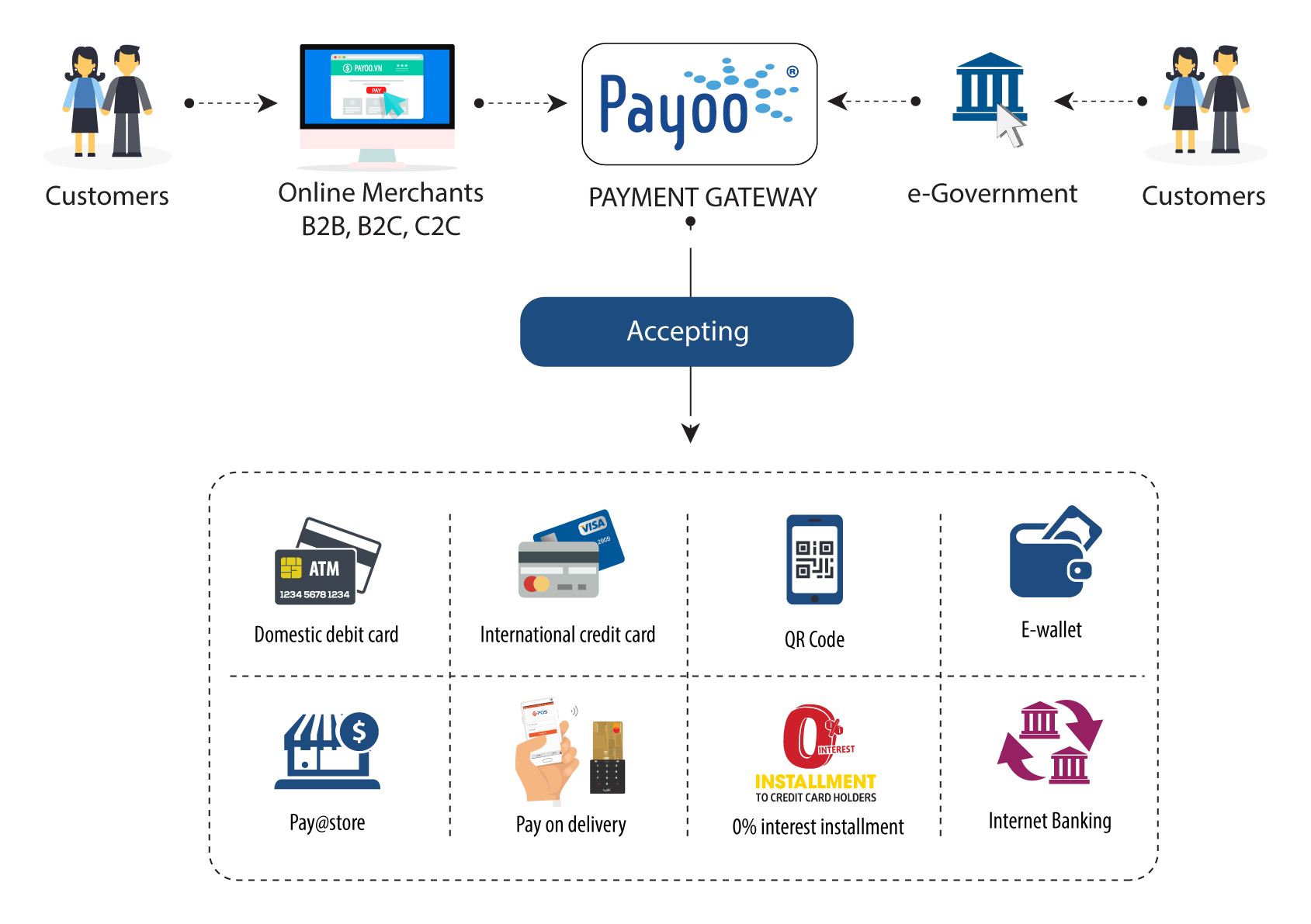
The mid-to-late 1990s and early 2000s marked a pivotal shift with the emergence of third-party payment processors, most notably PayPal. These services acted as intermediaries, allowing users to link their bank accounts or cards once and then pay online without exposing their financial details directly to every merchant. This innovation significantly boosted consumer confidence. Concurrently, the development of robust payment gateways became crucial. These gateways are secure tunnels that encrypt and transmit transaction data between a customer, the merchant, and the banks involved, ensuring that funds are transferred safely and efficiently. They handle the complex authorization process, fraud screening, and data encryption, making online payments seamless and secure for both parties.
Mobile Payments and NFC Technology
The proliferation of smartphones ushered in another revolutionary era: mobile payments. With apps like Apple Pay, Google Pay, and Samsung Pay, consumers could now store their card details securely on their mobile devices and make payments with a simple tap or scan. This was largely facilitated by Near Field Communication (NFC) technology, which allows two devices to communicate when they are brought close together. NFC-enabled mobile payments not only enhanced convenience by eliminating the need to carry physical cards but also significantly bolstered security through tokenization. In this process, the actual card number is replaced with a unique, encrypted token for each transaction, rendering intercepted data useless to potential fraudsters. This innovation extended online payment principles to physical retail, blurring the lines between online and in-store shopping experiences.
Essential Methods for Online Payments
Today, a multitude of options caters to diverse preferences and situations. Understanding each method’s mechanics, benefits, and ideal use cases is key to making informed financial decisions online.
Credit and Debit Cards: The Traditional Mainstay
Credit and debit cards remain the bedrock of online transactions globally. When paying with a card online, you typically input the 16-digit card number, the expiration date, and the three or four-digit security code (CVV/CVC) found on the back or front of the card. Debit cards directly draw funds from your linked bank account, offering excellent control over spending, as you can only spend what you have. Credit cards, conversely, allow you to borrow funds up to a set limit, offering greater purchasing power, consumer protection (often with chargeback rights), and loyalty rewards programs. However, credit cards require responsible use to avoid accumulating debt and interest. Both types benefit from advanced fraud detection systems employed by banks, offering a layer of security.
Digital Wallets and Mobile Payment Apps
Digital wallets, such as PayPal, Apple Pay, Google Pay, and Samsung Pay, have revolutionized online and in-app purchases. These platforms allow you to securely store multiple credit, debit, and even loyalty cards, along with bank account information, in one place. When making a purchase, instead of entering card details, you simply select your digital wallet, authenticate with a password, PIN, fingerprint, or facial recognition, and the transaction is completed. This not only speeds up checkout but also significantly enhances security through tokenization and encryption, as your actual card number is never shared with the merchant. Additionally, many digital wallets offer peer-to-peer (P2P) payment functionalities, enabling instant money transfers between individuals, exemplified by services like Venmo and Cash App.
Bank Transfers and ACH Payments
For larger sums, recurring payments, or transactions where credit card fees are prohibitive, direct bank transfers or Automated Clearing House (ACH) payments are often utilized. A bank transfer, sometimes referred to as a wire transfer, moves money directly from one bank account to another, typically used for significant sums and often involving international transactions. ACH payments are electronic transfers made between bank accounts in the U.S. and are commonly used for recurring bills (like utilities or rent), payroll direct deposits, and online bill pay. While generally slower than card or digital wallet transactions, taking a few business days to clear, ACH payments are very cost-effective and secure for established relationships. Services like Zelle also offer fast, direct bank-to-bank transfers for individuals within the U.S. using only an email address or phone number.
Alternative Payment Methods: Beyond the Mainstream
Beyond the widely adopted methods, several alternative payment solutions cater to specific preferences and evolving market demands. “Buy Now, Pay Later” (BNPL) services like Klarna and Afterpay allow consumers to spread the cost of purchases over interest-free installments, appealing to those seeking budget flexibility. These services perform a soft credit check and are integrated into many online retailers’ checkout processes. Cryptocurrencies, such as Bitcoin and Ethereum, represent another emerging, albeit volatile and less widely accepted, payment method. These decentralized digital currencies offer peer-to-peer transactions without intermediaries, though their use is still niche due to price fluctuations and regulatory complexities. Prepaid cards and virtual credit cards provide an additional layer of control, as they are pre-loaded with a specific amount, limiting potential losses if compromised.
Navigating Security and Fraud Prevention Online
While the convenience of online payments is undeniable, it’s crucial to prioritize security. Understanding how to protect your financial information and identify potential threats is a vital part of transacting online.
Understanding Encryption and Secure Connections (SSL/TLS)
The cornerstone of online security is encryption. When you see “https://” at the beginning of a website’s address and a padlock icon in your browser’s address bar, it signifies that the site uses SSL/TLS (Secure Sockets Layer/Transport Layer Security) encryption. This technology scrambles your data (like credit card numbers and personal details) as it travels between your computer and the website’s server, making it unreadable to anyone who might try to intercept it. Always verify the presence of “https://” and the padlock before entering any sensitive information, as it indicates a secure connection that protects your data from eavesdropping.
Two-Factor Authentication (2FA) and Biometrics
To add a robust layer of security to your online accounts, enable Two-Factor Authentication (2FA) wherever possible. This requires you to provide two different forms of verification before gaining access, typically something you know (your password) and something you have (a code sent to your phone or generated by an authenticator app) or something you are (a fingerprint or facial scan). Biometric authentication, common in mobile payment apps (e.g., Face ID, Touch ID), replaces traditional passwords with unique physical attributes, offering a highly secure and convenient method of verification, making unauthorized access significantly more difficult even if your password is compromised.
Recognizing and Avoiding Phishing and Scams
Cybercriminals constantly evolve their tactics to trick users into divulging sensitive information. Phishing attempts often come in the form of emails or texts that mimic legitimate companies, asking you to click a link and “verify” your account details. Always be suspicious of unsolicited communications requesting personal or financial information. Check the sender’s email address carefully for discrepancies, hover over links to see the actual URL before clicking, and look for grammatical errors or unusual phrasing. Never provide passwords, PINs, or card numbers in response to such requests. If in doubt, navigate directly to the official website of the organization in question instead of using links from suspicious messages.
Best Practices for Safe Online Transactions
Beyond specific security features, adopting general best practices is essential. Use strong, unique passwords for each online account, ideally employing a password manager to keep track of them. Regularly monitor your bank and credit card statements for any unauthorized transactions and report discrepancies immediately. Ensure your operating system, web browser, and antivirus software are always up-to-date to protect against the latest threats. Avoid making payments on public Wi-Fi networks, which are often unencrypted and vulnerable to snooping. Finally, only transact with reputable merchants and review their privacy and security policies to understand how your data is handled.
Choosing the Right Online Payment Method for You
With so many options, selecting the optimal payment method depends on your priorities, the nature of the transaction, and your personal financial habits.
Factors to Consider: Convenience, Security, and Fees
When deciding how to pay online, weigh three primary factors: convenience, security, and potential fees. Digital wallets offer unparalleled convenience and speed, often coupled with strong security features like tokenization. Credit cards provide robust fraud protection and rewards, but carry the risk of debt. Debit cards offer direct control but less fraud protection than credit cards. Bank transfers are secure and cost-effective for larger sums but are slower. Be mindful of potential transaction fees, particularly for international payments, certain P2P transfers funded by credit cards, or some merchant processing services. Each method presents a unique balance, and the “best” choice is often context-dependent.
Personal vs. Business Use Cases
The choice of online payment methods also differs significantly between personal and business use. Individuals prioritize ease of use, security for personal data, and perhaps rewards or budgeting tools. For businesses, accepting payments online is more complex, involving merchant accounts, payment gateways, and payment processors that can handle high volumes, integrate with e-commerce platforms, manage invoicing, and provide detailed reporting. Businesses must consider PCI DSS compliance (Payment Card Industry Data Security Standard), transaction fees, chargeback rates, and customer experience. While consumers might use PayPal for a personal purchase, a business will integrate PayPal Business or a comprehensive payment service provider like Stripe or Square.
The Future of Digital Payments: Innovation and Integration
The landscape of online payments is continuously evolving, driven by technological advancements and changing consumer expectations. We are seeing trends towards “invisible payments,” where transactions occur seamlessly in the background (e.g., ride-sharing apps, smart home devices). Further integration of artificial intelligence and machine learning is enhancing fraud detection and personalizing payment experiences. Global standardization initiatives aim to simplify cross-border transactions, while innovations like central bank digital currencies (CBDCs) could reshape the very nature of money. As technology progresses, the methods to pay online will only become more diverse, integrated, and efficient, promising an even more seamless financial future.

Conclusion
Paying online is no longer a luxury but a fundamental aspect of modern life. By understanding the various payment methods available—from traditional credit cards and ubiquitous digital wallets to direct bank transfers and emerging alternatives—you can navigate the digital marketplace with confidence. Prioritizing security through practices like using strong passwords, enabling two-factor authentication, recognizing scams, and verifying secure connections is paramount. With the right knowledge and tools, you can harness the full power of online payments, enjoying unparalleled convenience and peace of mind in every transaction. The digital future of finance is here, and being well-informed ensures you’re ready for it.
aViewFromTheCave is a participant in the Amazon Services LLC Associates Program, an affiliate advertising program designed to provide a means for sites to earn advertising fees by advertising and linking to Amazon.com. Amazon, the Amazon logo, AmazonSupply, and the AmazonSupply logo are trademarks of Amazon.com, Inc. or its affiliates. As an Amazon Associate we earn affiliate commissions from qualifying purchases.