
For investors, analysts, and market watchers, understanding the earnings release schedule of a company like NVIDIA (NVDA) is not merely a matter of curiosity; it’s a critical component of informed decision-making. As a behemoth in the semiconductor industry, particularly dominant in graphics processing units (GPUs) and artificial intelligence (AI) acceleration, NVIDIA’s financial performance acts as a significant barometer for the tech sector and the broader economy. This article delves into the intricacies of NVIDIA’s earnings releases, why they command such attention, how to track them, and what insights they offer to the discerning investor.
Understanding Earnings Season and Its Significance for NVIDIA
Earnings season is a quarterly period when publicly traded companies disclose their financial results for the preceding three months. For individual investors, this window offers a rare look under the hood of corporate performance, providing concrete data that can either validate or challenge market narratives. For a company like NVIDIA, whose innovations underpin transformative technologies from gaming to data centers and autonomous vehicles, these reports are particularly impactful.
The Importance of Quarterly Reports
Quarterly earnings reports, typically comprising an earnings press release, financial statements (income statement, balance sheet, cash flow statement), and an investor conference call, are far more than just compliance documents. They are a company’s periodic accountability statement to its shareholders. For NVIDIA, these reports detail:
-
Revenue: The total sales generated from its diverse segments, including Data Center, Gaming, Professional Visualization, and Automotive. This figure highlights the company’s ability to drive growth and capture market share across its various fronts.
-
Earnings Per Share (EPS): A key profitability metric, EPS indicates how much profit the company made for each outstanding share of stock. Investors often compare current EPS against analyst estimates and prior periods to gauge performance.
-
Gross Margins: This percentage reveals how efficiently NVIDIA is converting its revenue into gross profit, shedding light on its cost structure and pricing power within a competitive industry.
-
Forward Guidance: Perhaps one of the most forward-looking elements, guidance provides management’s outlook for future revenue, profitability, and capital expenditures. For a growth-oriented company like NVIDIA, this forward-looking statement can significantly influence investor sentiment.
These metrics collectively paint a comprehensive picture of NVIDIA’s operational efficiency, market demand for its products, and its strategic direction.
Why NVIDIA’s Earnings Are Watched Closely
NVIDIA stands at the intersection of several high-growth, high-impact industries. Its GPUs are the bedrock of modern artificial intelligence, powering everything from large language models (LLMs) to scientific research. The company’s reach extends to virtually every facet of digital transformation, making its financial health a bellwether for technological advancement.
-
Market Leadership in AI: NVIDIA’s dominance in AI hardware means its performance reflects the health and investment trends in the burgeoning AI sector. Strong Data Center segment growth, for instance, signals robust enterprise spending on AI infrastructure.
-
Economic Indicator: Given the broad application of its technology, NVIDIA’s results can offer insights into consumer spending (Gaming segment), enterprise capital expenditure (Professional Visualization, Data Center), and industrial transformation (Automotive).
-
Bellwether for the Semiconductor Industry: As a leading chip designer, NVIDIA’s outlook often correlates with broader trends in the semiconductor industry, which is notoriously cyclical but currently benefiting from secular growth drivers.
-
High Volatility and Investor Interest: Due to its pivotal role and high growth potential, NVDA stock often experiences significant price movements around earnings releases. This attracts both long-term institutional investors and short-term traders, amplifying the scrutiny on its reports.
Therefore, anticipating and analyzing NVIDIA’s earnings is essential for anyone seeking to understand not just the company’s trajectory, but also the broader technological and economic currents it navigates.
How to Track NVIDIA’s Earnings Release Dates
Staying informed about NVIDIA’s earnings calendar is straightforward, given the resources available to investors. While exact dates can sometimes shift by a few days, the general timeframe is predictable. NVIDIA typically releases its quarterly results approximately one month after the close of its fiscal quarter.
Official Investor Relations Pages
The most reliable and accurate source for NVIDIA’s earnings release dates and accompanying materials is its official Investor Relations (IR) website.
-
NVIDIA’s Investor Relations Portal: Navigate to
investor.nvidia.com. Here, you will find a dedicated section for “Events & Presentations” or an “Investor Calendar” which lists upcoming earnings calls, webcast details, and links to historical earnings reports. This is usually updated several weeks in advance of the actual release. -
Email Alerts: Many companies, including NVIDIA, offer a service to sign up for email alerts. By subscribing, you can receive direct notifications about earnings release dates, SEC filings, and other important investor news.
Financial News Outlets and Calendars
A multitude of financial news services and aggregators compile earnings calendars for major public companies. These are excellent resources for cross-referencing information and getting a broader market perspective.
-
Major Financial News Websites: Websites like Bloomberg, Reuters, The Wall Street Journal, CNBC, Yahoo Finance, and MarketWatch all have dedicated sections for earnings calendars. Simply searching for “NVIDIA earnings date” on these platforms will typically yield the information.
-
Specialized Financial Data Providers: Services like Zacks Investment Research, EarningsWhispers, or Investing.com provide detailed earnings calendars, often including analyst consensus estimates and historical data, which can be valuable for contextualizing upcoming releases.
-
TradingView and Other Charting Platforms: Many stock charting and analysis platforms integrate earnings dates directly into their interface, often marked on the price chart itself, providing a visual cue for upcoming events.
Brokerage Platforms and Apps
If you hold NVDA stock or are considering an investment, your brokerage platform is an intuitive place to find earnings information.
-
Portfolio Dashboards: Most online brokers (e.g., Fidelity, Charles Schwab, E*TRADE, Robinhood) feature a dashboard or research section where you can track the earnings calendar for stocks in your watchlist or portfolio.
-
Stock Quote Pages: On the individual stock quote page for NVDA, you’ll usually find an “Earnings” tab or section that displays past and upcoming earnings dates, along with key metrics and analyst estimates.
-
Mobile Apps: Modern brokerage apps ensure that this critical information is accessible on the go, often with push notifications for earnings releases if enabled.
By leveraging these resources, investors can confidently mark their calendars and prepare for NVIDIA’s next financial disclosure.
What Investors Look For in NVIDIA’s Earnings Reports
Beyond just the headline numbers, seasoned investors scrutinize NVIDIA’s earnings reports for specific details that offer deeper insights into the company’s health and future prospects. The devil is often in the details, especially for a complex technology company.
Key Financial Metrics (Revenue, EPS, Gross Margins)
While the overall revenue and EPS numbers grab headlines, investors dive into the specifics:
-
Revenue Growth Rates: Is revenue growth accelerating or decelerating year-over-year and quarter-over-quarter? How does it compare to historical trends and analyst expectations?
-
Beat or Miss: Did NVIDIA “beat” or “miss” analyst consensus estimates for revenue and EPS? A consistent pattern of beats suggests conservative guidance or underestimated growth, while misses can signal underlying issues.
-
Segmental Breakdown: Investors closely watch the performance of NVIDIA’s individual segments:
-
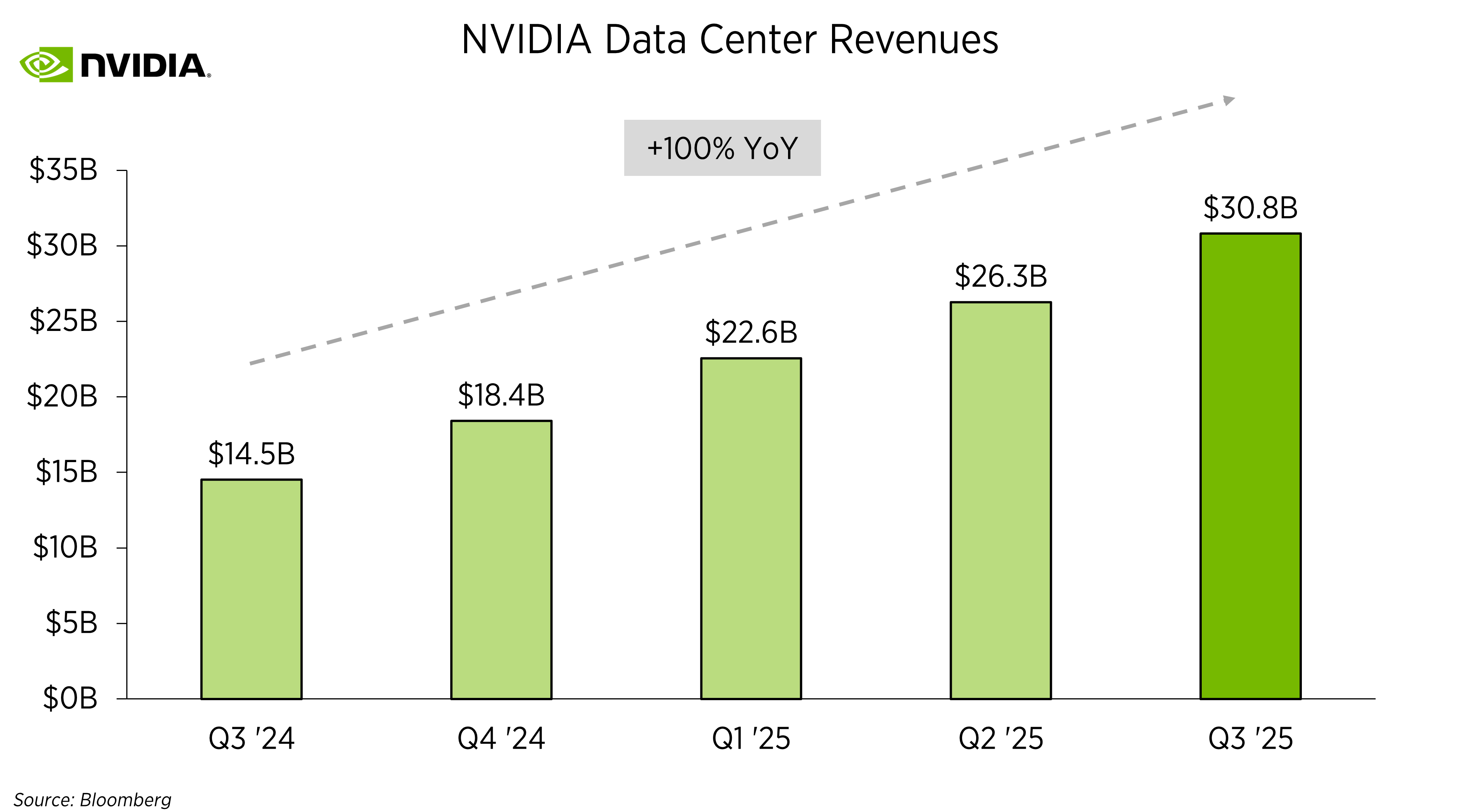
Data Center: This is often the most critical segment, indicating demand for AI and high-performance computing. Growth here is paramount.
-
Gaming: Reflects consumer demand for GPUs and the health of the PC gaming market.
-
Professional Visualization: Tracks sales of workstation GPUs for design and engineering.
-
Automotive: Monitors progress in autonomous driving platforms and in-vehicle AI.
-
-
Profitability Trends: Beyond gross margins, investors examine operating expenses, operating income, and net income margins to assess overall profitability and cost control.
-
Cash Flow: A robust free cash flow indicates the company’s ability to generate cash from operations, crucial for reinvestment, dividends, and share buybacks.
Guidance and Future Outlook
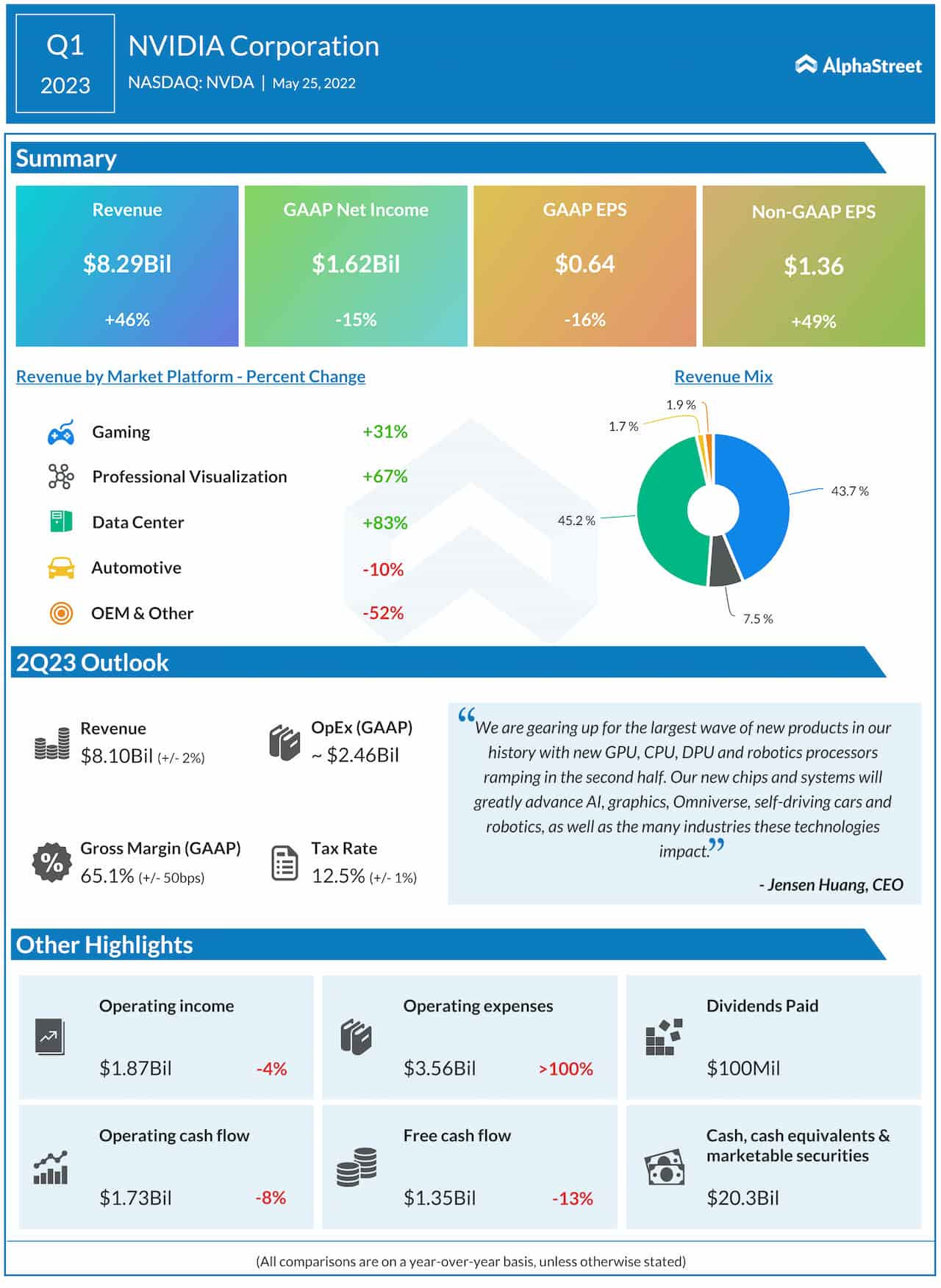
Management’s forward guidance is arguably as important, if not more important, than past performance.
-
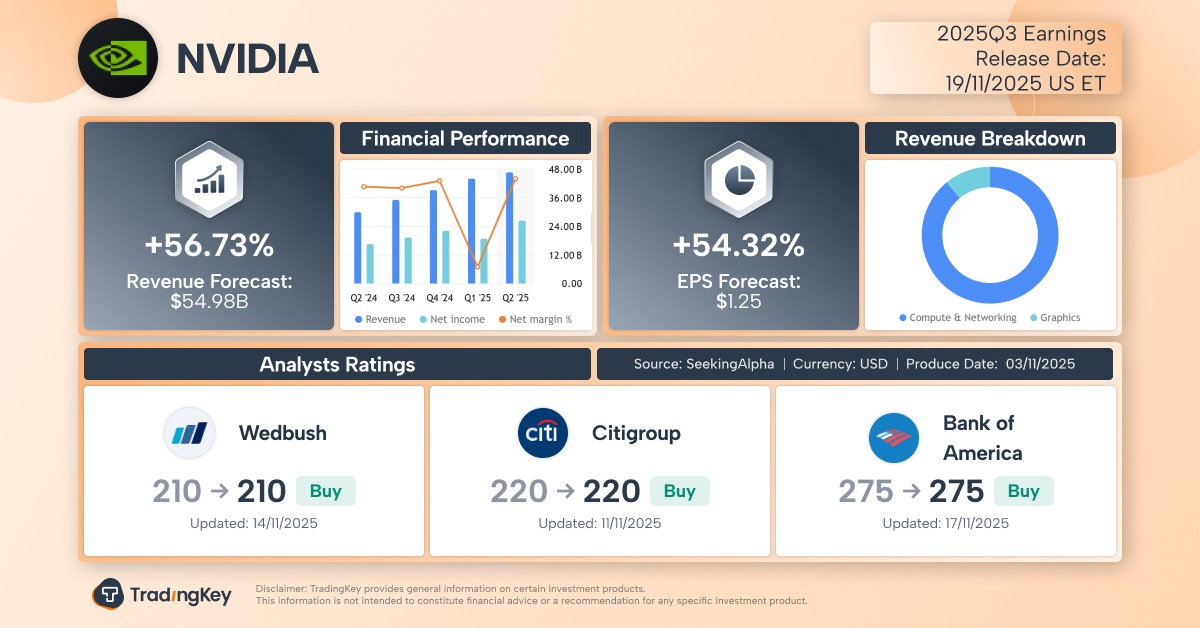
Revenue and EPS Outlook: What are the company’s projections for the upcoming quarter and potentially the full fiscal year? How do these compare to current analyst models?
-
Capital Expenditure Plans: Where does NVIDIA plan to invest its capital? This indicates strategic priorities, such as expanding manufacturing capacity, R&D, or acquiring new technologies.
-
Inventory Levels: For a semiconductor company, managing inventory is crucial. High or growing inventory could signal slowing demand, while lean inventory suggests strong sales.
-
Supply Chain Commentary: Given past disruptions, any commentary on supply chain health, chip availability, and manufacturing capacity is highly relevant.
Segment Performance (Data Center, Gaming, Professional Visualization, Automotive)
Each of NVIDIA’s core segments tells a different story about market conditions and the company’s strategic execution.
-
Data Center: Analysts specifically look for acceleration in AI chip shipments, adoption of new platforms (like Hopper or Blackwell), and design wins with major cloud providers and enterprises. Commentary on the AI ecosystem and demand trends is key.
-
Gaming: Investors gauge average selling prices (ASPs) of GPUs, the upgrade cycle for gamers, and the competitive landscape.
-
Automotive: Progress in design wins with car manufacturers, development of self-driving platforms, and revenue ramp-up in this long-cycle business are closely watched.
-
Software and Services: While hardware-centric, NVIDIA is increasingly emphasizing its software platforms (e.g., CUDA, NVIDIA AI Enterprise). Growth in software licensing or subscription revenue would be a positive sign of ecosystem lock-in.
AI and Market Trends Commentary
Given NVIDIA’s central role in AI, the management’s commentary on market trends, technological advancements, and competitive dynamics in the AI space is invaluable.
-
AI Demand Drivers: What does management see as the primary growth drivers for AI in the near and long term?
-
Competitive Landscape: How does NVIDIA view its competitive position against rivals (e.g., AMD, Intel, in-house chip development by cloud giants)?
-
New Product Pipelines: Hints about upcoming product launches or technological breakthroughs can generate significant excitement.
-
Geopolitical and Macroeconomic Factors: Any discussion of how global economic conditions, trade policies, or geopolitical tensions might impact NVIDIA’s business is also highly relevant.
Analyzing these details provides a nuanced understanding that goes beyond the surface-level numbers, allowing investors to make more informed assessments of NVIDIA’s long-term value.
The Impact of Earnings on NVDA Stock Price
The release of earnings reports is a high-stakes event that frequently leads to significant price movements in NVDA stock. This volatility presents both opportunities and risks for investors.
Pre-Earnings Volatility
Leading up to an earnings announcement, NVDA stock can often experience heightened volatility. This is driven by several factors:
-
Speculation: Investors and traders attempt to anticipate the results, leading to increased buying or selling pressure based on rumors, analyst revisions, and market sentiment.
-
Option Activity: The options market, particularly for short-term calls and puts, becomes very active. High implied volatility in options prices reflects the market’s expectation of a large post-earnings move.
-
Analyst Reports: Investment bank analysts often publish updated reports and price targets just before earnings, which can sway sentiment.
This period can be characterized by “whisper numbers”—unofficial, often higher, expectations circulating among traders that may differ from official analyst consensus estimates.
The Post-Earnings Reaction
The most dramatic price movements typically occur immediately after the earnings report is released, often outside of regular trading hours.
-
Immediate Reaction: The stock can gap up or down significantly at market open (or in after-hours trading) based on whether the results “beat” or “miss” expectations, particularly concerning EPS and revenue.
-
Guidance Impact: Often, the future guidance provided by management has a greater impact on the stock price than the historical results. A strong beat on past earnings can be negated by weak forward guidance, and vice-versa.
-
Conference Call Scrutiny: The subsequent investor conference call, where management discusses results and answers analyst questions, is also crucial. Any surprises or strong conviction (or lack thereof) from management during this call can further influence the stock’s direction.
-
Sector Contagion: Due to NVIDIA’s prominence, its earnings reaction can sometimes impact other semiconductor stocks or broader tech indices.
It’s important to remember that the market’s reaction isn’t solely based on the absolute numbers but on how those numbers compare to expectations and the overall narrative presented.
Long-Term vs. Short-Term Investor Perspectives
The impact of earnings varies significantly depending on an investor’s time horizon:
-
Short-Term Traders: These individuals may attempt to profit from the immediate post-earnings volatility, often using options or highly leveraged positions. This strategy carries substantial risk.
-
Long-Term Investors: While long-term investors pay attention to earnings, they typically view quarterly results as part of a larger trend. They focus more on the underlying business fundamentals, strategic direction, market share, and long-term growth prospects rather than day-to-day or week-to-week price fluctuations. For them, a temporary dip due to a minor miss might even be seen as a buying opportunity if the long-term thesis remains intact.
-
Fundamental Investors: These investors use earnings reports to update their valuation models, reassess the company’s competitive advantages, and confirm or adjust their investment thesis. They’re less concerned with short-term price swings and more with the trajectory of the business itself.
Understanding these different perspectives helps contextualize the market’s reaction to NVIDIA’s earnings and how one might approach investing around these events.
Strategic Considerations for Investing Around Earnings
Navigating earnings season, particularly for a high-profile stock like NVIDIA, requires a thoughtful strategy rooted in financial principles and risk management.
The “Buy the Rumor, Sell the News” Phenomenon
This common market adage suggests that a stock’s price may rise in anticipation of good news (the “rumor”) and then fall after the news is actually released, even if the news is positive (the “sell the news”). For NVIDIA, this often means that much of the optimism (or pessimism) gets “priced in” before the earnings report.
-
Implication: If the earnings report merely meets already high expectations, the stock might not rally further and could even decline as traders who bought on anticipation take profits. For a significant rally post-earnings, NVIDIA often needs to deliver a substantial “beat” on key metrics and provide exceptionally strong guidance.
-
Strategy: Investors should be wary of chasing a stock solely based on pre-earnings hype. A fundamental analysis of the company’s valuation and long-term prospects should always take precedence over short-term speculative movements.
Diversification and Risk Management
Investing solely based on earnings reports, especially for a single stock, concentrates risk.
-
Diversification: A well-diversified portfolio helps mitigate the impact of any single stock’s volatility. Even if NVIDIA has a disappointing quarter, its effect on a broader portfolio will be limited.
-
Position Sizing: Allocate a reasonable percentage of your portfolio to any single stock, regardless of its perceived potential. This prevents an outsized loss if an earnings report goes awry.
-
Hedging Strategies: More advanced investors might consider hedging strategies using options (e.g., buying protective puts) to limit downside risk around earnings, though these strategies come with their own costs and complexities.
-
Avoid Emotional Decisions: The intense emotional reactions that can accompany earnings volatility should be tempered by a disciplined, data-driven approach.
The Role of Fundamental Analysis Beyond Earnings
While earnings reports provide vital data points, they are just one piece of the puzzle for a comprehensive fundamental analysis.
-
Long-Term Trends: Analyze NVIDIA’s multi-year revenue growth, profit margins, and market share trends. Is the company consistently innovating and expanding its moat?
-
Competitive Landscape: Understand who NVIDIA’s competitors are, their strengths and weaknesses, and how the competitive environment is evolving.
-
Management Quality: Assess the leadership team’s vision, execution capabilities, and capital allocation decisions.
-
Technological Leadership: For a company like NVIDIA, sustained technological innovation is paramount. Keep abreast of its R&D investments and product roadmap.
-
Valuation: Even the best companies can be poor investments if purchased at too high a price. Use various valuation metrics (P/E ratio, EV/EBITDA, DCF) to determine if NVIDIA’s stock is trading at an attractive valuation relative to its growth prospects.
By combining timely knowledge of earnings releases with a robust framework for fundamental analysis, investors can make more informed and strategic decisions, allowing them to participate in NVIDIA’s growth story while managing inherent market risks. Tracking “when does NVDA release earnings” is therefore not an end in itself, but a crucial starting point for deeper financial inquiry and strategic planning.
aViewFromTheCave is a participant in the Amazon Services LLC Associates Program, an affiliate advertising program designed to provide a means for sites to earn advertising fees by advertising and linking to Amazon.com. Amazon, the Amazon logo, AmazonSupply, and the AmazonSupply logo are trademarks of Amazon.com, Inc. or its affiliates. As an Amazon Associate we earn affiliate commissions from qualifying purchases.