
Understanding the precise, real-time value of NVIDIA stock at any given moment is a fundamental question for countless investors, analysts, and tech enthusiasts. In today’s dynamic financial markets, stock prices are in constant flux, influenced by a myriad of factors ranging from company earnings and technological breakthroughs to global economic trends and geopolitical events. NVIDIA, a semiconductor giant at the forefront of artificial intelligence (AI), graphics processing, and high-performance computing, has become a bellwether for the tech sector and a significant player in many investment portfolios.
This article delves into the current landscape surrounding NVIDIA’s stock, not by providing a static price, which would be immediately outdated, but by equipping you with the understanding and tools to comprehend its valuation, the forces shaping its price, and what considerations are paramount for investors. We will explore NVIDIA’s market position, the key financial metrics that define its performance, and the broader economic and industry factors that continually sculpt its market capitalization. For anyone looking to invest in, or simply understand, one of the most impactful companies of our era, deciphering the “how much” goes far beyond a single number. It requires a holistic perspective on its innovation, market strategy, financial health, and the intricate dance of supply and demand in the global marketplace.

Understanding NVIDIA’s Market Position and Financial Performance
NVIDIA’s journey from a niche graphics card manufacturer to a foundational pillar of the AI revolution is a testament to its relentless innovation and strategic foresight. Its market position is not merely strong; it is transformative, underpinning much of the modern technological landscape.
A Titan in AI and Graphics Processing
At its core, NVIDIA designs and manufactures Graphics Processing Units (GPUs), but its impact extends far beyond rendering video games. Its GPUs are the engines driving the artificial intelligence boom, powering data centers, supercomputers, and research labs worldwide. From training complex neural networks to accelerating scientific simulations, NVIDIA’s technology is indispensable. This dominance in critical, high-growth sectors—AI, data centers, professional visualization, and automotive computing—gives it a formidable competitive moat. The company has skillfully leveraged its hardware prowess with a robust software ecosystem, including CUDA, its parallel computing platform, which further locks in its customer base and fosters an unparalleled development community. This synergistic approach ensures that as AI capabilities expand, so too does the demand for NVIDIA’s solutions, cementing its role as a critical enabler of the future digital economy.
Key Financial Metrics to Monitor
For investors, understanding NVIDIA’s financial health requires looking beyond headlines to a few critical metrics. These indicators provide a snapshot of its operational efficiency, profitability, and growth trajectory.
-
Revenue Growth: NVIDIA has consistently demonstrated robust revenue growth, especially in its data center segment, which has become its largest revenue driver. Analysts closely watch the year-over-year and quarter-over-quarter growth rates, as these indicate the company’s ability to capitalize on market opportunities and expand its sales.
-
Earnings Per Share (EPS): EPS represents a company’s profit allocated to each outstanding share of common stock. A growing EPS, particularly when beating analyst estimates, is a strong positive signal, reflecting increased profitability for shareholders. NVIDIA’s strong performance in this area often drives positive investor sentiment.
-
Price-to-Earnings (P/E) Ratio: This valuation metric compares a company’s current share price to its earnings per share. While NVIDIA typically trades at a high P/E ratio, indicative of its status as a high-growth stock, investors analyze this in context with its growth prospects. A high P/E implies that investors are willing to pay more for future earnings potential.
-
Market Capitalization: This is the total value of all a company’s outstanding shares. NVIDIA’s soaring market cap reflects its significant size and influence in the global economy, often placing it among the world’s most valuable companies.
Recent Earnings and Future Outlook
NVIDIA’s earnings reports are always highly anticipated events, often dictating the short-term direction of its stock price. When the company announces results that surpass analyst expectations, particularly in revenue and EPS, the stock typically reacts positively. Management’s guidance for future quarters also plays a crucial role; optimistic forecasts for revenue and profit, driven by sustained demand for AI accelerators and data center solutions, can significantly boost investor confidence. Conversely, any hint of slowdown or increased competition can lead to sharp corrections. Looking ahead, the insatiable demand for generative AI, the continuous expansion of cloud computing, and the growing adoption of AI in various industries position NVIDIA for continued strong performance, though the pace of growth and the ability to maintain market share against emerging competitors will remain key factors.
Factors Influencing NVIDIA’s Stock Price
NVIDIA’s stock price, like any publicly traded asset, is a complex interplay of internal company performance and external market forces. Understanding these factors is crucial for any potential or current investor.
Macroeconomic Conditions
The broader economic environment profoundly impacts even the most robust companies.
-
Interest Rates and Inflation: Higher interest rates can make borrowing more expensive for companies and reduce the appeal of growth stocks like NVIDIA, as future earnings are discounted more heavily. Persistent inflation can also erode purchasing power and potentially dampen demand for tech products.
-
Broad Market Sentiment: General investor sentiment towards the stock market, or specifically the technology sector, can create powerful trends. A “risk-on” environment, where investors are eager for growth, typically benefits NVIDIA, while a “risk-off” environment can lead to significant sell-offs, regardless of the company’s fundamentals.
-
Economic Growth: Strong global economic growth generally fuels corporate spending on technology and infrastructure, directly benefiting NVIDIA’s data center and enterprise segments. Conversely, economic slowdowns or recessions can curb demand.
Industry Trends and Competition
NVIDIA operates in a highly dynamic and competitive industry, where technological shifts and competitor moves are constant.
-
Demand for AI and Cloud Computing: The explosion of artificial intelligence, machine learning, and cloud computing services directly translates into demand for NVIDIA’s GPUs and associated technologies. Any acceleration or deceleration in these trends significantly impacts the company’s prospects.
-
Gaming Market Trends: While data centers now dominate revenue, the gaming segment remains important. New console cycles, popular game releases, and overall consumer spending on gaming hardware influence this part of NVIDIA’s business.
-
Competitive Landscape: Rivals like Advanced Micro Devices (AMD) and Intel are investing heavily in their own GPU and AI acceleration technologies. The emergence of custom silicon developed by major cloud providers (e.g., Google’s TPUs, Amazon’s Inferentia) also represents a competitive threat. NVIDIA’s ability to innovate and maintain its performance lead is critical.
Company-Specific News and Innovation
NVIDIA’s internal developments and strategic actions frequently move its stock.
-
New Product Launches: Announcements of next-generation GPUs (e.g., Hopper, Blackwell architectures), new AI platforms, or software innovations can create significant excitement and drive stock price appreciation.
-
Strategic Partnerships and Acquisitions: Collaborations with major tech companies or acquisitions that expand NVIDIA’s capabilities or market reach are often viewed positively.
-
Supply Chain Dynamics: Given the complexity of semiconductor manufacturing, any disruptions to NVIDIA’s supply chain—such as component shortages or geopolitical tensions affecting chip production hubs—can impact its ability to meet demand and, consequently, its financial performance.
-
Regulatory Scrutiny: As a dominant player, NVIDIA may face increased regulatory scrutiny regarding antitrust concerns or international trade policies, which could introduce uncertainty.
Analyst Ratings and Investor Sentiment
The collective opinion of financial analysts and the broader investment community often plays a significant role in short-to-medium term stock movements.
-
Analyst Upgrades/Downgrades: When reputable analysts upgrade their rating or price target for NVIDIA, it can signal increasing confidence and attract more buyers. Conversely, downgrades can lead to selling pressure.
-
Institutional Holdings: Changes in the positions of large institutional investors (e.g., mutual funds, hedge funds) can reflect broader market sentiment and trigger significant price shifts. High institutional ownership often suggests strong confidence in the company.
-
Social Media and News Cycle: In the age of instant information, trends and discussions on financial news outlets and social media platforms can sometimes amplify movements, whether based on fundamental changes or speculative sentiment.
Valuing NVIDIA Stock: Beyond the Sticker Price
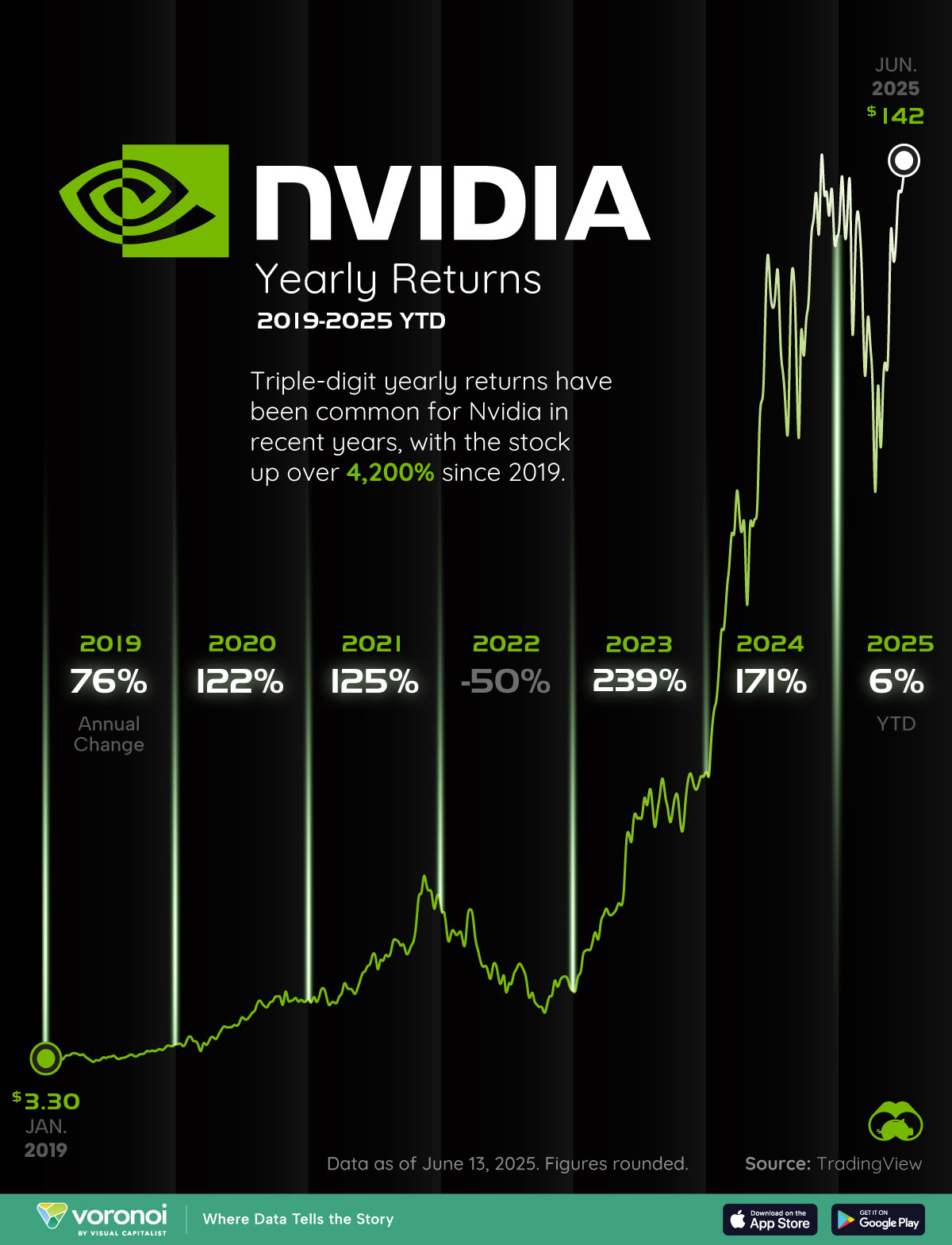
While the daily stock price is what most people see, a truly insightful investor understands that this “sticker price” is merely the result of a deeper valuation process. For a growth company like NVIDIA, valuation involves a forward-looking assessment of its potential.
Price-to-Earnings (P/E) Ratio
The P/E ratio is a fundamental valuation metric, but its interpretation is nuanced for a company like NVIDIA. It compares the current share price to the company’s earnings per share over the past year (trailing P/E) or projected earnings for the coming year (forward P/E).
-
Significance for Growth Stocks: NVIDIA often trades at a high P/E ratio, sometimes significantly above the market average. This is typical for growth stocks, as investors are willing to pay a premium today for expectations of much higher earnings in the future. A high P/E suggests strong investor confidence in the company’s ability to grow rapidly and consistently.
-
Comparison: Investors compare NVIDIA’s P/E to its historical average, its industry peers (e.g., AMD, Intel), and the broader market to determine if it is overvalued, undervalued, or fairly priced relative to its growth prospects. A P/E that is too high relative to its expected growth rate (as indicated by the PEG ratio – P/E divided by growth rate) might signal overvaluation.
Growth Prospects vs. Current Valuation
The central challenge in valuing NVIDIA lies in balancing its phenomenal growth prospects with its already substantial current valuation.
-
Justifying High Valuation: NVIDIA’s current market valuation often implies that the market expects continued exponential growth in AI, data centers, and other key segments. For investors, the question is whether NVIDIA can sustain its market leadership and innovation to justify these lofty expectations.
-
Future Growth Drivers: Key considerations include the long-term adoption rates of AI across industries, the expansion of cloud infrastructure, NVIDIA’s ability to fend off competition with new architectures, and its potential entry into new markets. If these growth drivers continue to accelerate, the current high valuation might prove to be reasonable in hindsight. Conversely, any slowdown in these areas could put pressure on the stock.
The Role of Future Cash Flows
Sophisticated investors and analysts often use Discounted Cash Flow (DCF) models to estimate the intrinsic value of a company like NVIDIA.
-
Projecting Future Earnings: DCF involves projecting NVIDIA’s future free cash flows (the cash a company generates after covering its operating expenses and capital expenditures) for many years into the future. These projections are heavily influenced by assumptions about revenue growth, profit margins, and capital investments.
-
Discounting to Present Value: These future cash flows are then “discounted” back to their present value using a discount rate, which reflects the riskiness of NVIDIA’s business and the investor’s required rate of return. The sum of these present values theoretically represents the company’s intrinsic value. If the current stock price is significantly below this calculated intrinsic value, the stock might be considered undervalued, and vice-versa. While complex, DCF analysis underscores that NVIDIA’s value is derived not from its past, but from its anticipated future financial performance.
Investing in NVIDIA: Considerations for Potential Investors
NVIDIA has been an incredibly rewarding investment for many, but like all investments, it comes with its own set of risks and considerations. A thoughtful approach is essential.
Volatility and Risk Factors
Despite its strong fundamentals and market leadership, NVIDIA’s stock can be highly volatile.
-
High Beta Stock: NVIDIA is considered a “high beta” stock, meaning its price tends to move more dramatically than the overall market. This can lead to significant gains during bull markets but also sharper declines during corrections or bear markets.
-
Technological Risk: While NVIDIA is an innovator, the rapid pace of technological change means that new disruptive technologies could emerge, or competitors could develop superior products.
-
Geopolitical and Supply Chain Risks: Tensions affecting international trade, particularly with key markets like China, or disruptions in the global semiconductor supply chain (e.g., due to natural disasters, pandemics, or geopolitical conflicts) can severely impact production and sales.
-
Valuation Risk: If the market’s high growth expectations are not met, or if there’s a broader market contraction for high-multiple stocks, NVIDIA’s valuation could be vulnerable to significant correction.
Long-Term vs. Short-Term Perspective
Investment in NVIDIA should align with an individual’s financial goals and risk tolerance.
-
Long-Term Growth Play: NVIDIA is widely considered a long-term growth stock. Investors typically buy into the company’s vision for AI, data centers, and other secular growth trends, holding shares for several years to allow the underlying business to expand and compound returns.
-
Short-Term Trading: While NVIDIA’s volatility can attract short-term traders, this strategy carries significantly higher risk and requires constant monitoring, technical analysis, and often, sophisticated trading tools. For most individual investors, focusing on the long-term thesis is generally more prudent.
Diversification and Portfolio Management
Even the strongest companies should not be the sole focus of an investment portfolio.
-
Avoid Over-Concentration: While NVIDIA might be a compelling investment, it’s crucial to avoid putting too much of your capital into a single stock. Over-concentration amplifies risk. If NVIDIA faces unexpected challenges, a significant portion of your portfolio could be adversely affected.
-
Balanced Portfolio: A well-diversified portfolio typically includes investments across various asset classes (stocks, bonds, real estate), different industries, and geographies. This helps mitigate risk by ensuring that a downturn in one area doesn’t derail your entire financial plan. NVIDIA can be a valuable component, but it should be part of a broader, carefully constructed portfolio that aligns with your financial objectives and risk tolerance.
How to Find the Current NVIDIA Stock Price
Given the constant fluctuations of the stock market, finding the real-time or near real-time price of NVIDIA stock is straightforward using a variety of accessible financial tools.
Reliable Financial Platforms
To get the most up-to-date information, you should use reputable financial data sources:
-
Google Finance/Yahoo Finance: These widely used platforms offer real-time (or slightly delayed) stock prices, interactive charts, financial news, and key metrics for NVIDIA (ticker symbol: NVDA).
-
Brokerage Platforms: If you have an investment account with a brokerage firm (e.g., Fidelity, Charles Schwab, Robinhood, eToro), their platforms typically provide direct, real-time access to stock prices and advanced trading tools.
-
Financial News Websites: Major financial news outlets like Bloomberg, Reuters, The Wall Street Journal, and CNBC also provide current stock quotes and market commentary.
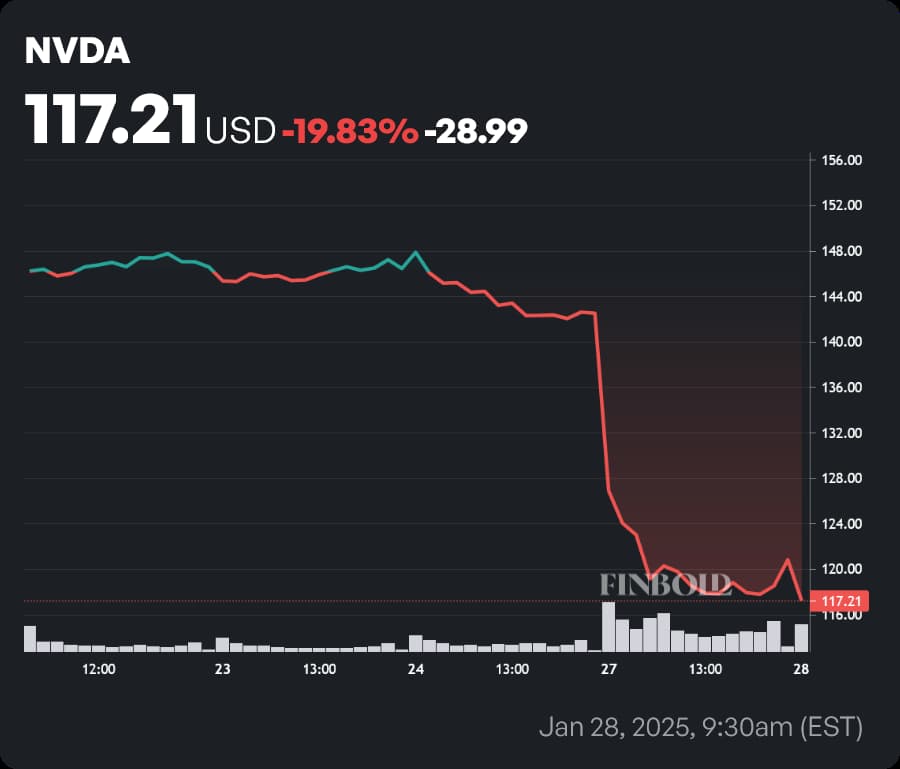
Understanding Real-Time vs. Delayed Data
It’s important to differentiate between real-time and slightly delayed data:
-
Real-Time Data: This reflects trades as they happen and is often available on brokerage platforms or premium financial services. It’s crucial for active traders making minute-by-minute decisions.
-
Delayed Data: Many free platforms provide data that is delayed by 15-20 minutes. For long-term investors, this slight delay usually has no material impact on investment decisions, as they are focused on fundamental trends rather than immediate price swings. Always check the timestamp next to the stock price to understand the recency of the data.
In conclusion, the question “how much is NVIDIA stock now?” is more than a simple numerical inquiry; it’s an invitation to understand the intricate dynamics of financial markets, the profound impact of technological innovation, and the disciplined approach required for informed investing. NVIDIA stands as a powerful testament to the value created by pioneering technology, driving monumental shifts in AI and computing. Its stock price reflects not only its current financial strength but also the market’s collective bet on its future dominance.
For investors, while the allure of NVIDIA’s historical returns is strong, future performance is never guaranteed. Prudent financial decision-making demands thorough research, a clear understanding of the company’s valuation against its growth prospects, a keen awareness of market and industry risks, and a commitment to diversification. Before making any investment decisions, consulting with a qualified financial advisor is always recommended to ensure alignment with your personal financial goals and risk tolerance. The journey of NVIDIA’s stock will undoubtedly continue to be a fascinating chronicle of innovation and market forces, making it a compelling, yet complex, component of the modern investment landscape.
aViewFromTheCave is a participant in the Amazon Services LLC Associates Program, an affiliate advertising program designed to provide a means for sites to earn advertising fees by advertising and linking to Amazon.com. Amazon, the Amazon logo, AmazonSupply, and the AmazonSupply logo are trademarks of Amazon.com, Inc. or its affiliates. As an Amazon Associate we earn affiliate commissions from qualifying purchases.