
When evaluating a significant discretionary expense like a vacation, the savvy consumer must look beyond the initial sticker price to understand the true return on investment (ROI). In the realm of personal finance and travel budgeting, Carnival Cruise Line has long positioned itself as the high-value option within the maritime industry. However, for a traveler to effectively manage their capital and avoid “budget creep,” a granular understanding of exactly what is included in the base fare is essential. This analysis breaks down the financial components of a Carnival cruise, allowing for a strategic assessment of how it fits into a comprehensive personal finance plan.
The Financial Case for the All-Inclusive Model
The primary appeal of a cruise from a personal finance perspective is the consolidation of expenses. On a traditional land-based vacation, a traveler must account for separate line items: lodging, inter-city transportation, individual meals, and entertainment. Each of these carries its own tax, service charge, and logistical cost. By contrast, the cruise model operates on a bundled-pricing strategy that offers significant economies of scale.
Analyzing the Cost-Per-Day Ratio
When you calculate the cost-per-day of a Carnival cruise, the financial efficiency becomes clear. For a standard seven-day Caribbean sailing, a base fare often ranges from $600 to $1,200 per person, depending on the cabin category. This breaks down to roughly $85 to $170 per day. Within this daily rate, the traveler receives a room, transport to multiple international destinations, and virtually unlimited food. In most major American cities, a mid-range hotel alone would exceed this daily expenditure, leaving zero budget for food or entertainment. From a budgeting standpoint, the cruise fare acts as a “fixed cost,” providing a predictable baseline for the traveler’s total expenditure.
The Psychology of Sunk Costs in Travel Planning
A significant advantage of the “included” model is the mitigation of decision fatigue and the financial stress associated with transactional spending. In behavioral economics, the “pain of paying” is a real phenomenon that can diminish the utility (enjoyment) of a purchase. Because the bulk of the cruise expenses are paid upfront—essentially becoming a “sunk cost” before the vacation begins—the traveler can enjoy the amenities without the psychological friction of constant price evaluation. This allows for a more disciplined adherence to a vacation budget, as the primary needs are already subsidized by the initial investment.
The Core Value Proposition: What Your Fare Covers
To maximize the ROI of your travel budget, you must utilize every inclusive feature. Carnival’s “Fun Ship” branding is supported by a robust list of amenities that are built into the base price, effectively serving as “value-added” components that would otherwise cost hundreds of dollars in a terrestrial setting.
Culinary Economics: Dining Inclusions
Food is often the most volatile variable in a vacation budget. Carnival mitigates this risk by including a vast array of dining options. The Main Dining Room (MDR) offers a multi-course, sit-down experience for breakfast and dinner, featuring rotating menus that include high-cost proteins like lobster, prime rib, and duck. From a value perspective, eating a three-course dinner in a comparable land-based restaurant would easily cost $50 to $70 per person.
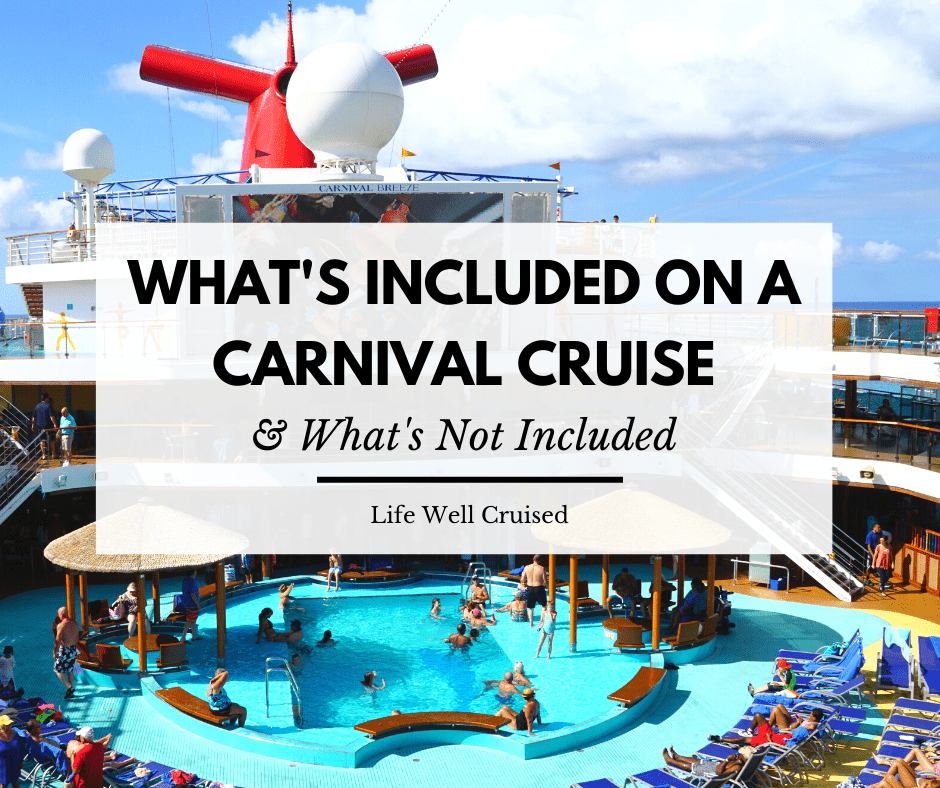
Beyond the formal dining, the Lido Market provides a high-volume buffet, while specialized outlets like Guy’s Burger Joint and BlueIguana Cantina offer premium-quality fast-casual dining at no extra charge. For the budget-conscious traveler, these inclusions mean that the food budget can essentially be set to zero for the duration of the trip, allowing for greater liquidity to be directed toward other financial goals or optional upgrades.
Entertainment ROI: Shows and Activities
The cost of entertainment is another area where the Carnival model provides significant financial leverage. A ticket to a Broadway-style production, a professional comedy set, or a live musical performance typically carries a high market price. On a Carnival ship, these are included. The Playlist Productions theater shows utilize high-end technology and professional talent, while the Punchliner Comedy Club offers multiple sets per night.
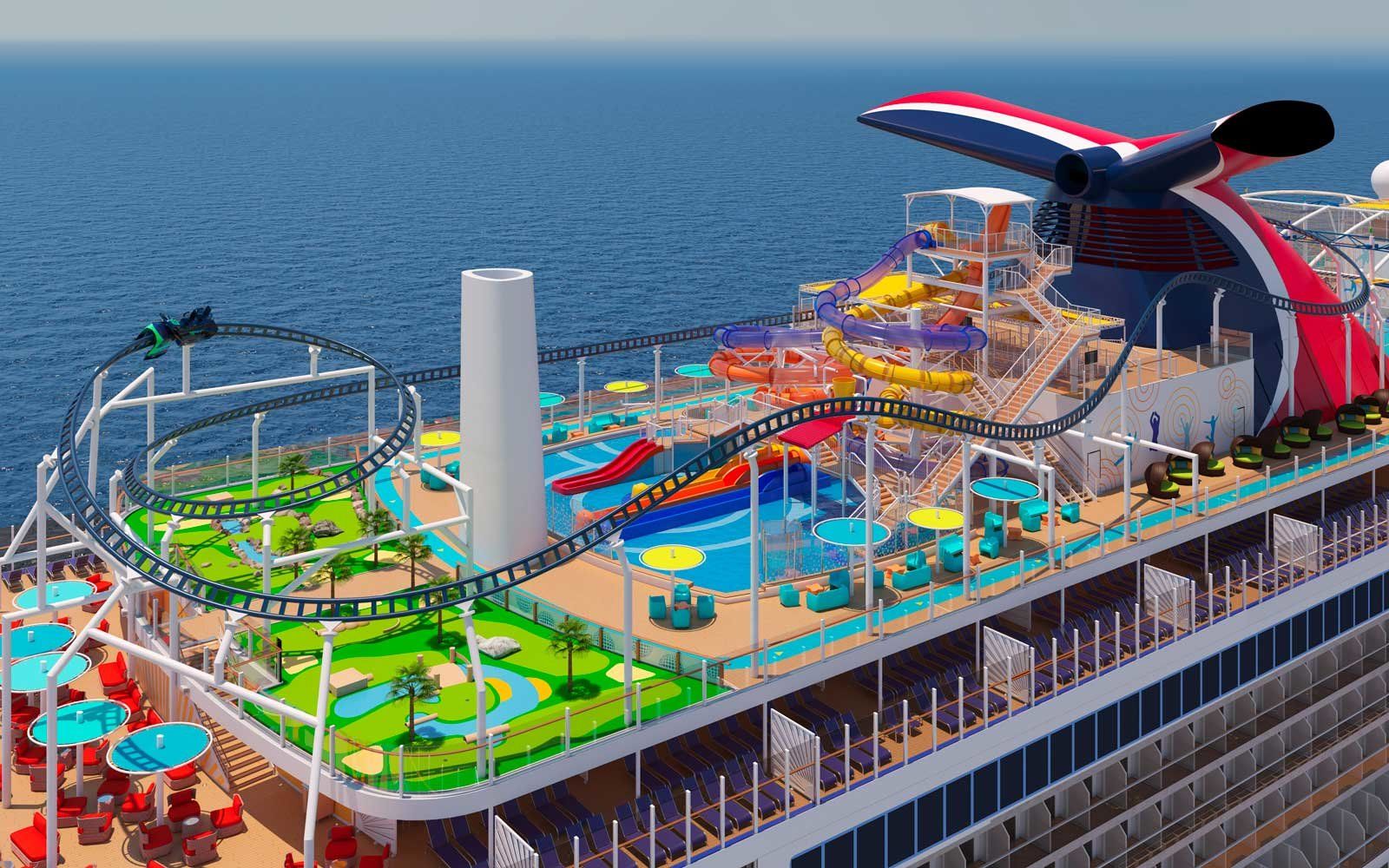
Furthermore, the “active” inclusions—such as the WaterWorks water parks, ropes courses, and SkyRide—provide recreational value that would cost a family of four significant sums at a land-based theme park. By viewing these amenities as part of the total package, the traveler is essentially “amortizing” the cost of their entertainment across the entire duration of the cruise.
Accommodations and Transportation Logistics
The base fare also covers the logistical cost of moving between diverse geographical locations. For example, a Western Caribbean itinerary might visit Mexico, Belize, and Honduras. To visit these three countries via traditional air travel would require multiple flights, customs fees, and airport transfers. The cruise ship serves as a floating hotel that eliminates these “friction costs,” both in terms of currency and time.
Calculating the Total Cost of Ownership: What Is Not Included
A sophisticated financial plan for a cruise must also account for “out-of-pocket” expenses. While the inclusions are extensive, the cruise industry relies on ancillary revenue to maintain its low base fares. Understanding these costs is crucial for maintaining a healthy travel balance sheet.
Gratuities and Service Fees
One of the most misunderstood aspects of cruise finance is the “daily gratuity.” Carnival adds a per-person, per-day charge to the passenger’s account to cover service staff. As of recent updates, this generally ranges from $16 to $18 depending on the suite level. While these can be adjusted, they are standard industry practice and should be factored into the “Total Cost of Ownership” (TCO) of the vacation. Budgeting for these upfront—or pre-paying them—is a sound financial strategy to avoid a large bill on the final morning of the sailing.
Beverage Packages vs. A La Carte Spending
Beverages represent a primary area where a traveler can either save or overspend. Carnival includes basic items: water, non-bottled juices, tea, and drip coffee. However, sodas, specialty coffees, and alcoholic beverages are extra. For a high-frequency consumer, the “CHEERS!” beverage program—a daily flat-rate package—can offer a predictable cost structure. However, from an investment standpoint, one must do the “break-even” math. If the daily cost of the package is $60, but the traveler only consumes $40 worth of drinks, the package represents a negative ROI. For many, paying a la carte is the more fiscally responsible choice.
Shore Excursions and Port Expenses
While the ship provides the transport to the destination, the activities on land are typically not included. Shore excursions can range from $50 to several hundred dollars. To optimize this expenditure, travelers should compare the prices of ship-sponsored excursions against independent local operators. While ship-sponsored tours offer “insurance” (the ship will wait if the tour is late), independent tours often provide a better value for the same experience. This is an area where market research can yield significant savings.
Strategic Financial Planning for Your Cruise Investment
To truly excel at the “Money” side of cruising, a traveler should employ advanced financial tactics to lower their effective cost.
Utilizing Financial Tools and Payment Plans
Carnival offers various methods to manage the cash flow of a vacation purchase. Their “Plan It” features or specialized credit cards can allow for interest-free payments over a set period. However, the most effective tool is the “Early Saver” rate, which allows for price protection. If the price of the cruise drops after you book, Carnival will often issue the difference as an Onboard Credit (OBC). This OBC acts as “internal currency” that can be used to offset the cost of gratuities or specialty dining, effectively lowering the net cost of the trip.
Leveraging Loyalty Programs and Shareholder Benefits
For long-term financial optimization, travelers should look at the “VIFP” (Very Important Fun Person) loyalty program. As guests accumulate days at sea, they unlock perks that have direct monetary value, such as free laundry services, priority boarding, and complimentary beverages.
Perhaps the most overlooked financial hack in cruising is the shareholder benefit. Investors who own at least 100 shares of Carnival Corporation (CCL) stock are eligible for onboard credit on every sailing. Depending on the length of the cruise, this can range from $50 to $250. Given the current market price of the stock, the dividend-like return provided by the onboard credit can represent a high percentage yield on the initial investment for frequent cruisers.
Timing Your Purchase for Maximum Discount
In any commodity market, timing is everything. The cruise industry follows a seasonal cycle known as “Wave Season” (January through March), where the majority of bookings are made and the best incentives are offered. Additionally, booking during the “shoulder season”—the period between peak summer and holiday travel—can result in base fares that are 30% to 50% lower than peak pricing. By applying basic supply-and-demand principles, the disciplined traveler can secure a premium experience at a deep discount.
By treating a Carnival cruise not just as a leisure activity, but as a structured financial expenditure, travelers can ensure they are receiving maximum value for every dollar spent. Understanding the deep list of inclusions while strategically managing the extras is the key to maintaining a robust personal finance profile while still enjoying the world’s most popular cruise destinations.
aViewFromTheCave is a participant in the Amazon Services LLC Associates Program, an affiliate advertising program designed to provide a means for sites to earn advertising fees by advertising and linking to Amazon.com. Amazon, the Amazon logo, AmazonSupply, and the AmazonSupply logo are trademarks of Amazon.com, Inc. or its affiliates. As an Amazon Associate we earn affiliate commissions from qualifying purchases.