
The question “how many ships does NCL have?” extends far beyond a simple numerical query; it delves into the very essence of Norwegian Cruise Line’s (NCL) brand identity, strategic positioning, market reach, and the experiential promise it delivers to millions of passengers worldwide. For any brand, particularly one in the capital-intensive and highly competitive cruise industry, its core assets—in this case, its fleet—are tangible manifestations of its vision, values, and competitive differentiation. NCL’s fleet size and composition are not merely operational details but critical components of its corporate identity, market strategy, and a direct reflection of its commitment to innovation, guest experience, and sustainable growth. Understanding the scale of NCL’s fleet is to understand the scope of its ambition and its enduring brand narrative in a dynamic global market.
The Core of NCL’s Brand Identity: A Fleet Overview
At the heart of NCL’s brand promise lies its impressive and diverse fleet. The number of ships a cruise line operates is a direct indicator of its capacity, market footprint, and its ability to offer a broad spectrum of itineraries and experiences. NCL has strategically built a fleet designed to appeal to various passenger segments, from first-time cruisers to seasoned travelers, always with its signature “Freestyle Cruising” ethos at the forefront.
The Current Fleet: Numbers and Names
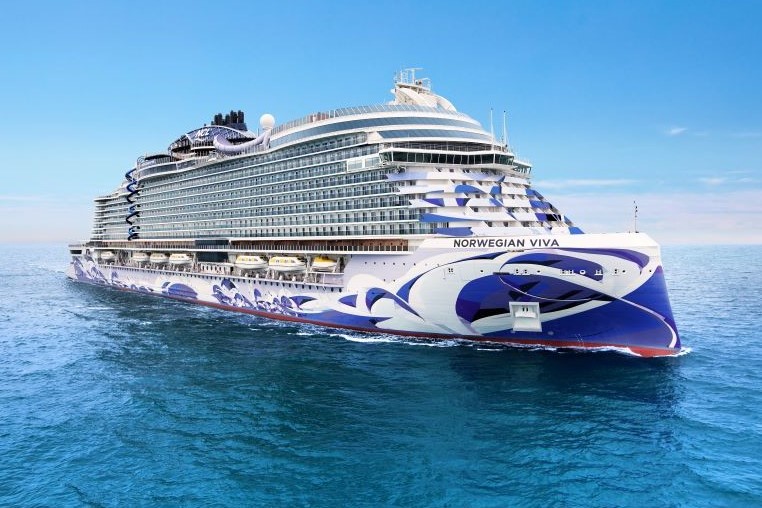
As of early 2024, Norwegian Cruise Line proudly operates a modern fleet of 19 ships. This substantial number positions NCL as one of the major players in the global cruise industry, capable of deploying vessels to a multitude of destinations across the world. Each ship, while adhering to the overarching NCL brand standards, possesses its own character, contributing to the diversity of the brand’s offerings. Iconic ships like the Norwegian Prima, Norwegian Viva, Norwegian Encore, Norwegian Bliss, and the venerable Norwegian Epic stand as flagships of their respective classes, showcasing NCL’s evolution in design, amenities, and guest experience. The consistent expansion and modernization of this fleet demonstrate NCL’s commitment to staying relevant and competitive, continually refreshing its brand image through tangible assets. The sheer volume of ships allows NCL to maintain a visible and consistent presence across key cruising regions, reinforcing brand recall and market dominance.
Fleet Diversity: Tailoring Experiences and Enhancing Brand Appeal
NCL’s brand strategy is deeply embedded in the diversity of its fleet. Not all ships are created equal, nor are all cruise passengers. By offering a range of vessel sizes and design philosophies, NCL successfully caters to a broader market, thereby strengthening its brand appeal. Smaller, more intimate ships might offer unique itineraries to less-traveled ports, appealing to explorers, while larger, amenity-rich vessels are designed for families and those seeking a resort-at-sea experience. This strategic segmentation ensures that the NCL brand, while having a unified core, is flexible enough to meet varied consumer desires. For example, the Breakaway-plus class ships like Norwegian Bliss and Norwegian Encore are renowned for their innovative features such as go-kart tracks and laser tag, directly appealing to a younger, active demographic. Conversely, ships like the Norwegian Spirit, after significant revitalization, offer a more classic, refined experience. This deliberate differentiation within the fleet allows NCL to project a versatile and inclusive brand image, capable of delivering tailored vacation experiences without diluting its overall brand identity.
The Role of Scale in Brand Perception
The sheer scale of NCL’s fleet plays a crucial role in shaping public perception and strengthening its brand. A large fleet signals stability, reliability, and market leadership. When consumers choose a cruise line, they are entrusting their vacation—and often significant financial investment—to that brand. A substantial fleet reassures potential customers of the brand’s established presence and operational capability. It projects an image of a well-resourced, enduring enterprise, fostering trust and confidence. Furthermore, a larger fleet enables NCL to offer a wider array of departure ports and destinations, making the brand more accessible and convenient for a broader base of customers globally. This expanded accessibility directly translates into higher brand awareness and preference, cementing NCL’s position as a dominant force in the global travel and leisure industry.
Navigating the Competitive Waters: NCL’s Fleet as a Strategic Brand Asset
In a highly competitive industry where major players constantly vie for market share, NCL’s fleet is arguably its most critical strategic asset. Each ship represents not just a vessel but a floating brand ambassador, carrying the NCL identity to every port it visits and every passenger it hosts. The strategic deployment and continuous evolution of this fleet are paramount to NCL’s sustained success and its ability to differentiate itself in a crowded marketplace.
Market Positioning Through Fleet Expansion
NCL’s consistent fleet expansion is a deliberate strategy to reinforce its market positioning. By regularly introducing new, state-of-the-art ships, NCL communicates its commitment to innovation and investment in the guest experience. This continuous renewal process ensures the brand remains modern, exciting, and desirable, fending off obsolescence that can plague brands relying on aging assets. New ships often bring with them cutting-edge technology, enhanced amenities, and updated design aesthetics that capture media attention and generate consumer excitement, effectively serving as powerful marketing tools. The launch of the Prima class, for instance, signaled a new era of luxury and space, allowing NCL to elevate its brand into a more premium segment, directly challenging competitors at the higher end of the market while retaining its “Freestyle” flexibility. This strategic expansion is about more than just adding capacity; it’s about aggressively asserting brand relevance and leadership.
Innovation and Design as Brand Differentiators
A cornerstone of NCL’s brand is its commitment to innovation, prominently showcased through its ship design and onboard offerings. The concept of “Freestyle Cruising,” which revolutionized the industry by removing traditional fixed dining times and formal dress codes, is intrinsically linked to the physical design of NCL’s ships. Multi-deck dining venues, diverse entertainment options, and flexible public spaces are all engineered to facilitate this brand promise. Features like The Waterfront, an outdoor promenade lined with restaurants and bars, or The Haven, an exclusive ship-within-a-ship luxury complex, are physical manifestations of NCL’s brand differentiation. These innovations are not merely gimmicks; they are carefully designed elements that reinforce the brand’s core values of freedom, flexibility, and personalized luxury. They serve as tangible proof points for NCL’s brand claims, setting it apart from competitors and cultivating a loyal customer base.
Geographic Reach and Brand Presence
The size and distribution of NCL’s fleet directly impact its global geographic reach and, consequently, its brand presence. With ships deployed across the Caribbean, Alaska, Europe, Asia, and other exotic destinations, NCL ensures its brand is visible and accessible to a worldwide audience. This extensive network not only maximizes revenue opportunities but also establishes NCL as a global brand, recognized and trusted across different cultures and markets. Each region presents unique opportunities and challenges, and NCL’s ability to allocate suitable ships to specific markets (e.g., ships with robust heating for Alaska, or more open-air designs for the Caribbean) demonstrates a nuanced understanding of its global consumer base, further strengthening its reputation as a thoughtful and adaptable brand. A strong global presence enhances brand equity, making NCL a household name in the minds of potential cruisers around the world.
Evolving the Brand: Future Fleet Development and Strategic Growth
The cruise industry is perpetually in motion, driven by consumer demand, technological advancements, and a growing emphasis on sustainability. NCL’s fleet strategy is not static; it is a dynamic process of continuous evolution, critical for maintaining brand relevance and achieving long-term strategic growth. Future fleet development is a direct investment in the NCL brand’s longevity and its ability to meet the demands of tomorrow’s traveler.
Upcoming Additions: Reinforcing Brand Vision

NCL’s commitment to future growth is evident in its order book, with several new ships planned for delivery in the coming years. These upcoming additions are more than just new vessels; they are deliberate steps to reinforce and expand the NCL brand vision. New ships often introduce enhanced technologies, updated design aesthetics, and entirely new concepts that reflect evolving consumer preferences and industry trends. For example, subsequent Prima class ships will likely build upon the successes and learnings of their predecessors, further refining the brand’s premium offering. Each new vessel is an opportunity to generate fresh excitement, attract new demographics, and demonstrate NCL’s leadership in maritime innovation, ensuring the brand remains at the forefront of the cruise industry. These investments signal confidence in the brand’s future and its ability to continue delivering exceptional value and experiences.
Sustainability and Brand Responsibility
In an era of increasing environmental consciousness, sustainability has become a critical pillar of brand responsibility. NCL’s fleet development strategy increasingly integrates eco-friendly technologies and practices, reflecting a strong commitment to environmental stewardship. From advanced wastewater treatment systems to shore power connectivity and energy-efficient hull designs, new NCL ships are engineered with a focus on minimizing their ecological footprint. The eventual transition to alternative fuels like LNG (Liquefied Natural Gas) for future vessels is a testament to this commitment. By visibly investing in sustainable cruising, NCL enhances its brand image as a responsible corporate citizen, appealing to a growing segment of environmentally conscious consumers. This focus on sustainability is not just about compliance; it’s about proactively shaping a positive brand narrative that aligns with global values and future-proofs the business.
Technology Integration for Enhanced Brand Experience
The integration of cutting-edge technology into its fleet is another key aspect of NCL’s brand evolution. From smart ship technologies that personalize the guest experience to seamless digital connectivity for passengers, NCL leverages technology to enhance comfort, convenience, and entertainment. Mobile apps for onboard navigation, booking excursions, and making reservations; interactive digital displays; and high-speed Wi-Fi all contribute to a modern, connected vacation experience. These technological advancements underscore NCL’s brand promise of innovation and premium service, making the cruise experience more intuitive and enjoyable. They are also crucial for operational efficiency, ensuring that the brand delivers consistent, high-quality service across its entire fleet, reinforcing customer loyalty and positive word-of-mouth.
The Passenger Experience: Fleet Design and Brand Promise Delivery
Ultimately, the number and design of NCL’s ships are meaningful only insofar as they deliver on the brand’s promise to its passengers. The intricate relationship between fleet design and the actual guest experience is where the NCL brand truly comes to life, translating corporate identity into memorable moments for millions of individuals.
Crafting the “Freestyle Cruising” Identity Through Ship Design
NCL’s “Freestyle Cruising” concept is not just a marketing slogan; it’s an operational philosophy deeply integrated into the physical design of its fleet. Unlike traditional cruise ships with their rigid schedules, NCL’s vessels are designed to maximize passenger freedom and flexibility. This is achieved through a proliferation of dining venues (often 10-20 different options), numerous bars and lounges, and a wide array of entertainment choices, all available at guests’ leisure. The open-plan public spaces, decentralized dining areas, and diverse activity zones are purposefully engineered to prevent bottlenecks and allow passengers to craft their own unique vacation experience. This design strategy directly supports the brand’s core promise of “no schedule, no stress, just freedom,” making the physical ship an extension of the brand’s core values.
Luxury Offerings and Premium Brand Segments
Within its diverse fleet, NCL also strategically caters to the premium segment through exclusive offerings like The Haven by Norwegian®. This “ship-within-a-ship” concept, available on many of its modern vessels, provides a private, luxurious enclave with dedicated suites, a private pool, sun deck, restaurant, and butler service. The Haven is a clear example of how NCL uses specific areas within its fleet to create distinct brand segments, offering a highly personalized and elevated experience without requiring passengers to book an entirely different cruise line. This allows NCL to broaden its brand appeal to luxury travelers while retaining its broader market base, showcasing its versatility and capacity to deliver premium experiences under the overarching NCL brand umbrella.
Consistency and Evolution: Maintaining Brand Standards Across the Fleet
A critical challenge for any brand with a large fleet is maintaining consistency while simultaneously allowing for innovation and evolution. NCL addresses this through rigorous brand standards for service, dining quality, entertainment, and cleanliness, applied uniformly across all ships. While newer ships introduce exciting features, the core NCL experience—friendly service, diverse culinary options, and a relaxed atmosphere—remains consistent. Furthermore, NCL regularly invests in fleet-wide revitalizations and enhancements for its older ships, ensuring that they continue to meet contemporary guest expectations and uphold the NCL brand standard. This ongoing investment guarantees that whether a passenger sails on the newest Prima class ship or a recently refurbished classic, they receive a recognizable and high-quality NCL experience, fostering brand loyalty and reinforcing the company’s reputation.
Measuring Brand Impact: Fleet Size and Market Influence
The sheer size of NCL’s fleet is not just an operational metric; it is a powerful indicator of its brand’s influence, market share, and overall economic impact. The number of ships directly correlates with the brand’s capacity to engage with consumers, generate revenue, and establish a dominant position in the global tourism landscape.
Capacity and Market Share
Each ship in NCL’s fleet represents a significant capacity for passengers, translating directly into market share. With 19 ships, NCL can accommodate millions of passengers annually, placing it among the largest cruise operators globally. This expansive capacity allows NCL to maintain a strong presence in key cruising regions, effectively capturing a substantial portion of the demand for sea-based vacations. High passenger capacity coupled with strategic deployment enables NCL to exert considerable influence over pricing, itineraries, and promotional activities, further solidifying its brand’s competitive edge. The ability to deploy multiple ships to popular destinations during peak seasons reinforces brand visibility and ensures NCL is top-of-mind for consumers planning a cruise.
Brand Equity and Asset Value
The fleet itself is a massive tangible asset that underpins NCL’s brand equity. Each ship, with its unique design, features, and operational history, contributes to the overall perception and value of the NCL brand. The continuous investment in building new ships and modernizing existing ones reflects a commitment to enhancing this asset value, which in turn strengthens brand equity. A modern, well-maintained fleet signals financial health, operational excellence, and a forward-looking vision, all of which are critical components of a strong brand. For investors and consumers alike, the fleet represents the substantial resources and enduring quality behind the NCL name.

Public Perception and Brand Reputation
Ultimately, the number and quality of NCL’s ships significantly shape its public perception and brand reputation. A large, diverse, and modern fleet contributes to an image of reliability, innovation, and leadership. Positive experiences on NCL ships generate word-of-mouth recommendations and positive reviews, which are invaluable for brand building in the digital age. Conversely, any issues related to fleet performance or maintenance can quickly impact reputation. NCL’s ongoing efforts to maintain a top-tier fleet are therefore not just operational necessities but strategic imperatives for safeguarding and enhancing its brand reputation as a premier provider of cruise vacations.
In conclusion, the question of “how many ships does NCL have?” opens a window into the multifaceted world of brand strategy in the cruise industry. With its 19 modern and diverse vessels, NCL doesn’t just operate a fleet; it leverages these ships as dynamic brand assets that embody its “Freestyle Cruising” philosophy, drive innovation, expand global reach, and ultimately deliver on its promise of an unforgettable vacation experience. Each ship is a testament to NCL’s strategic vision, its commitment to sustainability, and its relentless pursuit of excellence in a competitive market, ensuring the NCL brand continues to thrive on the world’s oceans.
aViewFromTheCave is a participant in the Amazon Services LLC Associates Program, an affiliate advertising program designed to provide a means for sites to earn advertising fees by advertising and linking to Amazon.com. Amazon, the Amazon logo, AmazonSupply, and the AmazonSupply logo are trademarks of Amazon.com, Inc. or its affiliates. As an Amazon Associate we earn affiliate commissions from qualifying purchases.