
To ask “where is Microsoft company located” might seem like a simple query with a straightforward answer. However, for a brand of Microsoft’s magnitude and global reach, the concept of “location” transcends a single address. It encompasses a multifaceted network of physical headquarters, strategic regional hubs, research and development centers, and even a pervasive virtual presence that collectively define its corporate identity, operational strategy, and brand perception across the globe. Understanding this intricate web of locations offers profound insights into how one of the world’s most influential technology companies builds, maintains, and evolves its brand.
Redmond, Washington: The Enduring Heart of Microsoft’s Identity
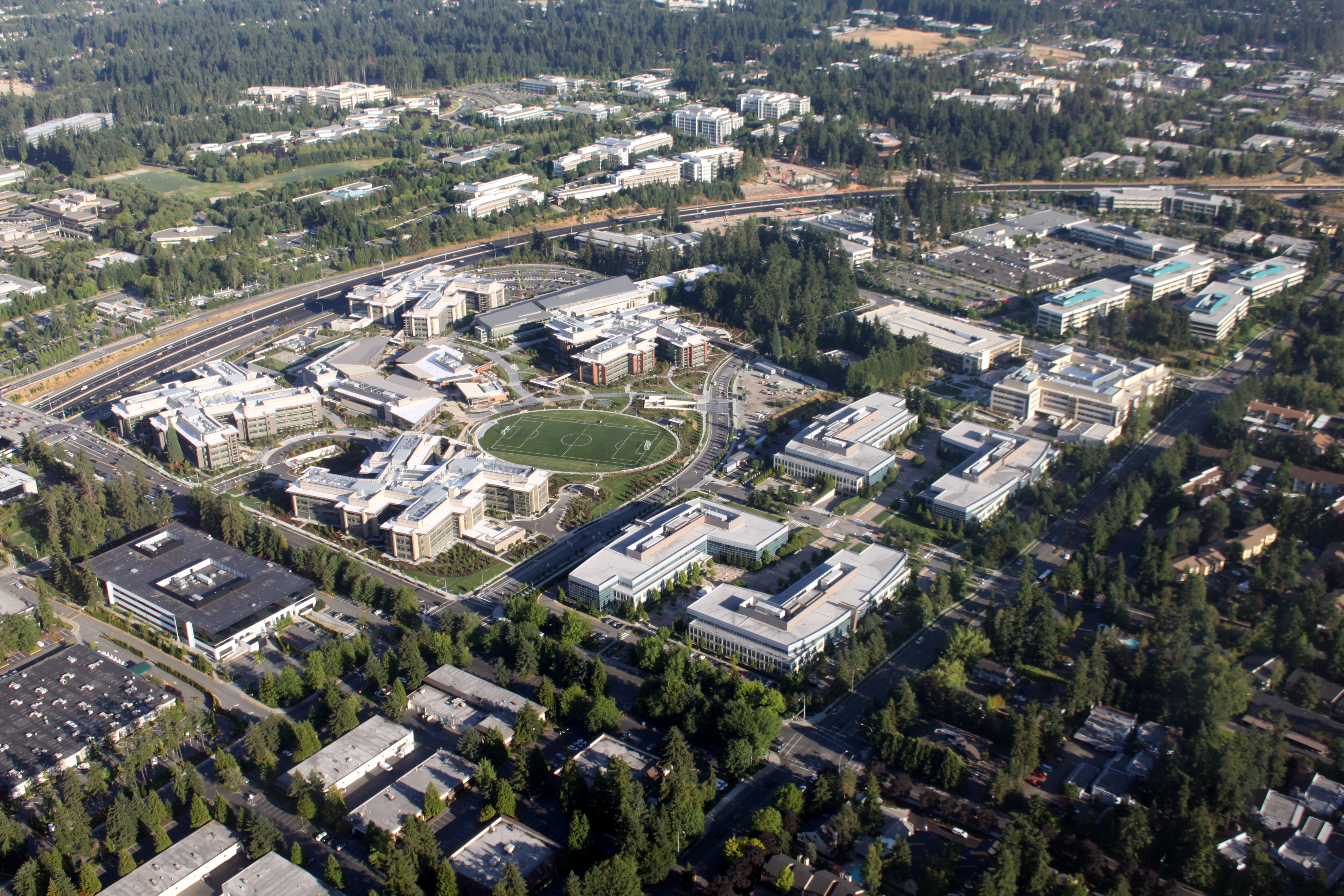
The definitive answer to where Microsoft is primarily located is Redmond, Washington, USA. This suburban city, just east of Seattle, has been synonymous with Microsoft for decades, serving as the company’s global headquarters and the epicenter of its vast operations. More than just a postal address, Redmond embodies the foundational spirit and enduring legacy of the Microsoft brand.
The Genesis of a Tech Giant
Microsoft’s journey began in Albuquerque, New Mexico, in 1975, co-founded by Bill Gates and Paul Allen. However, in 1979, the burgeoning company relocated to Bellevue, Washington, to be closer to skilled programmers and the growing Pacific Northwest tech scene. By 1986, with its IPO on the horizon and an exponential growth trajectory, Microsoft established its permanent global headquarters in Redmond. This move was strategic, allowing the company to consolidate its expanding operations into a sprawling campus that would become a beacon of technological innovation. The consistent presence in the Seattle metropolitan area, specifically Redmond, allowed Microsoft to tap into a rich talent pool and foster a unique corporate culture that values ingenuity, collaboration, and long-term vision. This historical continuity in one primary location has been instrumental in crafting a stable and recognizable brand image.
The Campus as a Corporate Icon
The Microsoft campus in Redmond is not merely a collection of office buildings; it is a meticulously designed ecosystem that reflects the company’s corporate identity and values. Spanning over 500 acres with more than 125 buildings, it houses thousands of employees across various divisions, from software development and hardware engineering to sales, marketing, and corporate leadership. The campus architecture, with its blend of modern design and natural landscapes, symbolizes Microsoft’s commitment to innovation while providing a conducive environment for creativity and collaboration. It features everything from advanced labs and testing facilities to sports fields, restaurants, and retail spaces, fostering a community atmosphere. This self-contained “city within a city” reinforces the idea of Microsoft as a holistic entity, deeply invested in its people and its mission, projecting an image of stability, scale, and self-sufficiency that resonates powerfully with its brand.
Impact on Brand Perception
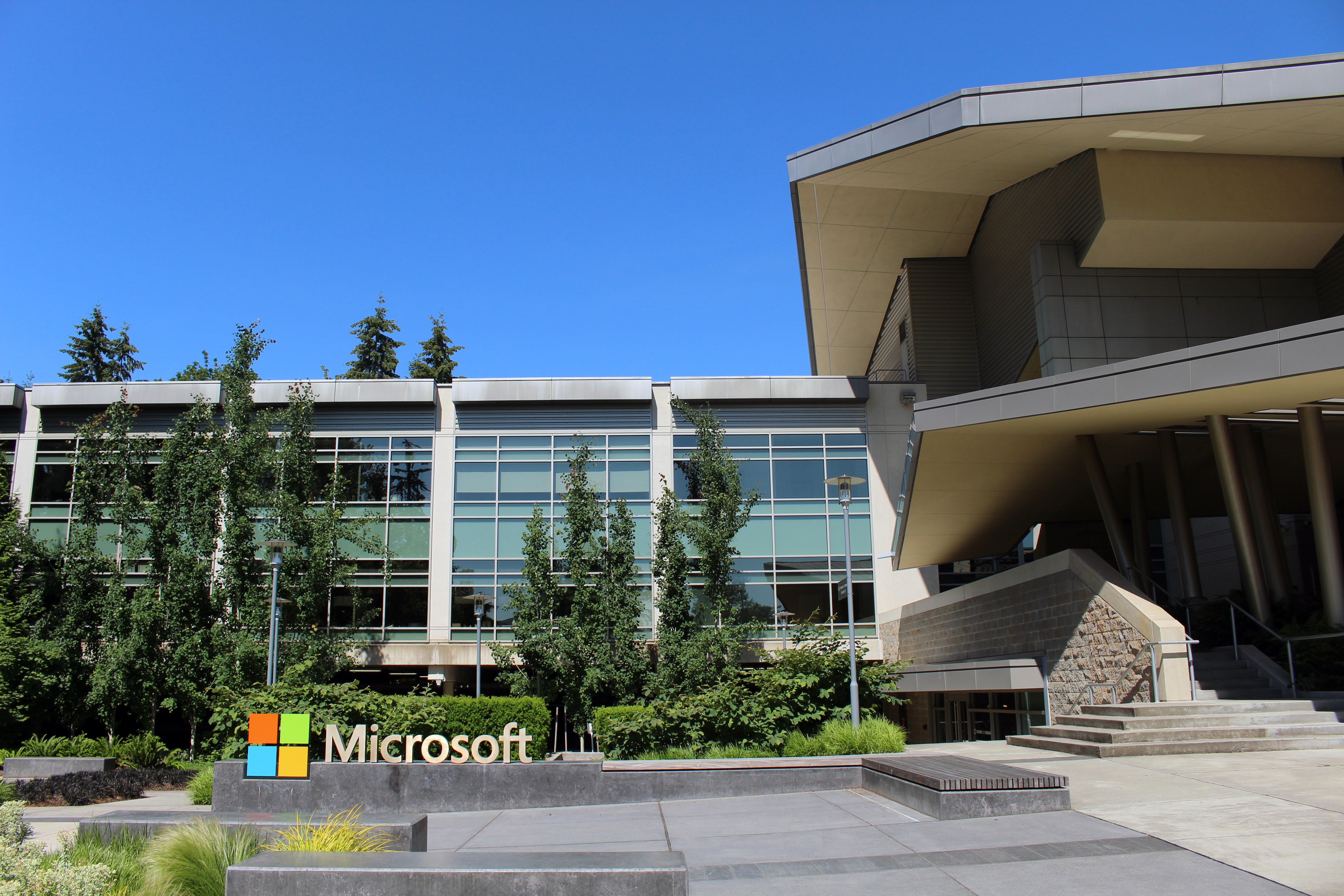
The Redmond headquarters plays a crucial role in shaping public and professional perception of the Microsoft brand. For potential employees, it represents a desirable destination for career growth and a hub of innovation. For partners and investors, it signifies stability, resources, and a centralized point of strategic decision-making. The image of the sprawling, advanced campus reinforces Microsoft’s brand attributes: technological leadership, vast resources, global impact, and a long-standing presence in the industry. It serves as a physical testament to the company’s success and its continuous pursuit of the future, anchoring its brand in a tangible, impressive reality. The iconic campus is often featured in corporate communications, recruitment videos, and media narratives, solidifying its place as a key visual element of the Microsoft brand.
Expanding Beyond Redmond: A Global Brand Footprint
While Redmond remains its spiritual and operational core, Microsoft’s brand identity is intrinsically linked to its expansive global presence. The company operates thousands of offices, data centers, and research facilities in over 100 countries, meticulously chosen to support its worldwide operations, localize its brand, and engage with diverse markets.
Strategic Regional Hubs
Beyond Redmond, Microsoft maintains significant regional headquarters and strategic hubs that manage operations across continents. These include major presences in Europe (e.g., Dublin, London, Paris, Munich), Asia-Pacific (e.g., Singapore, Sydney, Beijing, Hyderabad), Latin America (e.g., São Paulo, Mexico City), and Africa (e.g., Johannesburg, Lagos). These hubs are not just administrative centers; they are vital command posts that coordinate sales, marketing, support, and sometimes even product development tailored to regional needs. By decentralizing operations, Microsoft demonstrates its commitment to global markets, fostering a brand image that is both universally recognized and locally relevant. This distributed network allows the brand to be agile, responsive, and deeply embedded in various local economies and cultures.
Localizing the Global Brand
A truly global brand must speak to local audiences. Microsoft’s vast network of international offices enables it to localize its corporate identity, products, and services to resonate with diverse cultural contexts. For instance, marketing campaigns in Japan might emphasize different aspects of Microsoft Office than those in Germany, while customer support in Brazil operates in Portuguese with an understanding of local market dynamics. This localization effort, facilitated by a physical presence, is crucial for building trust, fostering loyalty, and ensuring that the Microsoft brand is perceived not just as an American giant but as a native player in each market it serves. It transforms a global corporate identity into a collection of relevant local identities, strengthening overall brand equity.
Research & Development Centers Worldwide
Innovation is a cornerstone of the Microsoft brand, and its R&D efforts are globalized. Beyond Redmond, significant research and development centers are located in places like Cambridge (UK), Herzliya (Israel), Hyderabad (India), Vancouver (Canada), and Beijing (China). These centers tap into diverse pools of scientific and engineering talent, fostering a global exchange of ideas and perspectives. This decentralized approach to innovation strengthens Microsoft’s brand image as a company at the forefront of global technological progress, drawing on the best minds from around the world to develop its next generation of products and services. Each of these locations contributes unique insights and capabilities, enriching the brand’s creative output and intellectual property.
The Virtual Presence: Microsoft’s Brand in the Digital Age
In the 21st century, the concept of “location” for a technology company extends beyond physical buildings. Microsoft’s brand is increasingly defined by its pervasive virtual presence, driven by its cloud infrastructure and its embrace of remote work, shaping how it interacts with customers and employees globally.
Cloud Infrastructure and Data Centers
The backbone of Microsoft’s modern brand, particularly its Azure cloud services, lies in its global network of data centers. These highly secure, energy-intensive facilities are strategically located around the world to provide low-latency services, ensure data residency compliance, and offer business continuity for millions of customers. While not public-facing “offices,” these invisible locations are critical to Microsoft’s brand promise of reliability, security, and global reach for its cloud offerings. Their presence reinforces Microsoft’s image as a foundational enabler of the digital economy, underpinning countless businesses and services worldwide. The scale and geographic distribution of these data centers are a testament to Microsoft’s ambition and capability in the cloud computing space, a key differentiator for its brand.
Digital Accessibility and Brand Reach
Microsoft’s brand has become synonymous with ubiquitous access to technology. Its software, services, and platforms are designed to be accessible from virtually anywhere, at any time, via the internet. This digital accessibility, powered by its global infrastructure, reinforces the brand’s core mission to empower every person and every organization on the planet to achieve more. The virtual location of its digital products – residing in the cloud, available via web browsers, and distributed through app stores – means that Microsoft’s brand reach is virtually limitless, unbound by physical borders. This seamless digital experience is a critical component of its brand appeal and customer loyalty.
The Future of the “Office”: Remote Work and Brand Adaptability
The recent shift towards remote and hybrid work models has further redefined Microsoft’s relationship with physical location. As a leading provider of productivity tools like Microsoft Teams, the company itself has adapted its operations, demonstrating flexibility and innovation in how work gets done. This adaptability not only serves as a case study for its customers but also enhances its brand image as a forward-thinking employer that values flexibility and employee well-being. The “office” is no longer a single building but a distributed network of virtual and physical spaces, and Microsoft’s brand is evolving to reflect this new reality, showcasing its ability to lead through change and redefine the future of work.
Location as a Pillar of Corporate Identity and Storytelling
Ultimately, the various locations where Microsoft operates are not just logistical necessities; they are integral to its corporate identity, its storytelling, and its ability to attract and retain talent globally.
The Microsoft Story: From Garage to Global Campus
The narrative of Microsoft’s growth, from a humble beginning to a sprawling global campus in Redmond and beyond, is a powerful element of its brand storytelling. It speaks to innovation, perseverance, and the realization of ambitious visions. This journey, often recounted in corporate histories and marketing materials, reinforces the brand’s legacy and its ongoing pursuit of pioneering technologies. The physical manifestation of this growth, from its first office to its current global footprint, provides a tangible testament to its enduring impact on the world.
Community Engagement and Social Responsibility
Microsoft’s physical presence in hundreds of communities worldwide allows it to engage in local corporate social responsibility (CSR) initiatives. Whether through philanthropic efforts, educational programs, or environmental sustainability projects, its local offices become points of connection and contribution. These community engagements enhance Microsoft’s brand reputation, demonstrating its commitment beyond purely commercial interests and portraying it as a responsible global citizen. Its investment in local communities reinforces a brand image that is ethical, empathetic, and committed to making a positive difference.

Attracting and Retaining Talent Globally
For a company built on intellectual capital, attracting and retaining top talent is paramount. Microsoft’s diverse array of physical locations, coupled with its flexible work policies, allows it to draw from a global talent pool. From the bustling tech hub of Redmond to specialized R&D centers in Europe and Asia, and the growing acceptance of remote work, Microsoft offers a wide range of environments for potential employees. This flexibility in “where” work can happen enhances its employer brand, making it an attractive prospect for a diverse and geographically dispersed workforce, which in turn fuels innovation and maintains its competitive edge.
Conclusion
To answer the question “where is Microsoft company located” requires more than just an address. It’s an exploration of a global phenomenon. While Redmond, Washington, serves as its iconic global headquarters and the symbolic heart of its brand, Microsoft’s identity is inextricably woven into a vast, strategically dispersed network of offices, R&D centers, and data facilities across more than a hundred countries. Furthermore, its pervasive virtual presence, enabled by its cloud infrastructure and embraced by its modern work philosophy, redefines the very essence of “location” in the digital age. This intricate global footprint is not merely operational; it is a fundamental pillar of Microsoft’s corporate identity, its brand narrative, its market reach, and its ability to continually innovate and empower the world. The story of where Microsoft is located is, in essence, the story of its brand – everywhere, influencing everything, and continuously evolving.
aViewFromTheCave is a participant in the Amazon Services LLC Associates Program, an affiliate advertising program designed to provide a means for sites to earn advertising fees by advertising and linking to Amazon.com. Amazon, the Amazon logo, AmazonSupply, and the AmazonSupply logo are trademarks of Amazon.com, Inc. or its affiliates. As an Amazon Associate we earn affiliate commissions from qualifying purchases.