
Navigating the complexities of higher education finance can often feel like a daunting task, yet understanding your financial aid status is a critical step towards securing your academic future. Financial aid plays a pivotal role for millions of students, bridging the gap between the cost of tuition, housing, and other educational expenses and what families can realistically afford. From federal grants and state scholarships to institutional awards and student loans, the landscape of financial assistance is vast. However, securing these funds is only the first hurdle; diligently tracking their status is paramount to ensuring everything is in order before the semester begins.
This comprehensive guide will demystify the process of checking your financial aid status, providing actionable steps, insights into common pitfalls, and strategies to ensure you remain informed and prepared. By taking a proactive approach, you can alleviate much of the stress associated with funding your education, allowing you to focus on what truly matters: your studies.
Understanding the Financial Aid Lifecycle
Before diving into how to check your financial aid status, it’s crucial to grasp the fundamental stages of the financial aid lifecycle. This understanding provides context for the information you’ll be seeking and helps you anticipate various outcomes.
Application Submission: The Starting Line
The journey begins with the submission of your financial aid applications. For most U.S. students, this primarily involves the Free Application for Federal Student Aid (FAFSA). The FAFSA is the gateway to federal grants, work-study programs, and federal student loans. Some private colleges and universities may also require the CSS Profile, which gathers more detailed financial information. Additionally, state-specific aid applications and institutional scholarship applications might be part of your submission portfolio. It’s vital to complete these applications accurately and by their respective deadlines, as errors or delays can significantly impact your aid eligibility and timing. Each submitted application typically generates a confirmation, which serves as your initial proof of application and often includes a tracking number or ID.
Processing and Review: Behind the Scenes
Once your applications are submitted, they enter a processing and review phase. For the FAFSA, the Department of Education processes your information, calculates your Expected Family Contribution (EFC) (soon to be replaced by the Student Aid Index, SAI), and sends this data to the colleges you’ve listed. Institutions then use this information, along with any other application data (like the CSS Profile or institutional forms), to determine your eligibility for various aid programs. During this stage, your application might be selected for “verification,” a process where the financial aid office requires additional documentation (e.g., tax transcripts, W-2s) to confirm the accuracy of the information provided. While verification can delay your award, it’s a standard procedure designed to ensure fairness and accuracy. Colleges also evaluate your academic eligibility and enrollment status, which are critical factors in determining the final aid package.
Award Notification: The Outcome
The culmination of the processing and review phase is the financial aid award letter. This official document, typically sent by your chosen college or university, outlines the specific types and amounts of financial aid you’ve been offered. It details grants, scholarships, federal work-study, and various federal student loan options. The award letter also breaks down the estimated Cost of Attendance (COA) for the academic year, allowing you to compare the total aid offered against the total cost. It’s important to carefully review this letter, understand all the terms and conditions, and respond by the stated deadline, indicating whether you accept or decline each component of the aid package. This letter is your most critical piece of financial aid information, summarizing all the decisions made regarding your eligibility.
Primary Methods for Checking Your Status
With an understanding of the financial aid lifecycle, let’s explore the practical methods for tracking your status at each stage. Leveraging these tools and strategies will empower you to stay informed and address any issues promptly.
The Federal Student Aid (FSA) Website
For federal financial aid, the primary resource is the Federal Student Aid (FSA) website, studentaid.gov. This portal is your central hub for all things related to federal student aid, from FAFSA submission to loan management.
To check your FAFSA status:
-
Log In: Go to studentaid.gov and log in using your FSA ID (the username and password you created to sign the FAFSA).
-
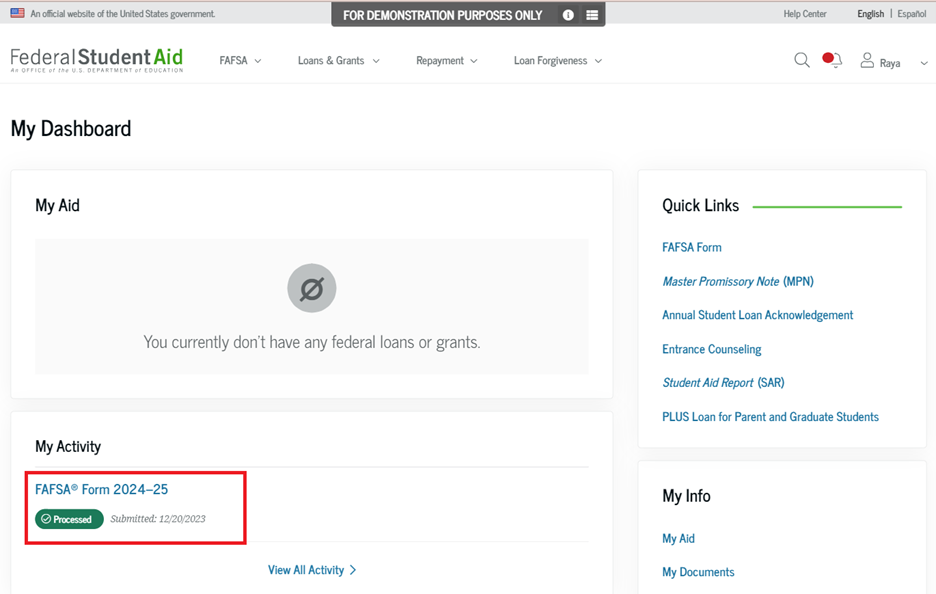
Access FAFSA Status: Once logged in, navigate to the “My FAFSA” section or a similar area that displays your application history. Here, you can view the status of your submitted FAFSA. Common statuses include “Processed Successfully,” “In Review,” “Correction Needed,” or “Action Required.”
-
View SAR: You can also access your Student Aid Report (SAR), which is a summary of the information you provided on your FAFSA. Reviewing your SAR is crucial for verifying accuracy and identifying any data that needs correction. Your EFC/SAI will also be listed here.
-
Loan History: Beyond FAFSA status, the FSA website also provides a comprehensive history of your federal student loans (once disbursed), including loan servicers, outstanding balances, and repayment options.
College/University Financial Aid Portals
Most colleges and universities utilize secure online portals where students can manage various aspects of their enrollment, including financial aid. These institutional portals are often the most detailed and up-to-date source for your specific aid package.
To check your institutional aid status:
-
Access Portal: After applying and being admitted, you’ll typically receive login credentials for the university’s student portal (e.g., a “myUniversity” or “student dashboard”).
-
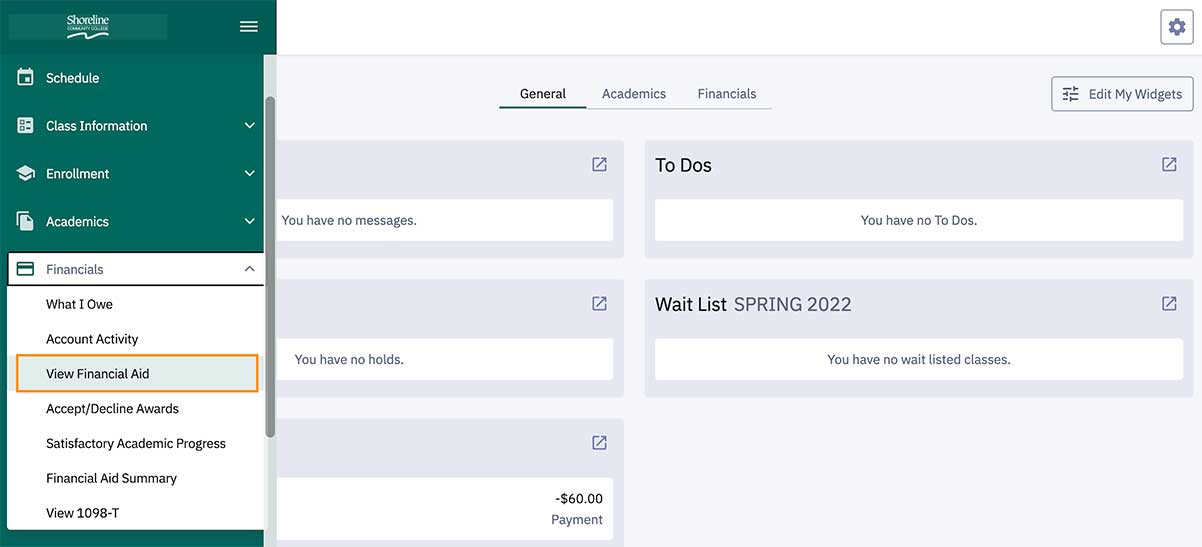
Navigate to Financial Aid: Within the portal, look for a section dedicated to “Financial Aid,” “Student Account,” or “Billing.”
-
View Award Letter and Requirements: Here, you’ll usually find your official financial aid award letter, a list of any outstanding documents required for verification, your tuition bill, disbursement dates for your aid, and options to accept or decline aid components.
-
Contact Information: The portal often includes direct contact information for your assigned financial aid counselor, making it easy to reach out with specific questions.
State Grant Agencies and External Scholarship Providers
If you’ve applied for state-specific grants or external scholarships, you may need to check their statuses separately.
-
State Agencies: Many states have their own student aid commissions or departments. Visit your state’s higher education website to find information on state grant programs and how to check their status. You may need to create a separate account or log in directly to their portal.
-
Scholarship Providers: For external scholarships (e.g., from community organizations, private foundations), the status update process varies widely. It often involves checking the provider’s website, responding to emails, or awaiting a direct notification. Maintain careful records of all scholarships applied for, including contact information and expected notification timelines.
Direct Communication with Financial Aid Offices
While online portals offer convenience, sometimes the most effective way to check your status or resolve an issue is through direct communication.
-
Phone Calls: Calling the financial aid office can provide immediate answers to specific questions or clarify ambiguous statuses. Be prepared with your student ID number and any relevant tracking numbers.
-
Email Inquiries: For less urgent matters or to have a written record of communication, email can be a good option. Clearly state your question and include all necessary identifying information.
-
In-Person Visits: If possible, visiting the financial aid office in person can be invaluable, especially for complex issues or when you need to submit physical documents. Schedule an appointment if necessary. Always maintain a professional demeanor and be persistent but polite.
Decoding Your Financial Aid Award Letter
The financial aid award letter is the cornerstone of your financial aid package. Understanding its components is critical to making informed decisions about your college funding.
Grants and Scholarships: The Gift Aid
These are the most desirable forms of financial aid because they do not need to be repaid.
-
Grants: Typically need-based, awarded by federal or state governments (e.g., Pell Grant) or institutions.
-
Scholarships: Can be need-based or merit-based, awarded by institutions, private organizations, or the government based on academics, talent, background, or specific criteria.
Understanding the conditions of each grant or scholarship (e.g., minimum GPA requirements) is essential for continued eligibility.
Federal Student Loans: Borrowed Funds
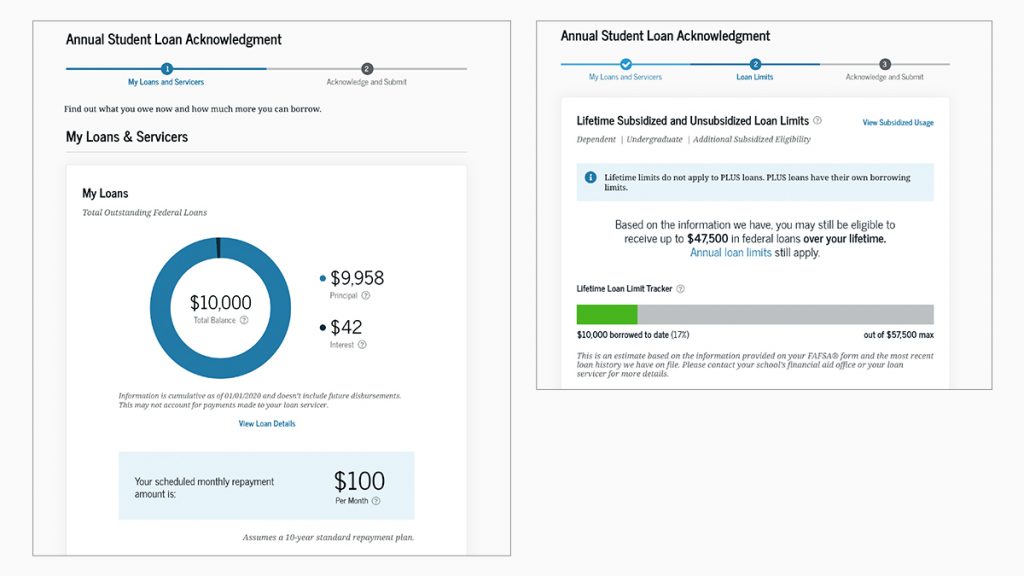
Loans are funds you must repay, often with interest. Federal student loans typically offer more favorable terms than private loans.
-
Subsidized Loans: Need-based; the government pays the interest while you’re in school at least half-time and during grace periods/deferment.
-
Unsubsidized Loans: Not need-based; interest accrues from the time the loan is disbursed, even while you’re in school.
-
PLUS Loans: For graduate students or parents of dependent undergraduates; require a credit check.
The award letter will specify the type and amount of each loan. You have the right to accept all, some, or none of the offered loan amounts. It’s wise to borrow only what you truly need.
Work-Study Programs: Earn While You Learn
Federal Work-Study (FWS) allows students to earn money to help pay for educational expenses through part-time jobs, usually on campus or with non-profit organizations.
-
How it Works: The award letter indicates the maximum amount you can earn through FWS. You must secure a work-study job and work the hours to earn the funds; the money isn’t simply credited to your account.
-
Benefits: FWS provides valuable work experience and can reduce the need for loans.
Net Price vs. Sticker Price: Your True Cost
The award letter helps you calculate your “net price”—the actual cost you (or your family) will pay after grants and scholarships are deducted from the college’s sticker price (Cost of Attendance).
-
Cost of Attendance (COA): This includes tuition, fees, room and board, books, supplies, transportation, and personal expenses. It’s an estimated budget, not just the billable costs.
-
Calculating Net Price: COA – (Grants + Scholarships) = Net Price. This is the amount you’ll need to cover through savings, current income, or student loans.
Accepting or Declining Aid: Making Your Choice
Your award letter will typically provide instructions on how to accept or decline the various components of your financial aid package. This often involves logging into your college’s financial aid portal and making selections. Pay close attention to any deadlines for accepting aid, as missing them could result in forfeiture. It’s often strategic to accept grants and scholarships first, then evaluate the necessity of loans and work-study based on your net cost and budget.
Common Issues and How to Resolve Them
Even with careful planning, issues can arise when checking your financial aid status. Knowing how to identify and resolve these common problems can prevent significant delays.
Missing Documents or Verification Holds
One of the most frequent reasons for a financial aid hold or delay is missing documentation or being selected for verification.
-
Action Required: Your college’s financial aid portal will typically list all required documents. The FSA website may also indicate if your FAFSA is selected for verification.
-
Resolution: Promptly submit all requested documents. This may include tax transcripts, W-2 forms, verification worksheets, or other proofs of income/assets. Follow the instructions precisely and keep copies of everything you submit. If you’re unsure what’s needed, contact the financial aid office.
Changes in Financial Circumstances
Life happens, and sometimes your financial situation changes significantly after you’ve submitted your FAFSA or CSS Profile (e.g., job loss, medical expenses, divorce).
-
Professional Judgment: Financial aid administrators have the authority to use “professional judgment” to adjust your aid package based on special circumstances.
-
Appeal Process: Contact your college’s financial aid office to inquire about their appeal process. You’ll typically need to submit a letter explaining your situation and provide supporting documentation (e.g., termination letters, medical bills, legal documents). Be thorough and provide clear evidence.
Delayed Disbursements
Financial aid isn’t always credited to your student account the moment classes start. Disbursement dates are often tied to specific academic milestones.
-
Understanding Timelines: Check your award letter or college’s financial aid website for specific disbursement schedules. Federal aid often disburses after the add/drop period to confirm enrollment.
-
Addressing Delays: If aid is significantly delayed beyond the published dates, first check your portal for any outstanding requirements. If none, contact the financial aid office. They can provide an update and explain any processing hold-ups. Plan your personal finances accordingly to cover initial expenses if aid won’t be immediately available.
Understanding Different Status Messages
The language used in financial aid portals can sometimes be confusing.
-
“Complete” / “Processed Successfully”: Usually means your application has been received and processed without immediate issues. It doesn’t necessarily mean aid has been awarded.
-
“In Review” / “Pending”: Your application is being evaluated by the financial aid office. This is a normal stage.
-
“Awarded” / “Offer Made”: Your financial aid package has been determined, and an award letter is available or has been sent.
-
“Action Required” / “Missing Documents”: You need to take a specific step (e.g., submit documents, make corrections to your FAFSA).
-
“Denied” / “Ineligible”: You did not qualify for aid. If you believe this is an error or have special circumstances, inquire about an appeal.
Always refer to the accompanying text for specific instructions or explanations related to each status.
Proactive Strategies for Managing Your Aid
Effective financial aid management goes beyond just checking your status; it involves adopting proactive strategies throughout your academic journey.
Regular Monitoring and Deadlines
Make checking your financial aid status a routine habit. This includes reviewing your FSA account, university portal, and email frequently. Financial aid offices often communicate critical updates, requests for information, or changes to deadlines via email. Missing a deadline for submitting a document or accepting an award can have significant consequences. Create a calendar with all relevant deadlines for applications, document submissions, and award acceptances.
Meticulous Document Organization
The financial aid process generates a lot of paperwork. Keep an organized system for all financial aid-related documents, both digital and physical. This includes:
-
Copies of all submitted applications (FAFSA, CSS Profile, institutional forms).
-
All correspondence with financial aid offices (emails, letters).
-
Award letters from all institutions.
-
Documentation submitted for verification or appeals (tax forms, W-2s, medical bills).
-
Records of loan disbursements and loan servicer information.
This organized approach will save you considerable time and stress if you need to refer back to information or appeal a decision.
Financial Literacy Beyond Aid
While financial aid helps cover costs, understanding broader personal finance principles is crucial for long-term success.
-
Budgeting: Learn to create and stick to a budget that accounts for your aid, out-of-pocket expenses, and personal spending.
-
Debt Management: If you take out student loans, understand the terms, interest rates, and future repayment obligations. Only borrow what is absolutely necessary.
-
Understanding Your Bill: Differentiate between “aid disbursed” and “aid applied to your bill.” Sometimes there’s a refund if aid exceeds billable charges, which you’ll need to manage responsibly.
-
Exploring Other Resources: Continuously search for additional scholarships and grants throughout your college career, as circumstances and opportunities evolve.
Conclusion
Checking your financial aid status is not merely a formality; it’s a critical component of successful college planning and personal financial management. By understanding the lifecycle of financial aid, actively utilizing available online resources, maintaining open communication with financial aid offices, and adopting proactive organizational habits, you empower yourself to navigate the process with confidence. Your educational journey is an investment, and diligently monitoring your financial aid ensures that investment is supported and secured, allowing you to focus on achieving your academic and career aspirations without undue financial stress. Be informed, be proactive, and take control of your financial future.
aViewFromTheCave is a participant in the Amazon Services LLC Associates Program, an affiliate advertising program designed to provide a means for sites to earn advertising fees by advertising and linking to Amazon.com. Amazon, the Amazon logo, AmazonSupply, and the AmazonSupply logo are trademarks of Amazon.com, Inc. or its affiliates. As an Amazon Associate we earn affiliate commissions from qualifying purchases.