
Navigating the complexities of student debt is a cornerstone of modern personal finance management. For millions of graduates and current students, student loans represent one of the most significant financial obligations they will ever undertake. However, the fragmented nature of the lending industry—divided between federal programs and private institutions—often leaves borrowers feeling overwhelmed and uncertain about where their debt actually resides. Understanding how to check your student loans is the first essential step toward achieving financial literacy and long-term solvency.
Staying informed about your loan balance, interest rates, and servicer details is not merely a clerical task; it is a strategic necessity. Mismanagement can lead to missed payments, damaged credit scores, and lost opportunities for forgiveness or subsidies. This guide provides a detailed roadmap for identifying every dollar you owe, understanding the terms of your debt, and leveraging that information to build a robust financial future.
Navigating the Federal Student Aid Landscape
The vast majority of student loans in the United States are federal loans, funded by the U.S. Department of Education. Because these loans are centralized under a single governmental umbrella, they are generally easier to track than private loans, provided you know where to look.
Accessing the StudentAid.gov Dashboard
The primary portal for all federal student debt is StudentAid.gov. To access your information, you will need your FSA ID (Federal Student Aid ID), which consists of a username and password. If you haven’t logged in since graduation, you may need to recover your credentials through the site’s “Forgot My Username” or “Forgot My Password” tools.
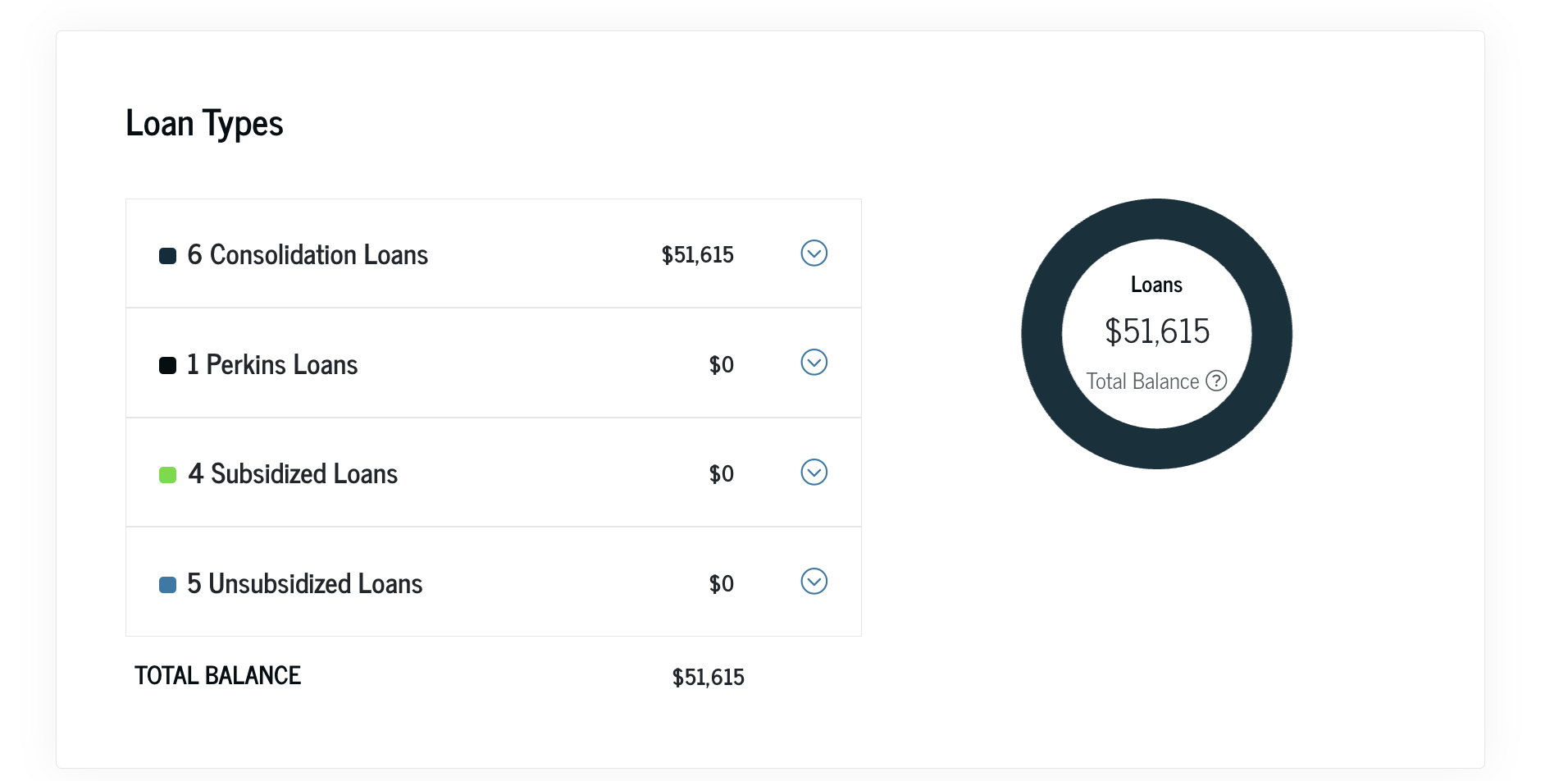
Once logged in, the dashboard offers a high-level summary of your total outstanding balance, including both principal and accrued interest. It also categorizes your loans by type—such as Direct Subsidized, Direct Unsubsidized, or Parent PLUS loans. This distinction is critical, as subsidized loans do not accrue interest while you are in school at least half-time, whereas unsubsidized loans begin accruing interest from the moment of disbursement.
Identifying Your Loan Servicer
While the federal government funds these loans, it does not typically manage the day-to-day billing and customer service. Instead, it assigns loans to private companies known as “loan servicers.” Your StudentAid.gov dashboard will list the specific servicer assigned to each of your loans (e.g., MOHELA, Nelnet, EdFinancial).
It is vital to create a separate account on your servicer’s website. The servicer is where you will make payments, apply for deferment or forbearance, and change your repayment plan. If you see multiple servicers listed, it means your debt is split, and you will need to manage communications with each entity independently unless you choose to consolidate.
Reviewing Your Loan History and Status
Beyond the current balance, the federal portal allows you to view your “Loan Aid Details.” This includes the date the loan was originated, the current status (such as “In Repayment,” “Grace Period,” or “Deferred”), and the cumulative interest. Tracking this history is essential for those pursuing the Public Service Loan Forgiveness (PSLF) program, as you can verify how many qualifying payments have been recorded toward your 120-payment goal.
Tracking Down Private Student Loans
Private student loans are issued by banks, credit unions, and online lenders rather than the federal government. Because there is no centralized database for private debt, identifying these loans requires a more investigative approach.
Utilizing Your Credit Report
The most effective way to identify every private student loan in your name is to pull your credit report. Lenders report your account status, balance, and payment history to the three major credit bureaus: Equifax, Experian, and TransUnion.
Under federal law, you are entitled to a free credit report from each of these bureaus once a year via AnnualCreditReport.com. When reviewing your report, look under the “Account Information” or “Trade Lines” section. You will see names like Sallie Mae, SoFi, Discover, or local banks. The report will provide the original loan amount, the current balance, and the contact information for the lender. This is the most foolproof method to ensure no “zombie” loans are lingering in the background, accruing interest and potentially damaging your credit.
Contacting Your School’s Financial Aid Office
If you are unsure whether you took out private loans, your alma mater’s financial aid office can be a valuable resource. They maintain records of all financial aid disbursed to your student account, including private “certification” requests from external lenders. While they may not have the current balance (since that changes with interest and payments), they can provide the names of the lenders that sent funds to the school on your behalf.
Checking Personal Financial Records
Often, the simplest way to find a private lender is to search your own digital footprint. Search your email inbox for keywords like “student loan,” “promissory note,” or “disbursement notice.” Additionally, review your bank statements from your time in college or shortly after graduation. Look for recurring withdrawals or large deposits that coincide with the start of a semester, as these are often markers of private loan activity.
Analyzing the Nuances of Your Loan Portfolio
Simply knowing the balance is not enough. To manage your money effectively, you must understand the underlying mechanics of each loan. This requires a deep dive into the specific terms associated with your debt.
Understanding Interest Rates and Accrual Methods
Not all interest is created equal. You must identify whether each loan has a fixed or variable interest rate. Federal loans issued after 2006 generally have fixed rates, meaning your payment remains predictable. Private loans, however, often have variable rates tied to benchmarks like the Prime Rate or SOFR (Secured Overnight Financing Rate). If interest rates rise globally, your private loan payments could increase significantly.
Furthermore, pay attention to “capitalized interest.” This occurs when unpaid interest is added to your principal balance, effectively causing you to pay interest on your interest. This usually happens at the end of a grace period or after a period of forbearance. Knowing when your interest capitalizes allows you to make strategic “interest-only” payments to keep the principal from ballooning.
Differentiating Between Loan Types
The “type” of loan dictates your legal rights and repayment options.
-
Subsidized Federal Loans: The government pays the interest while you are in school.
-
Unsubsidized Federal Loans: You are responsible for all interest.
-
PLUS Loans: Higher interest rates, often taken out by parents or graduate students.
-
Private Loans: These lack the flexible repayment and forgiveness options of federal loans but may offer lower rates for those with excellent credit.
Categorizing your debt into these buckets allows you to prioritize payments. Generally, you should focus on paying off private loans or high-interest unsubsidized federal loans first—a strategy known as the “avalanche method.”
Leveraging Financial Tools for Long-Term Management
Once you have identified and analyzed your loans, the final step is to integrate this data into a comprehensive financial plan. Using technology and strategic financial tools can turn a mountain of debt into a manageable monthly line item.
Using Repayment Simulators
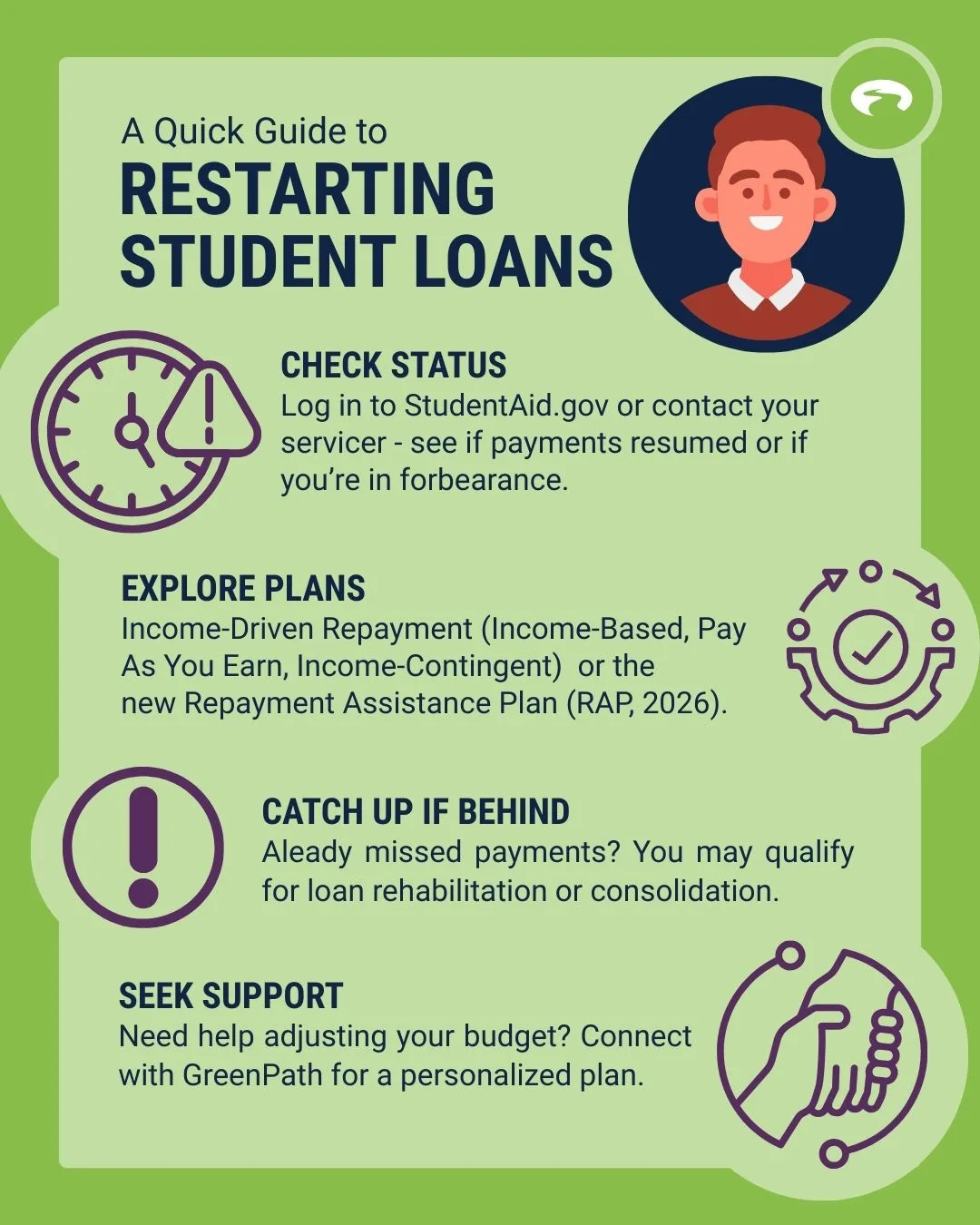
The Department of Education offers a “Loan Simulator” tool that allows you to model different repayment scenarios. By plugging in your specific loan data, you can see how your monthly payment would change under an Income-Driven Repayment (IDR) plan versus a Standard 10-year plan.
For many, IDR plans like SAVE (Saving on a Valuable Education) can drastically reduce monthly obligations based on discretionary income. Seeing the long-term impact of these plans—including the total interest paid over the life of the loan—is vital for making an informed decision about your monthly budget.
Aggregating Debt in Personal Finance Apps
To maintain a “live” view of your student loans, consider using personal finance aggregators. These tools link to your bank accounts and loan servicers to provide a real-time snapshot of your net worth. Seeing your student loan balance decrease alongside your savings growth provides psychological momentum. It also ensures that you are alerted immediately if a payment is missed or if a balance fluctuates unexpectedly.
Evaluating Consolidation and Refinancing
As you check your loans, you may find that you are managing five or six different payments each month.
-
Federal Loan Consolidation: This combines multiple federal loans into one, resulting in a single monthly payment and a weighted average interest rate. This does not usually save you money on interest, but it simplifies the process and can make you eligible for certain forgiveness programs.
-
Private Loan Refinancing: This involves taking out a new loan with a private lender to pay off your old ones. If your credit score has improved since you were a student, you might secure a much lower interest rate. However, be cautious: refinancing federal loans into private ones means you permanently lose access to federal protections like IDR plans and PSLF.
Conclusion: The Power of Financial Awareness
Checking your student loans is not a one-time event but a recurring ritual in a healthy financial life. By masterfully navigating StudentAid.gov, scrutinizing your credit reports, and understanding the fine print of interest accrual, you transition from a passive debtor to an active manager of your wealth.
In the landscape of personal finance, information is the most valuable currency. When you know exactly what you owe, to whom you owe it, and under what terms, you gain the power to make strategic moves—whether that is accelerating your path to being debt-free or optimizing your cash flow to invest in other areas of your life. Start by logging in today; the clarity you gain will be the foundation upon which your future financial success is built.
aViewFromTheCave is a participant in the Amazon Services LLC Associates Program, an affiliate advertising program designed to provide a means for sites to earn advertising fees by advertising and linking to Amazon.com. Amazon, the Amazon logo, AmazonSupply, and the AmazonSupply logo are trademarks of Amazon.com, Inc. or its affiliates. As an Amazon Associate we earn affiliate commissions from qualifying purchases.