
Navigating the landscape of higher education often involves a complex web of financial commitments. For many, student loans are the first major encounter with significant debt, and the sheer volume of information can be overwhelming. Whether you are nearing graduation or have been in the workforce for years, knowing exactly where you stand with your student loans is the cornerstone of financial health. Understanding your total balance, interest rates, and loan types is not just about awareness; it is the first step toward strategic repayment, credit score protection, and long-term financial freedom.
The student loan ecosystem is divided primarily into two sectors: federal and private. Because these categories are managed by different entities and governed by different regulations, the process of checking them requires a bifurcated approach. This guide provides a detailed roadmap for locating every dollar you owe, understanding the mechanics of your debt, and leveraging that information to make informed financial decisions.
Identifying and Accessing Your Federal Student Loans
Federal student loans are funded by the U.S. Department of Education and are generally considered more flexible than private loans due to government-mandated repayment options and forgiveness programs. However, because the government uses various third-party “servicers” to manage these loans, it is easy to lose track of who you actually owe.
The Central Role of StudentAid.gov
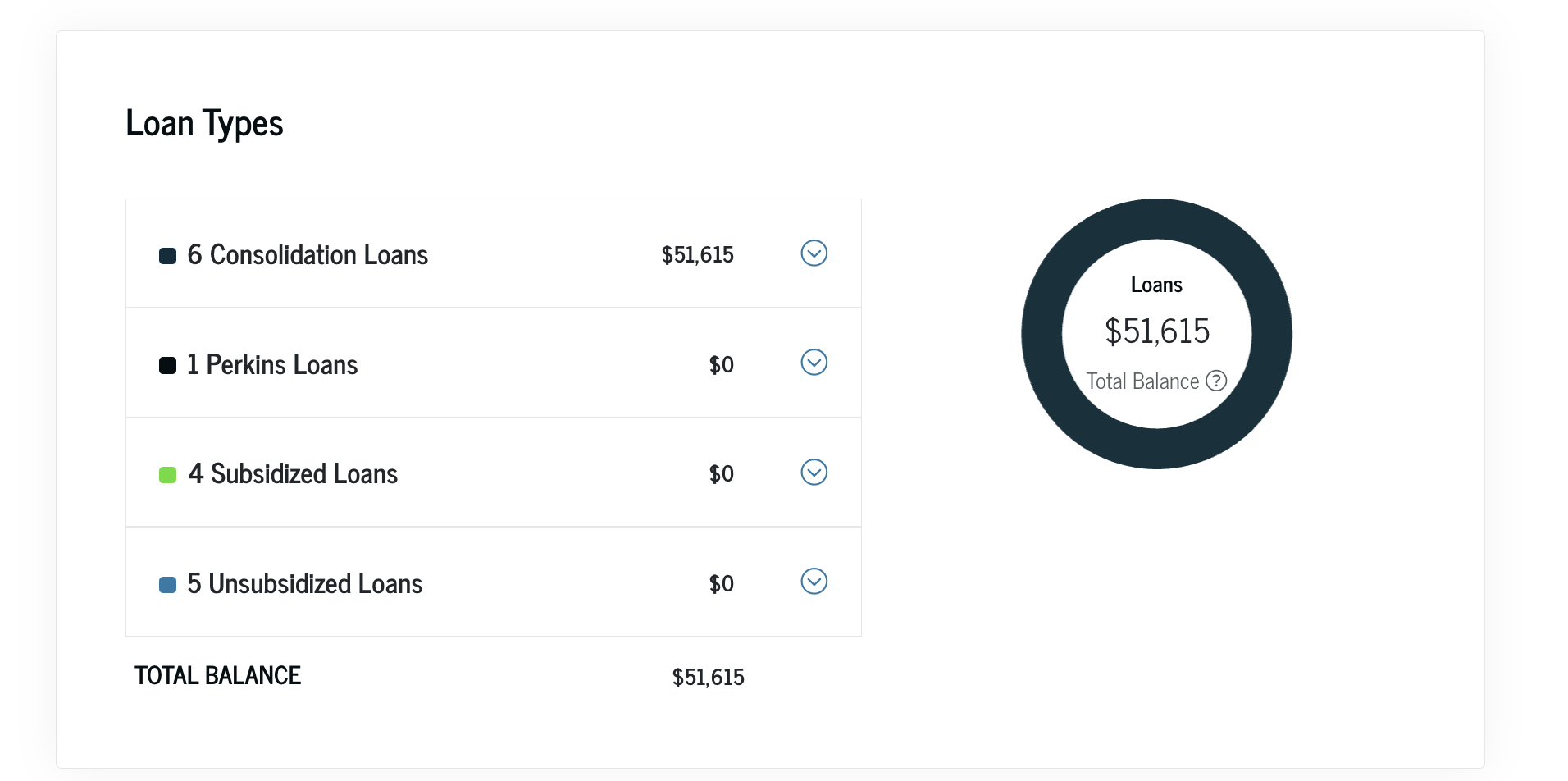
The most authoritative source for all federal student loan information is the Federal Student Aid (FSA) website. This portal acts as a centralized dashboard for every federal loan you have ever borrowed, including Direct Subsidized and Unsubsidized loans, Perkins Loans, and Parent PLUS loans.
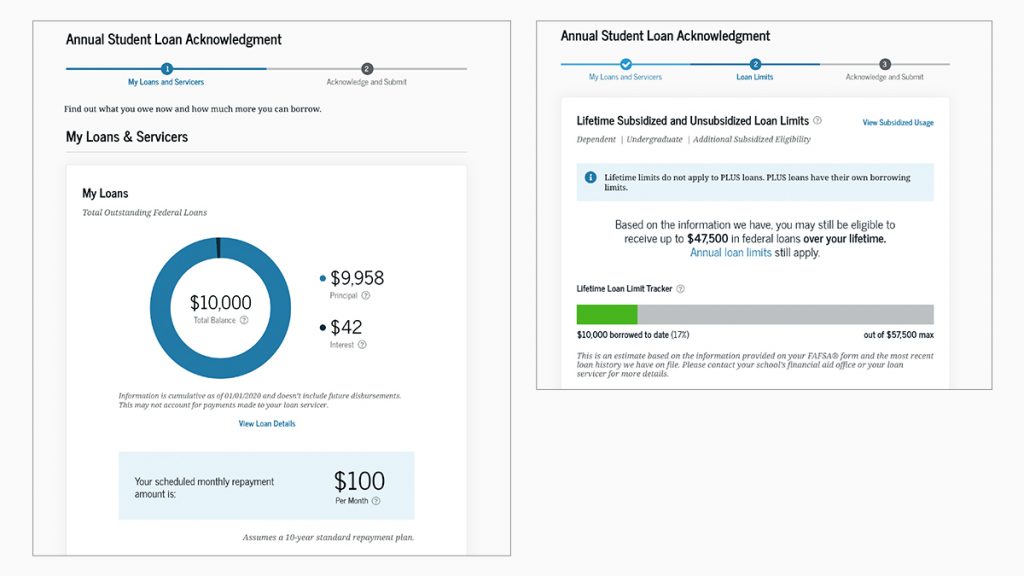
To access this information, you must have an FSA ID. If you have not logged in since you applied for your Free Application for Federal Student Aid (FAFSA), you may need to recover your credentials or create a new ID. Once logged in, your dashboard provides a high-level summary of your total balance, including both principal and accrued interest.
Navigating the “My Aid” Dashboard
Within the FSA portal, the “My Aid” section offers a granular look at your debt. Here, you can see a breakdown of each individual loan. This is critical because you may have multiple loans from different years of study, each with a different interest rate. The dashboard will also identify your assigned loan servicer.
Common federal servicers include Mohela, Nelnet, Edfinancial, and Aidvantage. It is important to note that the Department of Education frequently moves loan portfolios between servicers. If you receive an email stating your servicer has changed, the FSA portal is the best place to verify that the change is legitimate and to find the contact information for your new servicer.
Understanding Loan Status and History
Beyond the balance, the federal portal tracks your loan status. You will see whether a loan is in “In-School Status,” “Grace Period,” “Repayment,” or “Decline/Default.” Understanding these statuses is essential for timing your payments. For example, most federal loans have a six-month grace period after graduation before payments are due. Checking your loan status helps you anticipate when your first bill will arrive, allowing you to build a budget in advance.
Tracking Down Private Student Loans
Private student loans are issued by banks, credit unions, and online lenders such as Sallie Mae, SoFi, or Earnest. Unlike federal loans, there is no single government database that tracks private debt. If you are unsure which private lenders you used, or if you have forgotten about a specific loan from early in your college career, you will need to use a different set of tools to find them.
Utilizing Credit Reports
The most effective way to identify private student loans is by requesting a copy of your credit report. Because private lenders report your payment history and outstanding balances to the major credit bureaus—Equifax, Experian, and TransUnion—these reports serve as a comprehensive record of your private debt.
Under the Fair Credit Reporting Act, you are entitled to a free credit report from each of the three bureaus every year via AnnualCreditReport.com. When reviewing your report, look for the “Account Information” or “Trade Lines” section. Look for entries categorized as “Education Loans” or “Installment Loans.” This will list the name of the lender, the original loan amount, the current balance, and the status of the account.
Contacting Your School’s Financial Aid Office
If your credit report is unclear or if you suspect a loan is missing, your alma mater’s financial aid office can be an invaluable resource. Colleges and universities maintain records of all financial aid disbursed to their students. They can provide a “Financial Aid Transcript” or a history of the funds that were applied to your tuition and fees. This record will often specify the names of the private lenders that sent funds to the school on your behalf.
Checking Bank Statements and Email Archives
Sometimes, the simplest method is the most effective. Search your email inbox for keywords like “student loan,” “promissory note,” or “disbursement.” Additionally, review your bank statements from the months when your tuition was usually due (typically August and January). Look for large deposits or direct payments to financial institutions. These digital breadcrumbs can lead you to the login portals of private lenders you may have overlooked.
Decoding Your Loan Details: Interest, Principal, and Terms
Once you have located your loans, the next step is understanding the fine print. Simply knowing the total balance is not enough to create a debt-repayment strategy; you must understand the underlying mechanics of how that balance grows.
Interest Rates and Accrual
Interest is the cost of borrowing money, and it is the primary factor that determines how much you will pay over the life of the loan. Federal student loans typically have fixed interest rates, meaning the rate stays the same for the duration of the loan. Private loans, however, can have fixed or variable rates. A variable rate can fluctuate based on market conditions, which means your monthly payment could increase over time.
You should identify the interest rate for each individual loan. If you have multiple loans, focusing on the ones with the highest interest rates—a method known as the “Avalanche Method”—can save you thousands of dollars in the long run.
The Difference Between Principal and Interest
Your monthly payment is split between the principal (the original amount you borrowed) and the interest (the fee charged by the lender). In the early years of repayment, a larger portion of your payment often goes toward interest. As the principal decreases, less interest is charged, and more of your payment goes toward the original balance. Checking your loan statement will show you this breakdown, which is vital for understanding why your balance might not be dropping as quickly as you expected.
Interest Capitalization
One of the most important terms to understand is “capitalization.” This occurs when unpaid interest is added to the principal balance of your loan. This often happens at the end of a grace period or a period of deferment or forbearance. Once interest is capitalized, you are essentially paying interest on top of interest. By checking your loans regularly, you can identify when capitalization is about to occur and potentially make a payment to cover the accrued interest before it is added to the principal.
Navigating Repayment Options and Financial Strategy
Knowing your loan details allows you to move from a defensive posture to an offensive one. The data you gather from checking your loans is the raw material for your financial strategy.
Federal Repayment Plans
The federal government offers several repayment plans designed to make debt manageable based on your income. The Standard Repayment Plan splits your balance into equal payments over 10 years. However, if your debt-to-income ratio is high, you may benefit from Income-Driven Repayment (IDR) plans, such as the SAVE (Saving on a Valuable Education) plan.
These plans cap your monthly payment at a percentage of your discretionary income and can even result in a $0 monthly payment for those with lower earnings. Furthermore, IDR plans often include a path to loan forgiveness after 20 or 25 years of qualifying payments. Checking your eligibility for these plans on StudentAid.gov can drastically change your monthly cash flow.
Consolidation vs. Refinancing
When you check your loans and see a dozen different payments due on different dates, you might consider simplifying.
-
Federal Loan Consolidation: This allows you to combine multiple federal loans into a single Direct Consolidation Loan. This simplifies your billing and can give you access to certain repayment plans, but it may slightly increase your interest rate due to rounding.
-
Private Loan Refinancing: This involves taking out a new loan with a private lender to pay off your existing loans (federal or private). If you have a high credit score and a stable income, you may be able to secure a lower interest rate. However, refinancing federal loans into a private loan means you lose access to federal protections like IDR plans and Public Service Loan Forgiveness (PSLF).
Public Service Loan Forgiveness (PSLF)
If you work for a government agency or a 501(c)(3) non-profit, checking your federal loans is the first step toward PSLF. This program forgives the remaining balance on your Direct Loans after you have made 120 qualifying monthly payments under a qualifying repayment plan while working full-time for a qualifying employer. You must verify that your loans are “Direct Loans” (not FFEL or Perkins) to qualify. If they aren’t, you may need to consolidate them into a Direct Consolidation Loan to become eligible.
Best Practices for Long-Term Loan Management
Checking your student loans should not be a one-time event. It is a recurring task that should be integrated into your annual or semi-annual financial review.
Keeping Information Current
Whenever you move, change your phone number, or get a new email address, update your contact information with both the Federal Student Aid office and your private lenders. If a servicer cannot reach you, you might miss important notices about payment changes, interest rate adjustments, or document requests for repayment plans. Missing these communications can lead to missed payments, which can severely damage your credit score.
Setting Up Autopay
Once you have checked your loans and confirmed your monthly payment amounts, consider enrolling in autopay. Most federal and private lenders offer a 0.25% interest rate reduction for borrowers who use automatic debit. While this sounds small, it can add up to significant savings over a 10- or 20-year repayment term. Additionally, it ensures you never miss a payment, keeping your credit history pristine.
Annual Financial Health Checks
Make it a habit to log into your loan accounts at least once every six months. Check for any errors in payment application, verify that your interest is accruing as expected, and review your progress. Seeing your principal balance decrease over time provides a psychological boost and keeps you motivated to stay on track with your broader financial goals, such as saving for a home or investing for retirement.
By taking the time to thoroughly check and understand your student loans, you transform a source of anxiety into a manageable component of your financial portfolio. The clarity gained from this process is the foundation upon which you can build a more secure and prosperous financial future.
aViewFromTheCave is a participant in the Amazon Services LLC Associates Program, an affiliate advertising program designed to provide a means for sites to earn advertising fees by advertising and linking to Amazon.com. Amazon, the Amazon logo, AmazonSupply, and the AmazonSupply logo are trademarks of Amazon.com, Inc. or its affiliates. As an Amazon Associate we earn affiliate commissions from qualifying purchases.