
The stock market, a dynamic and often perplexing beast, is constantly in motion. For investors, businesses, and indeed anyone with an eye on their financial future, understanding its pulse is paramount. Far from a simple up-or-down phenomenon, the market is a complex ecosystem influenced by a myriad of economic indicators, geopolitical shifts, corporate performances, and human psychology. In recent times, navigating its intricacies has become even more challenging, demanding a nuanced perspective to discern actual trends from mere noise. This article delves into the current state of the stock market, dissecting the forces at play and offering insights for those seeking to make informed financial decisions.
Navigating Current Market Dynamics: A Snapshot of Performance
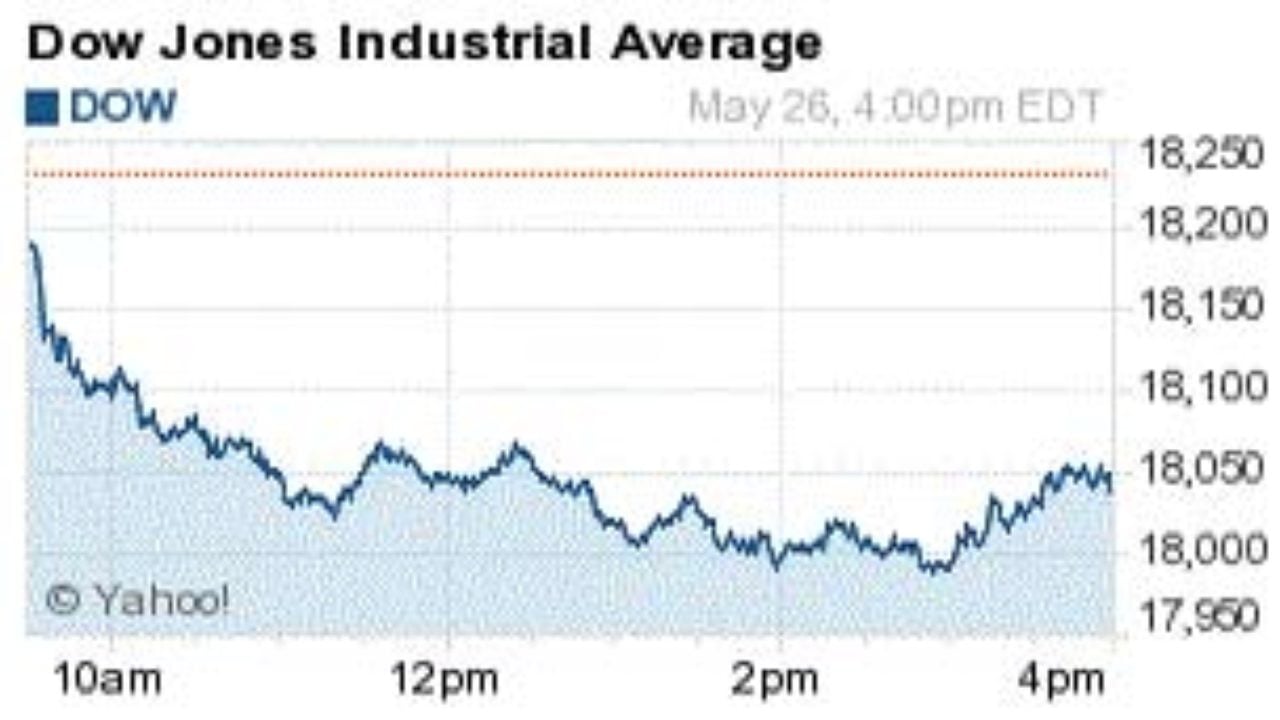
To truly grasp “what the stock market is doing,” one must first examine its performance through the lens of key indices, sectoral movements, and the ever-present factor of volatility. The market rarely moves uniformly; some segments surge while others languish, creating a complex mosaic of opportunities and risks.
Key Indices and Recent Trends
The health of the global stock market is often gauged by the performance of major indices. In the United States, the S&P 500, Dow Jones Industrial Average, and Nasdaq Composite serve as primary barometers. Globally, indices like the FTSE 100 (UK), DAX (Germany), Nikkei 225 (Japan), and Shanghai Composite (China) offer insights into regional economic vitality. Recent trends have seen a mix of resilience and uncertainty. After periods of robust growth, fueled by technological innovation and accommodative monetary policies, markets have contended with a new set of challenges, including inflation and rising interest rates. This has led to oscillating performance, with some periods experiencing significant pullbacks followed by swift recoveries, reflecting an underlying tension between optimism for corporate earnings and apprehension about macroeconomic headwinds. The narrative has shifted from broad-based gains to a more selective, quality-driven rally, where companies demonstrating strong fundamentals and sustainable growth trajectories are favored. Understanding these index movements is critical for investors to benchmark their portfolios and identify overarching market sentiment.
Sectoral Shifts and Emerging Leaders
Beneath the surface of headline index numbers, a significant story unfolds through sectoral performance. Historically, technology stocks have often led market rallies, driving much of the innovation and growth. While tech remains a dominant force, the landscape is evolving. Sectors such as healthcare, driven by demographic trends and advancements in biotechnology, and certain segments of industrials and materials, benefiting from infrastructure spending and global supply chain reconfigurations, have shown renewed strength. Furthermore, the energy sector has experienced significant volatility influenced by geopolitical events and global demand-supply dynamics. Financials have also been particularly sensitive to interest rate changes, often seeing improved profitability in a rising rate environment. Identifying these sectoral shifts is crucial for investors looking to optimize their portfolio allocation. Emerging leaders are often found at the intersection of technological innovation and market need, such as companies at the forefront of AI, renewable energy, and digital transformation, which continue to attract substantial capital despite broader market caution.
The Role of Volatility
Volatility, defined as the degree of variation of a trading price series over time, is an inherent feature of the stock market, and its presence can offer both challenges and opportunities. Recent years have seen heightened volatility, often driven by rapid dissemination of news, algorithmic trading, and shifting investor sentiment. The VIX (CBOE Volatility Index), often referred to as the “fear gauge,” provides a real-time measure of market expectations of near-term volatility. Spikes in the VIX often coincide with market corrections or significant economic announcements. For long-term investors, periods of increased volatility can present opportunities to acquire quality assets at more attractive prices. However, for short-term traders, it necessitates agile strategies and robust risk management. Understanding the drivers of current volatility – whether they are macroeconomic concerns, geopolitical tensions, or company-specific news – is key to developing a resilient investment approach and distinguishing between transient market noise and fundamental shifts.
Unpacking the Economic Drivers Behind Market Movements
The stock market is a forward-looking mechanism, constantly discounting future expectations based on current economic data and anticipated policy changes. Dissecting these economic drivers is essential to understanding the market’s current trajectory and potential future path.
Inflation, Interest Rates, and Central Bank Policies
Perhaps the most dominant economic narrative impacting the market recently has been the interplay of inflation, interest rates, and central bank actions. After years of low inflation and ultra-accommodative monetary policies, global economies have grappled with persistent price pressures. In response, central banks, most notably the U.S. Federal Reserve, have embarked on aggressive interest rate hiking cycles. Higher interest rates increase borrowing costs for businesses and consumers, potentially slowing economic growth and reducing corporate profits. This, in turn, can dampen stock valuations, particularly for growth stocks whose future earnings are discounted more heavily. The market closely watches every pronouncement from central bankers, interpreting their stance on inflation and future rate trajectory. The balance between taming inflation without triggering a severe economic downturn is a delicate one, and the market reacts sharply to any perceived missteps or shifts in policy rhetoric.
Corporate Earnings and Economic Growth
Ultimately, the value of a stock is tied to the underlying profitability and growth potential of its company. Corporate earnings reports, therefore, are critical market movers. Strong earnings growth, especially when exceeding analyst expectations, typically boosts investor confidence and stock prices. Conversely, disappointing results can lead to significant sell-offs. Beyond individual companies, aggregate corporate earnings across the market provide a robust indicator of the overall health of the economy. A robust economy generally translates to higher consumer spending and business investment, which fuels revenue and profit growth. Conversely, signs of an economic slowdown or recession can signal an impending dip in earnings, prompting investors to de-risk. Investors closely monitor GDP growth rates, employment figures, consumer confidence, and manufacturing data, as these macroeconomic indicators offer clues about the broader economic environment in which companies operate and generate profits.
Geopolitical Events and Global Impact
In an increasingly interconnected world, geopolitical events exert a significant, often unpredictable, influence on stock markets. Regional conflicts, trade disputes, shifts in international alliances, and political instability in major economies can trigger widespread market uncertainty and volatility. For instance, disruptions to global supply chains caused by geopolitical tensions can lead to higher input costs for businesses and reduced availability of goods, impacting corporate profitability and consumer prices. Energy markets are particularly susceptible to geopolitical developments, with oil and gas prices reacting sharply to events in producing regions, subsequently affecting inflation and economic growth globally. While difficult to predict, understanding the potential implications of ongoing geopolitical situations is crucial for investors to assess risk and position their portfolios defensively or opportunistically. The global nature of modern finance means that an event in one corner of the world can quickly send ripple effects across all major markets.
Investor Psychology and Market Sentiment
Beyond the quantifiable economic data, the stock market is profoundly shaped by human emotion and collective psychology. Investor sentiment – the overall attitude of investors towards a particular market or asset – plays a critical role in driving short-term fluctuations and even longer-term trends.
Fear vs. Greed: Behavioral Biases in Investing
The eternal struggle between fear and greed is a fundamental driver of market movements. During periods of optimism and rising prices, greed can lead to irrational exuberance, prompting investors to chase returns and overlook fundamental risks. This can result in asset bubbles. Conversely, during market downturns, fear can trigger panic selling, causing investors to liquidate positions at unfavorable prices, even when underlying fundamentals remain sound. Behavioral finance highlights numerous biases that impact investment decisions, such as herd mentality (following the crowd), confirmation bias (seeking information that confirms existing beliefs), and loss aversion (the tendency to prefer avoiding losses over acquiring equivalent gains). Recognizing these biases in oneself and the broader market can help investors make more rational, disciplined decisions, avoiding common pitfalls that erode long-term returns.
The Influence of News Cycles and Social Media
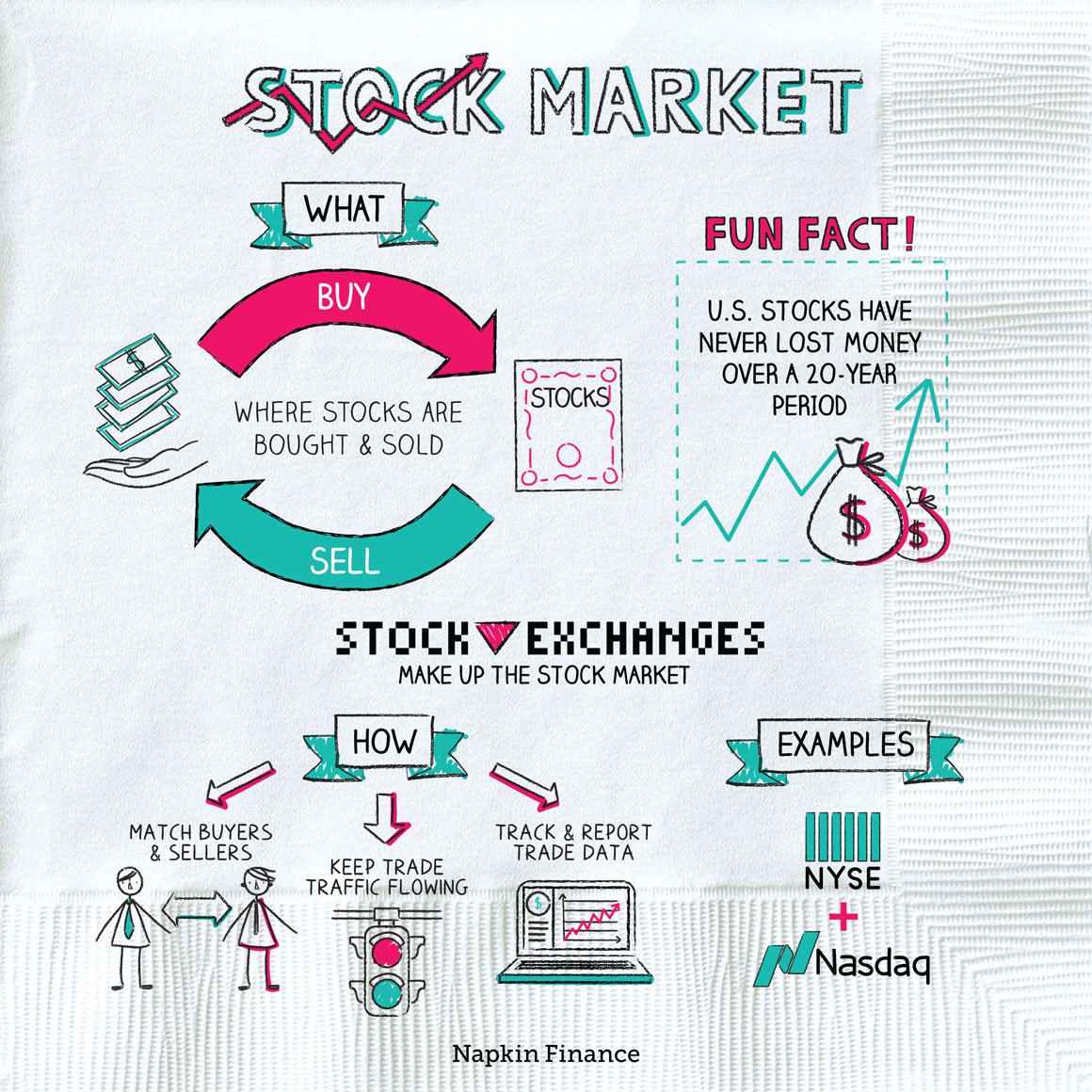
In the digital age, information travels at lightning speed, and its influence on market sentiment is profound. News cycles, whether focusing on economic data, corporate announcements, or geopolitical events, can trigger immediate and often outsized market reactions. The rise of social media platforms has amplified this effect, enabling rapid dissemination of information – and misinformation – to a vast audience of retail investors. “Meme stocks” and coordinated buying or selling campaigns orchestrated through online forums have demonstrated the power of collective retail investor action, sometimes challenging traditional institutional dominance. While access to real-time information is invaluable, it also necessitates a critical filter. Investors must differentiate between credible, fact-based analysis and speculative, emotional commentary to avoid making impulsive decisions driven by fleeting sentiment.
Retail vs. Institutional Investor Activity
The interplay between retail (individual) investors and institutional investors (hedge funds, mutual funds, pension funds, etc.) also shapes market dynamics. Institutional investors, with their vast capital and research resources, often drive larger, longer-term trends and are significant players in major market movements. Their decisions are typically based on rigorous fundamental analysis and macroeconomic forecasts. Retail investors, while individually smaller, collectively represent a powerful force, particularly in certain segments of the market. Their activity can be more susceptible to emotional swings, short-term trends, and social media influence. Understanding the current balance and interplay between these two groups – whether institutions are accumulating or distributing, and how retail investors are reacting to market events – provides another layer of insight into market sentiment and potential future directions.
Strategic Approaches for the Savvy Investor
Given the complexities and constant flux of the stock market, adopting a strategic and disciplined approach is vital for long-term success. This involves more than just picking stocks; it encompasses a holistic view of portfolio construction, risk management, and leveraging available resources.
Diversification and Risk Management
The cornerstone of any sound investment strategy is diversification. “Don’t put all your eggs in one basket” remains timeless advice. Diversifying across different asset classes (stocks, bonds, real estate, commodities), sectors, geographies, and company sizes helps mitigate risk. If one segment of your portfolio underperforms, others may compensate, smoothing out overall returns. Risk management extends beyond diversification to include setting clear investment goals, understanding your personal risk tolerance, and implementing stop-loss orders or other protective measures. Regularly rebalancing your portfolio to maintain your desired asset allocation is also crucial. This disciplined approach ensures that your portfolio remains aligned with your objectives and risk appetite, regardless of short-term market fluctuations. It’s about protecting capital during downturns while still participating in upturns.
Long-Term vs. Short-Term Perspectives
Investors must distinguish between long-term wealth creation and short-term speculative trading. While day trading and swing trading can be profitable for a select few with specialized skills and significant risk capital, most individuals are better served by a long-term investment horizon. A long-term perspective (e.g., 5-10+ years) allows investors to ride out market volatility, benefit from compounding returns, and focus on the fundamental growth of quality companies. It reduces the impact of daily news cycles and emotional decisions. Short-term market movements are often unpredictable and driven by noise. By focusing on long-term trends, patient investors can allow their investments to grow over time, harnessing the power of the market’s historical upward bias, despite periodic corrections and bear markets.
Leveraging Financial Tools and Professional Advice
The modern financial landscape offers an array of tools and resources to aid investors. Online brokerage platforms provide access to research, analytical tools, and automated investing options. Robo-advisors can help with automated portfolio management and rebalancing based on your risk profile. For those with more complex financial situations or who prefer a hands-off approach, seeking advice from a qualified financial advisor can be invaluable. A good advisor can help you define your financial goals, develop a personalized investment plan, manage risk, and navigate tax implications. These professionals offer expertise, experience, and an objective perspective, which can be particularly beneficial during volatile market periods. Utilizing these tools and seeking expert guidance can significantly enhance an investor’s ability to navigate the market effectively and achieve their financial objectives.
The Road Ahead: Anticipating Future Trends and Challenges
Looking forward, the stock market will continue to evolve, shaped by ongoing technological advancements, regulatory shifts, and a dynamic global economic environment. Anticipating these future trends is crucial for building resilient and forward-looking investment portfolios.
Technological Disruption and Innovation’s Impact
Technological innovation remains a powerful engine of market change. Artificial intelligence (AI), machine learning, quantum computing, biotechnology, and renewable energy are not just buzzwords; they represent fundamental shifts in how industries operate and how value is created. Companies at the forefront of these innovations are poised for significant growth, while those unable to adapt risk being disrupted. Investors need to be mindful of these transformative trends, identifying companies that are true innovators rather than just hype. This involves understanding the long-term potential of emerging technologies and their societal impact, which will drive new revenue streams and redefine competitive landscapes across various sectors. The challenge lies in distinguishing sustainable innovation from fleeting fads.
Regulatory Changes and Policy Shifts
Government policies and regulatory environments significantly impact industries and market dynamics. Changes in tax laws, environmental regulations, trade policies, and industry-specific rules can create headwinds or tailwinds for different sectors and companies. For example, increased scrutiny on monopolies could impact large tech firms, while incentives for green energy could boost renewable companies. International regulatory cooperation or divergence can also create complex scenarios for global businesses and investors. Staying abreast of potential legislative and policy shifts is important, as these can alter the profitability and operational landscape of investments. Investors must assess how proposed or enacted regulations might affect their holdings and adjust their strategies accordingly to mitigate risks or capitalize on new opportunities.
Building Resilience in Your Investment Portfolio
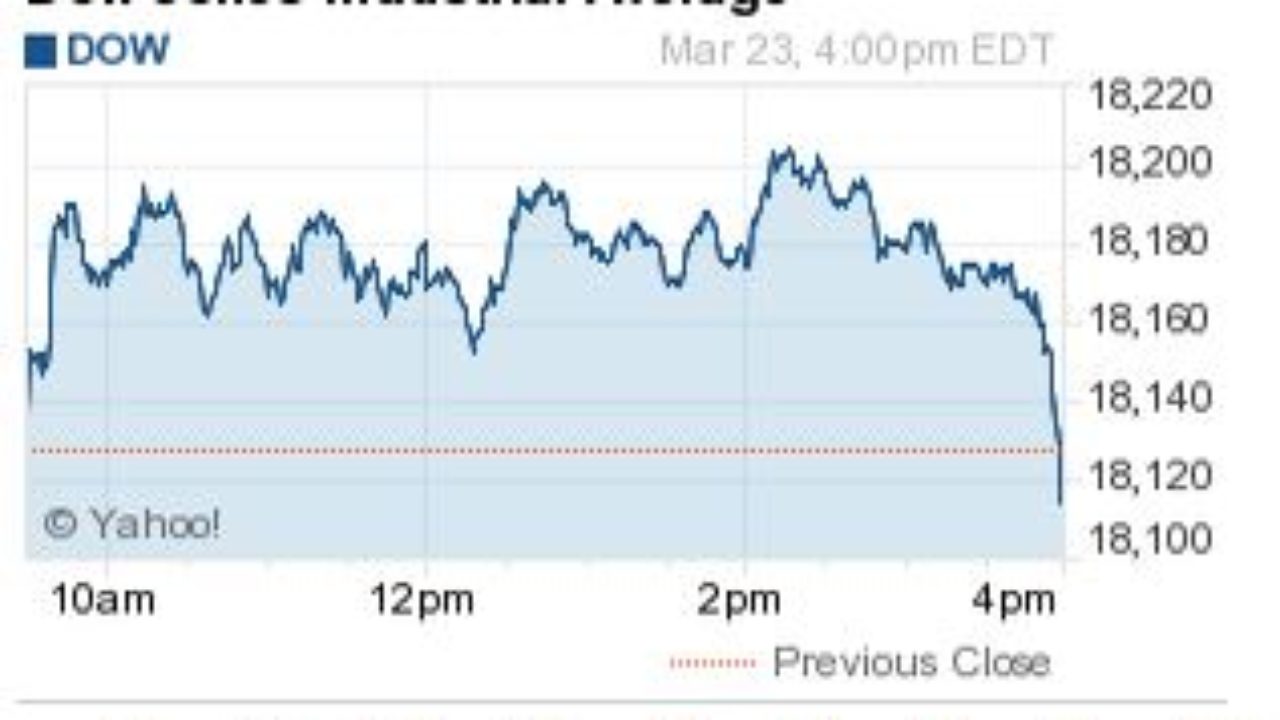
The stock market’s future will undoubtedly present both opportunities and challenges. Building a resilient investment portfolio is about preparing for various scenarios, not just betting on one outcome. This means prioritizing fundamental strength in companies, maintaining adequate diversification, and having a clear financial plan that accounts for economic cycles. It also involves continuous learning and adapting your investment approach as new information emerges. Resilience also comes from having a robust emergency fund and managing debt, ensuring that unexpected life events don’t force you to sell investments prematurely. By focusing on long-term objectives, managing emotions, and adopting a disciplined approach to risk, investors can position themselves to navigate the unpredictable currents of the market and achieve sustainable financial growth over time.
In conclusion, “what the stock market is doing” is a multifaceted question with no simple answer. It is a reflection of economic fundamentals, corporate performance, human psychology, and geopolitical realities, all intertwining in a complex dance. By understanding the current dynamics, dissecting the underlying economic drivers, acknowledging the role of investor psychology, and adopting sound strategic approaches, individuals can move beyond simply reacting to headlines. They can instead build informed, resilient financial plans designed to thrive in the ever-evolving landscape of the global stock market.
aViewFromTheCave is a participant in the Amazon Services LLC Associates Program, an affiliate advertising program designed to provide a means for sites to earn advertising fees by advertising and linking to Amazon.com. Amazon, the Amazon logo, AmazonSupply, and the AmazonSupply logo are trademarks of Amazon.com, Inc. or its affiliates. As an Amazon Associate we earn affiliate commissions from qualifying purchases.