
The Nasdaq is more than just a stock exchange; it is a global benchmark for innovation, technology, and growth-oriented investing. For many investors, “buying Nasdaq stock” refers to two distinct but related activities: purchasing shares of specific companies listed on the Nasdaq Stock Market or investing in the performance of the Nasdaq indices themselves. Whether you are looking to own the next big software giant or seeking broad exposure to the tech sector, understanding the mechanics of this market is the first step toward building a robust investment portfolio.
Understanding the Nasdaq Ecosystem
Before executing a trade, it is essential to distinguish between the exchange and the indices that track its performance. The Nasdaq Stock Market is an American stock exchange that operates entirely through an automated computer network. It is the second-largest exchange in the world by market capitalization, trailing only the New York Stock Exchange (NYSE).
The Nasdaq Composite vs. The Nasdaq-100
When news anchors report that “the Nasdaq is up today,” they are usually referring to one of two indices. The Nasdaq Composite includes almost all stocks listed on the Nasdaq exchange—over 3,000 companies. The Nasdaq-100, however, is a more concentrated index consisting of the 100 largest non-financial companies listed on the exchange. This index is often used as a proxy for the technology sector, though it also includes healthcare, retail, and industrial firms.
The Appeal of Nasdaq-Listed Companies
The Nasdaq has historically been the home of “growth” stocks. While the NYSE hosts many “value” stocks—older, established companies with steady dividends—the Nasdaq is synonymous with high-growth industries like biotechnology, software, and semiconductors. For an investor, the Nasdaq represents a pursuit of capital appreciation. While these stocks can be more volatile than their blue-chip counterparts on other exchanges, they have historically offered significant long-term returns driven by technological advancement.
The Step-by-Step Guide to Buying Nasdaq Stocks
Investing in the Nasdaq has become significantly more accessible over the last decade. Gone are the days of high commissions and complex phone orders. Today, the process can be completed in minutes through a digital interface.
1. Select a Brokerage Platform
To buy any stock listed on the Nasdaq, you need a brokerage account. Your choice of broker should depend on your investment style.
-
Full-Service Brokers: These provide personalized advice and management but often charge higher fees.
-
Discount or Online Brokers: Platforms like Vanguard, Fidelity, or Charles Schwab offer low or zero-commission trades and robust research tools.
-
Fintech Apps: Apps like Robinhood or Betterment are designed for mobile-first users, often offering fractional shares, which allow you to buy a portion of an expensive stock (like Amazon or Alphabet) for as little as $1.
2. Open and Fund Your Account
Once you select a broker, you must go through an onboarding process. This typically requires your Social Security number, employment information, and a linked bank account. After the account is approved, you must transfer capital. Depending on the broker, it may take three to five business days for funds to clear and become “available for trade.”
3. Research Your Targets
Before clicking “buy,” you must identify which Nasdaq stocks fit your financial goals. This involves looking at a company’s “Ticker Symbol.” For example, Apple is AAPL, and Microsoft is MSFT. Use your broker’s research tools to examine:
-
P/E Ratio (Price-to-Earnings): This helps determine if a stock is overvalued or undervalued relative to its peers.
-
Earnings Reports: Nasdaq companies are required to release quarterly financial statements. Look for consistent revenue growth and healthy profit margins.
-
Analyst Ratings: While not definitive, seeing what institutional analysts say about a stock can provide helpful context.
4. Execute the Trade
When you are ready to buy, you will encounter different order types. The two most common are:
-
Market Order: This instructs the broker to buy the stock immediately at the current market price. This is the fastest way to get into a position but may result in a slightly higher price than expected in a fast-moving market.
-
Limit Order: This tells the broker to buy the stock only if it reaches a specific price or lower. This gives you more control over your entry point but runs the risk of the order not being filled if the price never drops to your limit.
Strategic Approaches to Nasdaq Investing
Buying individual stocks is only one way to gain exposure to the Nasdaq. For many investors, a more diversified approach is safer and more effective for long-term wealth accumulation.
Individual Stocks vs. ETFs
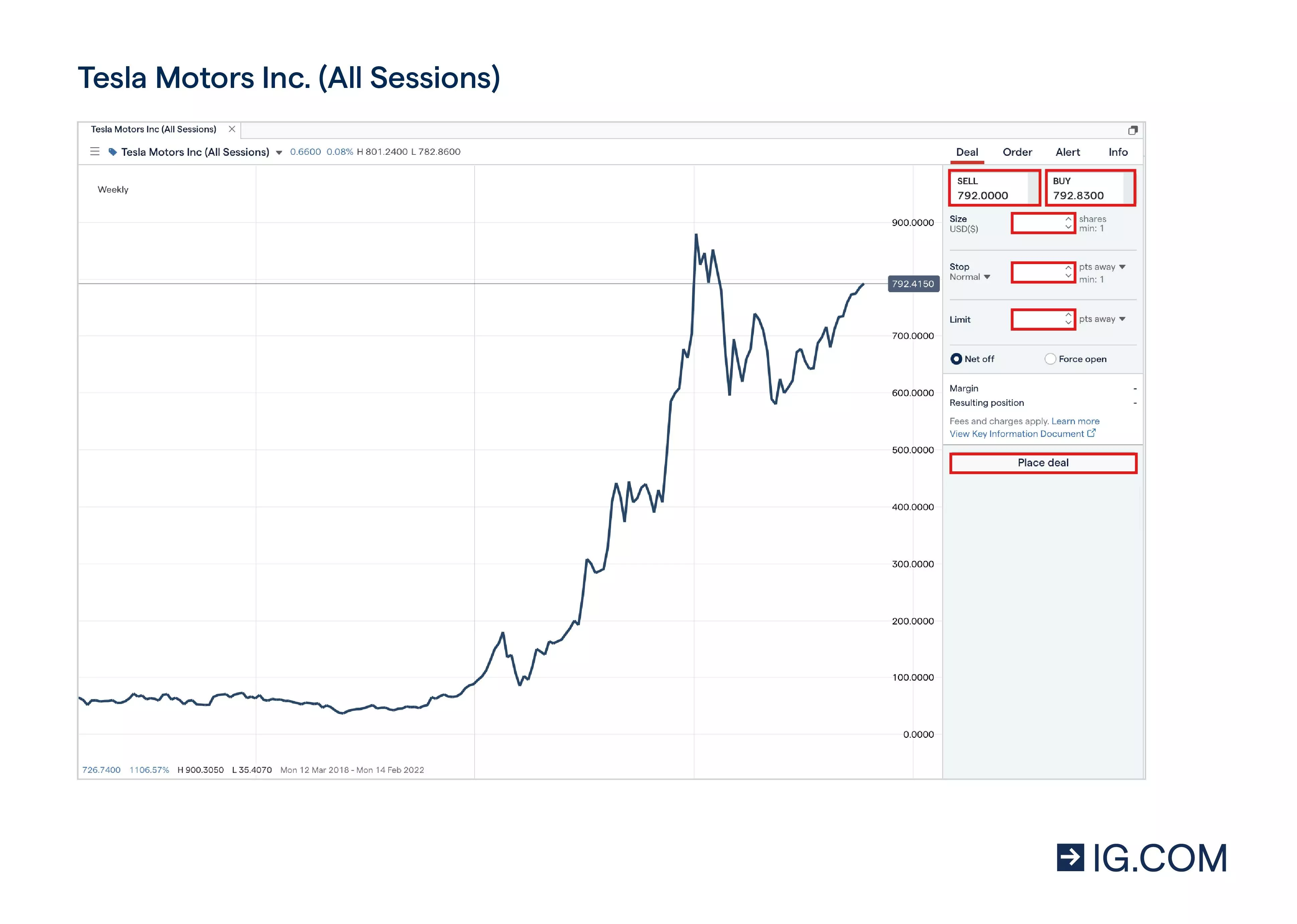
Purchasing individual stocks like Tesla or NVIDIA allows for the highest potential upside, but it also carries the highest risk. If that specific company fails, your investment could vanish.
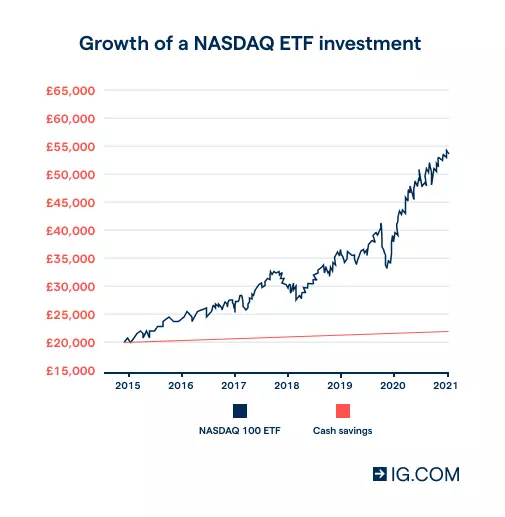
Conversely, Exchange-Traded Funds (ETFs) allow you to buy a basket of Nasdaq stocks in a single transaction. The most famous example is the Invesco QQQ Trust (QQQ), which tracks the Nasdaq-100. By buying one share of QQQ, you are effectively buying a small piece of all 100 companies in the index. This provides instant diversification and lowers the “single-stock risk.”
The Power of Dollar-Cost Averaging
Because Nasdaq stocks are often growth-oriented, they can be prone to significant price swings. “Timing the market”—trying to buy at the absolute bottom—is notoriously difficult even for professionals. A more disciplined strategy is Dollar-Cost Averaging (DCA). This involves investing a fixed amount of money at regular intervals (e.g., $500 every month) regardless of the stock price. Over time, this lowers your average cost per share and removes the emotional stress of market volatility.
Diversification Within the Tech Sector
Even if you focus solely on the Nasdaq, you should seek internal diversification. The Nasdaq is not just “software.” It includes:
-
Semiconductors: The hardware that powers AI and computing.
-
Biotechnology: Companies developing new medicines and genomic therapies.
-
Consumer Services: E-commerce giants and streaming platforms.
-
Electric Vehicles: The future of transportation.
A balanced Nasdaq portfolio should ideally touch several of these sub-sectors to ensure that a downturn in one niche doesn’t derail your entire financial plan.
Risks and Considerations for the Nasdaq Market
Investing in the Nasdaq requires a higher tolerance for risk than investing in government bonds or traditional value stocks. Understanding these risks is crucial for maintaining the emotional discipline required for long-term success.
Interest Rate Sensitivity
Growth stocks are particularly sensitive to interest rate changes. Many Nasdaq companies rely on borrowing to fund their expansion, or their valuations are based on “discounted future cash flows.” When the Federal Reserve raises interest rates, the cost of borrowing goes up, and the present value of future earnings goes down. This often leads to a sell-off in Nasdaq stocks, even if the companies themselves are performing well operationally.
Market Volatility and “Beta”
In finance, “Beta” measures a stock’s volatility relative to the broader market. Many Nasdaq stocks have a high Beta, meaning they swing more wildly than the S&P 500. During a bull market, the Nasdaq often outperforms other indices, but during a bear market, it can drop much faster. Investors must be prepared for “drawdowns”—periods where their portfolio value may decrease by 20% or more—without panicking and selling at a loss.
The Long-Term Horizon
The Nasdaq is best suited for those with a multi-year or multi-decade time horizon. Because technology evolves in cycles, short-term “noise” can be distracting. Historical data shows that while the Nasdaq may have volatile years, the trendline of technological innovation has been upward for decades. Success in buying Nasdaq stock often comes down to “time in the market” rather than “timing the market.”
Advanced Monitoring and Portfolio Maintenance
Once you have purchased your Nasdaq stocks or ETFs, the work is not over. Wealth management requires ongoing maintenance.
Fundamental Re-Evaluation
Every six to twelve months, you should re-evaluate the “investment thesis” for each individual stock you own. Is the company still innovating? Are they maintaining their market share against new competitors? If the reason you bought the stock is no longer true, it may be time to sell and rotate that capital into a more promising opportunity.
Rebalancing Your Portfolio
If you own a mix of stocks and bonds, a strong year for the Nasdaq might mean that your “tech” holdings now make up a much larger percentage of your portfolio than you originally intended. Rebalancing involves selling a portion of your winners to buy underperforming assets, bringing your portfolio back to its target allocation. This forced “buy low, sell high” mechanism is a hallmark of professional portfolio management.
Utilizing Modern Financial Tools
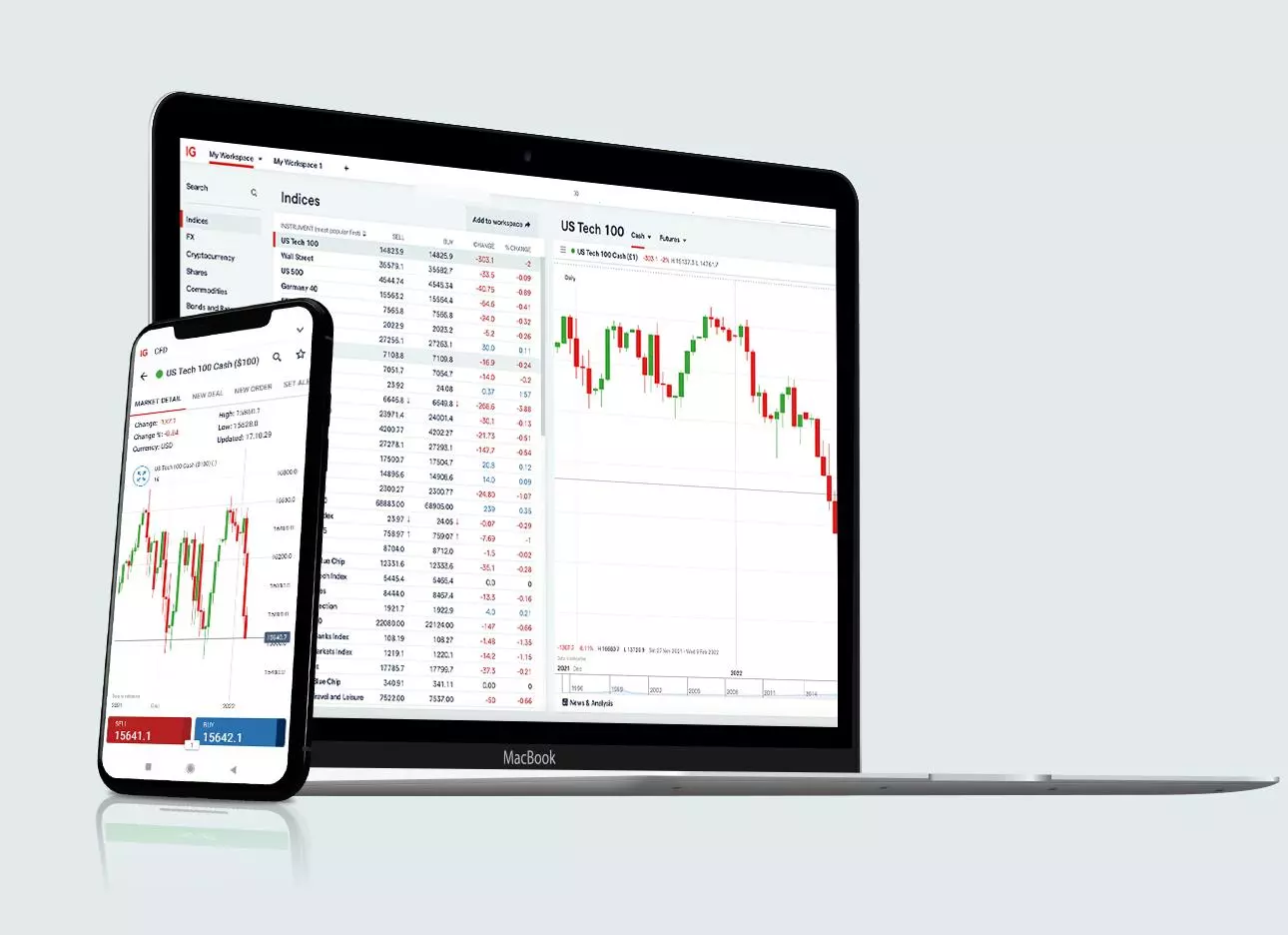
Most modern brokerages provide “watchlists” and “alerts.” You can set an alert to notify you if a Nasdaq stock you are interested in drops to a certain price or if a company you own releases its earnings report. Utilizing these tools allows you to stay informed without needing to stare at a ticker screen all day.
By following these structured steps—choosing the right broker, researching growth fundamentals, diversifying through ETFs, and managing risk through long-term discipline—you can effectively navigate the Nasdaq and harness the growth of the world’s most innovative companies for your personal financial gain.
aViewFromTheCave is a participant in the Amazon Services LLC Associates Program, an affiliate advertising program designed to provide a means for sites to earn advertising fees by advertising and linking to Amazon.com. Amazon, the Amazon logo, AmazonSupply, and the AmazonSupply logo are trademarks of Amazon.com, Inc. or its affiliates. As an Amazon Associate we earn affiliate commissions from qualifying purchases.