
The question “What’s the Nasdaq at right now?” is a dynamic one, reflecting the real-time ebb and flow of one of the world’s most influential stock market indexes. Far from being a static number, the Nasdaq’s current value is a snapshot of investor sentiment, economic forces, and the performance of some of the most innovative companies on the planet. For anyone engaged in personal finance, investing, or simply keen on understanding the broader economic landscape, keeping an eye on the Nasdaq is crucial. It serves as a vital barometer, particularly for the technology and growth sectors, offering insights into market trends and potential investment opportunities.
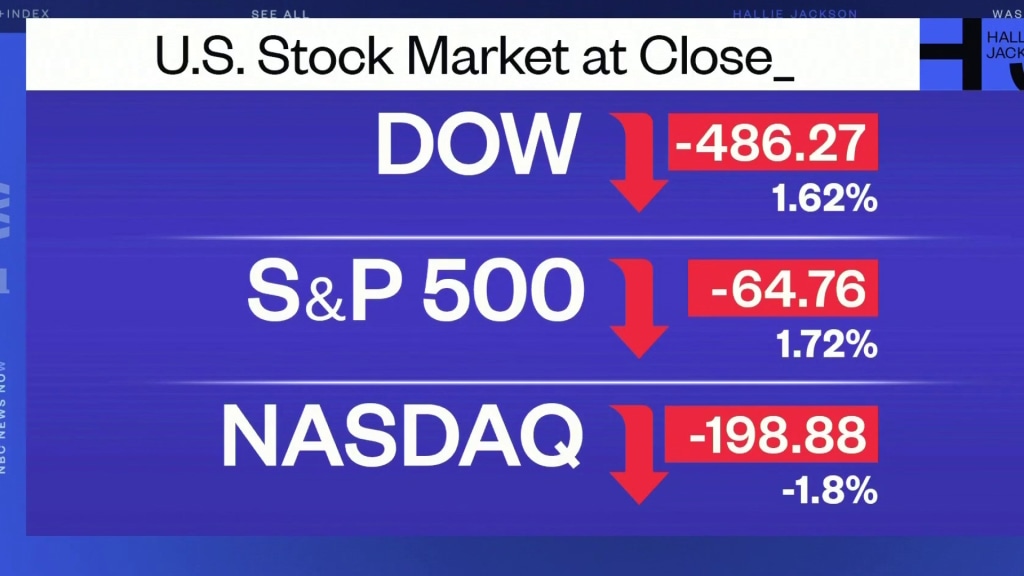
This article delves into what the Nasdaq represents, what drives its daily fluctuations, and how its movements impact individual investors and the global financial ecosystem. While the exact numerical value changes by the second, our focus is on providing the foundational knowledge to interpret that number meaningfully and integrate it into a comprehensive financial perspective.
Decoding the Nasdaq: More Than Just a Number
To truly understand what the Nasdaq is “at right now,” one must first grasp its components and how it’s measured. It’s not a singular entity but a family of indexes, each offering a distinct lens through which to view the market.
The Nasdaq Composite vs. Nasdaq 100
When people refer to “the Nasdaq,” they are typically thinking of one of two main indexes: the Nasdaq Composite or the Nasdaq 100.
-
The Nasdaq Composite Index includes all the common stocks and similar securities listed on the Nasdaq stock market. This is a broad index, encompassing over 3,000 companies, ranging from tiny startups to multinational giants. Its sheer breadth makes it a comprehensive indicator of the overall health of the Nasdaq exchange.
-
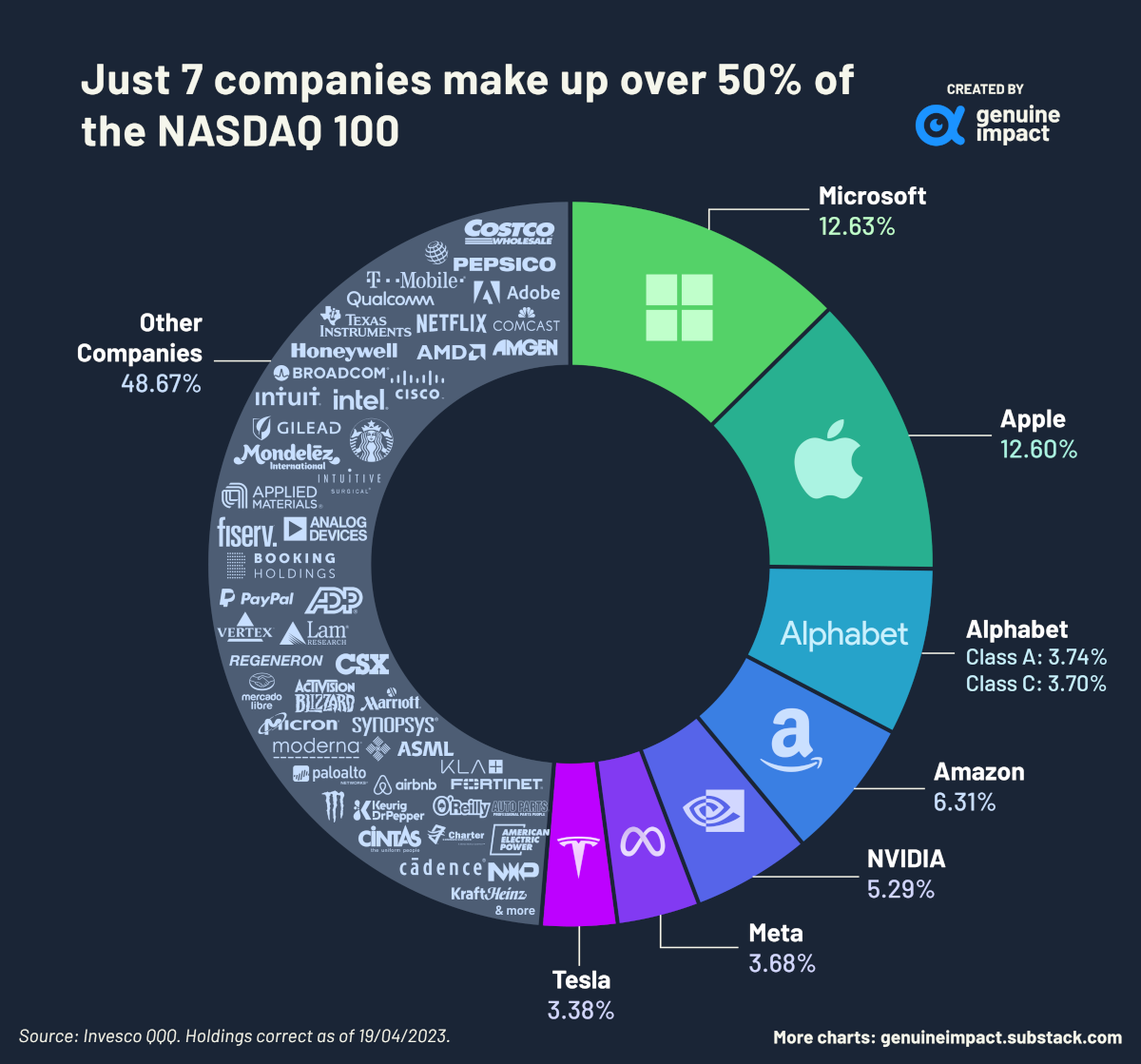
The Nasdaq 100 Index (NDX), on the other hand, is much more selective. It comprises the 100 largest non-financial companies listed on the Nasdaq based on market capitalization. This index excludes financial companies (like banks and investment firms), making it heavily weighted towards technology, telecommunications, retail, and biotechnology sectors. The Nasdaq 100 is often considered a proxy for the performance of large-cap growth stocks, housing household names like Apple, Microsoft, Amazon, Google (Alphabet), Tesla, and Nvidia. It is arguably the more watched and influential of the two, especially for investors focused on leading innovation and growth.
Understanding the distinction is vital. While the Composite gives a broad market view, the Nasdaq 100 provides a focused look at the powerhouse companies driving much of the market’s innovation and, consequently, its volatility and growth.
How the Nasdaq Index is Calculated
Both the Nasdaq Composite and Nasdaq 100 are market-capitalization-weighted indexes. This means that companies with larger market capitalizations (stock price multiplied by the number of outstanding shares) have a greater impact on the index’s value. For example, a small percentage change in Apple’s stock price will have a far more significant effect on the Nasdaq 100 than a larger percentage change in a smaller company’s stock within the index. This weighting scheme naturally leads to the index’s performance being heavily influenced by its largest constituents, which are often the most recognized tech giants. This structure ensures that the index accurately reflects the collective value of its components, with the most valuable companies naturally exerting the most influence.
Real-Time vs. Historical Context
The “right now” number for the Nasdaq is always fleeting. It represents the index’s value at a specific moment in time, constantly updating during trading hours. While this real-time feed is essential for active traders, for most investors, it’s more beneficial to view this number within a broader historical context. Observing the Nasdaq’s performance over days, weeks, months, and years provides a clearer picture of trends, volatility, and long-term growth trajectories. A sudden dip or surge might be an anomaly or the beginning of a significant shift, and only by comparing it to past performance can an investor make informed decisions. Long-term charts reveal patterns, support levels, resistance levels, and overall market cycles that provide invaluable context beyond a single data point.
What Drives the Nasdaq’s Movements?
The Nasdaq’s daily fluctuations are a complex interplay of various factors, both microeconomic and macroeconomic. Understanding these drivers is key to anticipating market sentiment and making informed investment choices.
Earnings Reports and Corporate Performance
Perhaps the most immediate driver of Nasdaq movements, especially for its largest components, are quarterly earnings reports. When tech giants like Apple, Amazon, Microsoft, or Nvidia announce their revenues, profits, and future guidance, the market reacts swiftly. Positive surprises can send stocks soaring, boosting the overall index, while missed expectations or cautious outlooks can trigger sell-offs. Beyond the raw numbers, investors scrutinize commentary from management regarding product pipelines, market share, innovation efforts, and spending plans. These reports provide a tangible measure of a company’s health and its ability to execute within a competitive landscape.
Economic Indicators and Interest Rates
Broader economic forces exert significant influence on the Nasdaq. Inflation data, Gross Domestic Product (GDP) growth, unemployment rates, and consumer confidence surveys all paint a picture of the economic environment. Growth-oriented companies, which dominate the Nasdaq, are particularly sensitive to these indicators. High inflation can erode future earnings power, while strong GDP growth often signals a robust environment for expansion.
However, no economic factor impacts the Nasdaq more profoundly than interest rates, primarily set by central banks like the U.S. Federal Reserve. Higher interest rates increase the cost of borrowing for companies, potentially slowing growth and reducing profitability. Crucially, higher rates also reduce the present value of future earnings, which disproportionately affects growth stocks whose valuations are often based on anticipated long-term gains. Conversely, lower interest rates can fuel expansion and make future earnings more attractive, often boosting tech valuations. The Federal Reserve’s monetary policy decisions, therefore, are closely watched for their ripple effects across the entire financial system, especially the growth-heavy Nasdaq.
Geopolitical Events and Global Market Sentiment
The Nasdaq is not immune to global events. International conflicts, trade disputes, political instability in key regions, and even major health crises can trigger significant market shifts. Supply chain disruptions, for instance, can impact the production capabilities of tech companies, while trade wars can limit market access or increase costs. Global investor sentiment, often influenced by these events, can lead to widespread risk aversion, causing investors to pull money out of growth stocks and seek safer havens, thereby driving down the Nasdaq. Conversely, resolutions to geopolitical tensions can inject optimism and encourage renewed investment.
Technological Innovation and Disruptions
At its core, the Nasdaq represents innovation. Breakthroughs in artificial intelligence, advancements in cloud computing, the emergence of new software paradigms, and the development of revolutionary gadgets constantly reshape the competitive landscape. News of a new product launch, a significant patent, or a disruptive technology can create immense excitement and investment, propelling certain stocks and the index higher. Conversely, a failure to innovate, the rise of a new competitor, or a technological obsolescence can weigh heavily on companies and the sectors they inhabit. The Nasdaq thrives on the continuous cycle of innovation and adaptation.
Investor Psychology and Market Momentum
Beyond the fundamentals, investor psychology plays a critical role in short-term Nasdaq movements. Fear, greed, herd mentality, and speculative frenzies can sometimes override rational analysis. Concepts like “fear of missing out” (FOMO) can drive stocks to unsustainable highs, while panic selling during downturns can exacerbate losses. Market momentum, often amplified by algorithmic trading, can create self-fulfilling prophecies, pushing trends further than economic fundamentals might suggest. Technical analysis, which studies past price and volume data, attempts to identify these psychological patterns and momentum shifts.
Investing in the Nasdaq: Strategies and Considerations
For investors, the Nasdaq represents a compelling avenue for growth, but it comes with its own set of considerations and risks.
Direct Stock Ownership
One approach is to invest directly in individual companies listed on the Nasdaq, particularly the well-known tech giants within the Nasdaq 100. This strategy offers the potential for higher returns if chosen companies outperform the broader market. It also provides direct control over one’s portfolio. However, it requires significant research, a deep understanding of individual company fundamentals, and a higher tolerance for risk, as single stocks are inherently more volatile than diversified indexes. Success hinges on rigorous due diligence and continuous monitoring of business performance and market trends.
Nasdaq-Tracking ETFs and Mutual Funds
For most investors, a more diversified and accessible way to gain exposure to the Nasdaq is through exchange-traded funds (ETFs) or mutual funds that track the index. The most prominent example is the Invesco QQQ Trust (QQQ), which tracks the Nasdaq 100. These funds offer instant diversification across the index’s constituent companies, significantly reducing the idiosyncratic risk associated with owning single stocks. Investors get market-level returns of the Nasdaq with a single purchase, benefiting from the growth of multiple leading companies. While they typically charge a small expense ratio, the diversification benefits and ease of access often outweigh this cost for many.
Risk Management and Diversification
While the Nasdaq offers significant growth potential, it also carries higher volatility due to its concentration in growth-oriented sectors. Effective risk management is paramount. This means not allocating an overly large portion of one’s portfolio to Nasdaq-heavy investments, regardless of how attractive they seem. Diversification beyond technology and growth stocks, into value stocks, different market caps, international markets, bonds, and even alternative assets like real estate, can help balance risk and potentially smooth out returns over the long term. A well-diversified portfolio aims to capture growth opportunities while mitigating the impact of downturns in any single sector or asset class.
Long-Term vs. Short-Term Perspectives
Historically, the Nasdaq has demonstrated significant long-term growth, rewarding patient investors who have weathered market fluctuations. A long-term perspective (5+ years) allows investors to ride out short-term volatility and benefit from the power of compounding. Attempting to time the market or engage in frequent short-term trading based on daily Nasdaq movements is highly challenging and often leads to suboptimal results for most individual investors. While short-term trading can be profitable for experienced professionals, it carries substantial risk and requires deep market knowledge, technical analysis skills, and robust risk controls. For the average investor, a focus on long-term growth through diversified exposure is generally a more prudent strategy.
The Nasdaq’s Role in a Balanced Portfolio
Integrating the Nasdaq into a personal financial strategy involves understanding its unique contribution and potential drawbacks.
Growth Engine for Your Portfolio
For many investors, exposure to the Nasdaq acts as a critical growth engine within their portfolio. By investing in an index heavily weighted towards companies at the forefront of innovation, investors can capitalize on secular trends in technology, digitalization, and global connectivity. These companies often have strong competitive advantages, high margins, and significant potential for future expansion, driving superior capital appreciation over time. It allows individuals to participate in the transformative power of technological progress and its economic impact.
Understanding Sector Concentration Risk
The Nasdaq’s strength—its concentration in technology and growth—is also its primary vulnerability. A portfolio heavily weighted in Nasdaq-related assets faces significant sector concentration risk. If the technology sector experiences a downturn due to regulatory changes, shifts in consumer behavior, rising interest rates, or a bursting speculative bubble, the impact on such a portfolio can be substantial. Understanding your personal risk tolerance and financial goals is crucial to determining the appropriate allocation to Nasdaq-centric investments. It’s about finding the right balance between seeking aggressive growth and managing potential drawdowns.
How to Stay Informed
Staying informed about the Nasdaq and the broader financial markets is an ongoing process. Rely on reputable financial news outlets, read company earnings reports and analyst briefings, and consult with financial advisors. Continuous learning about economic indicators, technological advancements, and geopolitical developments will empower you to make more informed decisions rather than reacting impulsively to daily market noise. Utilizing financial tools that provide real-time data and analytical insights can also be invaluable for monitoring your investments and understanding market dynamics.

Conclusion
Asking “what’s the Nasdaq at right now?” is merely the starting point of a much deeper inquiry into the world of investing. The Nasdaq Composite and particularly the Nasdaq 100 are indispensable gauges for the health and trajectory of the technology and growth sectors, reflecting a complex interplay of corporate performance, economic indicators, geopolitical events, and investor psychology.
For individuals navigating their financial journey, understanding the Nasdaq means recognizing its role as a potential engine of growth within a diversified portfolio, while also acknowledging its inherent volatility and sector concentration risk. Whether through direct stock ownership or broad-based ETFs, gaining exposure to the Nasdaq offers a pathway to participate in the innovation economy. However, success in this dynamic environment hinges not just on knowing the current numbers, but on comprehending the forces that move them, managing risk prudently, and aligning investment strategies with long-term financial goals. The Nasdaq is a constant reminder that the financial markets are living, breathing entities, demanding continuous learning and a thoughtful approach to wealth creation.
aViewFromTheCave is a participant in the Amazon Services LLC Associates Program, an affiliate advertising program designed to provide a means for sites to earn advertising fees by advertising and linking to Amazon.com. Amazon, the Amazon logo, AmazonSupply, and the AmazonSupply logo are trademarks of Amazon.com, Inc. or its affiliates. As an Amazon Associate we earn affiliate commissions from qualifying purchases.