
In the vast and rapidly evolving landscape of the technology industry, few components are as universally critical and yet often taken for granted as memory and storage. At the heart of this essential domain stands Micron Technology, an American semiconductor company renowned for its innovations in dynamic random-access memory (DRAM), NAND flash memory, and solid-state drives (SSDs). More than just a manufacturer, Micron is a foundational pillar of the digital world, enabling everything from the smartphones in our pockets and the computers on our desks to the colossal data centers that power cloud services and the intricate AI systems shaping our future.
Understanding Micron Technology is to understand the very fabric of modern computing. It’s about recognizing the intricate dance between data processing and data retention, a dance choreographed by high-performance memory and storage solutions. Without Micron’s continuous advancements in these areas, the relentless march of technological progress—be it in artificial intelligence, autonomous vehicles, the Internet of Things, or advanced analytics—would grind to a halt. This article delves into the essence of Micron Technology, exploring its core contributions, its diverse product portfolio, its profound industry impact, and the future horizons it seeks to conquer.
The Core of Digital Infrastructure: Memory and Storage Innovation
Micron Technology’s existence is predicated on a singular, powerful premise: providing the memory and storage solutions that allow digital systems to function and thrive. From its inception, the company has been a relentless innovator in semiconductor manufacturing, consistently pushing the boundaries of what’s possible in terms of speed, capacity, and efficiency.
A Legacy of Semiconductor Excellence
Founded in 1978 in Boise, Idaho, Micron began as a semiconductor design consulting company. Its pivotal shift came with the decision to manufacture memory chips, culminating in the production of its first 64K DRAM chip in 1982. This marked the beginning of a remarkable journey, characterized by aggressive R&D, strategic acquisitions (such as the absorption of fellow memory manufacturer Elpida Memory, Inc. in 2012), and a steadfast commitment to technological leadership. Over four decades, Micron has transformed from a startup into one of the largest and most influential memory and storage producers globally, navigating highly cyclical markets and emerging stronger through each downturn. Its history is a testament to the complex interplay of engineering prowess, manufacturing scale, and market foresight required to succeed in the fiercely competitive semiconductor industry.
The Vital Role of DRAM in Modern Computing
Dynamic Random-Access Memory (DRAM) is perhaps Micron’s most significant contribution to the tech world. DRAM is the primary working memory of computers and servers, holding the data that the processor is actively using. When you open an application, load a webpage, or edit a document, the data for those operations is temporarily stored in DRAM, allowing for rapid access and processing. Without sufficient and fast DRAM, even the most powerful central processing units (CPUs) or graphics processing units (GPUs) would be severely bottlenecked.
Micron designs and manufactures a vast array of DRAM products, including standard PC and server memory modules (DIMMs), low-power mobile DRAM (LPDRAM) for smartphones and tablets, and high-bandwidth memory (HBM) for specialized applications like AI accelerators and high-performance computing (HPC). The company continually refines its DRAM technology, shrinking feature sizes, increasing density, and boosting clock speeds to meet the ever-growing demands of data-intensive applications. These advancements are crucial for enabling next-generation technologies, from real-time analytics and virtual reality to machine learning and edge computing.
NAND Flash: Powering Persistent Data Storage
While DRAM handles temporary, active data, NAND flash memory is responsible for persistent data storage—the kind that remains even when the power is off. This non-volatile memory is the backbone of Solid-State Drives (SSDs), USB flash drives, memory cards, and embedded storage in mobile devices. Micron has been a pioneer in NAND flash technology, developing innovative architectures like 3D NAND, which stacks layers of memory cells vertically to achieve higher capacities and lower costs compared to traditional 2D planar NAND.
Micron’s NAND products are critical for a wide range of applications. In consumer electronics, they enable lightning-fast boot times for laptops, vast storage for digital photos and videos, and responsive performance for gaming consoles. In enterprise environments, Micron’s high-end NAND solutions power data centers, facilitating rapid access to massive datasets for cloud services, big data analytics, and mission-critical applications. The continuous evolution of NAND flash, driven by Micron’s R&D, is pivotal for addressing the explosion of data generated in our increasingly digital world.
Micron’s Product Portfolio: Beyond the Basics
While DRAM and NAND flash form the bedrock of Micron’s offerings, the company’s extensive product portfolio extends into sophisticated solutions tailored for specific market segments, leveraging its core memory technologies to deliver integrated and optimized performance.
SSDs: High-Performance Storage Solutions
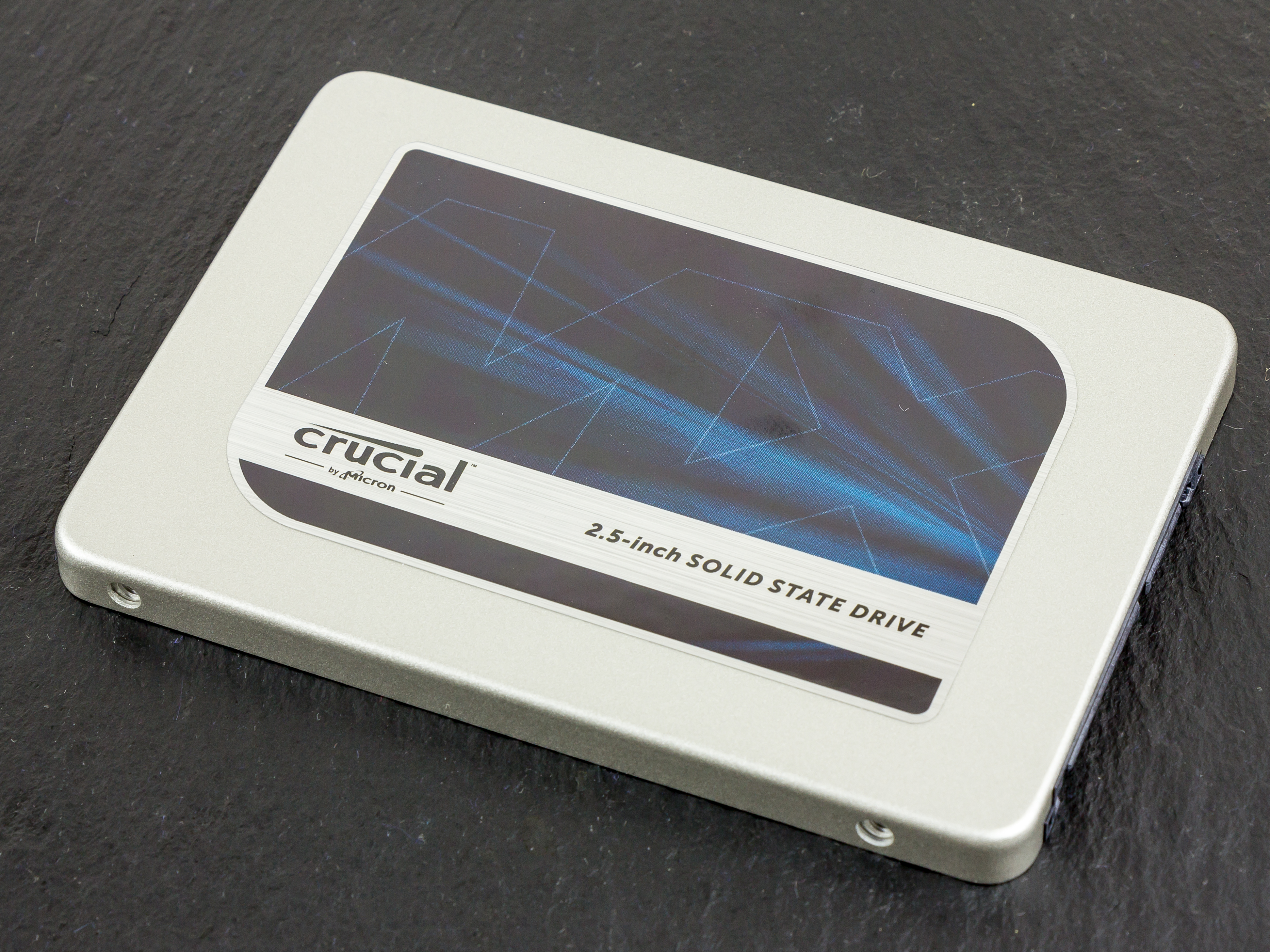
One of the most visible applications of Micron’s NAND technology is in its comprehensive range of Solid-State Drives (SSDs). Unlike traditional Hard Disk Drives (HDDs) that rely on spinning platters, SSDs use NAND flash memory to store data, offering vastly superior speed, durability, and power efficiency. Micron produces SSDs for virtually every use case: consumer-grade drives for PCs and laptops, robust enterprise-grade SSDs for servers and data centers, and specialized industrial SSDs for embedded systems.
These SSDs come in various form factors (e.2, U.2, NVMe) and interfaces (SATA, PCIe), designed to meet diverse performance and capacity requirements. Micron’s enterprise SSDs, in particular, are engineered for demanding workloads, providing high endurance, consistent performance, and advanced data protection features essential for critical business operations and cloud infrastructure. Their integration of vertical NAND technology enables industry-leading storage densities and improved cost-effectiveness, making high-speed storage accessible across a broader spectrum of applications.
Embedded and Automotive Applications
The pervasive nature of computing means that memory and storage are no longer confined to traditional computers. Micron plays a significant role in embedded systems, where specialized memory solutions are integrated directly into devices for specific functions. This includes industrial automation, networking equipment, medical devices, and the rapidly expanding Internet of Things (IoT). For these applications, Micron provides rugged, high-reliability memory with extended temperature ranges and long-term availability.
The automotive sector represents another high-growth area for Micron. Modern vehicles are essentially computers on wheels, requiring sophisticated memory and storage for infotainment systems, advanced driver-assistance systems (ADAS), in-car networking, and eventually, fully autonomous driving. Micron supplies automotive-grade DRAM and NAND solutions that meet stringent quality and reliability standards, designed to withstand extreme temperatures, vibrations, and long operating lifespans required for safety-critical applications in vehicles. Its memory solutions enable real-time processing of sensor data, AI capabilities for decision-making, and robust storage for mapping and operational software.
Specialty Memory for AI and Data Centers
The explosion of Artificial Intelligence (AI) and Machine Learning (ML) has created unprecedented demands for memory bandwidth and capacity. Micron is at the forefront of providing specialty memory solutions optimized for these compute-intensive workloads. High-Bandwidth Memory (HBM) is a prime example, where multiple DRAM dies are stacked vertically and interconnected with the processor using a high-speed interposer, dramatically increasing memory bandwidth compared to traditional DRAM modules. HBM is crucial for accelerating AI training models, scientific simulations, and graphic-intensive applications.
Furthermore, Micron develops memory solutions for data centers that power the cloud, hyperscale computing, and enterprise infrastructure. This includes robust server DRAM (RDIMMs, LRDIMMs) with error correction code (ECC) for data integrity, as well as specialized NVMe SSDs optimized for high I/O operations per second (IOPS) and low latency. The company is also actively involved in developing emerging memory technologies and interface standards like Compute Express Link (CXL), which promises to revolutionize memory architecture by allowing processors to pool and share memory resources more efficiently across the data center. These innovations are critical for unlocking the full potential of next-generation data-centric computing.
Driving Technological Advancement and Industry Impact
Micron Technology’s influence extends far beyond its direct product sales; it is a major force in shaping the future of technology through its relentless focus on research, its global operational footprint, and its deep integration into the broader tech ecosystem.
Research & Development: Pioneering Next-Gen Memory
Innovation is the lifeblood of the semiconductor industry, and Micron invests heavily in research and development to stay ahead of the curve. Its R&D efforts are focused on several key areas: miniaturization and scaling of existing DRAM and NAND technologies to achieve higher densities and lower costs per bit; development of entirely new memory architectures that can overcome the physical limitations of current designs; and exploration of emerging memory technologies that promise even greater speed, endurance, or non-volatility.
Micron’s commitment to R&D has led to breakthroughs like the industry’s first 176-layer 3D NAND and the most advanced 1-alpha node DRAM, both of which set new benchmarks for performance and efficiency. These advancements aren’t just incremental improvements; they are foundational innovations that enable smaller, more powerful, and more energy-efficient devices across the entire technology spectrum. The company also collaborates with universities, industry consortiums, and technology partners to foster a broader ecosystem of innovation, ensuring that its memory solutions are compatible with future processors and platforms.
Supply Chain and Global Presence
Manufacturing semiconductors is an incredibly complex and capital-intensive undertaking. Micron operates a sophisticated global manufacturing footprint, with fabrication plants (fabs), assembly and test facilities, and R&D centers strategically located across the United States, Japan, Singapore, Taiwan, China, and other regions. This global presence allows Micron to leverage regional expertise, optimize its supply chain for efficiency and resilience, and serve its diverse customer base effectively.
Managing a global supply chain for high-tech components involves navigating geopolitical complexities, intellectual property challenges, and environmental regulations. Micron is committed to sustainable and ethical manufacturing practices, striving to reduce its environmental footprint, conserve resources, and ensure responsible sourcing of materials. Its expansive operations support thousands of high-tech jobs globally and contribute significantly to local economies, cementing its role as a major industrial player.
Contribution to the Broader Tech Ecosystem
Micron Technology is not just a supplier; it is an enabler. Its memory and storage solutions are fundamental building blocks for virtually every segment of the tech industry. From consumer electronics giants like Apple and Samsung to enterprise behemoths like Dell and HPE, and cloud service providers like Amazon Web Services and Microsoft Azure, companies across the globe rely on Micron’s technology to power their products and services.
By providing high-performance, reliable, and cost-effective memory and storage, Micron directly contributes to the acceleration of digital transformation. It empowers developers to create more sophisticated software, enables scientists to process larger datasets, and allows businesses to derive deeper insights from their information. The continuous improvement in memory technology spearheaded by Micron directly translates into faster applications, more responsive systems, and the ability to handle ever-increasing volumes of data—all of which are critical for the advancement of the entire digital economy.
Navigating Market Dynamics and Future Horizons
The memory and storage market is notoriously dynamic, subject to significant cycles of supply and demand. Micron, as a leading player, must constantly adapt to these fluctuations while simultaneously looking ahead to the next wave of technological innovation.
The Cyclical Nature of the Memory Market
The semiconductor memory market is characterized by boom-and-bust cycles. Periods of high demand and tight supply lead to elevated prices and strong profitability, encouraging manufacturers to invest in increased production capacity. This often results in an oversupply, leading to price declines and reduced margins until demand catches up again. Micron has weathered numerous such cycles throughout its history, developing strategies to manage inventory, optimize production, and maintain profitability through various market conditions.
Understanding and anticipating these cycles is crucial for Micron’s long-term strategy. The company’s ability to manage capital expenditures, diversify its product portfolio, and maintain strong customer relationships helps it mitigate the impact of market downturns and capitalize on upswings. Despite the inherent volatility, the long-term trend for memory and storage demand remains robust, driven by macro trends like digitalization, AI, and cloud computing.
Emerging Technologies: CXL, HBM, and More
Micron is actively involved in developing and adopting emerging memory technologies and interface standards that promise to redefine computing architectures. Compute Express Link (CXL) is a high-speed interconnect technology that allows CPUs, GPUs, and specialized accelerators to share memory more efficiently, breaking down memory silos and enabling more flexible, composable systems in data centers. Micron’s participation in the CXL consortium and its development of CXL-enabled memory solutions position it to be a key player in this architectural shift.
High-Bandwidth Memory (HBM) continues to evolve, with new generations offering even higher performance and power efficiency, essential for the most demanding AI and HPC applications. Micron is also exploring entirely new memory types, such as Resistive Random-Access Memory (RRAM) or Magnetoresistive Random-Access Memory (MRAM), which could combine the speed of DRAM with the non-volatility of NAND, potentially bridging the gap between volatile memory and persistent storage for specialized applications. These innovations are critical for addressing the memory wall—the bottleneck created when processors outpace the ability of memory to feed them data—and unlocking new levels of computational power.

Sustainability and Ethical Manufacturing
In an increasingly conscious world, Micron recognizes its responsibility to operate sustainably and ethically. This includes efforts to reduce its carbon footprint, conserve water, and minimize waste across its manufacturing operations. The company invests in energy-efficient processes and renewable energy sources to power its fabs. Furthermore, Micron is committed to responsible sourcing of raw materials, ensuring that its supply chain adheres to ethical labor practices and avoids conflict minerals.
Beyond environmental stewardship, Micron is dedicated to fostering a diverse and inclusive workforce, promoting STEM education, and contributing positively to the communities in which it operates. These initiatives are not only about corporate social responsibility but also about building a resilient, innovative, and sustainable business for the long term. As technology becomes more intertwined with global society, Micron’s commitment to ethical and sustainable practices will be increasingly vital for its brand reputation and its continued success as a leader in the semiconductor industry.
In conclusion, Micron Technology is far more than just a chip manufacturer; it is an indispensable architect of the digital age. By continuously pushing the boundaries of memory and storage technology, Micron enables the innovations that power our daily lives and drive the future of computing. From the fundamental silicon wafers to advanced AI systems, its impact is profound and pervasive, solidifying its position as a critical player in the global technology ecosystem.
aViewFromTheCave is a participant in the Amazon Services LLC Associates Program, an affiliate advertising program designed to provide a means for sites to earn advertising fees by advertising and linking to Amazon.com. Amazon, the Amazon logo, AmazonSupply, and the AmazonSupply logo are trademarks of Amazon.com, Inc. or its affiliates. As an Amazon Associate we earn affiliate commissions from qualifying purchases.