
In the vast ocean of global commerce, certain names stand out, often abbreviated or stylized, hinting at a deeper story. MSC Cruises is one such name, instantly recognizable to millions as a premier player in the leisure travel industry. Yet, for many, the three letters “MSC” remain an enigma, a curious initialism preceding a well-known brand. Far from being a random assemblage of letters, MSC holds the key to understanding the company’s rich heritage, its strategic evolution, and the foundational pillars of its corporate identity. Delving into what MSC stands for isn’t merely an exercise in etymology; it’s an insightful journey into brand strategy, market positioning, and the intricate art of building a global empire from humble beginnings.
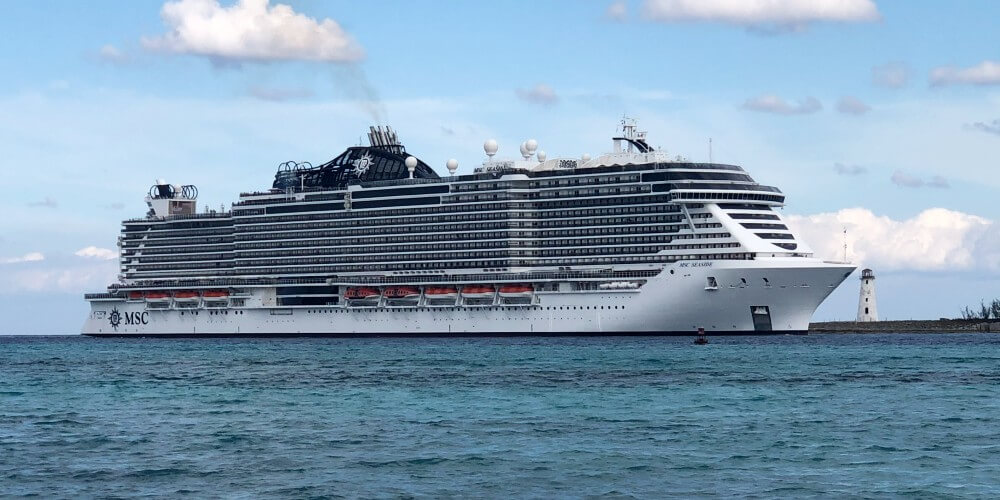
At its core, MSC stands for Mediterranean Shipping Company. This seemingly simple revelation opens a window into a powerful narrative of diversification and strategic growth. What began as a formidable force in global cargo shipping ultimately spawned a highly successful cruise line, maintaining a cohesive brand identity while venturing into entirely new markets. This article will explore the strategic implications of the MSC acronym, examining how this foundational name has shaped MSC Cruises’ brand presence, communication, and competitive advantage in the bustling world of travel and leisure.
The Genesis of a Maritime Giant: Understanding the Acronym’s Roots
To fully grasp the significance of “MSC” for MSC Cruises, one must first look at its origin story. The acronym is a direct inheritance from the parent company, a titan of global logistics whose legacy underpins the entire group’s operations. This historical connection is not just a footnote; it’s a fundamental aspect of the cruise line’s brand equity.
Mediterranean Shipping Company: A Legacy of Freight
The Mediterranean Shipping Company (MSC) was founded in 1970 by Gianluigi Aponte in Brussels, Belgium. Initially, it operated with a single ship, carrying cargo between Europe and Africa. Over the decades, under Aponte’s visionary leadership, MSC rapidly expanded to become one of the world’s largest and most respected shipping lines. Its operations span container shipping, port terminals, logistics, and now, passenger cruises. The name itself, “Mediterranean Shipping Company,” evokes a sense of geographical origin and core business activity—maritime transport. This powerful, descriptive name immediately communicated the company’s purpose and scope, establishing a strong reputation for reliability and global reach in the incredibly competitive shipping industry. The use of the acronym “MSC” became a practical necessity as the company grew, offering a concise and memorable identifier for a sprawling logistical network.
From Cargo to Cruise: The Expansion of Vision
The leap from cargo shipping to luxury cruises might seem counterintuitive at first glance. However, for a company deeply embedded in maritime operations, it represented a strategic diversification that leveraged existing expertise and infrastructure. MSC Cruises was established in 1989 (initially as Lauro Lines, later acquired and rebranded), marking the group’s foray into passenger services. This expansion was a bold move, transforming the perception of MSC from purely a business-to-business (B2B) freight provider to a business-to-consumer (B2C) leisure and hospitality provider. The decision to retain “MSC” in the cruise line’s name was a conscious branding choice, designed to carry over the goodwill, trust, and operational excellence associated with the parent company into this new venture. It wasn’t just about sharing a name; it was about sharing a legacy of maritime mastery and operational precision.
Brand Evolution: Maintaining Identity Across Divisions
Maintaining a consistent identity across disparate business divisions is a significant challenge for any conglomerate. For MSC, the transition from cargo to cruise necessitated careful brand management. While the core “MSC” acronym provided continuity, the “Cruises” suffix clearly delineated the new offering. This strategy allowed MSC Cruises to leverage the brand recognition and implied reliability of its parent company, while simultaneously establishing its own distinct identity within the leisure market. The evolution wasn’t about erasing the past but building upon it, demonstrating a commitment to maritime excellence that transcends the type of vessel or cargo being transported. It underscored a philosophy that whether you’re shipping goods or passengers, the underlying principles of safety, efficiency, and global reach remain paramount.
The Strategic Value of the MSC Acronym in Branding
The choice to retain “MSC” as the prefix for the cruise line’s brand name is a testament to savvy brand strategy. Acronyms, when managed effectively, can be powerful tools for brand building, offering distinct advantages in terms of recognition, recall, and strategic positioning.
Portability and Global Recognition
One of the undeniable strengths of an acronym like “MSC” is its portability and universal recognition. Unlike a full descriptive name that might vary in translation or pronunciation across different languages and cultures, “MSC” remains consistent. In a global industry like cruising, where customers come from every corner of the world, this consistency is invaluable. It simplifies marketing efforts, creates a uniform brand image, and makes the name easy to remember and communicate, whether in Shanghai, Southampton, or São Paulo. The three letters become a shorthand for the entire brand experience, transcending linguistic barriers and fostering a sense of familiarity for a diverse international clientele. This global legibility is a cornerstone of MSC Cruises’ ability to operate successfully in a multitude of markets.
Communicating Heritage and Reliability
By aligning with the Mediterranean Shipping Company, MSC Cruises inherently communicates a deep-seated heritage in maritime operations. This isn’t a fly-by-night startup; it’s a company with decades of experience navigating the world’s oceans. For potential cruisers, this heritage translates into an implied promise of reliability, safety, and operational expertise. Consumers often seek brands with a track record, and the MSC acronym subtly signals that the cruise line benefits from the vast resources and institutional knowledge of a global shipping giant. This connection instills confidence, assuring passengers that their journey is managed by professionals who understand the sea intimately. It’s a powerful psychological advantage in an industry where trust and security are paramount.
Differentiating the Cruise Line in a Crowded Market
The cruise industry is highly competitive, populated by numerous established players. For MSC Cruises to carve out its niche, it needed a compelling differentiator. While its Italian heritage and focus on European-style cruising play a significant role, the “MSC” acronym itself contributes to its unique brand identity. It suggests a certain robustness and industrial scale that distinguishes it from purely leisure-focused brands. This isn’t to say MSC Cruises isn’t luxurious or fun; rather, it implies that the glamour is built upon a solid foundation of engineering prowess and logistical mastery. This subtle differentiation appeals to a segment of the market that values efficiency and reliability alongside luxury and entertainment, helping MSC Cruises stand out amidst a sea of competitors.
Crafting a Dual Identity: MSC Cargo vs. MSC Cruises
Managing a brand that operates across such diverse sectors as freight and leisure requires a sophisticated approach to identity management. The challenge lies in leveraging the shared brand equity of “MSC” while ensuring each division maintains a distinct personality and appeal tailored to its specific audience.
Leveraging a Shared Foundation, Building Distinct Personalities

The strategic decision to use “MSC” as the common denominator across the cargo and cruise divisions is a masterclass in leveraging a shared foundation. Both benefit from the established reputation of the Mediterranean Shipping Company for global reach and operational excellence. However, the subsequent branding efforts for each division are meticulously crafted to build distinct personalities. MSC Cargo emphasizes reliability, efficiency, and expansive logistical networks, catering to business clients focused on supply chain solutions. MSC Cruises, conversely, focuses on luxury, entertainment, unique itineraries, and unparalleled customer experiences, targeting leisure travelers seeking memorable vacations. While the name links them, the messaging, visual aesthetics, and overall brand narrative diverge to appeal specifically to their respective target markets.
Visual Branding: Logos, Colors, and Messaging
Visual branding plays a crucial role in distinguishing these dual identities. While both might feature the “MSC” typography, their complementary elements differ significantly. MSC Cargo’s branding tends to be more utilitarian, emphasizing strength, precision, and global connectivity, often utilizing blues and greens that evoke the sea and land. MSC Cruises, however, adopts a more vibrant, elegant, and aspirational visual language. Its logo often incorporates elements suggestive of sails or waves, its color palette features rich blues, golds, and whites to convey luxury and sophistication, and its marketing imagery focuses on joyful passengers, stunning destinations, and opulent ship interiors. The messaging, too, is tailored: “Moving the world with care” for cargo versus “The world at your feet” or “Beauty at Sea” for cruises. This careful differentiation ensures that consumers instantly recognize which MSC they are interacting with, despite the shared acronym.
Target Audience Alignment and Market Positioning
The distinct branding strategies for MSC Cargo and MSC Cruises are directly aligned with their respective target audiences and market positioning. MSC Cargo positions itself as a reliable, efficient, and innovative partner for global trade, serving businesses and industries. Its brand promise centers on logistical excellence and supply chain integrity. MSC Cruises positions itself as a premium, family-friendly, and culturally rich cruise experience, catering to individuals and families seeking leisure, exploration, and hospitality. Its brand promise revolves around unforgettable journeys, diverse onboard amenities, and access to exotic destinations. This precise alignment ensures that each division speaks directly and compellingly to its intended market, maximizing engagement and conversion, while the shared “MSC” provides an overarching umbrella of credibility and scale.
The Role of Brand Naming in Corporate Strategy
The choice of a brand name, whether an acronym, a descriptive term, or an invented word, is one of the most critical decisions in corporate strategy. It impacts everything from market perception to legal protection and global expansion. The MSC example offers valuable insights into the strategic deployment of brand names.
Acronyms vs. Full Names: Pros and Cons
The debate between using a full, descriptive name versus an acronym is a classic in brand strategy. Full names, like “Mediterranean Shipping Company,” offer immediate clarity regarding the company’s purpose and heritage. They are often easier for new audiences to understand without prior knowledge. However, they can be lengthy, less memorable, and sometimes difficult to apply consistently across various marketing channels, especially in a global context. Acronyms, on the other hand, such as “MSC,” offer brevity, ease of recall, and adaptability. They are highly portable and excellent for global recognition. The trade-off is that they initially lack inherent meaning and require significant marketing investment to imbue them with brand values. MSC skillfully navigates this by using the acronym for broad recognition while ensuring the full name, Mediterranean Shipping Company, remains accessible for context and heritage, particularly within its corporate communications.
The Power of a Memorable Yet Meaningful Name
Ultimately, a successful brand name is both memorable and meaningful. “MSC,” though an acronym, becomes meaningful through its association with a well-established global entity known for its maritime prowess. The “Cruises” suffix adds immediate meaning for the leisure division, ensuring clarity of purpose. This combination creates a powerful branding synergy. The simplicity of “MSC” ensures it sticks in people’s minds, while the implicit connection to the “Mediterranean Shipping Company” provides a solid foundation of trust and experience. It’s a name that has been built through decades of reliable service, allowing the cruise line to leverage that hard-won equity without having to start from scratch. This strategy highlights the importance of choosing a name that not only sounds good but also carries weight and resonates with the brand’s core values.
Protecting and Enhancing Brand Equity
Protecting and enhancing brand equity is paramount for any global corporation. For MSC, this involves rigorous trademark protection of “MSC” and its various iterations (e.g., “MSC Cruises,” “MSC Cargo,” “MSC Seashore”). Beyond legal protection, enhancing brand equity involves consistently delivering on the brand promise across all touchpoints. For MSC Cruises, this means providing exceptional service, innovative ships, diverse itineraries, and memorable guest experiences. Every successful cruise, every positive customer review, every impactful marketing campaign contributes to reinforcing the positive associations with the “MSC” name. The acronym, therefore, is not just a label; it’s a valuable asset that represents the accumulated reputation, trust, and perceived value of a truly global brand.
Beyond the Name: Building a Holistic Brand Experience
While understanding “what MSC stands for” is crucial for brand comprehension, the success of MSC Cruises goes far beyond its acronym. It’s about a holistic brand experience meticulously crafted through consistent execution, innovative offerings, and strategic communication.
Customer Experience as a Brand Pillar
For MSC Cruises, the actual customer experience is the ultimate brand ambassador. From the moment a guest books a cruise to their departure, every interaction, amenity, and service contributes to the brand’s perception. This includes the design and features of their modern fleet, the quality of dining, the entertainment options, the efficiency of onboard services, and the attentiveness of the crew. MSC Cruises strives to deliver an experience that reflects its Mediterranean heritage – warmth, hospitality, and a passion for life – while upholding the high operational standards implied by its parent company. The brand promise is delivered through tangible experiences, reinforcing the values that the “MSC” name implies, but actively demonstrating them in action.
Marketing and Communication Strategies
Effective marketing and communication are vital for translating the brand’s identity into consumer desire. MSC Cruises employs sophisticated strategies that highlight its unique selling propositions: its modern, environmentally conscious fleet, diverse global itineraries, family-friendly offerings, and commitment to sustainability. Campaigns often evoke the romance of the sea, the joy of discovery, and the luxury of choice, all while subtly leveraging the underlying reliability and scale suggested by the “MSC” brand. Digital marketing, social media engagement, and strategic partnerships play crucial roles in reaching global audiences, ensuring that the brand narrative is consistently and compellingly shared.

The Future of the MSC Brand
Looking ahead, the MSC brand, in both its cargo and cruise incarnations, is poised for continued growth and evolution. For MSC Cruises, this means further fleet expansion, exploration of new destinations, and innovation in onboard experiences, all while maintaining its core identity rooted in its Mediterranean heritage and maritime expertise. The “MSC” acronym will continue to serve as a powerful identifier, a testament to a company that successfully diversified its operations from moving goods across oceans to transporting dreams for millions of travelers. It’s a brand story of strategic vision, unwavering commitment to maritime excellence, and the art of transforming a name into a global symbol of trust and adventure.
In conclusion, “what does MSC stand for in MSC Cruises?” is far more than a trivial question. It stands for Mediterranean Shipping Company, a name that embodies a rich history of maritime leadership, a strategic expansion into leisure travel, and a masterclass in brand building. It represents a brand that skillfully leverages its industrial heritage to convey reliability and scale, while simultaneously cultivating a distinct and vibrant personality for its cruise line. MSC is a testament to the enduring power of a well-chosen name, supported by consistent service and a clear vision, in establishing a dominant presence on the global stage.
aViewFromTheCave is a participant in the Amazon Services LLC Associates Program, an affiliate advertising program designed to provide a means for sites to earn advertising fees by advertising and linking to Amazon.com. Amazon, the Amazon logo, AmazonSupply, and the AmazonSupply logo are trademarks of Amazon.com, Inc. or its affiliates. As an Amazon Associate we earn affiliate commissions from qualifying purchases.