
Navigating the journey to homeownership is one of life’s most significant financial undertakings. For many, the cornerstone of this dream is securing a mortgage loan. While the excitement of finding your perfect home is palpable, the process of finding the right mortgage lender is equally, if not more, critical. A mortgage isn’t just a loan; it’s a long-term financial partnership that will impact your budget, savings, and overall financial health for decades. Therefore, understanding where to apply for a mortgage loan is paramount to securing favorable terms, competitive rates, and a smooth, stress-free experience.
The landscape of mortgage lending is diverse, offering a multitude of options, each with its unique strengths, weaknesses, and suitability for different types of borrowers. From established brick-and-mortar institutions to nimble online platforms, the choices can be overwhelming. This guide will demystify the various avenues available, highlight the crucial factors to weigh when making your decision, and equip you with the knowledge to confidently choose the best financial partner for your homeownership aspirations.
Understanding Your Mortgage Lender Options
The first step in applying for a mortgage loan is to familiarize yourself with the different types of lenders in the market. Each category offers a distinct approach to lending, customer service, and product offerings.
Traditional Banks
Traditional banks, often recognized by their physical branches and long-standing presence in communities, are a familiar starting point for many borrowers. These institutions typically offer a wide array of financial products beyond mortgages, which can be advantageous if you prefer to consolidate your banking relationships.
-
Pros: Established reputation, physical presence for in-person consultation, potential for existing customers to receive preferred rates or services, diverse product offerings.
-
Cons: Potentially slower approval processes, less flexibility for unique financial situations, rates might not always be the most competitive compared to specialized lenders.
-
Best for: Borrowers who value face-to-face interaction, have complex financial situations requiring personal guidance, or prefer to bank with a single institution.
Credit Unions
Credit unions are not-for-profit financial cooperatives owned by their members. Their primary goal is to serve their members, often translating into more favorable rates, lower fees, and a more personalized customer service experience compared to for-profit banks.
-
Pros: Often offer lower interest rates and fees, personalized customer service, community-focused approach, flexible underwriting standards.
-
Cons: Membership requirements (often based on geographic location, employer, or association), fewer branch locations, potentially less advanced digital tools than large banks or online lenders.
-
Best for: Borrowers who meet membership criteria, value community and personalized service, and are looking for potentially better terms.
Mortgage Lenders (Non-bank Lenders)
Mortgage lenders, sometimes referred to as direct lenders or non-bank lenders, specialize exclusively in originating mortgage loans. They do not offer checking accounts or other traditional banking services. Their singular focus often allows them to streamline processes and offer a broader range of mortgage products.
-
Pros: Specialized expertise, often faster processing and closing times, diverse range of loan products (including FHA, VA, USDA loans), potentially competitive rates.
-
Cons: Lack of other banking services, fewer physical locations, customer service can vary significantly between companies.
-
Best for: Borrowers looking for efficiency, a wide variety of loan options, and specialized knowledge in the mortgage market.
Mortgage Brokers
A mortgage broker acts as an intermediary between the borrower and various lenders. They do not lend money themselves but work with a network of banks, credit unions, and mortgage lenders to find a loan that best fits your needs. They essentially shop around on your behalf.
-
Pros: Access to a wide range of lenders and loan products, expertise in navigating complex financial situations, saves time and effort for the borrower.
-
Cons: Brokers charge a fee (either paid by the lender or the borrower), lack of direct control over the lending process, quality of service depends heavily on the individual broker.
-
Best for: Borrowers with unique financial circumstances, those looking for convenience, or individuals who want a professional to compare multiple offers.
Online Lenders
The digital age has brought forth a new breed of lenders that operate almost entirely online. These platforms leverage technology to simplify the application process, often resulting in quicker approvals and competitive rates due to lower overhead costs.
-
Pros: Streamlined application process, fast pre-approvals, competitive rates due to reduced operating costs, convenience of applying from anywhere.
-
Cons: Limited or no face-to-face interaction, potential for less personalized service, less suitable for complex financial situations requiring nuanced advice.
-
Best for: Tech-savvy borrowers, those with straightforward financial profiles, and individuals prioritizing speed and competitive pricing.
Key Factors to Consider When Choosing a Lender
With a clear understanding of your lender options, the next critical step is to evaluate specific factors that will influence your choice. This due diligence ensures you select a partner that aligns with your financial goals and expectations.
Interest Rates and APR
The interest rate is arguably the most scrutinizing aspect of any loan. It directly impacts your monthly payments and the total cost of your loan over its lifetime. However, don’t stop at the interest rate.
-
Understanding APR: The Annual Percentage Rate (APR) provides a more comprehensive measure of the total cost of borrowing, as it includes the interest rate plus certain fees and charges. A lower APR generally indicates a cheaper loan.
-
Locking in Rates: In a fluctuating market, understanding when and how a lender allows you to “lock in” your interest rate is crucial. This protects you from rate increases during the underwriting process.
-
Comparing “Apples to Apples”: When comparing offers, ensure you are looking at loans with the same term (e.g., 30-year fixed), type (e.g., conventional), and the same loan amount to get an accurate comparison.
Loan Products and Flexibility
Not all mortgages are created equal. Lenders offer a variety of loan products designed for different borrower needs and financial situations.
-
Fixed-Rate vs. Adjustable-Rate Mortgages (ARMs): Decide whether you prefer the stability of a fixed monthly payment or are comfortable with the potential for rate changes with an ARM.
-
Government-Backed Loans: If you’re a first-time homebuyer, veteran, or have specific income criteria, look for lenders specializing in FHA, VA, or USDA loans, which often come with more lenient qualification requirements and lower down payments.
-
Jumbo Loans: For properties exceeding conventional loan limits, you’ll need a lender offering jumbo loans.
-
Flexible Underwriting: For self-employed individuals or those with non-traditional income streams, a lender with flexible underwriting can be a significant advantage.
Fees and Closing Costs
Beyond the interest rate, a myriad of fees contributes to the overall cost of your mortgage. These “closing costs” can amount to 2-5% of the loan amount and include items like origination fees, appraisal fees, title insurance, and legal fees.
-
Itemized List: Demand a detailed list of all fees from each lender. Compare these diligently, as some lenders may have lower rates but higher fees, or vice-versa.
-
Negotiation: Don’t be afraid to negotiate certain fees. Some, like origination fees, might be negotiable, especially if you have strong credit.
-
Lender Credits: Be aware of lender credits, which can reduce your closing costs in exchange for a slightly higher interest rate. Understand the trade-off.
Customer Service and Reputation
A mortgage is a complex transaction, and having a responsive, knowledgeable lender can make a world of difference, especially if unforeseen issues arise.
-
Read Reviews: Check online reviews and ratings from independent sources (e.g., Zillow, LendingTree, Yelp, Better Business Bureau) to gauge other borrowers’ experiences.
-
Ask for References: Don’t hesitate to ask lenders for references from past clients, particularly those with similar financial profiles to yours.
-
Responsiveness: Pay attention to how quickly and thoroughly lenders respond to your initial inquiries. This can be a strong indicator of their ongoing customer service.
Application Process and Technology
The efficiency and user-friendliness of the application process can significantly impact your experience.
-
Digital Tools: Does the lender offer online application, document submission, and status tracking? These can save a lot of time and hassle.
-
Personalized Guidance: While technology is great, ensure there’s also an option for direct communication with a loan officer who can answer questions and provide guidance.
-
Transparency: A good lender will clearly communicate each step of the process, what documents are needed, and what to expect next.
Preparing for Your Mortgage Application
Regardless of where you apply, being well-prepared is crucial for a smooth and successful mortgage application. Proactive steps can improve your chances of approval and secure better loan terms.
Boosting Your Credit Score
Your credit score is a primary determinant of your eligibility and interest rate. Lenders use it to assess your creditworthiness.
-
Review Your Credit Report: Obtain a free copy of your credit report from all three major bureaus (Equifax, Experian, TransUnion) and dispute any errors.
-
Pay Bills on Time: Payment history is the most significant factor in your credit score.
-
Reduce Debt: Lowering your credit utilization ratio (amount of credit used vs. available) can quickly boost your score.
-
Avoid New Credit: Refrain from opening new credit accounts or making large purchases on credit before and during your mortgage application.
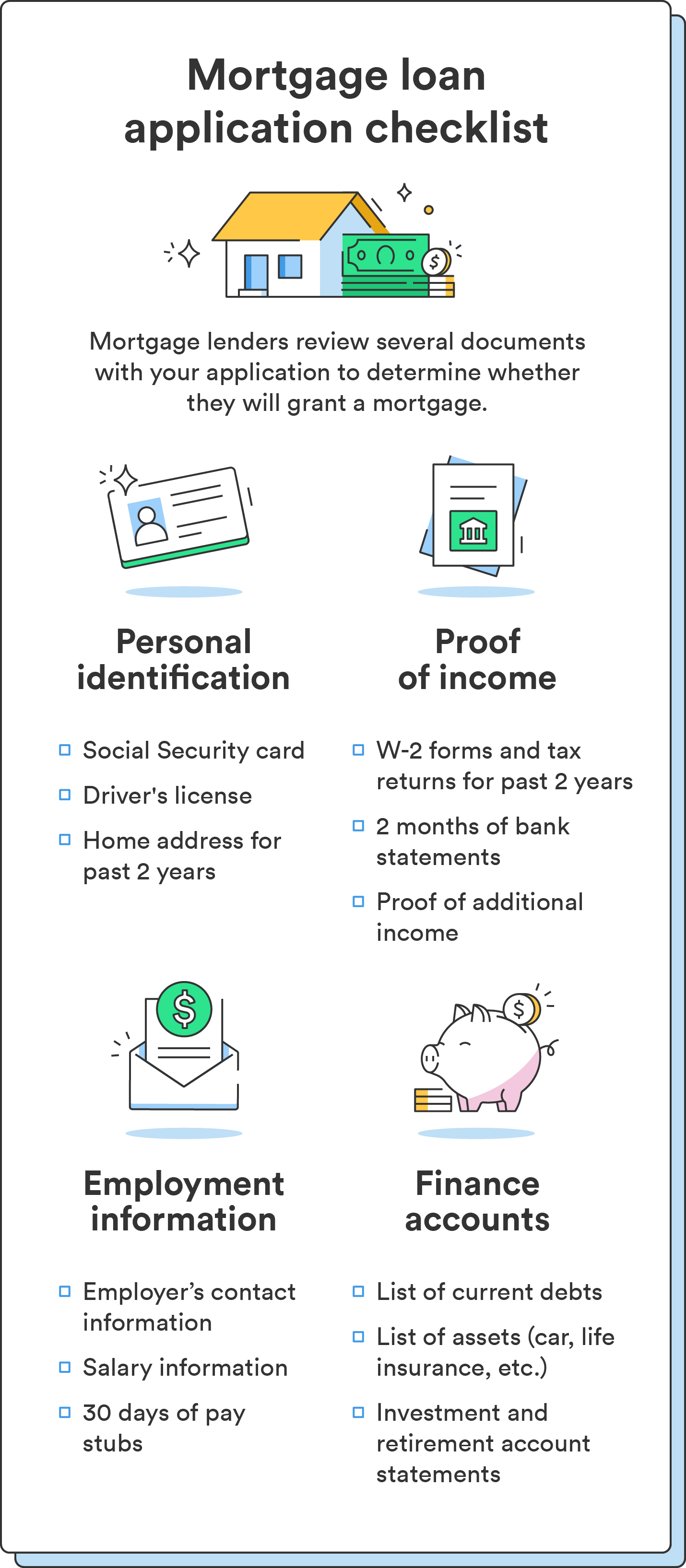
Gathering Financial Documents
Having all necessary documents ready will expedite the application and underwriting process.
-
Income Verification: Pay stubs (past 30-60 days), W-2 forms (past two years), tax returns (past two years), profit and loss statements (for self-employed).
-
Asset Verification: Bank statements (past 2-3 months), investment account statements.
-
Debt Information: Statements for all loans (auto, student, personal), credit card statements.
-
Other: Rental history (if applicable), divorce decrees, bankruptcy discharge papers.
Understanding Your Debt-to-Income (DTI) Ratio
Your DTI ratio compares your total monthly debt payments to your gross monthly income. Lenders use this to assess your ability to manage monthly payments.
-
Calculate Your DTI: Aim for a DTI below 43%, though some lenders may allow higher ratios.
-
Strategies to Improve DTI: Pay down existing debts, increase your income (if possible), or consider a less expensive home to reduce your potential mortgage payment.
Saving for a Down Payment and Closing Costs
A substantial down payment not only reduces your loan amount and monthly payments but can also eliminate the need for Private Mortgage Insurance (PMI) if it’s 20% or more.
-
Estimate Costs: Work with a lender early to get an estimate of both the required down payment and closing costs.
-
Savings Strategies: Automate savings, reduce discretionary spending, or explore down payment assistance programs if eligible.
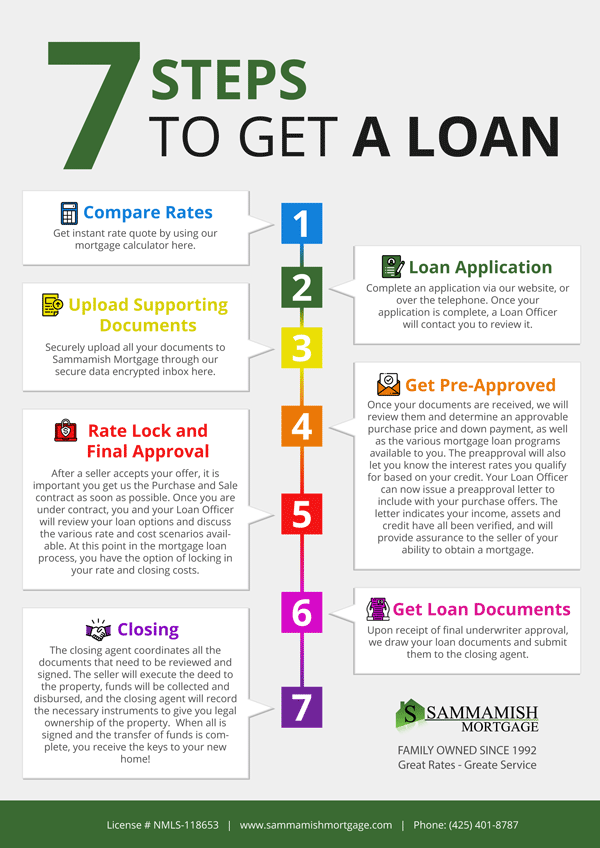
The Mortgage Application Process: A Step-by-Step Guide
Once you’ve chosen your potential lenders and prepared your finances, the actual application process unfolds in several distinct stages.
Pre-Approval: Why It Matters
A mortgage pre-approval is a conditional commitment from a lender to provide you with a loan up to a certain amount. It’s based on a review of your credit and financial information.
-
Benefits: Shows sellers you are a serious and qualified buyer, helps you understand what you can truly afford, and gives you leverage in negotiations.
-
How to Get One: Submit a basic application with financial details, and the lender will perform a credit check and initial underwriting.
Submitting Your Application
After pre-approval and finding a home, you’ll formally apply for the mortgage. This involves submitting all required documentation.
-
Detailed Information: Provide accurate and complete information about your finances, employment, and the property you intend to purchase.
-
Disclosure Forms: Review and sign various disclosure forms outlining loan terms and borrower rights.
Underwriting and Appraisal
This is the phase where the lender thoroughly vets your financial health and the property’s value.
-
Underwriting: A professional underwriter reviews all your submitted documents to ensure you meet the lender’s criteria and the loan falls within their risk tolerance. They may request additional information.
-
Appraisal: The lender will order an independent appraisal of the property to determine its fair market value. This ensures the home’s value supports the loan amount.
-
Title Search: A title company performs a search to confirm clear ownership of the property and identify any liens or encumbrances.
Closing the Loan
The culmination of the process is the closing, where all parties sign the final paperwork, and ownership officially transfers.
-
Final Review: Before closing, you’ll receive a Closing Disclosure, which details all final loan terms, fees, and costs. Compare this to your initial Loan Estimate.
-
Signing Documents: At the closing table, you’ll sign numerous legal documents, including the promissory note and mortgage/deed of trust.
-
Funding: The loan funds are disbursed, and you officially become a homeowner.
Leveraging Resources for Your Search
Finding the right mortgage loan is a journey of research and comparison. Fortunately, several resources can aid you in this crucial task.
Online Comparison Tools
Websites like LendingTree, Zillow Mortgages, and Bankrate allow you to input your financial information and receive multiple loan offers from various lenders.
-
Efficiency: These tools save you time by consolidating offers, but remember they might not include every possible lender.
-
Initial Benchmarking: Use them to get an initial idea of market rates and identify potential lenders.
Financial Advisors and Real Estate Agents
These professionals can offer invaluable insights and referrals.
-
Financial Advisors: Can help you assess your overall financial health, determine affordability, and integrate your mortgage into your broader financial plan.
-
Real Estate Agents: Often have relationships with trusted local lenders and can provide recommendations based on their experience with other clients.
Reading Reviews and Testimonials
Always look beyond a lender’s marketing materials. Real-world experiences from past clients offer the most honest perspective.
-
Diverse Sources: Look at reviews on multiple platforms, not just the lender’s website.
-
Specific Feedback: Pay attention to comments regarding customer service, hidden fees, processing speed, and communication.
Choosing where to apply for a mortgage loan is a decision that requires careful consideration, thorough research, and proactive preparation. By understanding the various lender types, meticulously comparing offers, and being ready with your financial documentation, you can confidently navigate the mortgage market. Remember, securing a mortgage is not just about finding the lowest interest rate; it’s about partnering with a lender that offers transparency, excellent service, and a product that aligns perfectly with your long-term financial goals for homeownership.
aViewFromTheCave is a participant in the Amazon Services LLC Associates Program, an affiliate advertising program designed to provide a means for sites to earn advertising fees by advertising and linking to Amazon.com. Amazon, the Amazon logo, AmazonSupply, and the AmazonSupply logo are trademarks of Amazon.com, Inc. or its affiliates. As an Amazon Associate we earn affiliate commissions from qualifying purchases.